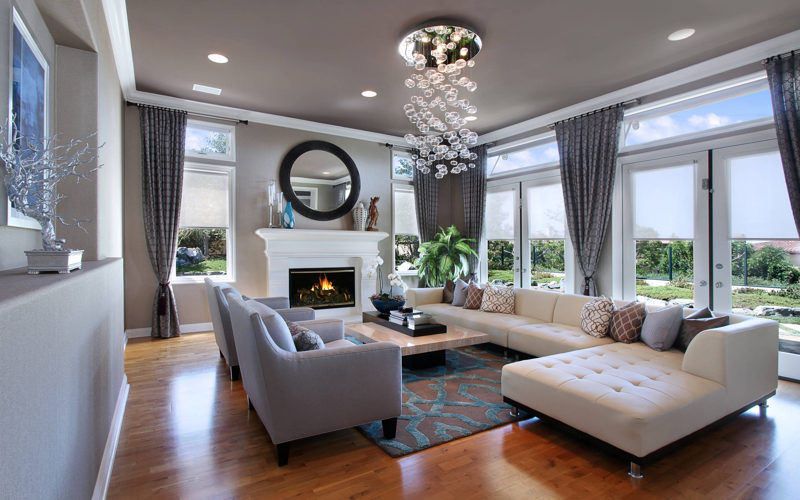
The living room is often considered the heart of the home. It is the space where family members gather after a long day, guests are welcomed, entertainment happens, and daily relaxation begins. Because this room serves so many purposes, its decoration should never be treated as an afterthought. A well-decorated living room creates comfort, visual harmony, and a strong sense of personality that reflects the people living in the house.
Many homeowners think living room decoration only means buying a sofa and hanging a few curtains, but in reality, this space requires thoughtful layering. Wall treatments, furniture arrangement, window styling, flooring, rugs, lighting, textures, and color balance all work together to create a polished and inviting sitting area.
Step-by-Step Guide to Decorate Your Living Room
Below, we have elaborated on the step-by-step guide for decorating your living room.
1. Start by Defining the Purpose and Mood of Your Living Room
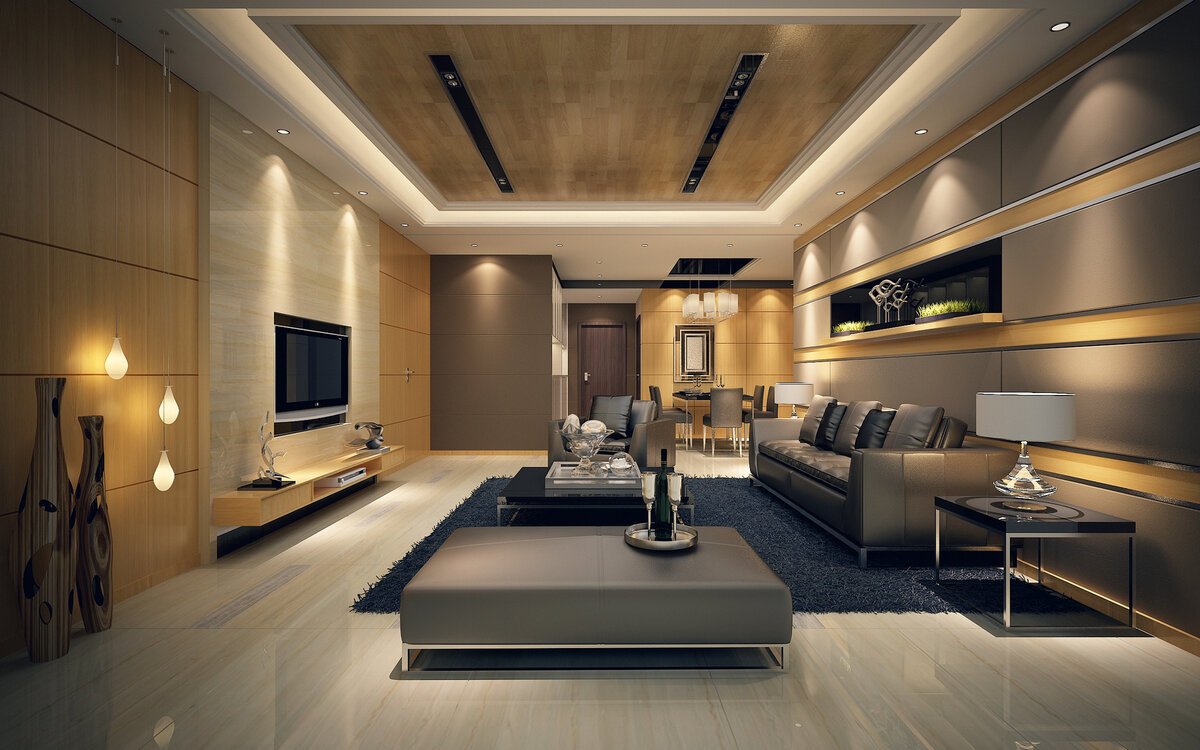
Before buying any decorative item, you need to understand how your living room will actually be used. Some families use it as a formal guest room, while others use it as a TV lounge, reading corner, entertainment space, or family gathering room. The decoration choices become much easier when the purpose is clear.
A formal living room usually needs a sophisticated and cleaner setup with elegant furniture and minimal clutter. A casual family lounge, on the other hand, can focus more on plush seating, warm textiles, and relaxed décor. Once you define the room’s purpose, the color palette, furniture size, curtain type, and floor accessories start making more sense.
This first planning stage prevents random purchases and helps create a more cohesive interior.
2. Decorate the Walls With Stylish and Practical Wallpapers
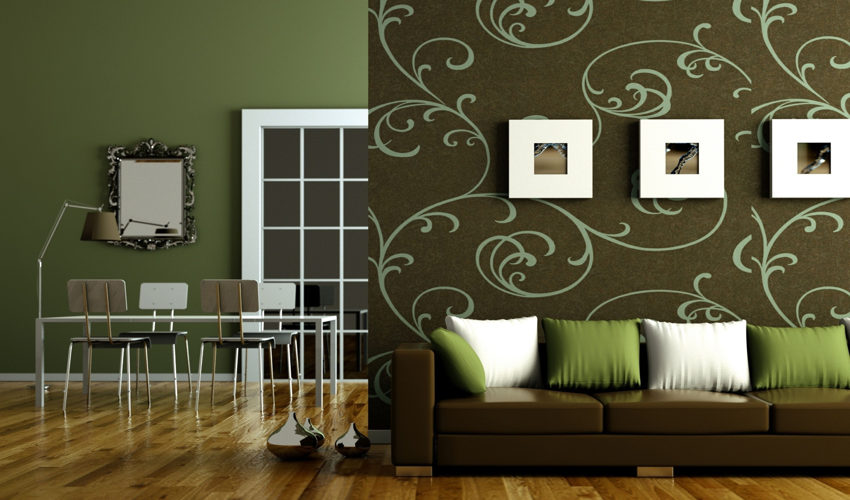
Walls occupy the largest visual area in any living room, which means they immediately influence the room’s mood. Plain painted walls can look empty if not treated properly, while a carefully selected wallpaper can instantly make the room feel luxurious, modern, cozy, or spacious, depending on the style you choose.
Choose Wallpaper According to Room Size
If your living room is compact, light-colored wallpapers with subtle textures or minimal patterns help create a more open appearance. Cream, soft grey, beige, pearl white, or pastel designs visually expand the walls and prevent the room from feeling congested.
For larger living rooms, you can experiment with bolder statement living room wallpaper such as geometric prints, brick textures, floral accents, or modern 3D wall designs. These richer patterns help the room feel warmer and less empty.
Use One Feature Wall for Stronger Impact
Instead of wallpapering all four walls aggressively, many modern interiors focus on one feature wall behind the sofa or TV unit. This creates a focal point without making the room visually heavy.
Textured wallpapers, marble-look brick wallpaper, brick patterns, or abstract artistic designs can dramatically uplift the overall living room ambiance.
3. Invest in High-Quality Furniture That Fits the Space Properly
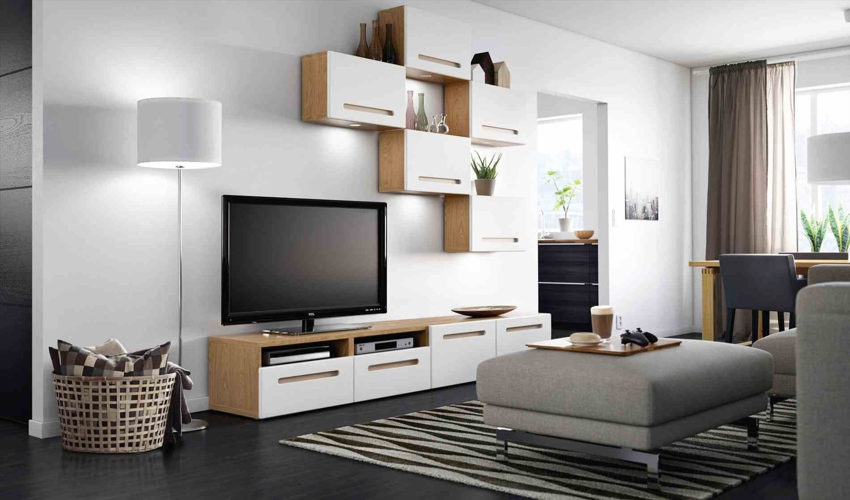
Furniture is one of the most important elements in living room decoration because it determines both appearance and usability. One common mistake people make is purchasing furniture based only on design without checking whether it suits the room size.
Choose Furniture According to Available Space
A small living room should never be overcrowded with oversized sofas, heavy armchairs, or bulky tables. Instead, compact sectional sofas, sleek chairs, and smart storage tables work much better because they leave enough movement space.
Large living rooms can accommodate full custom sofa sets, accent chairs, ottomans, and layered coffee tables without looking cramped.
Go for Custom Furniture Instead of Generic Pieces
Custom-made furniture always gives a more polished and balanced appearance because it is built according to your room dimensions and interior style. Ready-made furniture often looks disconnected because it may not align with your layout, wall color, or floor treatment.
Sofas
A comfortable sofa is the anchor piece of any living room. It should provide enough seating while also complementing the room’s color theme. Neutral shades with textured cushions often work best in modern interiors.
Chairs
Accent chairs add extra seating and decorative depth. You can use contrasting fabrics, curved silhouettes, or wooden-framed chairs to create more visual layering.
Coffee and Side Tables
Tables should not only fill space but also contribute to the design. Wooden tables, glass top tables, or marble finish side tables can add sophistication while serving practical daily use.
4. Hang Curtains That Improve Both Style and Comfort
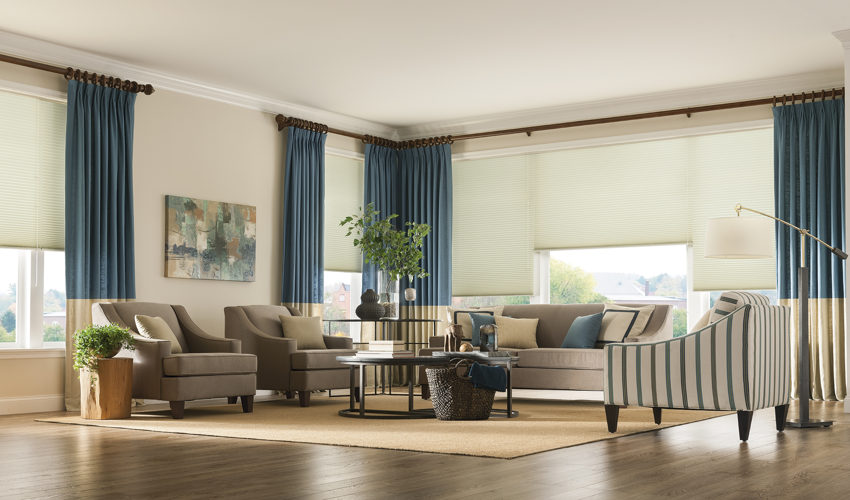
Window treatments have a major impact on how complete a living room looks. Bare windows make even furnished rooms feel unfinished, while properly selected curtains soften the space and create warmth.
Sheer Curtains for Light and Softness
If you want your living room to feel airy and naturally bright, sheer curtains are an excellent option. They allow filtered daylight to enter while still offering a degree of privacy. This makes the room feel calm and welcoming throughout the day.
Blackout Curtains for Media and Privacy
If the living room doubles as a TV lounge or entertainment room, blackout curtains become more practical. They reduce glare, provide privacy, and help control indoor temperature.
Velvet Curtains for Luxury Appeal
Dark velvet curtains instantly create richness and elegance. They are ideal for larger living rooms or spaces designed with formal seating arrangements. Their thick fabric also adds insulation and noise reduction.
Consider Motorized Curtains for Modern Functionality
Automated curtains are becoming increasingly popular because they improve daily convenience. With a remote or smart system, you can control light entry without manually adjusting heavy panels.
5. Use Rugs and Carpets to Add Warmth and Define Seating Zones
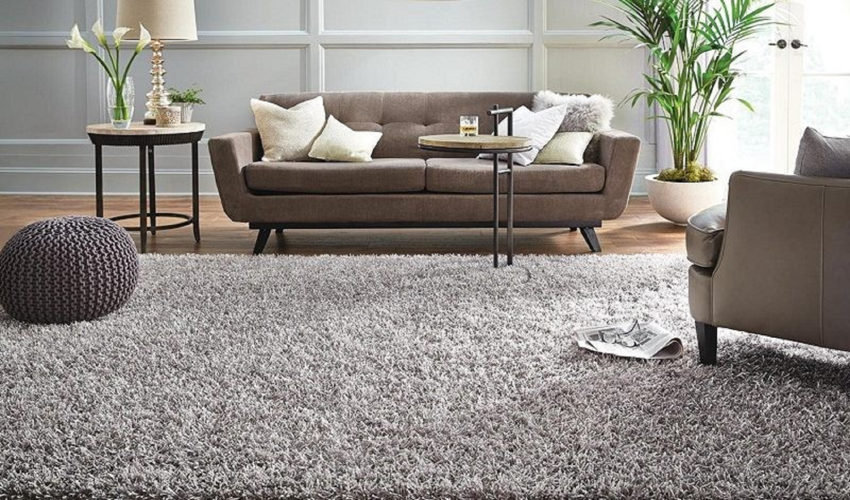
A living room without floor layering often feels incomplete and flat. Rugs and carpets help anchor furniture, introduce softness, and visually separate seating zones.
Place a Statement Rug Under the Main Seating Area
A properly sized rug should sit beneath the front legs of the sofa and chairs to visually tie all furniture together. Round rugs, abstract rugs, Persian-inspired designs, or shaggy rugs can all work depending on the interior theme.
Wall-to-Wall Carpets for Maximum Comfort
If comfort is your highest priority, wall-to-wall carpets create a luxurious underfoot feel and make the room quieter, warmer, and more relaxing.
Try Patterned Carpet Tiles for Decorative Flooring
Modern carpet tiles offer the flexibility of arranging colors and patterns creatively, making the floor itself part of the decoration.
6. Upgrade the Flooring for a More Premium Foundation
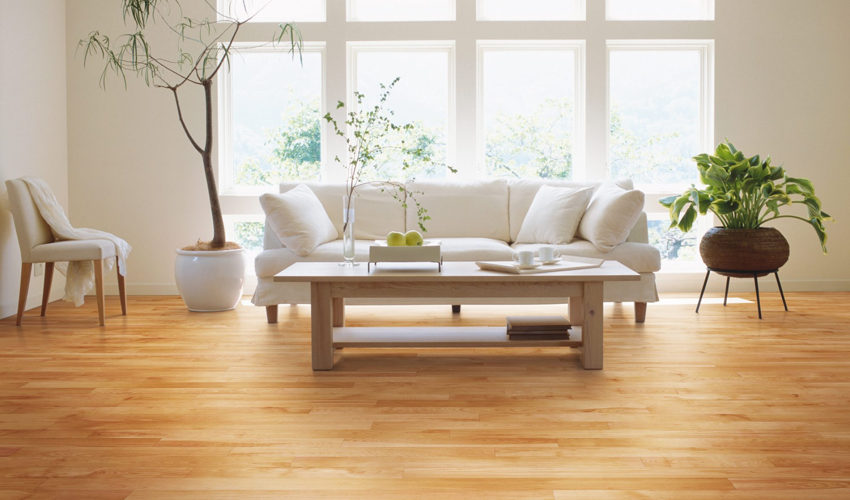
No matter how expensive the furniture is, unattractive flooring can weaken the entire room’s look. Flooring acts as the visual base of the living room, so upgrading it often produces a dramatic transformation.
Vinyl Flooring for Affordable Elegance
Luxury vinyl flooring is one of the most practical living room options because it is soft underfoot, waterproof, stylish, and available in countless patterns.
Wooden or Wood-Look Flooring for Timeless Warmth
Wooden flooring always makes a living room feel premium and naturally inviting. If real hardwood exceeds your budget, laminate and SPC flooring can provide a similar wood grain appearance at a much lower cost.
Add Decorative Grass or Accent Flooring Sections
For homeowners wanting a more unconventional decorative touch, artificial grass corners or textured floor inserts can create a unique, cozy nook.
7. Add Decorative Lighting to Build the Right Atmosphere

Lighting is often underestimated in living room decoration, yet it changes the room’s mood more than almost any other element.
A single harsh ceiling bulb makes the room feel plain and cold. Layered lighting creates softness and dimension.
Use Ceiling Lights as Main Illumination
Modern chandeliers, pendant lights, or recessed lighting provide the overall brightness and establish the room’s design style.
Add Floor Lamps and Side Lamps
Warm floor lamps near sofas or side lamps on console tables create cozy evening lighting and improve the visual richness of the room.
Use Wall Sconces or LED Panels for Accent Glow
Accent lighting highlights wallpaper textures, artwork, and decorative corners while making the living room feel more luxurious.
8. Decorate With Cushions, Throws, and Accessories
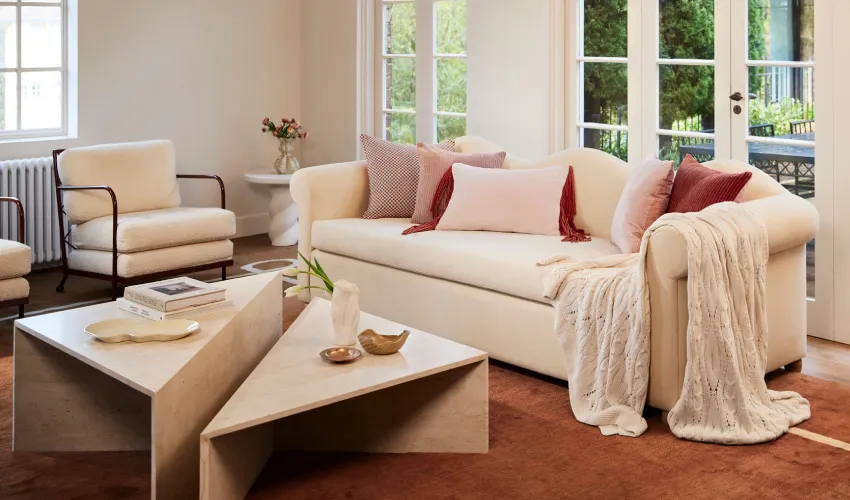
Small accessories are what make a living room feel lived-in rather than staged.
Layered sofa cushions in complementary colors add softness and style. Throw blankets create comfort. Decorative trays, books, candles, vases, and indoor plants make coffee tables and side corners look curated.
The key is not to overcrowd surfaces but to place a few thoughtful items that introduce personality.
9. Bring Nature Indoors With Green Elements
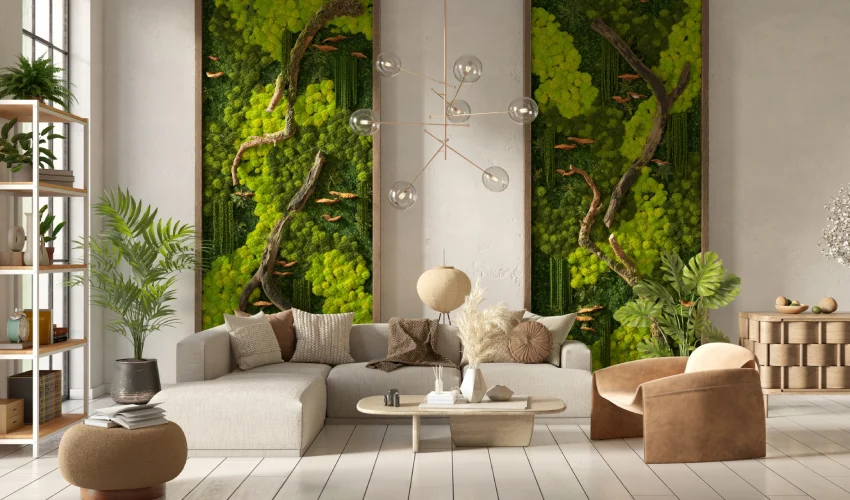
Indoor plants instantly make living rooms feel fresher and calmer. Tall corner plants, tabletop succulents, hanging vines, or decorative artificial greenery can all soften the room and balance harder furniture lines.
Plants also pair beautifully with neutral wallpapers, wood textures, and soft curtains.
1o. Important Things to Consider Before Decorating a Living Room
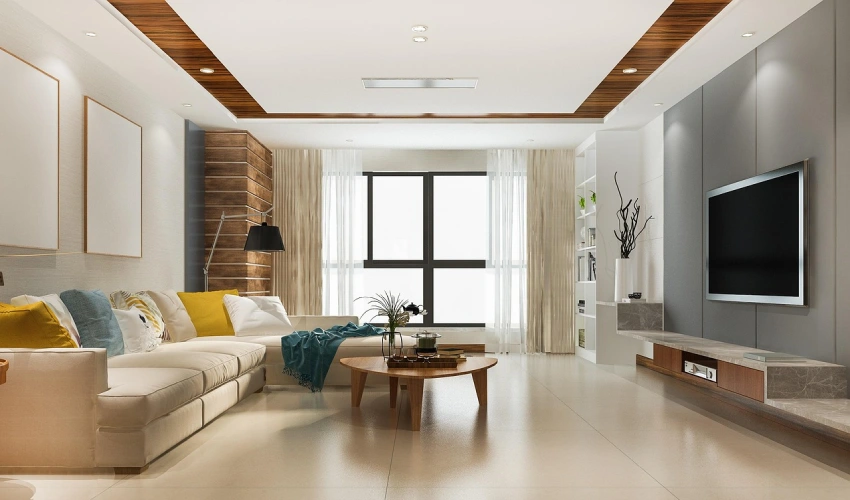
Understand the Direction of Natural Light
A north-facing room usually receives cooler and less direct sunlight, which means warmer colors and softer textures work better. South-facing rooms can handle darker tones more comfortably because they receive stronger daylight.
Set a Balanced Decoration Budget
Do not spend everything on one item. Flooring, curtains, wall treatment, furniture, and accessories should all receive planned portions of the budget.
Prioritize Comfort Along With Beauty
A living room may look visually attractive, but if the seating is uncomfortable, the layout feels crowded, or the lighting is too harsh, the room will not serve its purpose. Comfort should always work side by side with style.
Final Thoughts
Decorating a living room is not about filling it with expensive items. It is about creating a balanced environment where walls, furniture, curtains, rugs, flooring, and lighting work together to produce comfort and beauty. When every interior element is selected with purpose, even an ordinary living room can become a dreamy sitting space that feels warm, stylish, and highly functional.
By focusing on smart wall décor, custom furniture, suitable curtains, layered flooring, soft lighting, and cozy accessories, you can completely transform your common room into the most loved part of your home.