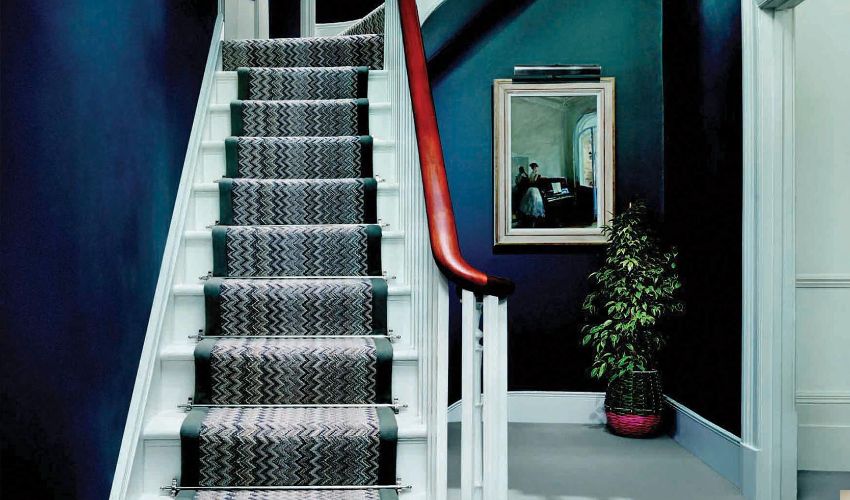
Choosing the right carpet for stairs is not as simple as picking a design you like. Stairs are one of the most heavily used areas in any home. They handle constant foot traffic, pressure, and movement throughout the day.
This makes them very different from bedrooms or living rooms. A carpet that works well in other areas may wear out quickly on stairs. Poor choices can also increase the risk of slipping, which makes safety a major concern.
Why Installing Carpet on Stairs Is Important
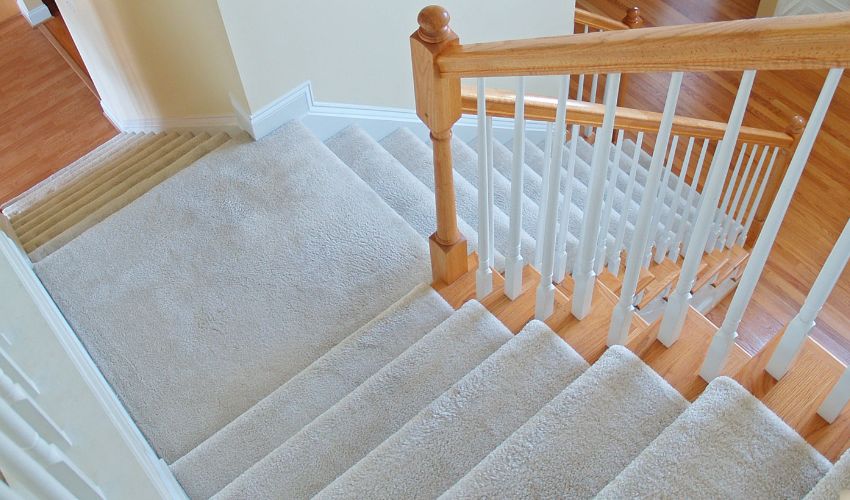
Stair carpets are not just about decoration. They serve multiple functional purposes that directly improve safety, comfort, and durability.
Improved Safety
Stairs made from wood, marble, or tiles can be slippery. This becomes more dangerous for children, elderly family members, or even pets. A carpet adds grip and reduces the chances of slipping. It also softens the impact in case of a fall, which can significantly reduce injuries.
Added Protection for Stairs
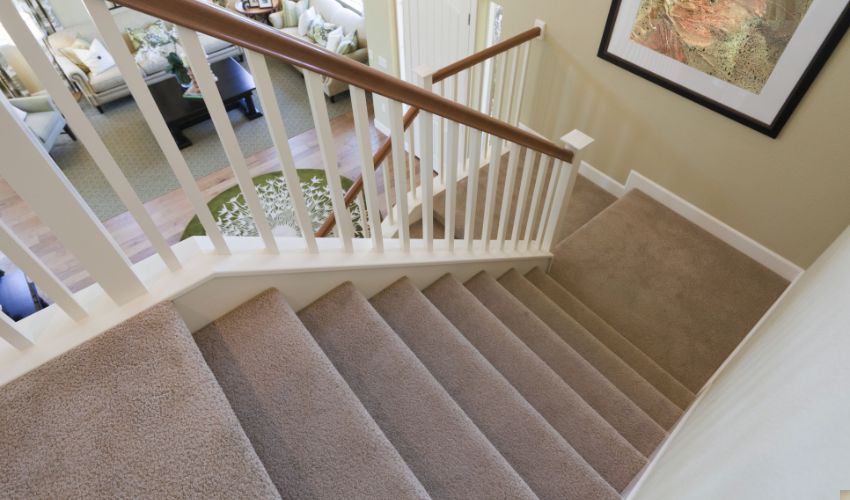
Constant foot traffic can damage stair surfaces over time. Scratches, dents, and wear marks are common on exposed stairs. Installing a carpet acts as a protective layer. It helps maintain the original condition of the stairs and extends their lifespan.
Better Noise Control
One of the most noticeable benefits of stair carpets is noise reduction. Bare stairs produce loud sounds when people walk on them, especially with shoes.Carpets absorb these sounds and create a quieter environment. This is particularly useful in multi-level homes where noise travels easily.
Enhanced Aesthetic Appeal
Stair carpets can transform the look of your interior. They add warmth, texture, and visual interest to an otherwise plain structure. With modern designs, patterns, and colors available, you can match the carpet with your overall home décor and create a more polished appearance.
Best Types of Carpet for Stairs
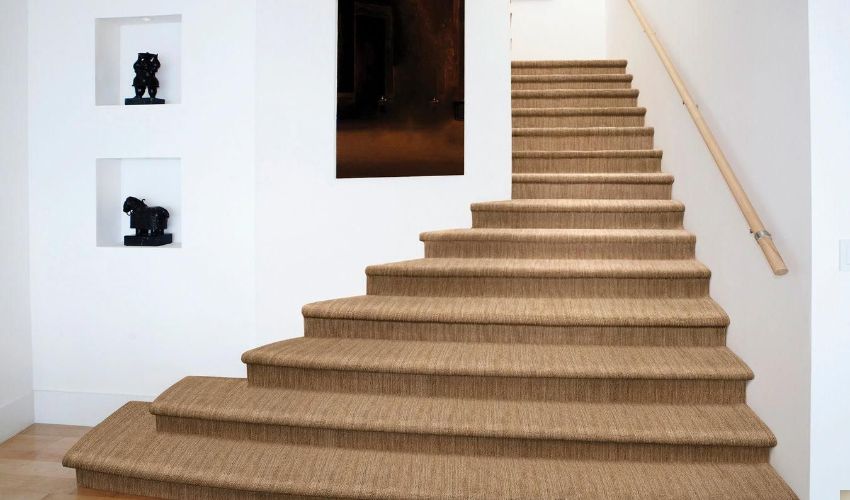
Not every carpet is suitable for stairs. The right choice depends on durability, grip, and how well the material handles pressure. Below are the most recommended carpet types for staircases.
Nylon Carpet
Nylon is one of the most durable carpet materials available. It can handle heavy foot traffic without losing its shape. It is also resistant to wear and crushing, which makes it ideal for stairs. Nylon carpets maintain their appearance for a long time and are easy to clean.
Polyester Carpet
Polyester is a more affordable option that offers a soft feel and good stain resistance. It works well in homes with moderate stair usage. However, it is less durable than nylon. It may flatten over time if the stairs are used frequently. It is better suited for low to medium-traffic areas.
Wool Carpet
Wool is a natural fiber that provides a luxurious look and feel. It is soft, durable, and naturally resistant to dirt. However, wool is more expensive and requires proper maintenance. It is best for homeowners who want a premium finish and are willing to invest in upkeep.
Olefin (Polypropylene) Carpet
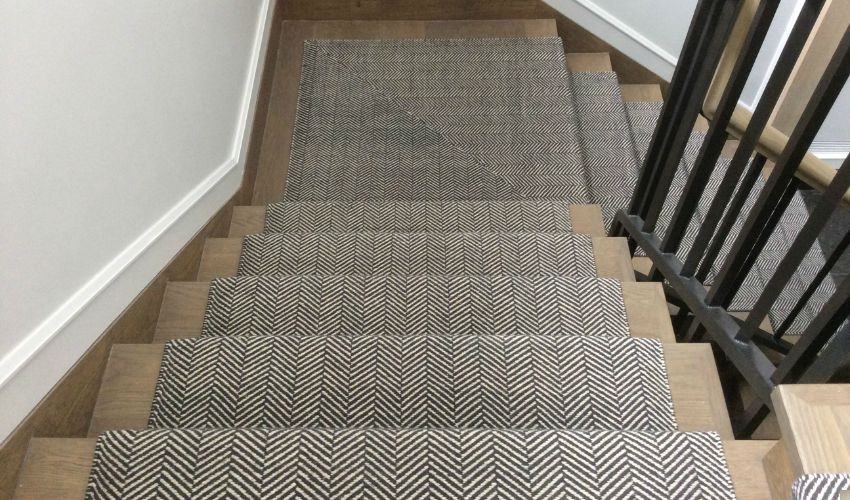
Olefin is known for its moisture and stain resistance. It performs well in areas exposed to spills or humidity. While it is budget-friendly, it is not as durable as nylon. It works best in low-traffic staircases or secondary spaces.
Low-Pile Carpet
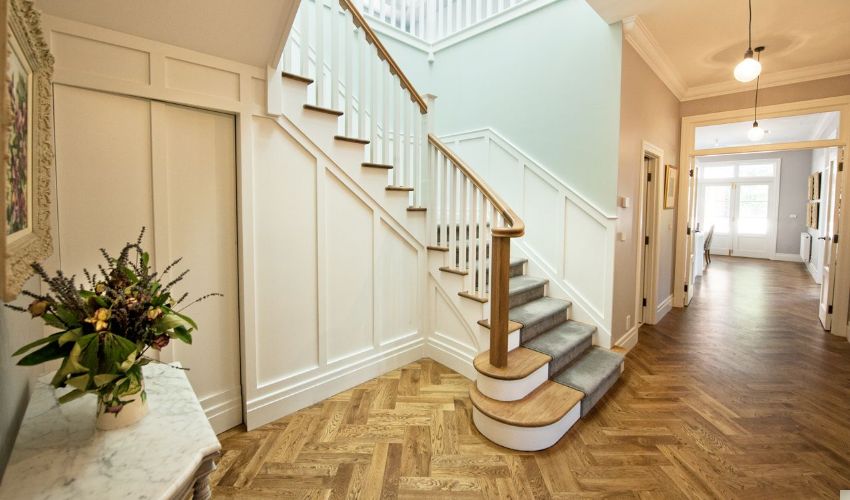
Low-pile carpets are highly recommended for stairs, regardless of material. They are tightly woven, which makes them more durable and easier to clean. They also provide better stability underfoot, reducing the risk of slipping compared to thick or plush carpets.
Stair Runners vs Wall-to-Wall Carpet
When carpeting stairs, you generally have two options: stair runners or full coverage.
Stair runners cover only the center portion of the stairs, leaving the edges visible. This option is popular for decorative purposes and allows you to showcase the original stair material.
Wall-to-wall carpet covers the entire stair surface. It provides maximum grip, safety, and protection. This option is more practical for homes with children or elderly members.
The choice depends on your priorities. If safety and durability matter more, full coverage is usually the better option.
Key Factors to Consider When Choosing Stair Carpet
Selecting the right carpet requires attention to several important factors. Ignoring these can lead to poor performance and faster wear.
Durability
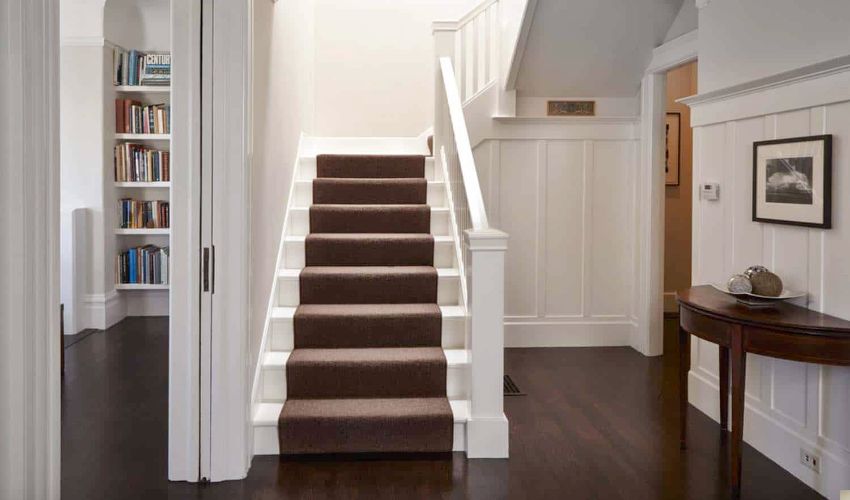
Stairs experience constant pressure and movement. The carpet must be strong enough to handle daily use without flattening or wearing out quickly. Materials like nylon and tightly woven low-pile carpets perform best in this regard.
Carpet Fiber
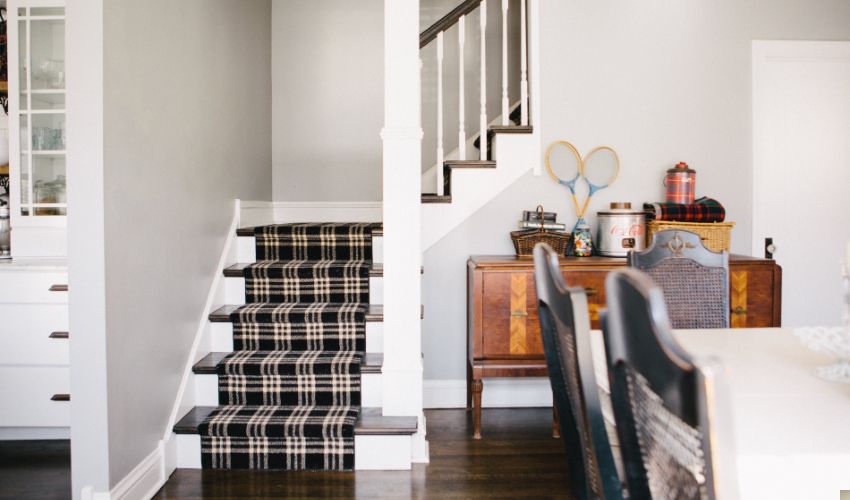
The type of fiber directly affects durability, comfort, and maintenance.
- Nylon offers the best durability
- Polyester provides softness and affordability
- Wool delivers a premium look with natural resilience
Choosing the right fiber ensures long-term performance.
Carpet Construction
Carpets are generally available in two constructions: cut pile and loop pile. Loop pile carpets are more durable and better suited for stairs because they resist crushing. Cut pile carpets are softer but may show wear more quickly. A dense and tightly constructed carpet is always the better option for stairs.
Thickness and Comfort
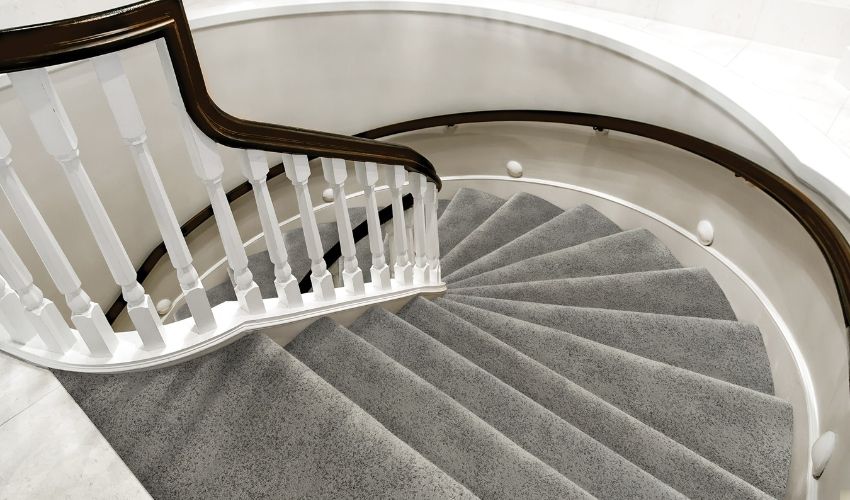
While comfort is important, overly thick carpets can be unsafe on stairs. They may create an uneven surface and increase the risk of tripping. A medium-thickness carpet with a firm feel provides the best balance between comfort and safety.
Budget Considerations
Budget plays a significant role in the final decision. High-end materials like wool cost more but offer premium quality. Synthetic options like nylon and polyester provide good performance at a more affordable price. The goal is to find a balance between cost, durability, and long-term value.
Common Mistakes to Avoid
Many homeowners focus only on appearance when selecting stair carpets. This often leads to poor choices.
- Choosing a high-pile or overly soft carpet can reduce stability and increase the risk of slipping. Ignoring durability can result in faster wear and higher replacement costs.
- Another common mistake is selecting the wrong installation style. For high-traffic homes, partial coverage may not provide enough protection.
- Avoiding these mistakes ensures better performance and longer lifespan.
Conclusion
The best carpet for stairs is one that combines durability, safety, and visual appeal. Stairs require materials that can handle heavy use while providing a stable and comfortable surface. Nylon and low-pile carpets are among the most reliable options for long-term performance. Polyester and olefin can work for lighter use, while wool offers a premium finish for those willing to invest more.
Beyond material, factors like construction, thickness, and installation style also play a crucial role. Making the right choice ensures that your stairs remain safe, durable, and visually appealing for years to come.