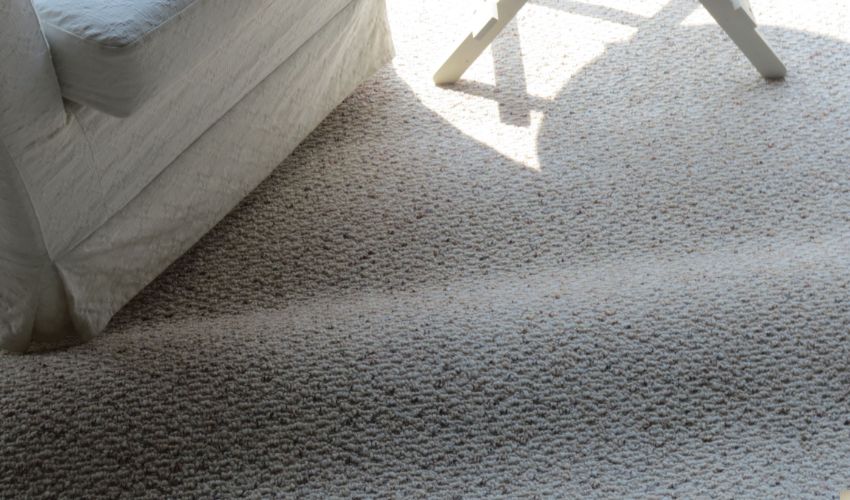
Carpet buckling can ruin the look of a clean and well-kept room. Those ripples and waves are hard to ignore. They also make your flooring feel uneven and, in some cases, unsafe to walk on.
Many people notice this issue after steam cleaning. Others see it appear slowly over time. Either way, buckling is not random. It happens for specific reasons, and most of them are fixable. The good part is that you usually don’t need to replace your carpet. Once you understand the cause, you can fix the problem and prevent it from coming back.
What Carpet Buckling Actually Means
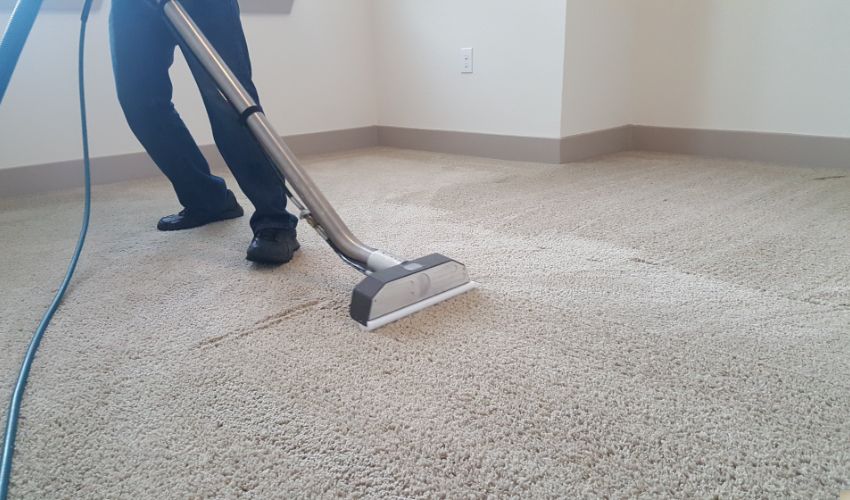
Carpet buckling happens when the material loses its tight stretch. A properly installed carpet is pulled firmly across the floor and secured along the edges. This tension keeps the surface smooth. When that tension is disturbed, the carpet begins to loosen. The extra material has nowhere to go, so it forms ripples or wrinkles. These can appear in one area or spread across the room.
In simple terms, buckling is a sign that your carpet has shifted, expanded, or lost its grip. It happens due to some reasons. Have a look at some of the notable reasons below:
1. Excess Moisture After Cleaning
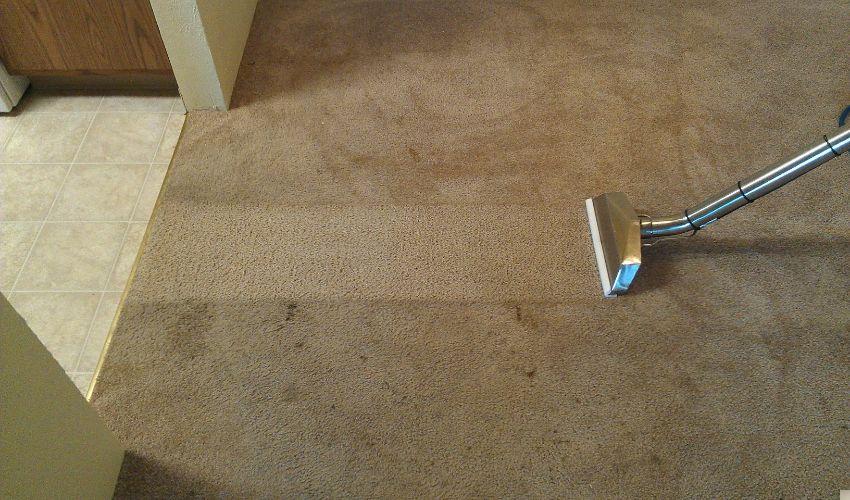
Moisture is one of the most common causes of buckling. This often happens after steam cleaning or deep washing. When too much water gets into the carpet, the fibers and backing absorb it and expand. This expansion creates visible waves on the surface. In many cases, the carpet will return to normal once it dries. However, this only works if drying is quick and even.
If moisture remains trapped for too long, the carpet may not fully shrink back. That’s when the buckling becomes permanent. To avoid this, make sure the carpet dries properly. Use fans, open windows, or turn on air conditioning. Also, avoid walking on the carpet while it is still damp.
2. High Indoor Humidity
Humidity works more slowly but more persistently. When the air inside your home has high moisture levels, the carpet absorbs it over time.
This constant exposure causes slight expansion again and again. Eventually, the carpet loses its tight structure. Unlike water from cleaning, this type of buckling does not fix itself easily. The solution is to control indoor humidity. A balanced environment helps the carpet stay stable. Without it, the problem will keep coming back.
3. Dragging Heavy Furniture
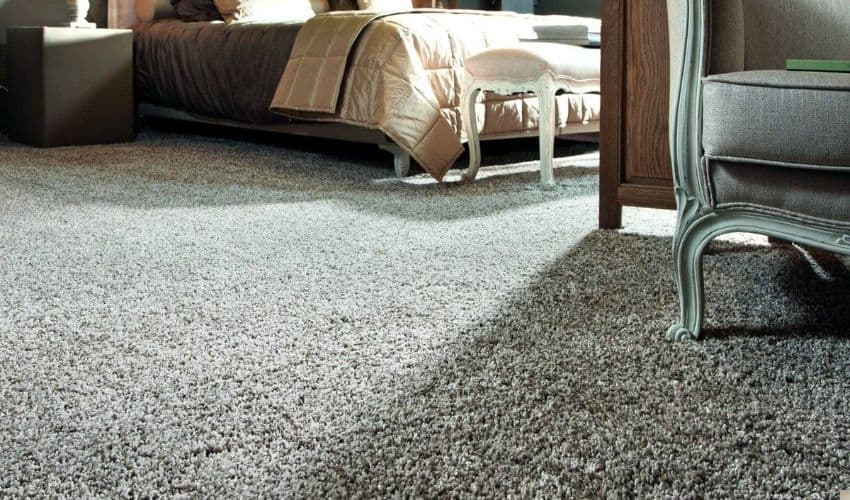
Dragging furniture across the carpet can stretch it out of place. This weakens the tension that was created during installation. Even one heavy movement can create ripples. Repeating this over time makes the problem worse.
If the damage is minor, re-stretching can fix it. But if the carpet has been pulled too much, the change may be permanent. To prevent this, always lift furniture rather than drag it. This simple habit can protect your carpet for years.
4. Poor Carpet Installation
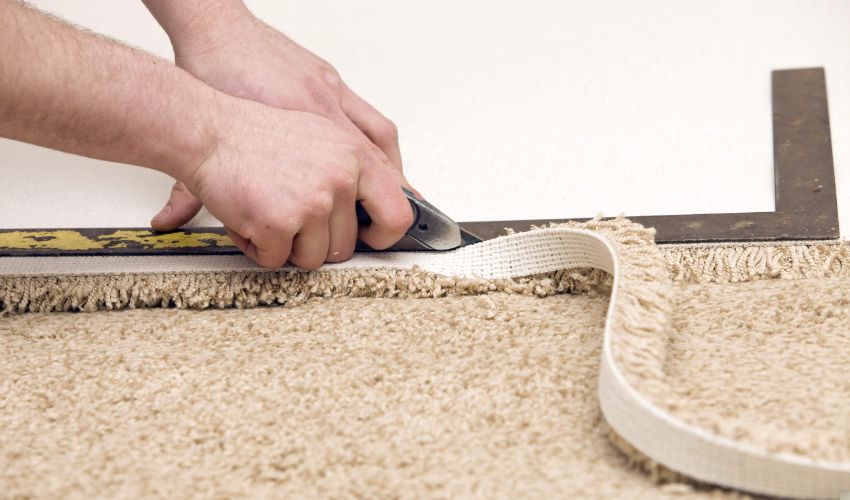
Installation quality has a big impact on how your carpet performs. If the carpet was not stretched properly at the start, it will loosen over time. This type of buckling often appears without any clear reason. In reality, the issue was already there from day one.
Fixing this requires re-stretching the carpet using proper tools. Once done correctly, the carpet becomes smooth and stable again.
5. Loose or Damaged Tack Strips
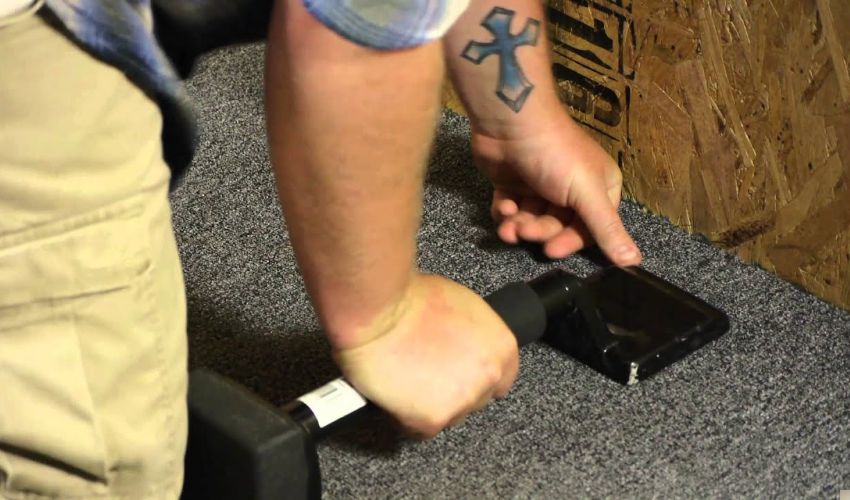
Tack strips hold the carpet firmly along the edges. When the carpet becomes loose or damaged, it loses support. This creates slack across the surface. Over time, that slack turns into wrinkles. This problem is common in older carpets. It can also happen if the floor underneath has weakened.
The fix involves repairing or replacing the tack strips. After that, the carpet needs to be stretched again to restore tension.
6. Incorrect Carpet Padding
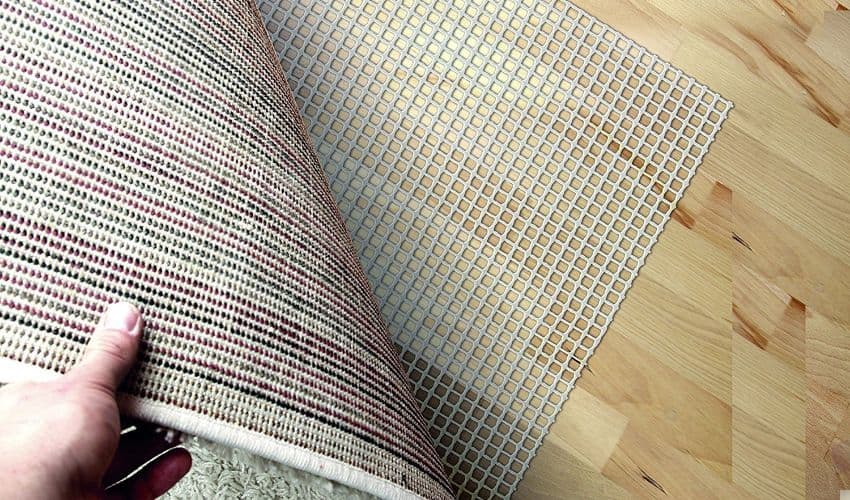
Padding sits beneath the carpet and affects both comfort and stability. If it is too thick or too soft, the carpet can move more than it should.
This extra movement makes it easier for wrinkles to form. While soft padding feels comfortable, it can reduce long-term performance. The key is to use padding that matches your carpet type. Proper support keeps the surface smooth and stable.
7. Natural Wear Over Time
Carpets do not stay the same forever. Daily use slowly weakens the fibers and backing. As the material ages, it loses its ability to hold tension. This makes buckling more likely, even without other causes. In such cases, the issue builds up over time.
Re-stretching can improve the appearance for a while. However, if the carpet is too worn, replacement may be the better option.
8. Manufacturing Defects
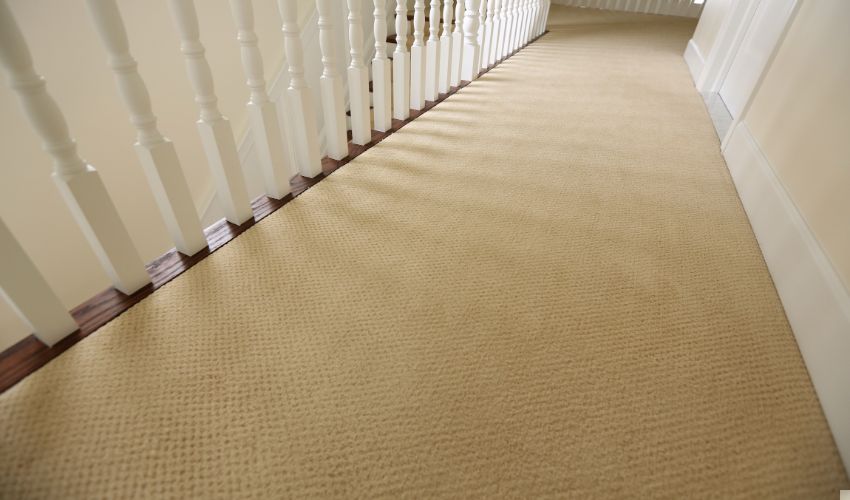
Sometimes the problem is not caused by use or environment. It starts during the manufacturing process. One common issue is the backing layers separating.
This weakens the carpet’s structure. As a result, the surface becomes uneven and starts to buckle. This type of problem cannot be fixed with simple tools. The best option is to contact the supplier. If the carpet is under warranty, you may be able to get a replacement.
9. Improper Cleaning Methods
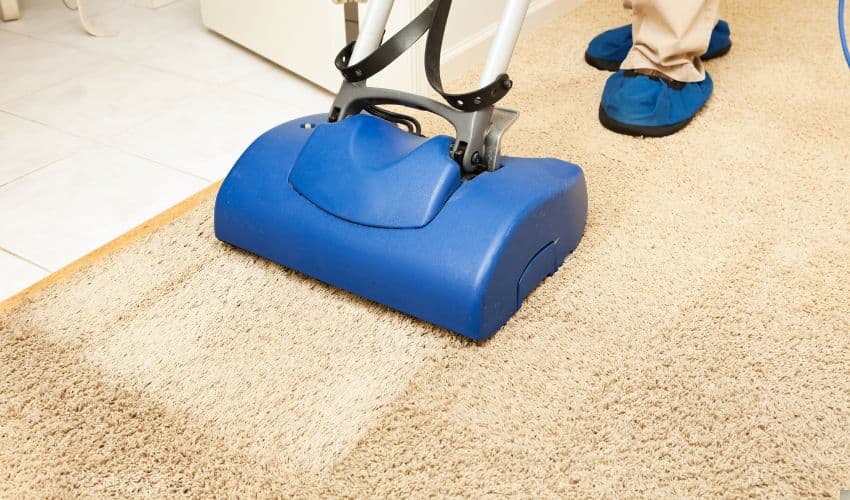
Cleaning your carpet the wrong way can cause hidden damage. Using too much water or harsh chemicals can weaken the backing.
The effects may not show immediately. But over time, the carpet becomes loose and starts to ripple. Using proper cleaning methods is important. Professional cleaning services often follow safer techniques that protect the carpet’s structure.
10. Temperature Changes
Temperature changes can also affect your carpet. Heat causes materials to expand, while cooler conditions make them contract. When this happens repeatedly, the carpet loses tension. This is more common in rooms with direct sunlight or poor insulation. Keeping the indoor temperature stable helps reduce this stress. It also supports your carpet’s long-term shape.
How to Fix Carpet Buckling?
Fixing carpet buckling is not a one-size-fits-all process. The right approach depends on what caused the issue and how severe the ripples are. Some problems resolve on their own, while others require tools or professional repair.
Before jumping into any method, always check whether the carpet is still damp or has been recently cleaned. In many cases, especially after steam cleaning, the buckling disappears once the carpet dries completely. If the ripples remain, you’ll need a more direct fix.
Start With Drying (If Moisture Is the Cause)
If your carpet started buckling after cleaning, avoid rushing into repairs. Moisture causes temporary expansion, and acting too soon can make things worse.
Focus on speeding up the drying process instead. Open windows to improve airflow, turn on fans, or use air conditioning to remove excess humidity. The goal is to dry the carpet evenly and as quickly as possible.
Once the carpet is fully dry, check the surface again. If the ripples are gone, no further action is needed. If they remain, it means the carpet has lost tension and needs adjustment.
Fix Small Buckles With a Knee Kicker
For minor wrinkles, especially those near walls or in small sections, a knee kicker is often enough. This tool is designed to push the carpet forward and tighten it slightly without lifting the entire floor.
- Place the knee kicker a few inches away from the wall
- Use controlled pressure with your knee to push the carpet forward
- Work in small sections until the wrinkle disappears
This method is effective for light buckling but requires care. Too much force can damage the carpet or shift it unevenly. It works best when the rest of the carpet is still in good condition.
Use a Power Stretcher for Large Areas
When buckling spreads across a larger section of the room, a knee kicker won’t be enough. In this case, a power stretcher is the most reliable solution. It stretches the carpet evenly from one wall to the other and restores proper tension.
The process involves anchoring the tool against one wall and extending it across the room to pull the carpet tight. This removes ripples and smooths the entire surface.
Although the tool is more advanced, it is not overly complex to use. However, it does require space, time, and careful handling. Many homeowners prefer to rent the tool or hire a professional for better results.
Check and Repair Tack Strips
If the carpet keeps loosening even after stretching, the issue may lie at the edges. Tack strips hold the carpet in place, and if they are damaged or loose, the carpet will not stay tight.
Signs of tack strip problems include:
- Carpet edges are lifting easily
- Repeated buckling after fixing
- Uneven tension near the walls
In this case, the solution is to secure or replace the tack strips before re-stretching the carpet. Without a strong anchor, any fix will be temporary.
Inspect the Padding Underneath
Padding plays a key role in how stable your carpet feels. If it is too soft, too thick, or worn out, it can cause movement beneath the carpet. This movement leads to wrinkles over time.
If buckling persists despite stretching, it may be worth checking the padding. Replacing it with a more suitable option can improve both comfort and stability.
This step is more involved, as it requires lifting the carpet. It is usually done during major repairs or reinstallation.
When to Call a Professional
Some carpet issues go beyond simple fixes. If the buckling is caused by poor installation, damaged backing, or structural problems, professional help is the better option.
You should consider calling an expert if:
- Buckling covers a large area
- The carpet keeps loosening after fixing
- There are signs of damage underneath
- You are unsure about using stretching tools
Professionals use specialized equipment and can identify hidden issues that are easy to miss. While it may cost more upfront, it often saves money in the long run by preventing repeated repairs.
Final Thoughts
Carpet buckling may look like a serious problem, but it is usually manageable. The key is to understand what caused it in the first place. Moisture, poor installation, and daily wear are the most common reasons. Once identified, the solution becomes much clearer.
Instead of rushing to replace your carpet, focus on fixing the root issue. With the right approach, you can restore its smooth look and extend its life.