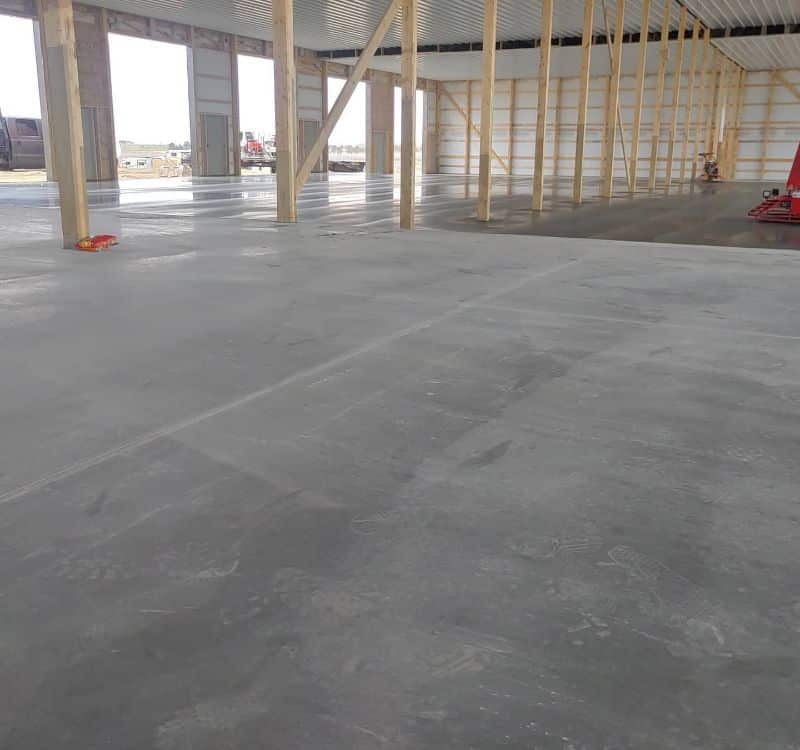
Getting a flat concrete surface sounds simple until you actually start working on it. Many DIY users and even small contractors pour the concrete correctly, but the final slab still ends up with waves, dips, rough patches, or uneven thickness. The reason is usually poor screeding.
Screeding is one of the most important parts of concrete finishing. It is the stage where fresh concrete is levelled, excess material is removed, and the surface is brought to the required height before final floating and finishing begin. If this step is rushed, the floor will never look truly smooth no matter how much finishing is done later.
The good news is that screeding does not always need expensive commercial machinery. There are several easy and effective ways to screed concrete depending on your slab size, concrete thickness, labor availability, and required finishing quality.
Why Proper Concrete Screeding Matters More Than People Think
Many people assume screeding is only done to make concrete look flat. In reality, it affects much more than appearance.
A properly screeded slab gives:
- even floor thickness,
- stronger load distribution,
- fewer finishing cracks,
- easier tile or flooring solution,
- better water drainage,
- and lower repair costs later.
If the screeding stage is poor, high and low spots remain trapped in the slab. This causes problems during curing, floor coating, epoxy work, or tile installation. That is why professional contractors pay serious attention to this step.
Essential Tools Needed For Easy Concrete Screeding
You do not always need heavy machinery, but a few correct tools make the job far easier. The most useful screeding tools include:
- straightedge screed board,
- bull float,
- concrete rake,
- measuring tape,
- spirit level,
- power screed machine,
- vibrating screed,
- screed rails,
- finishing trowel,
- safety gloves and boots.
Tool quality matters because inaccurate tools always create inaccurate surfaces.
10 Easy And Effective Ways To Screed Concrete
Now, let us look at the most useful screeding methods being used in residential and commercial projects today.
1. Use The Traditional Hand Screed For Small Areas

For patios, pathways, wash areas, or small room slabs, the hand screed method still works well.
This is the oldest and simplest approach. A straight wooden or aluminum screed board is dragged across the wet concrete while resting on side formwork or level guides. As the board moves, it cuts off the extra concrete and fills low spots.
This method is best when:
- The slab is small,
- Labor is available,
- Precision demand is moderate.
The key is slow zigzag pulling instead of one fast drag. This gives a smoother level.
2. Install Guide Rails Before Pouring Concrete

One of the smartest modern improvements in screeding is using guide rails or screed pipes. Before pouring, contractors fix metal pipes, timber strips, or screed bars at the required finished height. These guides act like tracks for the screed board.
Once the concrete is poured between them, leveling becomes much easier because the screed board simply glides across a fixed reference. This reduces human error and helps beginners get a flatter slab.
3. Use A Magnesium Or Aluminum Straightedge Instead Of Wood
Many people still use ordinary wooden planks for screeding. The problem is that wood bends, absorbs moisture, and often creates slight surface inconsistencies.
Modern contractors now prefer lightweight magnesium or aluminum straightedges because they stay rigid and glide more cleanly over fresh concrete. They are easier to control and leave fewer drag marks. Even for home projects, this small tool upgrade improves the final floor noticeably.
4. Try Power Screeding For Faster Medium-Sized Slabs
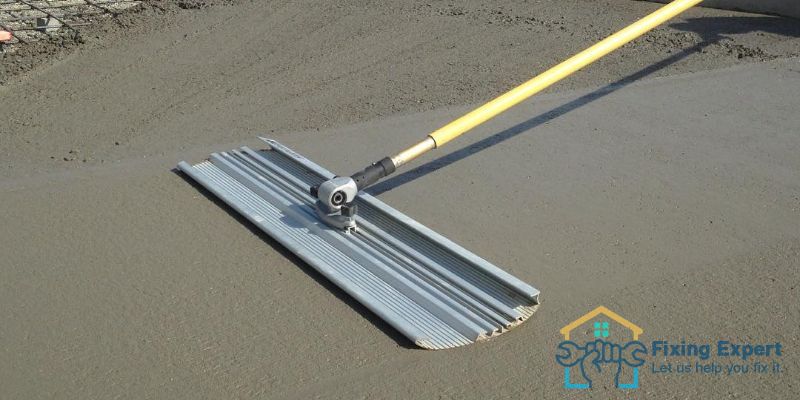
When the slab area becomes too large for comfortable manual screeding, power screeding becomes the next easy solution. A power screed uses a vibrating blade connected to a motor. The vibration helps settle aggregate particles while leveling the top layer.
Because of this:
- concrete compacts better,
- surface voids reduce,
- and labor fatigue becomes lower.
Power screeding is ideal for: driveways, garages, workshops, courtyards, and medium commercial spaces. It is much faster than hand screeding and gives a more consistent result.
5. Use Vibrating Screed Boards For Better Compaction
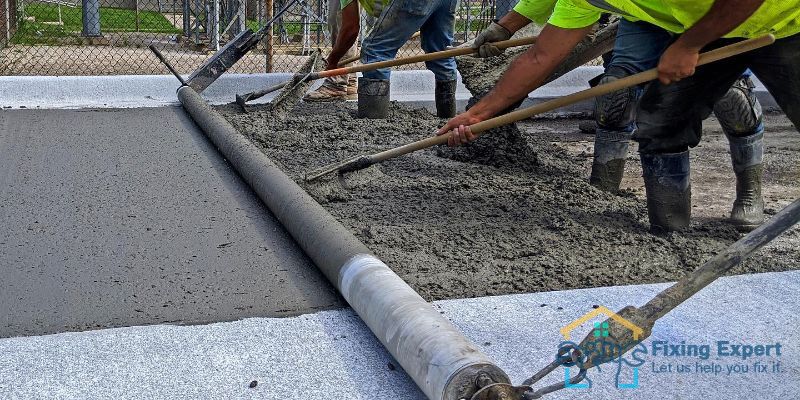
This is slightly different from regular power screeding. A vibrating screed board not only levels the slab but also removes trapped air pockets from the top layer. This helps the concrete become denser.
Denser concrete means:
- fewer weak spots,
- better surface strength,
- smoother finishing after floating.
This method is now widely used where durability matters more than just basic flatness.
6. Divide Large Slabs Into Smaller Working Bays
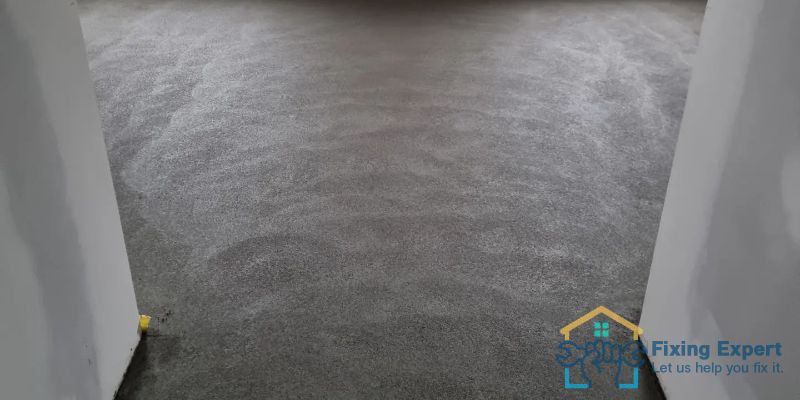
This is one of the most valuable contractor tricks, yet many DIY articles ignore it. Instead of pouring a huge slab and trying to screed everything at once, divide the surface into smaller screeding bays using temporary guides. Each bay can then be poured, leveled, and checked separately.
This gives three benefits:
- The concrete stays workable longer, the labor stays organized, and the final slab becomes more accurate.
- Trying to screed a large slab in one rushed session usually causes level variations.
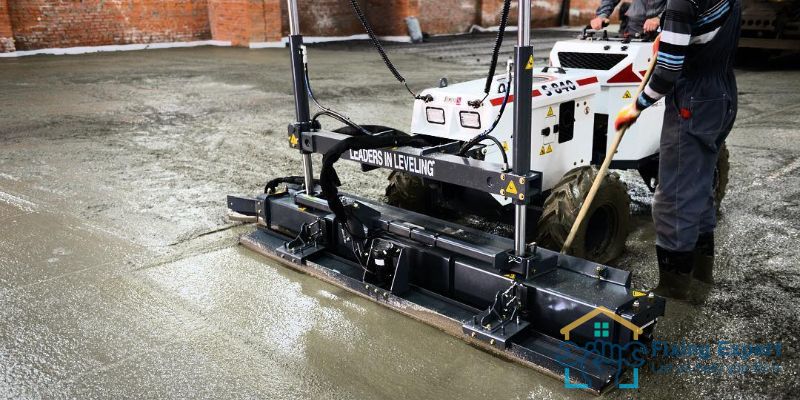
7. Use Laser Screeding For Commercial Precision
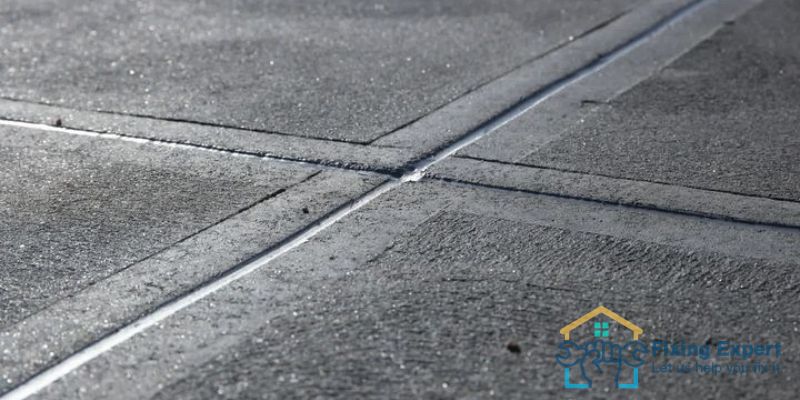
For warehouses, malls, industrial halls, and high-load commercial floors, laser screeding is now the gold standard. Laser screed machines use laser receivers to maintain the exact floor level throughout the slab.
This creates:
- near-perfect flatness,
- exact thickness control,
- and high production speed.
8. Keep The Concrete Mix Consistency Correct
Many screeding problems are not caused by the screed tool. They start with the wrong concrete mix. If the mix is too dry, the screed drags and tears the surface. If the mix is too wet, aggregate sinks and water bleeding increases.
For easy screeding, the concrete should have a workable but stable consistency. It should spread under pressure without becoming soupy. A balanced mix makes leveling much easier and reduces repeated corrections.
9. Check Surface Level Continuously During Screeding
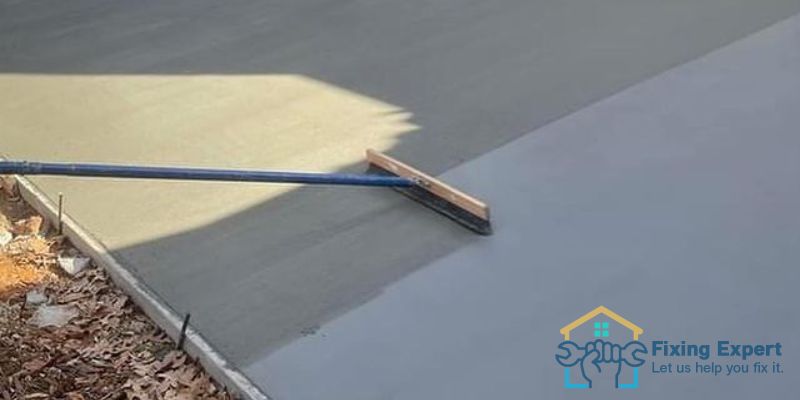
A common beginner mistake is to screed the entire slab first and check the level later. Professionals do the opposite. They continuously check the slab with:
- long spirit levels,
- straightedges,
- or laser level markers.
This helps catch low spots immediately while the concrete is still wet enough to correct. Small adjustments during screeding save major grinding and patch repair later.
10. Finish With Bull Floating Right After Screeding
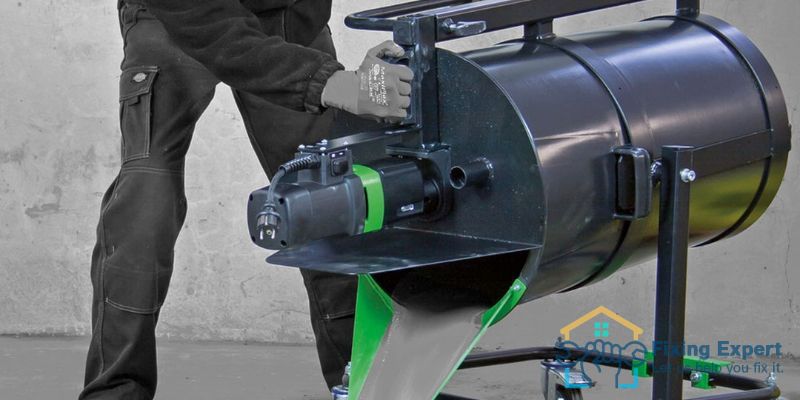
Screeding alone does not complete the leveling process. After screeding, a bull float should be used across the slab to smooth ridges, push down coarse aggregate, and bring cream to the top.
This creates a much cleaner finishing base for later troweling. Many rough concrete floors happen because workers stop after screeding and skip proper floating. For a professional slab, screeding and floating must work together.
Common Concrete Screeding Mistakes To Avoid
Even a good method can fail if basic errors are ignored. The most common mistakes include:
- using weak formwork, pouring too much concrete in one section, screeding too slowly, working under direct heat without planning, and using the wrong moisture mix.
- Another big mistake is not assigning enough labor. Fresh concrete waits for no one. If the crew is too small, some sections begin setting before screeding is complete.
- Timing is everything in this process.
Pro Tips For A Smoother Screed Finis In 2026
Modern contractors now focus on efficiency as much as flatness.
A few practical tips make a huge difference:
- Always dampen the base before pouring if conditions are too hot.
Keep one worker dedicated only to checking levels.
Do not overwork the slab once bleeding water appears.
Use edge tools early near walls and corners.
Plan the pouring direction before mixing begins.
These small site decisions often decide whether the slab looks average or professionally finished.
Final Thoughts
Finding an easy way to screed concrete is less about one magical tool and more about using the right method for the right slab. Small home slabs may only need a straightedge and guide rails. Fixing Expert medium surfaces work better with power or vibrating screeds. Large commercial floors benefit from laser precision.
What truly matters is level control, timing, concrete consistency, and proper finishing after screeding. When these factors come together, the concrete surface becomes smoother, stronger, and far easier to maintain in the long run.