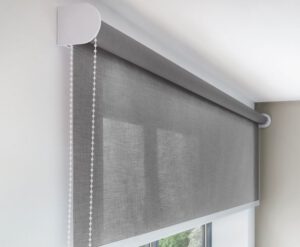
Curtains are meant to provide privacy, control light, and enhance the overall appearance of a room. However, when they don’t stay in place, they quickly become more of a problem than a solution. Loose or shifting curtains can expose your interior, allow excessive light in, and make your space feel incomplete.
If you’re dealing with curtains that won’t stay aligned, especially near windows, glass doors, or air vents, magnetic tape offers a simple and effective fix. It is one of the most practical, renter-friendly solutions available today, requiring minimal tools and effort.
Why Magnetic Tape Is a Smart Curtain Solution Today
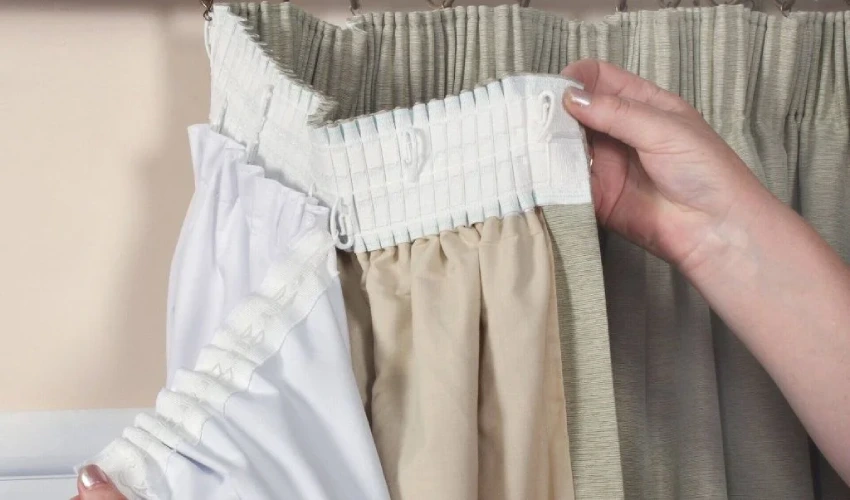
Modern interior trends are moving toward solutions that are both functional and non-invasive. People want cleaner finishes without drilling walls or installing bulky hardware.
Magnetic tape fits perfectly into this shift because it:
- Keeps curtains neatly aligned against window frames
- Prevents movement caused by wind or airflow
- Improves privacy and light control
- Eliminates the need for permanent fixtures
Unlike traditional tiebacks or hooks, magnetic tape works silently in the background. It holds the curtain in place without changing its visible design.
Tools and Materials You’ll Need
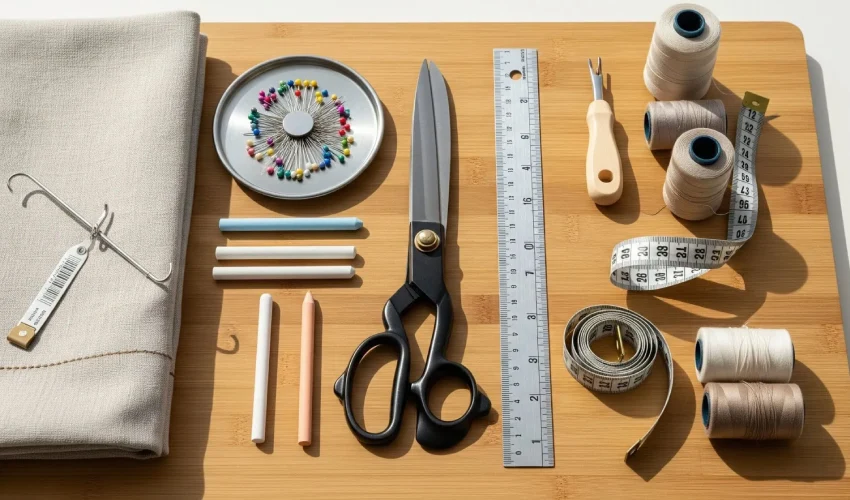
Before starting, gather everything you need so the process remains smooth and uninterrupted.
You will require magnetic tape, a measuring tape, scissors, fabric glue (optional for extra strength), a ruler, a pencil for marking, and a surface cleaner. A flat workspace is equally important to ensure accurate placement.
Using the right materials from the beginning reduces errors and helps achieve a more professional finish.
Step-by-Step Guide to Putting Magnetic Tape on Curtains
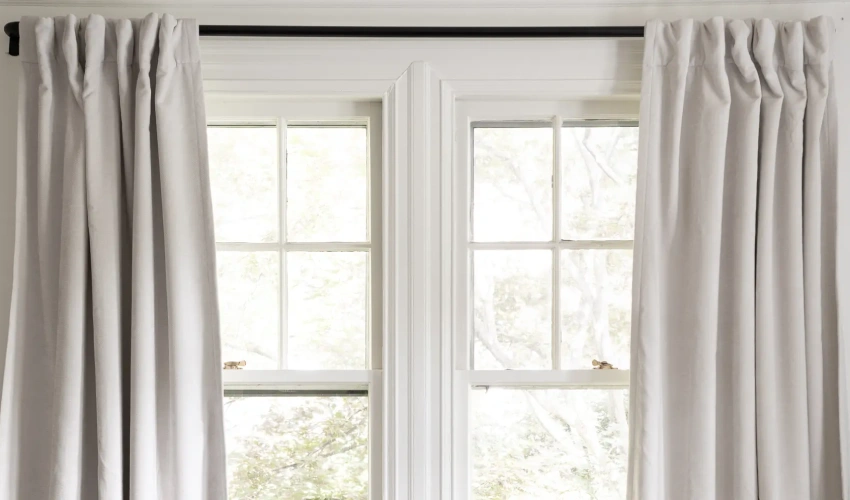
Applying magnetic tape is straightforward, but accuracy matters. Small mistakes in alignment or measurement can affect how well the window curtains stay in place.
Step 1: Prepare the Curtain Panel
Start by removing the curtain from the rod or track. Lay it flat on a clean surface with the backside facing upward. This is important because the magnetic tape should be applied to the side that faces the window.
Make sure the fabric is smooth and wrinkle-free. Any folds or uneven surfaces can lead to incorrect placement.
Step 2: Measure and Plan the Placement
Measure the width of your curtain carefully. Instead of relying on a single measurement, take two or three readings and use the average. This reduces the risk of uneven alignment.
Next, decide where the magnetic strips should go. These are usually placed along the vertical edges or at intervals where the curtain naturally folds.
Mark these positions lightly with a pencil. Keep the spacing consistent so the curtain maintains a balanced appearance once installed.
Step 3: Cut the Magnetic Tape
Cut the magnetic tape into equal-sized pieces based on your markings. It’s better to cut all the pieces at once before starting the attachment process. This keeps your workflow consistent and avoids interruptions.
Ensure that each piece is cleanly cut, as uneven edges can affect how well the tape adheres to the fabric.
Step 4: Attach the Magnetic Tape to the Curtain
Now comes the most important part. Apply the magnetic strips along the marked areas on the curtain.
If your tape comes with adhesive backing, peel and press it firmly onto the fabric. For heavier curtains, adding a small amount of fabric glue can improve durability.
Work from one side of the curtain to the other, pressing each strip evenly. Check alignment as you go to avoid placing strips too high or too low. Allow the adhesive to settle properly before moving to the next step.
Step 5: Fix the Curtain Against the Window Surface
Once the tape is attached, rehang the curtain on the rod or track. Then align it with the window frame or wall where the magnetic connection will occur.
Press the curtain gently so the magnetic strips connect with the surface or corresponding magnets. Hold it in place for a few seconds to ensure a firm grip. After this step, your curtain should stay neatly in position without shifting.
How Magnetic Tape Improves Curtain Functionality
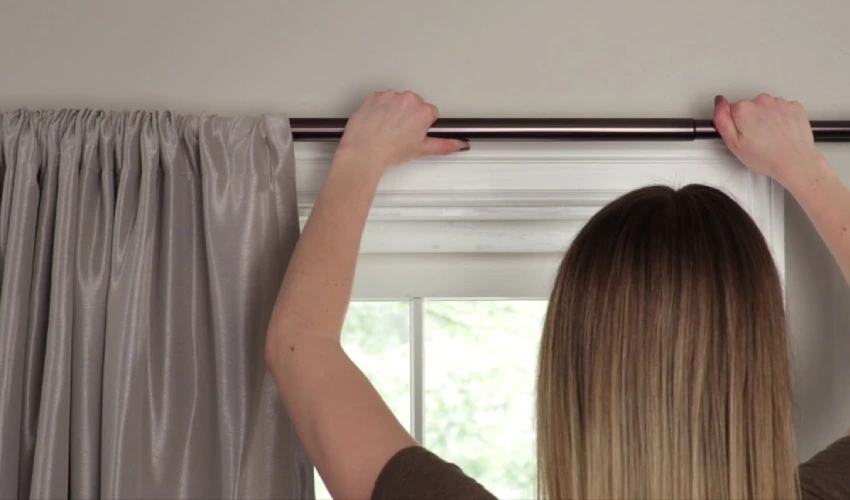
Curtains often move due to airflow, especially near open windows or air conditioning vents. This not only affects privacy but also reduces insulation efficiency.
Magnetic tape helps by anchoring the curtain edges. This creates a more sealed environment, which can:
- Improve indoor temperature control
- Reduce light leakage
- Maintain a tidy, structured appearance
Instead of constantly adjusting your curtains, the magnetic system keeps everything in place automatically.
Understanding Magnetic Tape: What Makes It Work
Magnetic tapes are flexible strips made from materials such as ferrite or neodymium. One side typically contains a magnetic surface, while the other includes adhesive backing.
These tapes are widely used in modern interiors for lightweight applications because they are:
- Easy to install and remove
- Compatible with smooth surfaces like glass and metal
- Available in different strengths and sizes
Their versatility makes them useful not just for curtains, but also for décor elements, organizers, and temporary installations.
Choosing the Right Magnetic Tape for Curtains
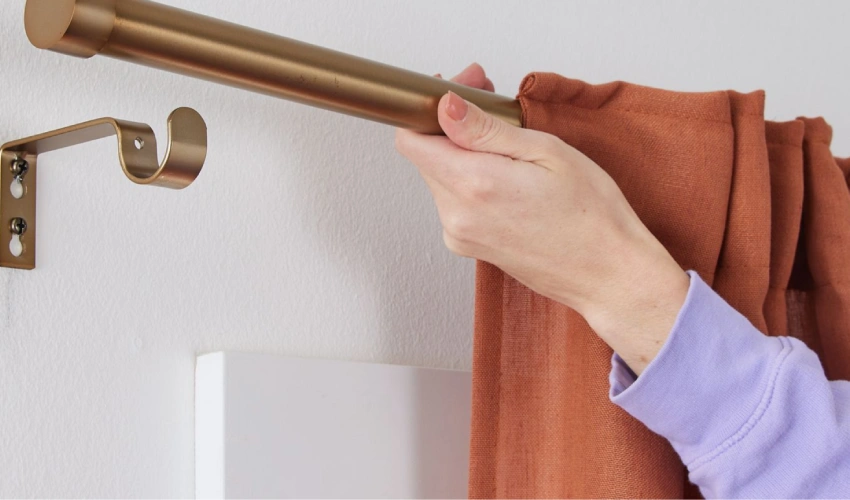
Not all magnetic tapes perform the same, and choosing the wrong type can lead to poor results.
Consider the Curtain Weight
Lightweight curtains can work with standard adhesive magnetic strips. However, heavier drapes require stronger magnets or additional support like fabric glue.
Adhesive vs Non-Adhesive Options
Adhesive-backed tapes are more convenient and quicker to install. Non-adhesive variants may require glue but can offer more flexibility in certain setups.
Surface Compatibility
Magnetic tape works best on metal surfaces. If your window frame is not metal, you may need a secondary magnetic strip or plate to create a connection. Selecting the right combination ensures the system works effectively without constant adjustments.
Important Tips for Long-Lasting Results
Once your magnetic tape is installed, a little maintenance goes a long way in preserving its effectiveness.
- Check the tape’s grip after a few days to ensure it is holding properly. If needed, reinforce it with adhesive.
- When cleaning curtains, remove the magnetic strips beforehand to prevent damage. Reattach them after washing using the same placement method.
- Avoid pulling the curtains forcefully, as this can weaken the adhesive over time. Gentle handling keeps the system intact.
- Applying magnetic tape on a clean and dry surface always delivers better results than attaching it to dusty or damp fabric.
Common Mistakes to Avoid
Many people assume magnetic tape will work instantly without proper preparation. That’s where most issues begin.
- Skipping measurements often leads to uneven placement. Applying tape on a dusty surface reduces adhesion. Using weak magnets for heavy curtains results in frequent slipping.
- Taking a few extra minutes to prepare properly prevents these problems and ensures a smoother outcome.
Final Thoughts
Magnetic tape is a practical and modern solution for keeping curtains in place without complicated installations. It combines simplicity with functionality, making it ideal for both homeowners and renters.
By following the correct steps and choosing the right materials, you can transform loose, shifting curtains into a neat and secure window treatment.
This method not only improves privacy and light control but also enhances the overall look of your space. With minimal effort, you get a cleaner, more organized interior that stays consistent throughout the day.
Fixing Expert continues to provide reliable solutions for everyday interior challenges, helping you create spaces that are both functional and visually appealing.