Removing price tags, decorative stickers, and the manufacturer’s label on upholstery may leave sticky residues. These stickers have the adhesive on their back, and when they are detached from the upholstery, some resides left behind. The sticky material attracts dirt, pet hair, body oils, and allergens, and causes stains over time.
Whether it is a sofa, chair, cushion, headboard, or fabric upholstery, removing sticker residue without damaging the material requires the right approach. Improper handling can discolor fabric, spread adhesive deeper into fibers, or even damage upholstery permanently. Here, we explain safe and proven ways to remove sticker residue from upholstery using household items and fabric-friendly techniques.
Why Sticker Residue Sticks to Upholstery
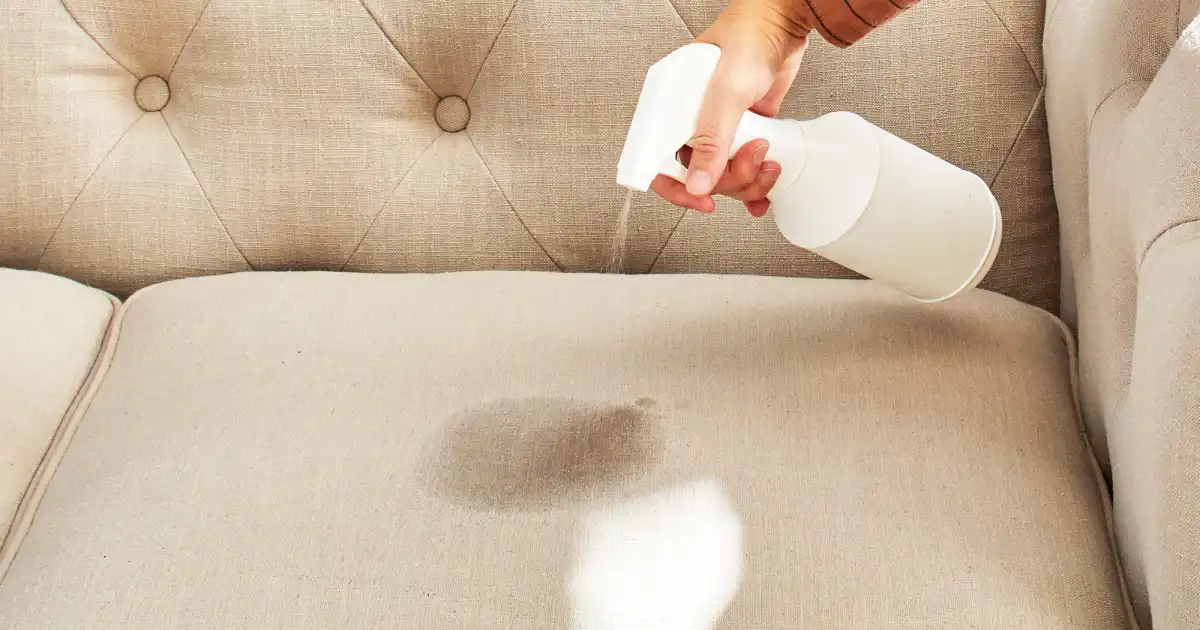
Sticker adhesive is designed to bond firmly with surfaces. Over time, heat, pressure, and dust can make it harder to remove. Fabric upholstery is especially challenging because adhesive can settle deep into fibers. Factors that make residue harder to remove include:
- Exposure to sunlight and heat
- Old or dried adhesives
- Delicate fabric materials
- High-pile or textured upholstery
- Strong industrial stickers
The earlier you treat the residue, the easier its removal becomes.
Before You Start: Important Upholstery Safety Tips
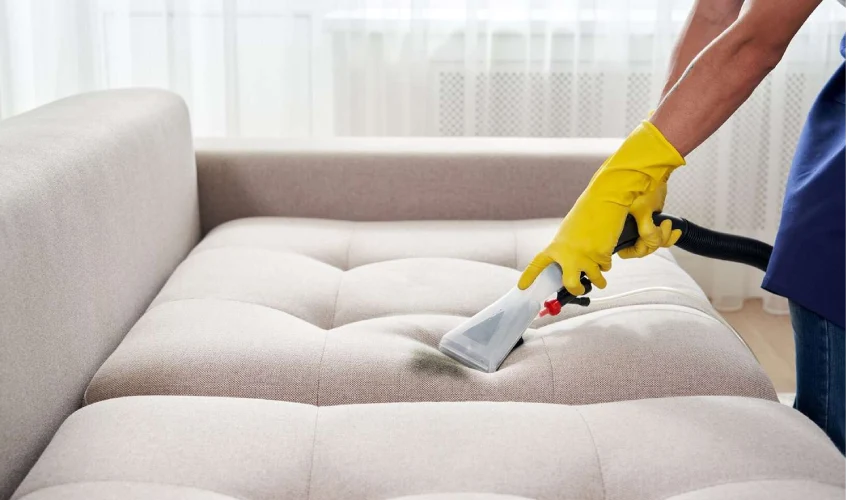
While removing sticky substance from upholstery, different fabrics respond differently. Some materials like silk, velvet, suede, and natural fibers require extra care. Before using any cleaning method, follow these precautions:
- Test every product on a hidden area first
- Identify your upholstery material
- Avoid soaking fabric with liquids
- Never scrub aggressively
- Use white cloths to avoid color transfer
- Read furniture care labels
Remove Excess Residue First
Before applying cleaners, remove as much sticky material as possible. You can use the following supplies for this purpose.
- Plastic scraper
- Credit card
- Soft rubber spatula
- Your fingers
- Rubber eraser
Gently lift and peel the residue. Avoid metal blades because they can damage fabric surfaces and upholstery texture.
Method 1: Use Packing Tape for Light Residue
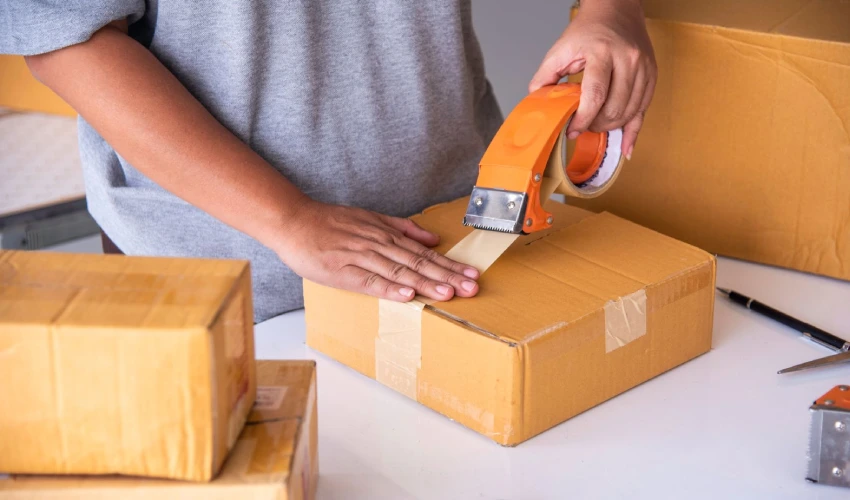
Packing tape works surprisingly well on fresh sticker residue. Wrap tape around your fingers with the sticky side outward. Press it onto the residue and lift repeatedly. Continue with fresh tape if needed.
The adhesive on the tape grabs loose particles without harming most upholstery materials. This method works best for:
- Fresh residue
- Small sticky patches
- Delicate fabrics
Method 2: Apply Warm Air Using a Hair Dryer
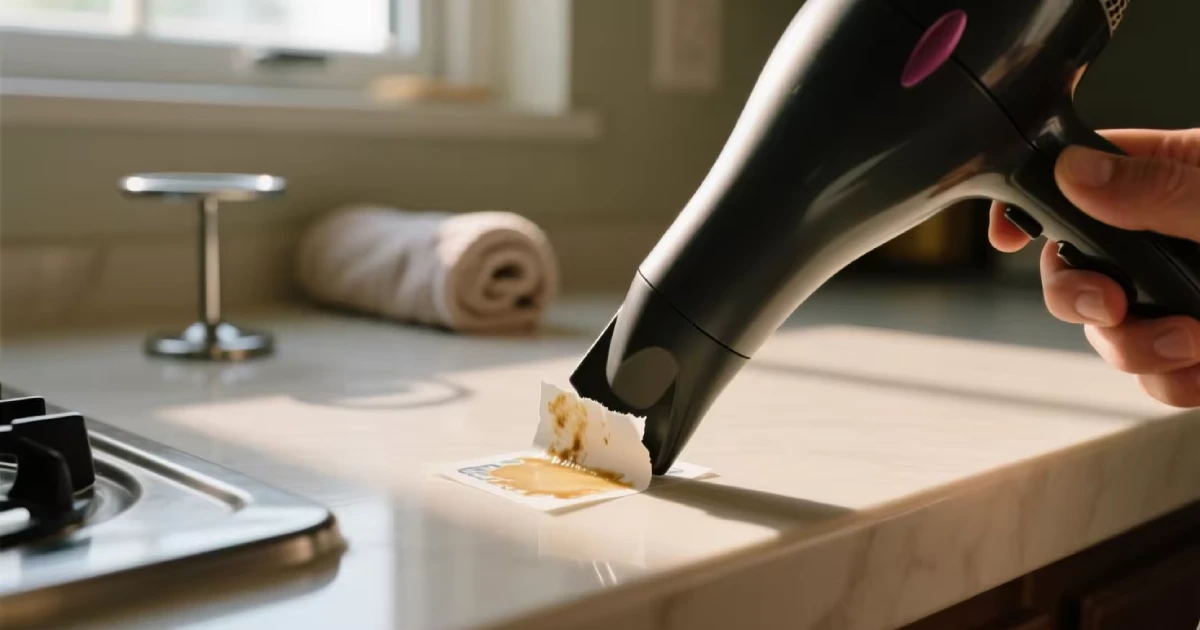
Heat softens the adhesive and makes removal easier. To do this process smoothly, follow these steps.
- Set the hair dryer to low or medium heat
- Hold it about 2–3 inches away
- Heat the area for 20–30 seconds
- Gently peel or scrape residue
Avoid overheating delicate fabrics. Do not use high heat on synthetic upholstery (polyster or nylon), leather, and plastic-coated surfaces.
Method 3: Dish Soap and Warm Water Solution
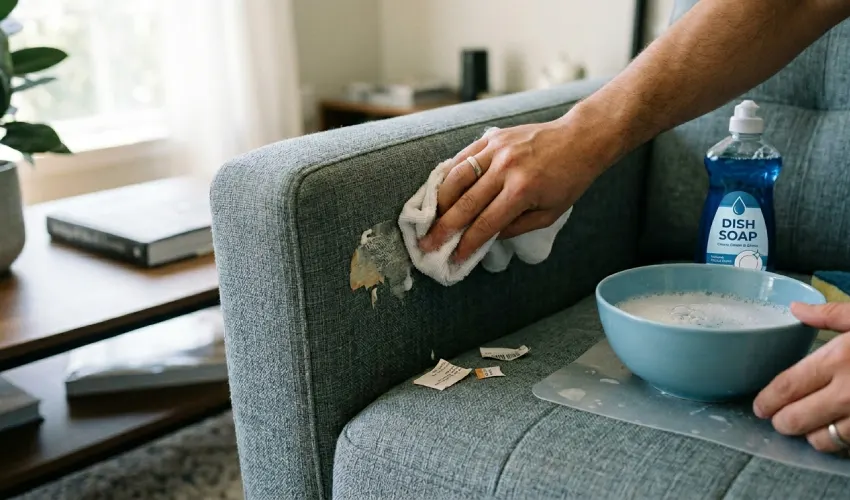
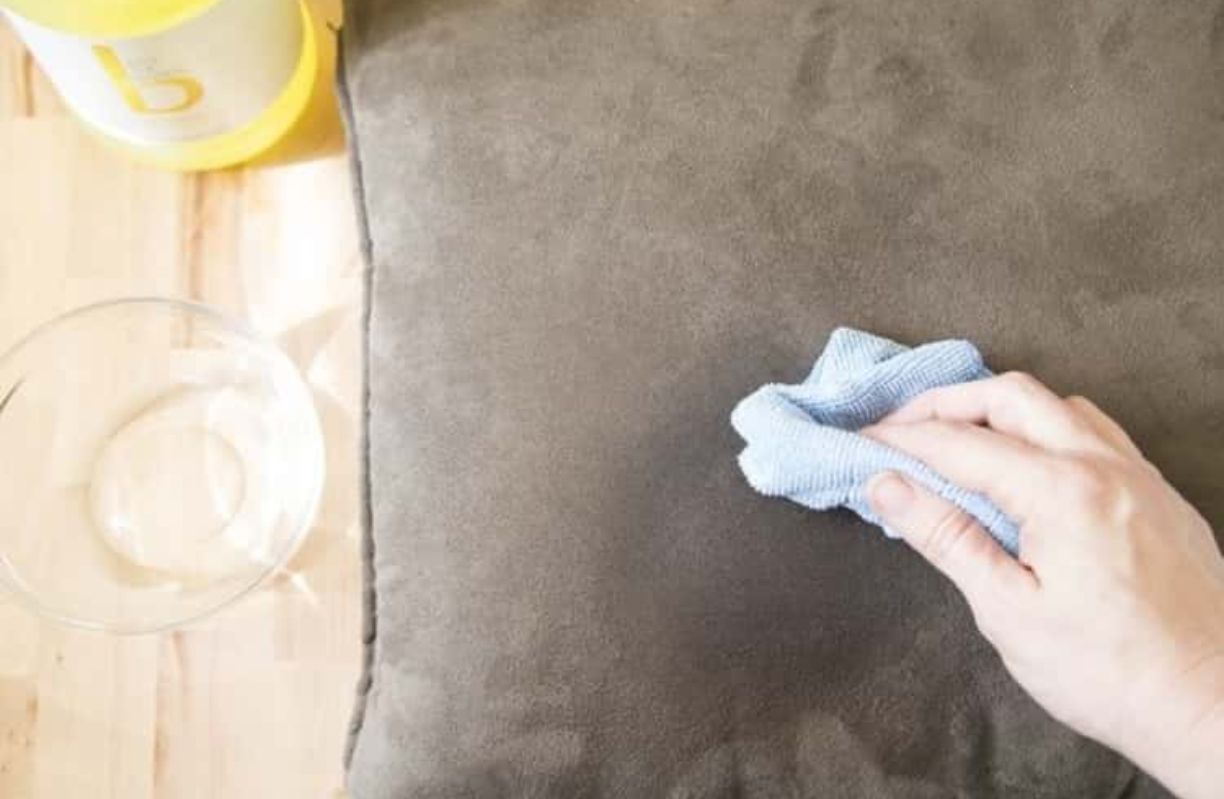
For mild adhesive stains, soapy water often works well. You need warm water, mild dish soap, and a soft microfiber cloth. Mix dish soap into warm water. Dip a cloth into the solution and gently blot the sticky area. Let the moisture soften the adhesive, and wipe clean with a dry towel. Avoid soaking Sofa Upholstery because excess water can lead to odor, mold, or water stains.
Method 4: White Vinegar for Stubborn Adhesive
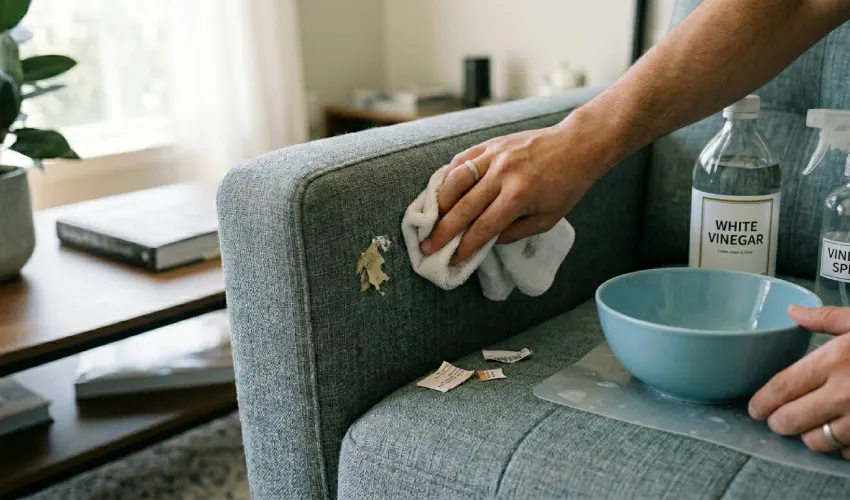
White vinegar helps break down sticky buildup naturally. Mix equal parts water and white vinegar. Lightly dampen a cloth and dab the residue carefully. Wait a few minutes and wipe gently. Vinegar can help dissolve adhesive, but it may not suit all materials.
Avoid vinegar on leather, stone surfaces, delicate fabrics, and certain dyed upholstery. Always patch-test first to avoid excessive damage.
Method 5: Use Cooking Oil Carefully
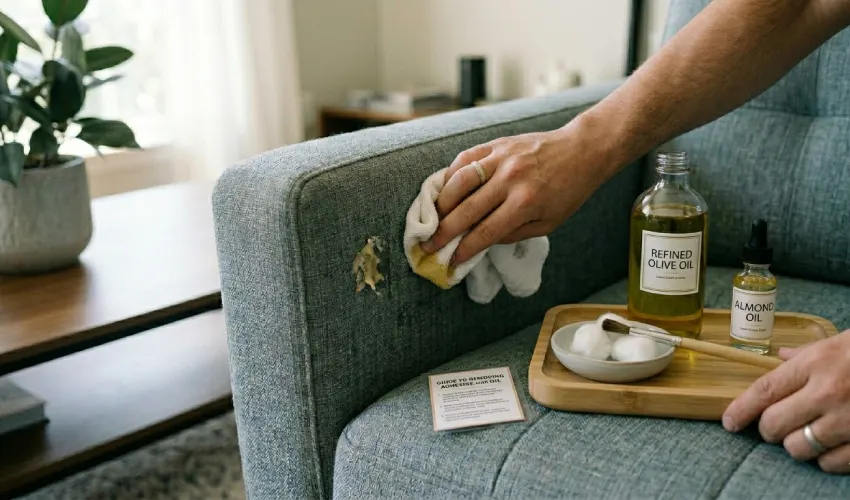
Oil-based solutions help loosen adhesive because they break down sticky compounds. You can use olive oil, coconut oil, and vegetable oil.
Steps to follow:
- Apply a small amount to a cloth
- Dab the sticky area gently
- Leave for 10–15 minutes
- Wipe with warm, soapy water
Oil works well on non-absorbent surfaces but can stain fabric if overused. Use only a small amount.
Method 6: Rubbing Alcohol for Tough Residue
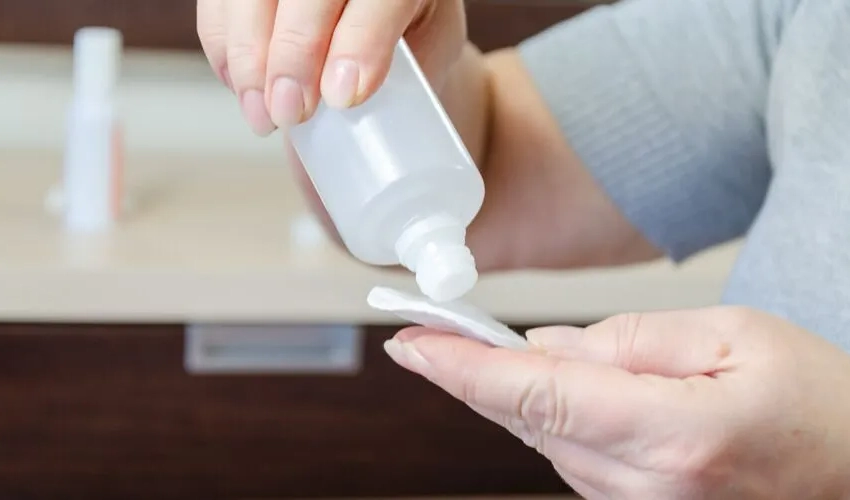
Rubbing alcohol can dissolve stronger adhesive buildup. Avoid excessive use because alcohol may fade some fabrics. The easy process involves these steps:
- Add a small amount to a cotton ball
- Test a hidden area first
- Dab the residue gently
- Let it sit briefly
- Blot with a clean cloth
Method 7: Use Commercial Adhesive Removers
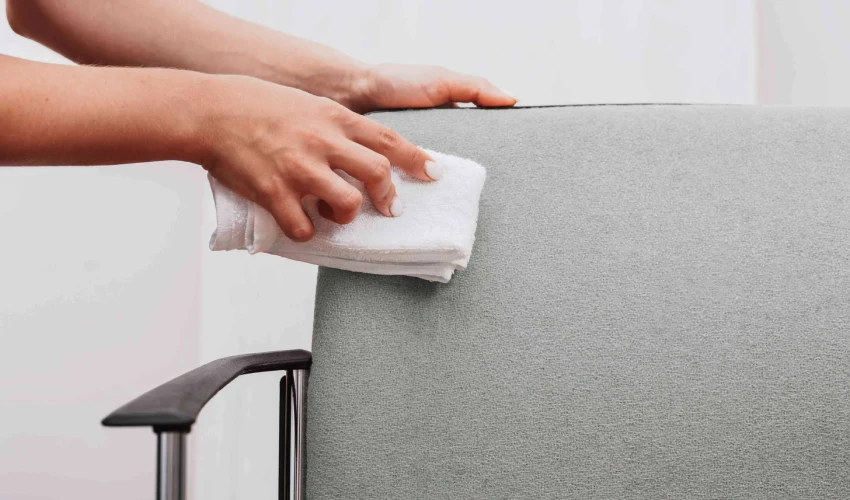
For difficult stains, adhesive removers may help. Before applying, follow the manufacturer’s instructions carefully. Commercial adhesive removers are recommended for:
- Old residue
- Industrial adhesive
- Strong labels
Always test first in the hidden portion of upholstery. Use minimal product and ensure room ventilation while doing so.
How to Remove Glue From Upholstery Using an Iron
Your iron can help remove the glue from upholstery. This technique is simple and can help with glue residue on fabric upholstery. Follow these steps to keep your upholstery from sticky resides.
- Set your iron to low heat
- Turn off steam mode
- Place paper towels over the glue stain
- Press the iron gently for 10–15 seconds
- Lift and check residue transfer
- Repeat if necessary
The heat softens the adhesive and transfers it onto the paper towel. Do not place the iron directly on the glue.
Upholstery Materials That Need Extra Care
Not all upholstery fabrics react the same way. Take extra caution with:
Velvet
Heat and moisture may damage the texture.
Silk
Sensitive to chemicals and staining.
Suede
Water can leave marks.
Leather
Requires specialized cleaners.
Linen
Can absorb oils quickly.
If you are unsure, consult professional upholstery cleaning experts.
Common Mistakes to Avoid
Many people accidentally make residue removal harder. Small mistakes can turn a simple cleaning job into permanent upholstery damage.
Avoid these mistakes:
- Using excessive water
- Scrubbing aggressively
- Applying harsh chemicals immediately
- Using sharp metal tools
- Skipping patch testing
- Applying too much heat
When Should You Call Professional Upholstery Cleaners?
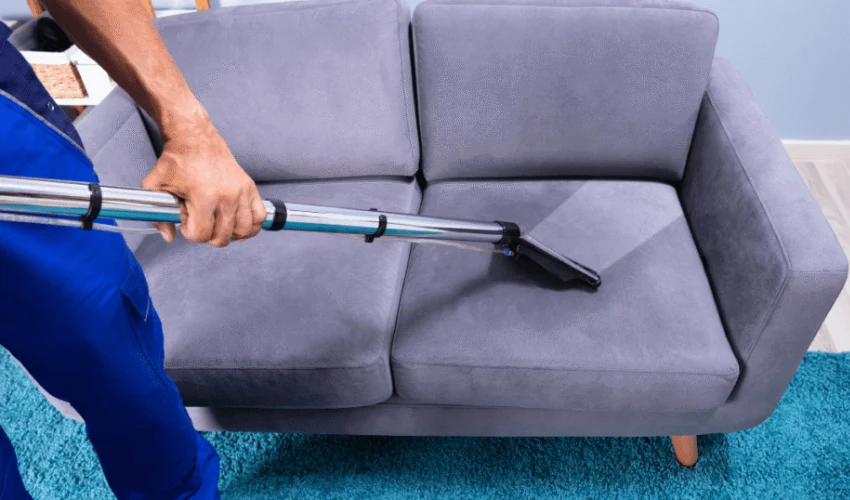
DIY methods work for many situations, but some cases need professional treatment. Consider expert help if:
- Residue covers a large area
- The fabric is delicate
- Stains remain after multiple attempts
- Upholstery is expensive
- The adhesive has deeply penetrated the fibers
Professional cleaners use fabric-safe products and advanced equipment to prevent damage.
Frequently Asked Questions
Can vinegar remove sticker residue from upholstery?
Yes, vinegar can break down adhesive residue, but always test it first because some fabrics react poorly.
Does rubbing alcohol damage upholstery?
Not always. However, certain fabrics and dyes can fade. Always perform a spot test.
Can I use WD-40 on upholstery?
WD-40 may remove adhesive, but it can leave oily stains on fabric. It is usually not recommended for upholstery.
What removes old sticker residue best?
Older residue often responds well to heat, rubbing alcohol, or professional adhesive removers.
Final Thoughts
Sticker residue on upholstery can be annoying, but removing it does not have to be difficult. Start with the least aggressive method and work gradually. Heat, mild soap, tape, or fabric-safe cleaners can often solve the problem without damaging your furniture.
Always test products before full application and avoid rushing the process. A little patience can protect your upholstery and restore its clean appearance. If stubborn adhesive still remains, professional upholstery cleaning services can safely handle the problem and help restore your furniture to its original condition.