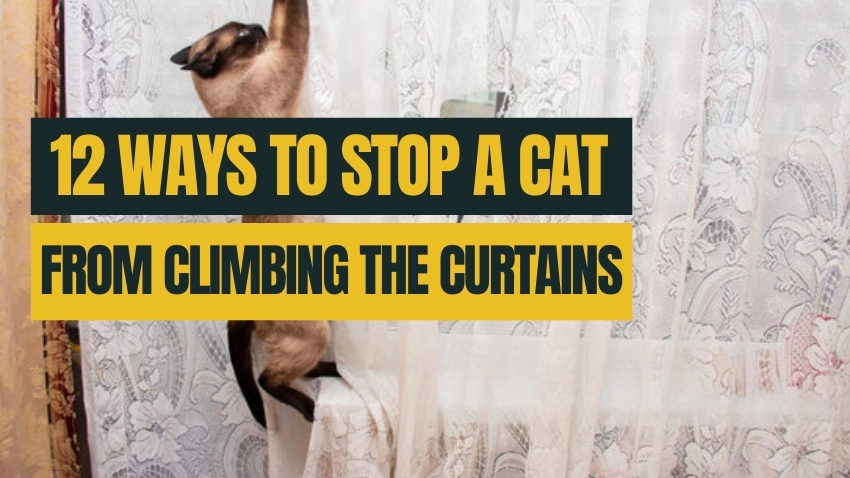
Cats are naturally curious, playful, and highly energetic animals. These traits make them lovable companions, but they can also lead to frustrating behavior inside the home. One of the most common issues cat owners deal with is curtain climbing.
What may seem like harmless fun for your cat can quickly turn into a problem. Curtains get scratched, pulled down, or completely damaged. In some cases, curtain rods loosen, fabrics tear, and the overall look of your interior is affected.
Instead of reacting with frustration, the more effective approach is to understand the behavior and manage it properly. There is no single fix that works instantly. However, a combination of simple strategies can significantly reduce or completely stop curtain climbing.
Why Do Cats Climb Curtains?
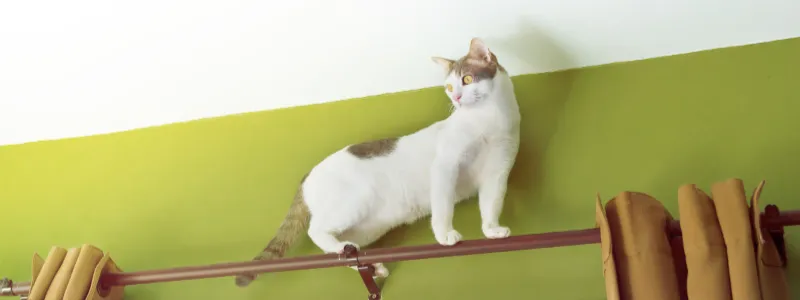
Before applying any solution, it is important to understand the root cause. Cats often climb curtains out of boredom, curiosity, or the need for stimulation. If they do not have enough physical or mental engagement, they look for alternatives. Curtains become an easy target because they are accessible and interactive.
In some cases, the goal is not the curtain itself but the window. Cats love to observe the outside world. If they cannot reach the window easily, they may use curtains as a climbing tool.
There are also situations where sudden behavioral changes may indicate stress or even a medical issue. That is why it is important to look at the bigger picture rather than focusing on the curtains alone.
12 Effective Ways to Stop a Cat from Climbing Curtains
For the convenience of cat owners, we have listed the top 12 tips to stop cats from climbing curtains. Have a look at them carefully:
1. Use Curtain Tiebacks
One of the simplest solutions is to secure your curtains with tiebacks. Loose, flowing curtains are more tempting because they move easily and provide grip. When tied back, curtains become less accessible and less appealing. This small adjustment can reduce the opportunity for climbing, especially when you are not around to supervise.
2. Provide a Cat Tree or Climbing Tower

Cats have a natural urge to climb and observe from higher positions. Instead of trying to eliminate this instinct, it is more effective to redirect it. A cat tree or climbing tower gives your pet a safe and designated space to climb, jump, and explore. Placing it near a window makes it even more attractive, as it allows your cat to enjoy the outside view without using the curtains.
3. Use Citrus-Based Deterrent Sprays
Cats generally dislike citrus scents. This natural preference can be used to your advantage. Lightly spraying a citrus-based solution on the lower part of the curtains can discourage your cat from approaching them. The key is consistency. Reapply the spray for a few days until your cat starts avoiding the area on its own. Make sure to use pet-safe products to avoid any irritation.
4. Make the Window Easily Accessible
In many cases, the curtain is not the main attraction. The window is. If your cat is climbing curtains to reach the window, provide an easier route. Place a chair, shelf, or the Best curtain fixing service . Once your cat has a direct and safe way to access the view, the need to climb curtains often disappears.
5. Spend More Time Engaging with Your Cat
Lack of attention can lead to destructive behavior. Cats need regular interaction, playtime, and stimulation. Spending time with your cat daily helps reduce boredom. It also strengthens your bond and allows you to better understand your pet’s behavior patterns. Interactive play sessions using toys can release excess energy and reduce the likelihood of curtain climbing.
6. Keep Your Cat Mentally and Physically Stimulated
A bored cat will always find something to do, and it may not be what you want. Providing toys, tunnels, climbing shelves, and activity feeders can keep your cat engaged. These alternatives give your pet a productive outlet for its energy. When your cat is busy and stimulated, it is far less likely to target your curtains.
7. Consider Switching to Blinds
If curtain damage becomes unmanageable, it may be time to rethink your window treatment. Blinds are less appealing for climbing and do not provide the same grip as fabric curtains. While this may not be the most aesthetic solution for everyone, it is highly effective in eliminating the problem entirely.
8. Use Aluminum Foil or Double-Sided Tape
Cats are sensitive to certain textures. Aluminum foil and sticky surfaces are often unpleasant for them. Placing foil or double-sided tape at the bottom of the window curtains can make the area less inviting. This method works by creating discomfort rather than harm, which encourages your cat to stay away.
9. Install a Tension Rod Instead of a Fixed Rod
A traditional curtain rod can be pulled down if a cat climbs on it, causing additional damage. A tension rod, on the other hand, will give way more easily. If your cat attempts to climb, the sudden movement can discourage the behavior. However, this method should be used carefully to avoid accidents or injury.
10. Use Motion Detector Devices
Motion-activated deterrents can be highly effective. These devices detect movement and respond with a sound or a harmless burst of air. The unexpected response startles the cat without causing harm. After a few repetitions, your cat begins to associate the curtains with an unpleasant experience and avoids them.
11. Train Your Cat Consistently

Training a cat requires patience and consistency. Whenever your cat attempts to climb the curtains, gently redirect it to an appropriate alternative like a scratching post or climbing tree. Avoid punishment, as it can create fear and confusion. Positive reinforcement works better. Reward your cat when it uses the correct space. Over time, your cat will learn what is acceptable and what is not.
12. Rule Out Medical or Behavioral Issues
If your cat suddenly starts climbing curtains excessively, it may be a sign of an underlying problem. Stress, anxiety, or medical conditions can lead to unusual behavior. If you notice changes such as aggression, restlessness, or loss of appetite, it is best to consult a veterinarian. Addressing the root cause ensures that the problem is not overlooked.
Why a Combined Approach Works Best
Many cat owners look for a single solution, but curtain climbing is rarely solved with just one method.
For example, using a deterrent spray without providing an alternative climbing space may only shift the problem elsewhere. Similarly, installing a cat tree without addressing boredom may not fully stop the behavior. The most effective approach combines multiple strategies. Reduce access, provide alternatives, and reinforce positive behavior simultaneously.
Long-Term Prevention Tips
Consistency is key when dealing with pet behavior. Small changes, when applied regularly, can create lasting results. Keep your cat active and engaged. Maintain a routine for playtime and interaction. Regularly check your home setup to ensure it supports your cat’s natural instincts without causing damage. Also, choose durable materials for curtains if you plan to keep them. Even with training, occasional scratching can still happen.
Final Thoughts
Curtain climbing is a natural behavior for cats, driven by curiosity and instinct. Trying to eliminate it completely is not realistic, but managing it effectively is. By understanding the reasons behind the behavior and applying practical solutions, you can protect your curtains without compromising your cat’s well-being.
The goal is not to restrict your pet but to guide it toward better alternatives. With the right balance, you can maintain a clean, stylish home while keeping your cat active and happy.