Tile flooring is widely used in kitchens, bathrooms, and entryways. It is durable, easy to maintain, and visually clean. However, grout lines often become the weakest part of any tiled surface. They absorb dirt, moisture, grease, and stains over time. This makes the entire floor look older, even when the tiles themselves are in good condition.
Modern grout cleaning is not just about scrubbing harder. It is about using the right method, safe products, and consistent maintenance. In this updated guide by Fixing Expert, you will learn how grout works, why it gets dirty, and how to clean, maintain, and restore it using practical and modern techniques.
What Is Grout and Why Does It Matter
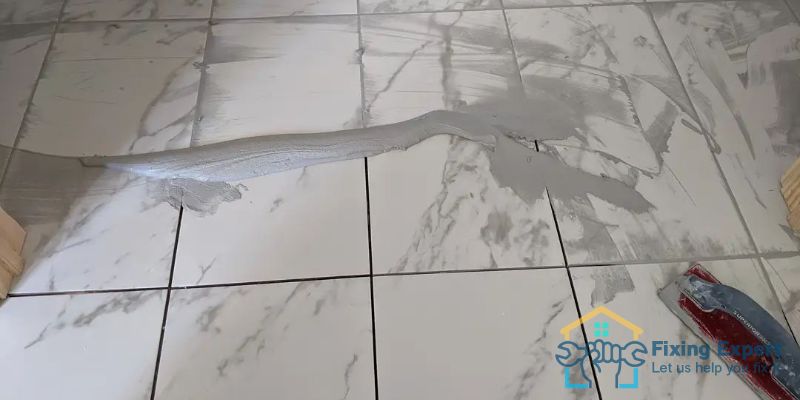
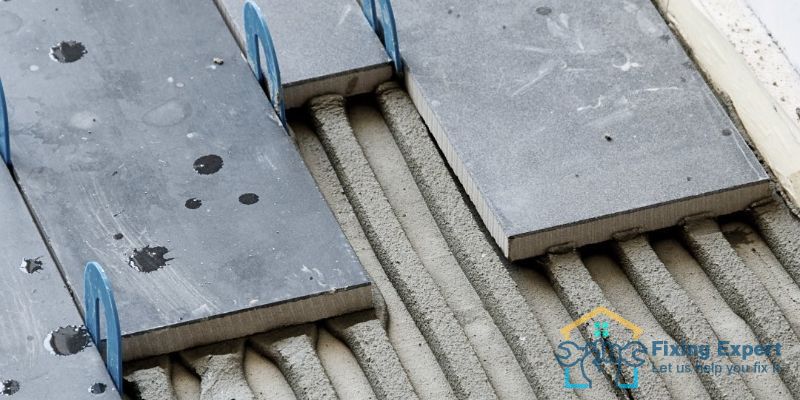
Grout is a cement-based filling material used between tiles. It locks tiles in place and fills gaps. It also prevents water and debris from reaching the surface underneath.
While grout is structural, it also affects the overall appearance of flooring installation. It can either blend with tiles for a smooth look or contrast to highlight tile patterns. This makes grout an important part of interior design.
The main issue is that grout is porous. It contains tiny openings that absorb liquids and dirt. This is why grout stains faster than tiles. Without proper care, it becomes discolored, uneven, and dull over time.
Why Grout Gets Dirty So Quickly

Grout is different from tile surfaces. Tiles are smooth and sealed. Grout is rough and absorbent.
In kitchens, grease from cooking settles into grout lines. Food particles also contribute to staining. In bathrooms, soap residue and moisture create mold growth. In hallways, dust and foot traffic gradually darken grout.
Once dirt enters deep into grout, normal mopping is not enough. It only cleans the surface. The embedded dirt stays inside the pores. That is why deep cleaning is necessary.
Tools and Materials for Effective Cleaning
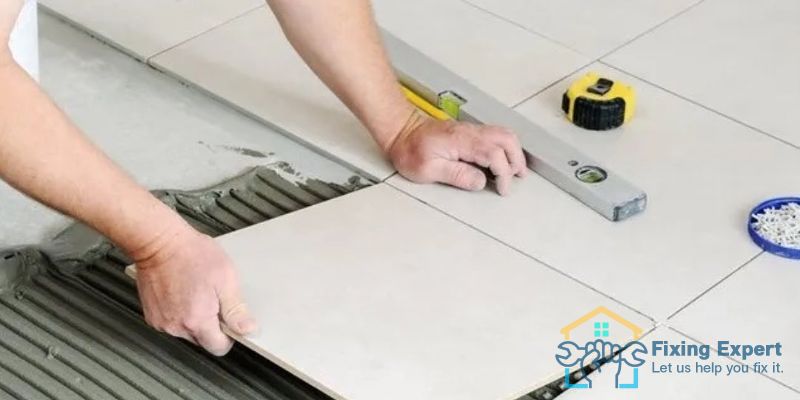
You do not need advanced equipment to clean grout, but using the right tools improves results significantly.
A good grout cleaner or mild homemade solution is essential. Baking soda mixed with water is useful for light stains. Vinegar and water also help in breaking down grime.
A stiff grout brush is important for scrubbing. Microfiber cloths help in wiping and drying without leaving streaks. A bucket with warm water is also needed for rinsing.
In modern cleaning, steam cleaners are becoming more popular. They clean deep without chemicals and reduce scrubbing effort. A grout sealer is also important because it protects cleaned grout from future stains.
Preparing the Surface Before Cleaning

Preparation improves cleaning results and prevents damage.
First, remove loose dust and dirt from the floor. You can sweep or vacuum the area. This prevents dirt from turning into mud during cleaning.
Next, check a small hidden area before applying any cleaner. This ensures the solution does not damage tiles or grout.
For heavily stained areas, apply a baking soda paste. Leave it for 10 to 15 minutes. This helps loosen dirt before scrubbing.
Good preparation reduces effort and improves final results.
Common Mistakes to Avoid
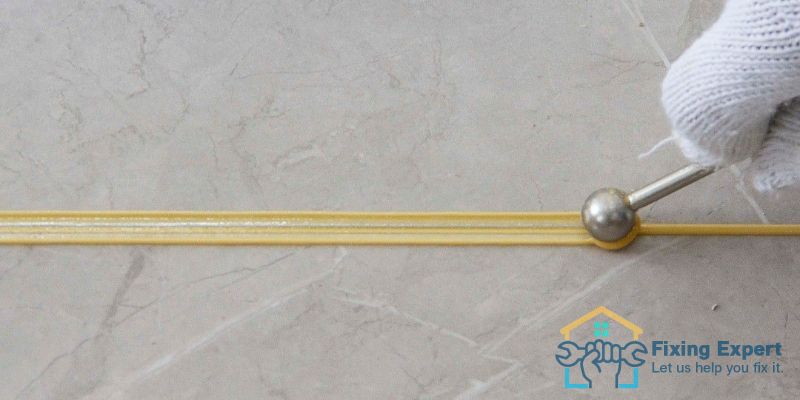
Many grout problems are caused by incorrect cleaning methods.
- Using strong chemicals too often is one major mistake. Harsh cleaners can weaken grout and cause cracks over time. Mixing different chemicals can also be dangerous and damage surfaces.
- Using too much water is another common issue. Excess water can seep under tiles and affect bonding. It can also promote mold growth.
- Scrubbing too hard with metal brushes can scratch tiles and damage grout edges. This makes grout lines uneven and more prone to staining.
- Skipping sealing after cleaning is another mistake. Without a sealant, grout quickly absorbs dirt again.
Best Way to Clean Kitchen Tile Grout
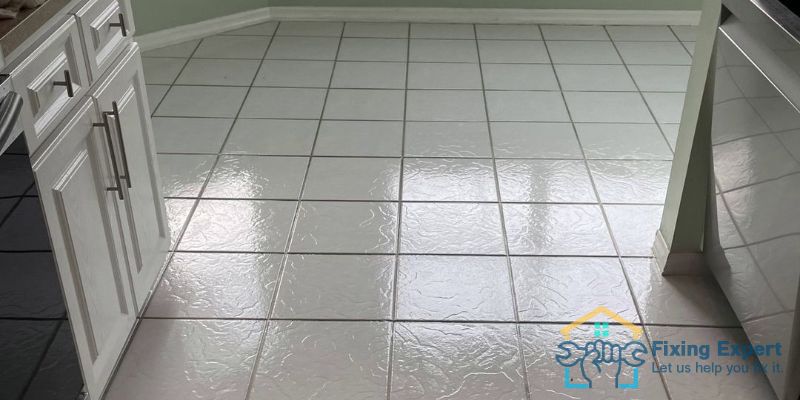
Kitchen grout is usually affected by grease and food stains. A simple scrubbing approach is not enough.
- Start by removing loose dirt using a broom or vacuum. Then apply a mild degreasing cleaner or grout-safe solution. Let it sit for a few minutes so it can break down grease.
- Scrub the grout lines gently using a grout brush or electric scrubber. Focus on stained areas but avoid excessive force.
- Rinse with warm water after scrubbing. Use a microfiber cloth or mop to dry the surface properly. Once the grout is completely dry, apply a grout sealer. This helps prevent grease from soaking in again.
- Steam cleaning is also a modern option for kitchen tiles floor. It removes grease without chemicals and saves time.
How to Clean Bathroom and Shower Grout
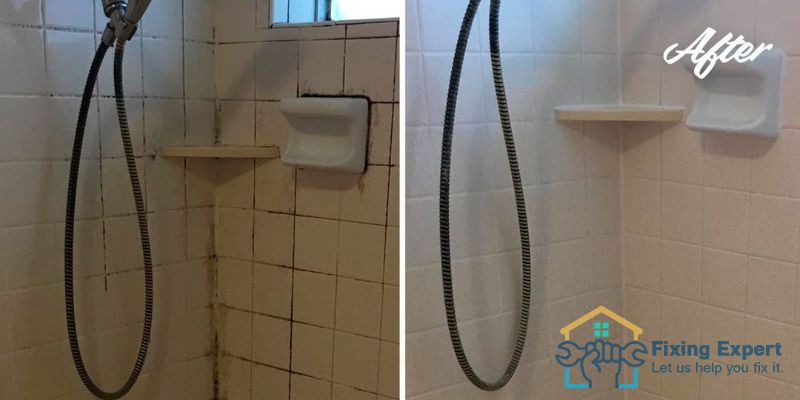
Bathroom grout faces moisture, soap residue, and mold. This makes it more difficult to maintain.
Start by spraying a mixture of vinegar and water onto grout lines. Let it sit for about 10 minutes. This helps break down soap scum and light mold. Then scrub using a stiff brush. For tougher stains, apply a baking soda paste and let it sit before scrubbing again.
Rinse thoroughly with warm water. After cleaning, dry the area completely. Proper ventilation is important because moisture encourages mold growth. Regular airflow and quick drying help keep bathroom grout cleaner for longer.
Grout Maintenance for Long-Term Cleanliness

Maintaining grout is easier than deep cleaning it repeatedly.
Wipe spills immediately instead of letting them sit. Clean high-traffic areas regularly using mild cleaning solutions. Use microfiber mops instead of sponge mops. Microfiber traps dirt instead of spreading it around.
Avoid harsh cleaning chemicals for daily use. Mild solutions are enough for regular maintenance. Applying grout sealer every 6 to 12 months is highly recommended. It creates a protective barrier that reduces staining and moisture absorption. Small consistent habits prevent heavy buildup over time.
DIY Grout Repair and Restoration
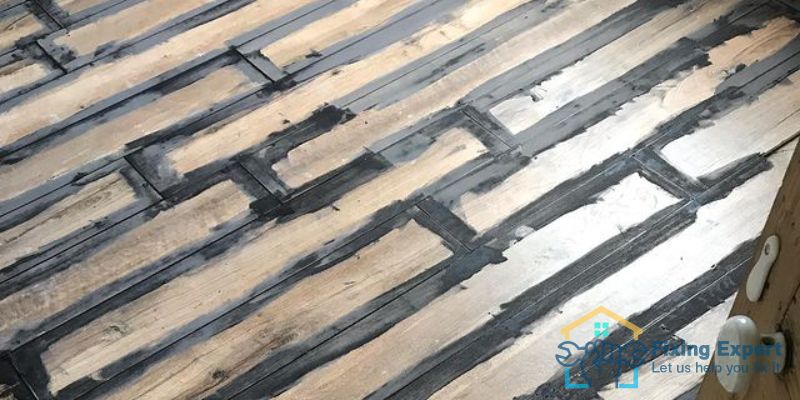
If grout is cracked, missing, or severely stained, cleaning alone will not help. Restoration is needed.
- Start by carefully removing damaged grout using a grout removal tool. Take care not to damage surrounding tiles.
- Next, apply fresh grout into the cleaned joints. Press it evenly to fill all gaps properly. Remove excess grout before it hardens.
- Once it dries, clean the surface gently. After full curing, apply grout sealer to protect the repaired area.
- Modern pre-mixed grout products make this process easier for DIY users and reduce mixing errors.
Why Professional Grout Cleaning Is Still Important
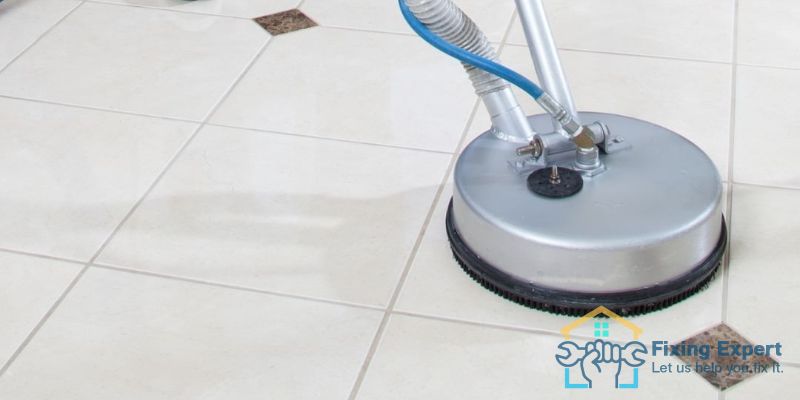
DIY cleaning works well for routine maintenance. However, deep stains and large areas often require professional help. Professionals use industrial-grade tools and steam systems. These reach deep into grout pores and remove stubborn buildup. They also understand different grout types and tile materials. This reduces the risk of damage during cleaning.
For large homes or heavily stained flooring, professional cleaning delivers more consistent and long-lasting results.
Eco-Friendly Grout Cleaning Options
Eco-friendly cleaning has become a strong modern trend. Many homeowners now prefer safer alternatives over harsh chemicals.
- Vinegar and water solutions are commonly used for light cleaning. Baking soda is effective for scrubbing stains naturally. Hydrogen peroxide is useful for deeper discoloration.
- Steam cleaning is one of the most eco-friendly methods. It uses only water and heat. It avoids chemical use completely.
- Reusable microfiber cloths and brushes also reduce waste. These methods are safer for both the home and the environment.
Final Thoughts
Grout cleaning is no longer just a manual scrubbing task. It has become a combination of proper technique, safe products, and regular maintenance. Modern methods focus on preventing buildup instead of constantly removing it. Simple habits like sealing, quick spill cleaning, and gentle washing make a big difference over time.
With the right approach, grout can stay clean, strong, and visually consistent for years. Consistency is more important than intensity when it comes to long-term grout care.