What’s the most important design anchor and widely used interior element in residential and commercial spaces? It is flooring. Flooring plays a major role in defining space usage, layout efficiency, and overall functionality.
Choosing the right flooring is a critical decision. It can improve workflow or create limitations depending on how well it is planned. Among different modern solutions, mezzanine flooring is becoming a strong choice for businesses.
What Is Mezzanine Flooring & Its Importance?

Mezzanine flooring is an intermediate floor installed between the main floor and the ceiling of a building. It creates an additional usable level without requiring external expansion. It is a practical and cost-efficient way for businesses to increase space. Instead of shifting to a new building or expanding construction, companies can utilize the vertical space already available.
This type of flooring is easy to install and can also be modified or removed when required. That makes it suitable for businesses with changing operational needs. Overall,flooring designs helps improve space utilization, increases storage capacity, and enhances operational efficiency without major structural changes.
How Does Mezzanine Flooring Benefit Your Business?

No business benefits more from compact spaces than one that finds a way to use unused vertical height. Mezzanine flooring does exactly that while offering several practical advantages.
1. Added Space Benefits
Mezzanine flooring is designed as a raised platform between the ground floor and the ceiling. It is engineered to carry additional loads such as storage racks, equipment, or working areas.
This structure effectively increases usable floor space within the same building footprint. It allows businesses to create separate zones without expanding the building externally. This added space can be used for storage, staff operations, or office setups, depending on requirements.
2. Cost-Effectiveness
One of the biggest advantages of mezzanine flooring is cost savings. It reduces the need for expensive construction or relocation. Businesses can also reduce rental pressure by maximizing existing space. Installation is usually quick, which helps avoid long operational downtime.
In some cases, businesses may also benefit from tax advantages depending on location and usage. Over time, improved efficiency and space utilization contribute to further cost reduction.
3. Customization Options

Mezzanine flooring offers high customization flexibility. It can be designed according to available space, load requirements, and business operations. Different flooring materials can be used depending on usage needs. Access points such as stairs, ladders, or loading gates can also be included.
Safety features like guardrails, lighting, and partitions can be customized as well. This level of customization helps create a more efficient working environment tailored to business needs.
4. Efficient Installation & Maintenance
Mezzanine flooring is relatively quick to install compared to traditional construction. Most components are pre-fabricated, which speeds up on-site assembly. This minimizes disruption to daily business activities.
Maintenance is also simple. Regular cleaning and periodic inspections are usually enough to keep it in good condition. In case of relocation or changes in layout, mezzanine systems can also be modified or dismantled.
5. Compliance With Regulation
Mezzanine flooring must follow building regulations and safety standards. Proper design ensures compliance with structural and fire safety requirements. When installed correctly, it meets legal safety guidelines and reduces risk concerns.
This includes proper load distribution, fire exits, and access safety measures. Following regulations ensures safe long-term usage and avoids legal issues for businesses.
6. Business Growth
Mezzanine flooring directly supports business expansion. It improves space utilization without requiring relocation. It helps organize workflow by separating operations and reducing congestion. This leads to smoother movement of staff and materials within the workspace.
It also improves employee efficiency and can enhance workplace safety. Better organization often results in improved productivity and business growth.
What Is The Use Of Mezzanine Flooring For Retail & Hospitality?

In retail and hospitality sectors, mezzanine flooring provides additional functional space. It can be used for storage, display areas, or operational separation. It also improves the interior layout by dividing customer-facing and backend operations.
In many cases, it enhances visual appeal by creating layered interior designs that look more structured and professional. This helps businesses improve both functionality and customer experience.
5 Genuine Reasons To Use Mezzanine Flooring In Retail
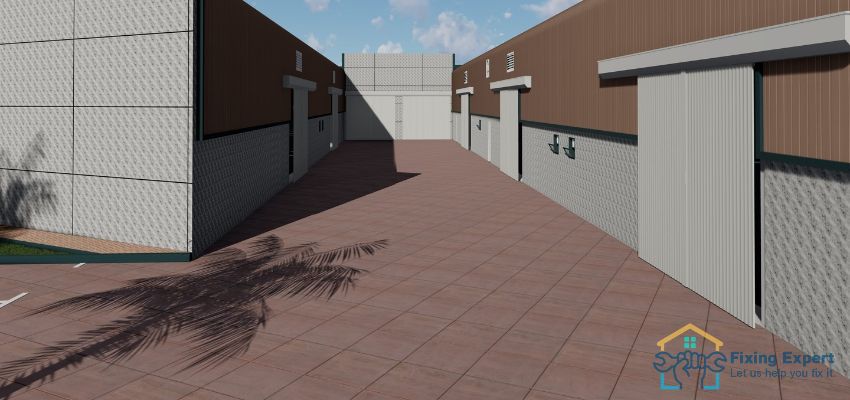
You can use the mezzanine floors in the retail spaces. Check the top reasons below:
1. Capitalize On Available Space
Mezzanine flooring allows retailers to use vertical space effectively. It creates additional room for storage or display without expanding the store footprint.
2. Customer Impact
A well-designed mezzanine layout can improve customer experience. It creates organized sections and improves overall store presentation.
3. Flexibility
Retail needs change frequently. Mezzanine flooring can be adjusted or modified to match new requirements without major construction work.
4. Cost-Effective Solution
It reduces the need for expensive expansions. Retailers can maximize existing property usage at a lower cost.
5. Defined Spaces
It helps separate customer areas from storage or operational zones. This improves workflow and store management.
What’s The Role Of Mezzanine Flooring In Manufacturing & Industrial Spaces?

In industrial environments, mezzanine flooring plays a key role in improving operational structure. It increases usable working space and supports better material flow. It also helps organize machinery and storage areas more efficiently.
By separating workers from heavy equipment zones, it improves workplace safety. It also reduces clutter on the main floor, making operations more structured and controlled.
Why Choose Mezzanine Flooring For Office Interiors?

Mezzanine flooring is also useful in office environments. It allows businesses to create additional workspaces without relocating. It can be used for meeting rooms, private cabins, or storage areas.
It also improves office design by creating a modern layered layout. This enhances both space efficiency and interior aesthetics while supporting better workplace organization.
The Relation Between Environmental Sustainability & Mezzanine Luxury Flooring Explained

Mezzanine flooring supports environmental sustainability in several ways.
- It reduces the need for new construction, which lowers material consumption and environmental impact.
- It also helps optimize existing space instead of expanding physical structures.
- Energy efficiency can improve as well when combined with better lighting and insulation planning.
- Overall, it promotes smarter space usage and reduces construction waste.
Mezzanine Flooring & Installation: The Procedure Explained

The installation process generally follows several key steps.
- First, a site survey is conducted to measure space and understand requirements.
- Next, structural design and engineering planning are completed to ensure safety and compliance.
- After that, components are fabricated off-site and delivered for installation.
- The structure is then assembled and fixed using anchors and bolts connected to the existing building.
- Staircases, railings, and access points are installed for safe movement.
- Finally, inspection and certification are completed to ensure safety standards are met.
- Depending on project size, installation may take several weeks.
8 Key Considerations When Constructing Mezzanine Floors
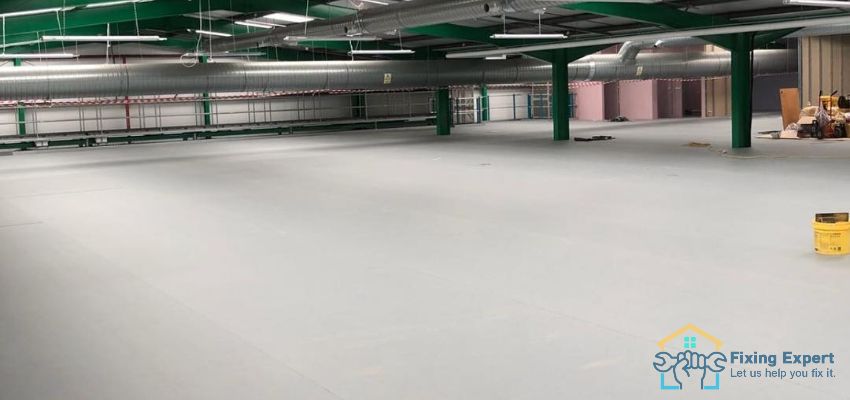
When planning mezzanine flooring, several important factors must be considered.
- Safety is the first priority. The structure must meet building codes and load requirements.
- Design should match both function and available space.
- The type of mezzanine system must be selected based on usage needs.
- Size must be carefully calculated to avoid structural issues.
- Any required changes to the existing building should be evaluated in advance.
- The structure should be easy to clean and maintain.
- Its purpose must be clearly defined before installation.
- Proper ventilation should also be considered for long-term usability.
Ensure Mezzanine Flooring Safety: 8 Of The Most Effective Tips & Tricks

Safety plays a major role in mezzanine flooring usage.
- Always use a qualified engineer for design and planning. This ensures structural safety and compliance.
- High-quality materials should be used for flooring and support systems.
- Guardrails and handrails must be installed around open edges.
- Access should be restricted to authorized personnel only.
- Regular inspections should be conducted to identify risks early.
- Proper lighting must be installed for visibility and safety.
- Employees should be trained on safe usage and movement.
- Clear signage should be placed to highlight safety zones and risks.
FAQs – Frequently Asked Questions
1. What Is The Standard Load Capacity For Mezzanine Flooring?
The load capacity usually ranges between 125 and 250 pounds per square foot. It depends on design and usage requirements.
2. Can Mezzanine Flooring Be Used in Low-Ceiling Buildings?
Yes, it is possible. However, design adjustments are required to maintain usable headroom.
3. What Is The Average Lifespan Of Mezzanine Flooring?
It generally lasts around 20 to 25 years. Proper maintenance can extend its lifespan further.
4. How Long Does Installation Take?
Installation usually takes between 2 to 4 weeks. It depends on project size and complexity.
5. Are Permits Required?
Yes, most locations require permits. Regulations vary depending on local authority rules.
6. Can It Be Expanded Later?
Yes, mezzanine systems are flexible and can be expanded or modified if needed.
7. Is Planning Permission Required?
In many cases, it is not required. However, checking local regulations is always recommended.
Conclusion
Mezzanine flooring is a practical solution for businesses that want to increase usable space. It helps convert unused vertical height into functional areas that improve storage, workflow, and overall efficiency. Fixing Expert From warehouses and retail stores to offices and industrial units, it offers flexibility that suits different operational needs.
It is also a cost-effective option compared to traditional construction methods, while still providing long-term value. With proper design and professional installation, mezzanine flooring can significantly improve space management and support business growth in a structured and sustainable way.