Outdoor spaces are no longer just an extra part of the home. Today, they are extensions of your living area. Whether it’s a small balcony, a patio, or a backyard, people want these spaces to feel comfortable, functional, and visually appealing.
One of the easiest ways to upgrade your outdoor area is by adding shade. It not only protects you from harsh sunlight and weather but also makes the space usable throughout the year. This is where awnings and canopies come in.
Both options serve a similar purpose, but they differ in design, flexibility, and usage. Choosing the right one depends on your space, budget, and lifestyle.
Why Shade Solutions Matter for Modern Outdoor Living
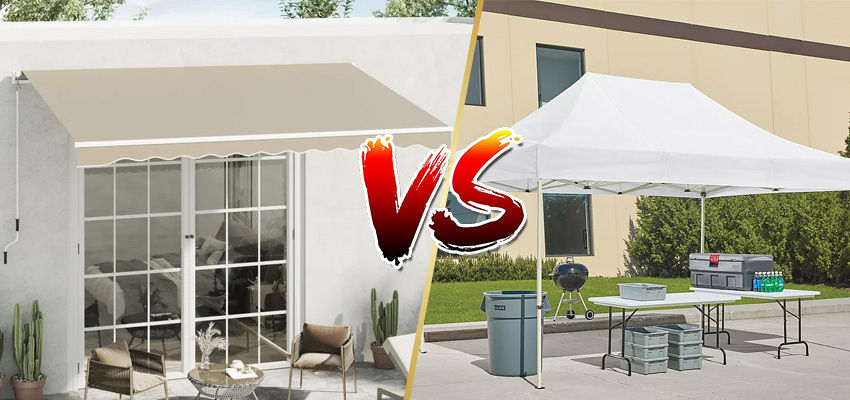
Adding shade is not just about comfort. It directly affects how often and how well you use your outdoor space.
A shaded area allows you to:
- Relax comfortably during hot weather
- Protect furniture from sun damage
- Host gatherings without worrying about heat or light rain
- Improve the overall look of your home exterior
Modern outdoor design focuses on creating usable, all-season spaces. A well-chosen awning or canopy can completely transform how your outdoor area feels and functions.
What is an Awning?
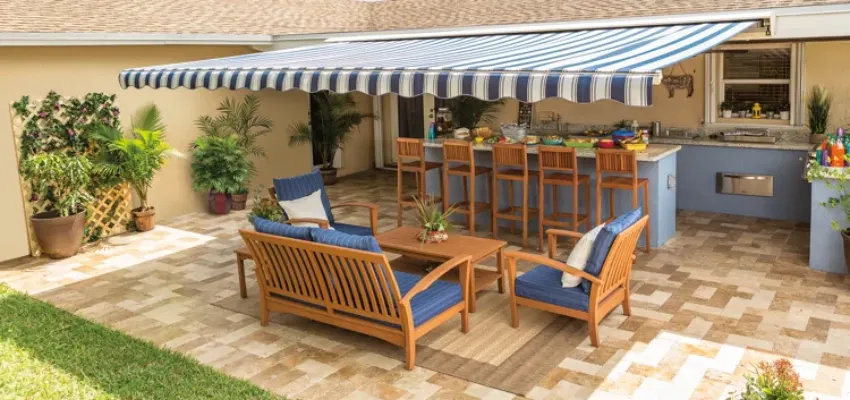
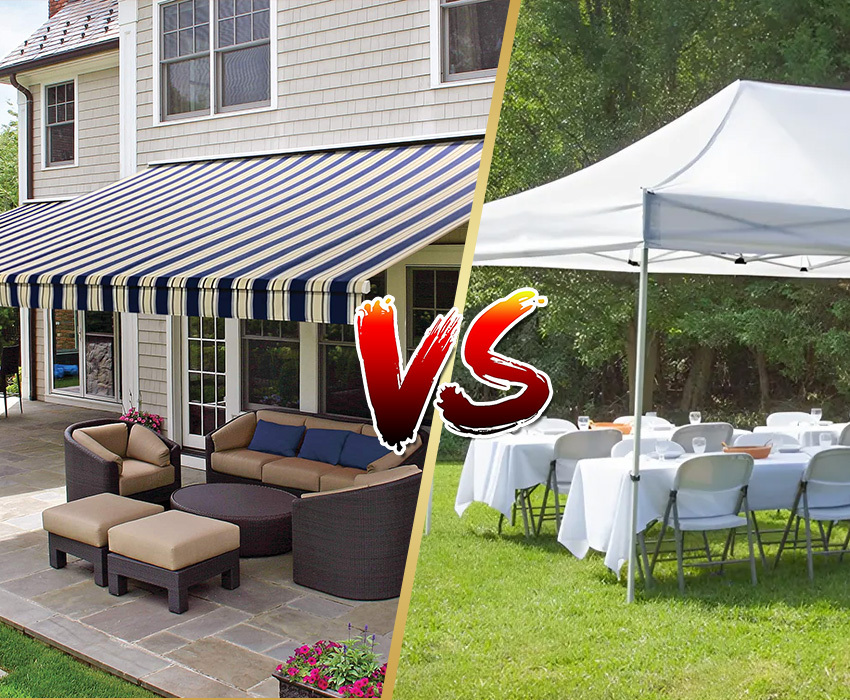
An awning is a structure attached to the exterior wall of a building. It is usually made of fabric stretched over a frame and positioned above windows, doors, patios, or decks.
Awnings are designed to provide shade and partial weather protection while staying connected to the building. They are a popular choice for homes, cafes, and small commercial spaces.
Key Features of Awnings
- Fixed to a wall or structure
- Available in manual or motorised options
- Can be retractable or stationary
- Ideal for targeted shade (windows, doors, small patios)
Awnings are best suited for people who want a clean, built-in solution that blends with the architecture of their home.
What is a Canopy?
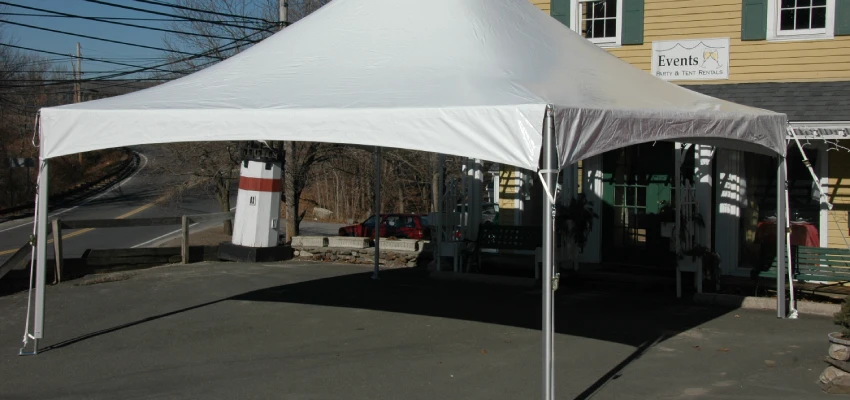
A canopy is a freestanding or semi-attached structure designed to provide shade over a larger area. Unlike awnings, canopies are not always fixed to a wall. They can stand independently or be supported by poles or frames.
Canopies are commonly used in gardens, event spaces, parking areas, and larger patios.
Key Features of Canopies
- Freestanding or partially attached
- Covers larger spaces
- Often portable or semi-permanent
- Available in different shapes and sizes
Canopies are ideal for open areas where wall attachment is not possible or where more coverage is needed.
Types of Awnings
Understanding different awning types can help you choose one that fits your space and needs.
Fixed Window Awnings
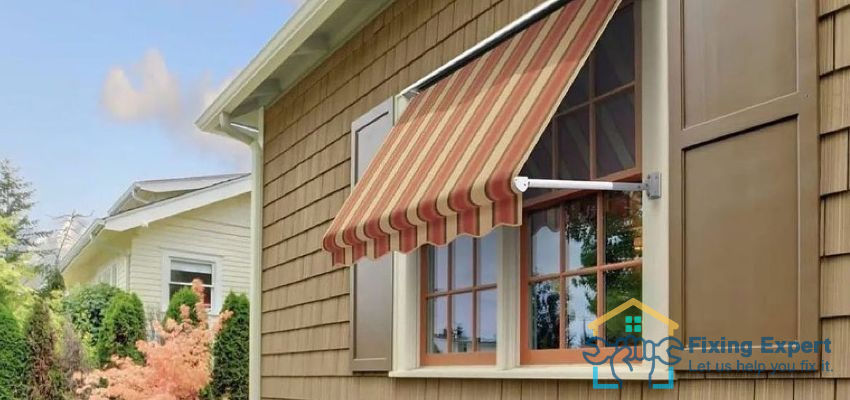
These are permanently installed above windows. They provide consistent shade and help reduce indoor heat. They are simple, durable, and low maintenance.
Retractable Awnings
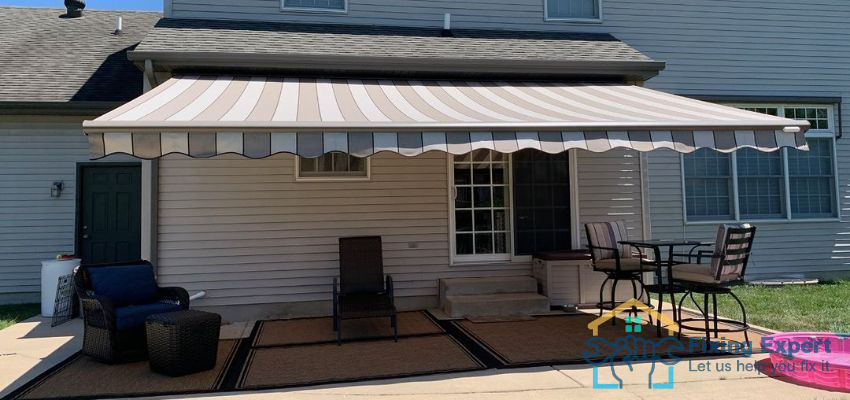
Retractable awnings can be extended when needed and folded back when not in use. This flexibility allows you to control sunlight and shade based on the weather.
They are available in both manual and motorized versions, making them a popular modern choice.
Solar Retractable Awnings
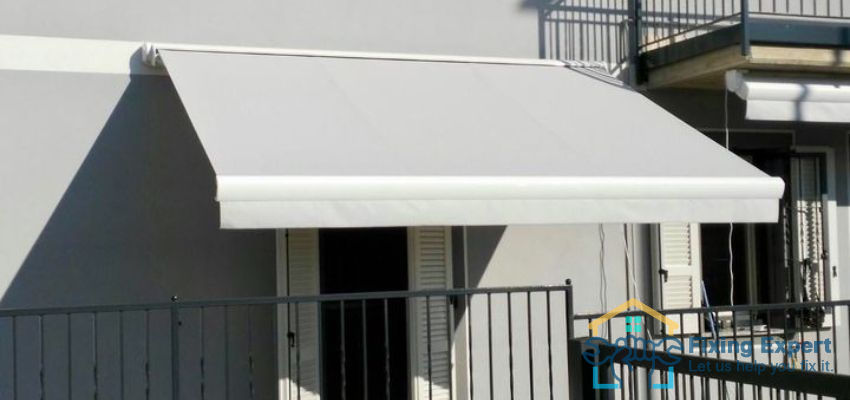
These advanced awnings include built-in solar panels. They not only provide shade but can also generate energy. This makes them a smart option for energy-conscious homeowners.
Solar Screen Awnings
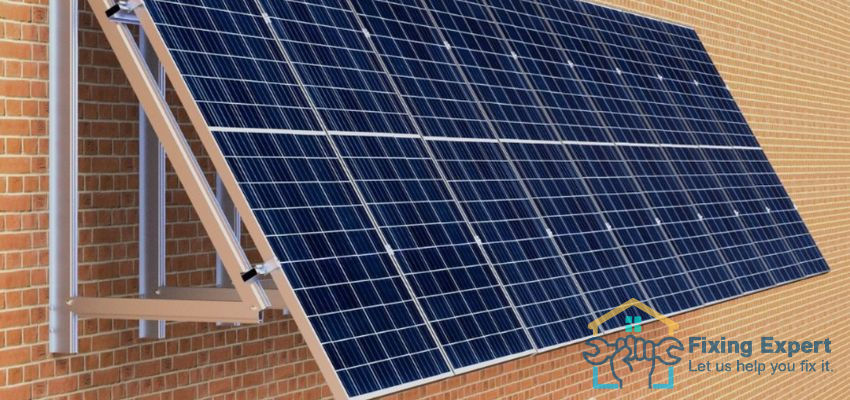
These use special mesh fabric that blocks sunlight while still allowing airflow and visibility. They are ideal for maintaining ventilation without excessive heat.
Porch and Patio Awnings
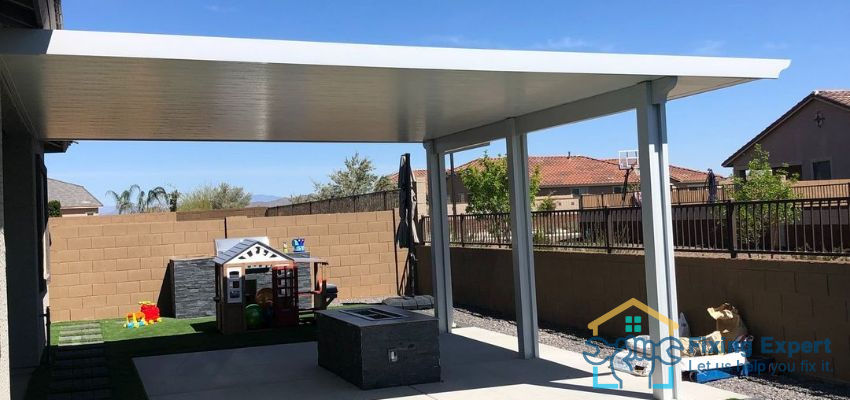
Designed specifically for outdoor seating areas, these awnings provide shade and light rain protection. They help make patios and porches more comfortable throughout the day.
Garden Awnings
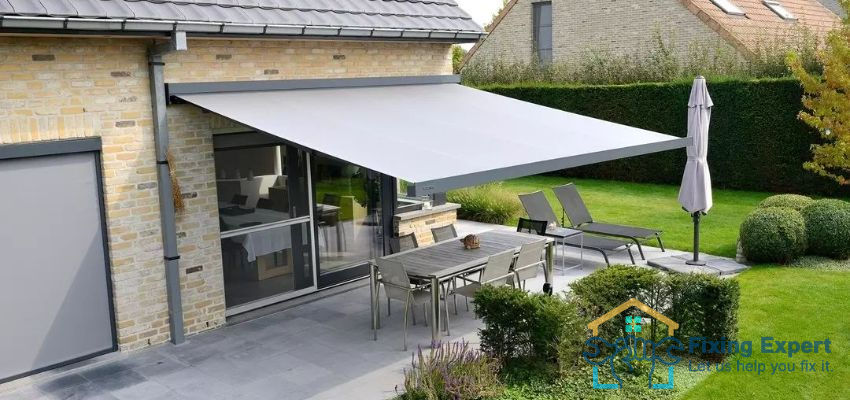
Garden awnings are used to create shaded areas in outdoor landscapes. They work well for relaxing zones, seating areas, or small garden setups.
Types of Canopies
Canopies offer more flexibility in terms of size and placement. Here are some common types:
Shade Canopies
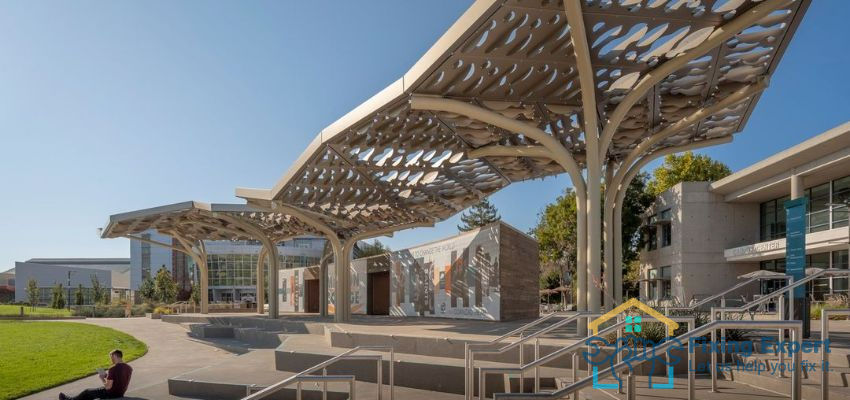
These are simple structures designed to block sunlight. They are often used in outdoor dining areas, markets, or casual seating spaces.
Pergola-Style Canopies
Pergolas provide partial shade with an open roof structure. They are popular for modern outdoor designs and can be enhanced with fabric covers or climbing plants.
Portable Carports
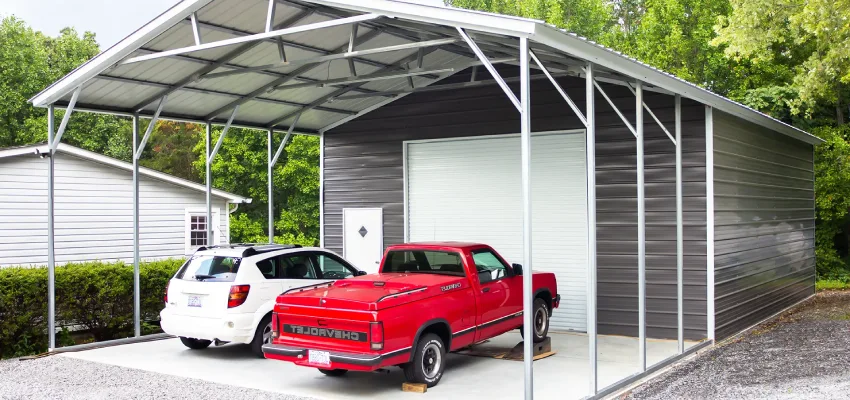
These are larger canopies designed to protect vehicles. They are easy to install and provide quick shelter from sun and rain.
Door Canopies
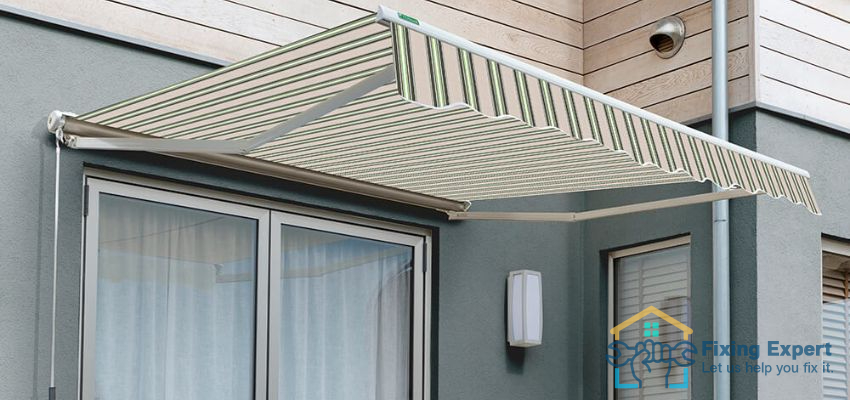
Installed above entrances, these small canopies protect doors from rain and direct sunlight while adding a stylish touch.
Patio Canopies
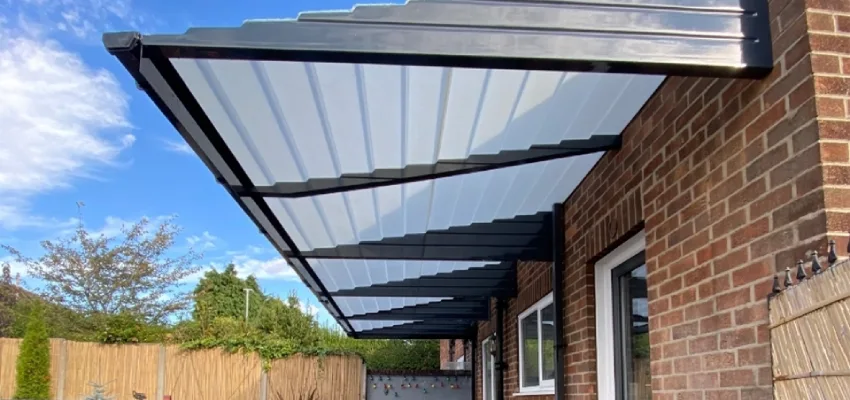
These are designed for larger outdoor seating areas. They provide full or partial coverage and can be either fixed or movable.
Sun Canopies
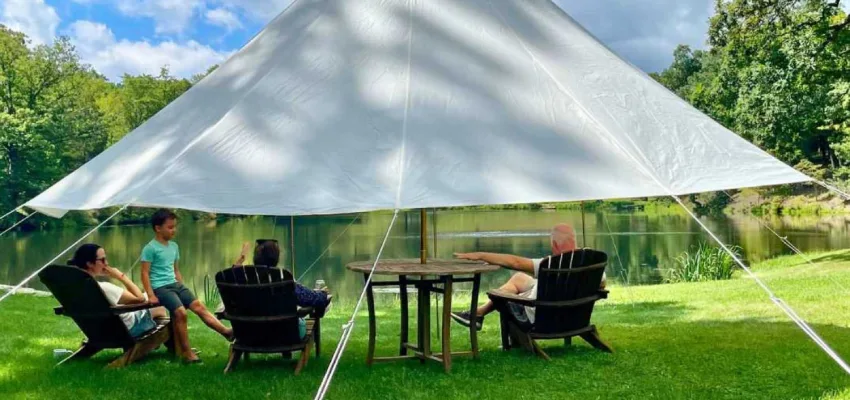
Lightweight and flexible, sun canopies are commonly used for temporary shade. They are ideal for events or seasonal use.
Porch and Garden Canopies
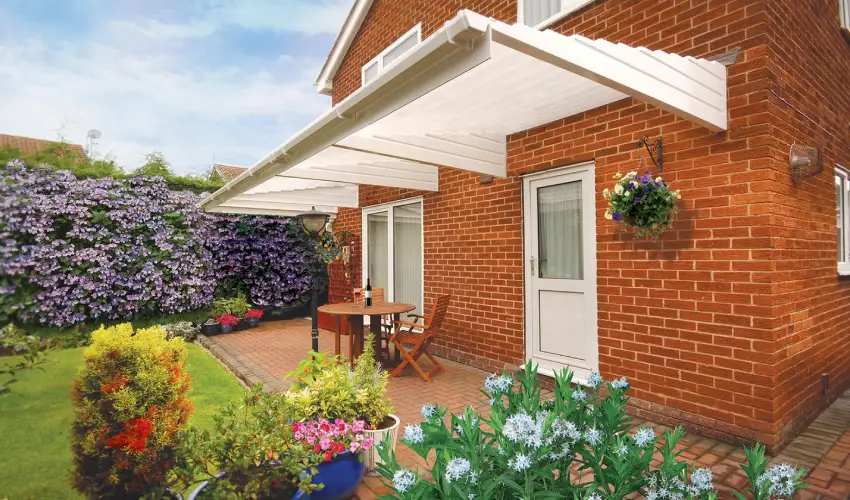
These create comfortable shaded areas in outdoor spaces. They are available in both permanent and portable designs, depending on your needs.
Awnings vs Canopies: Key Differences
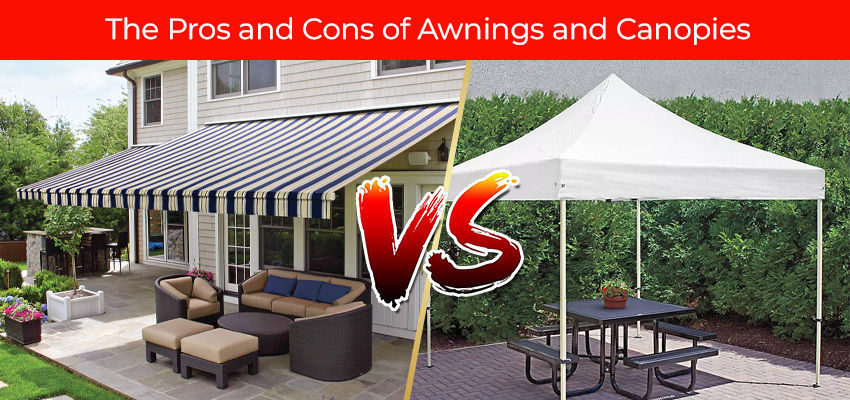
While both options provide shade, they differ in several important ways.
Installation and Structure
Awnings are attached to a building, making them more stable and integrated. Canopies are often freestanding, which makes them more flexible in placement.
Coverage Area
Canopies usually cover larger spaces. Awnings are better for smaller, targeted areas like windows or patios.
Flexibility
Retractable awnings offer adjustable shade, while most canopies provide fixed coverage. However, portable canopies can be moved or removed easily.
Cost Consideration
Awnings are often more affordable for smaller spaces. Large canopies may require a higher investment depending on size and structure.
Aesthetic Appeal
Awnings tend to blend with the building’s design, giving a clean and modern look. Canopies can be more functional but may require additional styling to match your space.
Pros and Cons of Awnings
Below, we have listed notable features of awnings for your space. Have a look at them:
Advantages
- Space-saving and attached design
- Adjustable options (retractable models)
- Enhances building appearance
- Ideal for small to medium areas
Limitations
- Limited coverage area
- Requires wall installation
- May not suit open spaces
Pros and Cons of Canopies
There are some positive and negative features of canopies.
Advantages
- Covers larger areas
- Flexible placement
- Suitable for open spaces
- Available in portable options
Limitations
- May require more space
- Less adjustable compared to retractable awnings
- Some designs may look bulky if not styled properly
How to Choose the Right Option
Choosing between an awning and a canopy depends on several practical factors.
1. Size of Your Space
If you have a small balcony or patio, an awning is usually enough. For larger areas like gardens or open yards, a canopy provides better coverage.
2. Purpose of Use
Think about how you will use the space. For daily relaxation or window shading, an awning works well. For gatherings, events, or multi-use areas, a canopy is more suitable.
3. Weather Conditions
If you need protection from both sun and rain, consider the material and structure. Some canopies offer better all-weather coverage, while awnings are great for sun control.
Related: 23 Different Types of Canopy Roofing
4. Ease of Use
Retractable awnings are easy to operate, especially motorised ones. Canopies are usually fixed but may be portable depending on the design.
5. Design Preference
If you want a seamless, built-in look, go for an awning. If you prefer a flexible and versatile structure, a canopy is a better choice.
Modern Trends in Outdoor Shade Design
Outdoor design trends have evolved significantly. Here are a few popular ideas:
- Minimal and neutral color palettes
- Motorised and smart-controlled awnings
- Mixed materials like metal and fabric
- Multi-functional outdoor spaces
- Eco-friendly and energy-efficient solutions
Combining shade structures with lighting and furniture can further enhance the space.
Final Thoughts
Both awnings and canopies are practical solutions for improving outdoor spaces. The right choice depends on your specific needs, space size, and design preferences. If you want a sleek, attached solution for a smaller area, Fixing Expert an awning is a great option. If you need flexible coverage for a larger space, a canopy is more suitable.
In many cases, combining both can create a balanced and highly functional outdoor setup. With the right choice, you can turn any outdoor area into a comfortable, stylish, and usable space throughout the year.