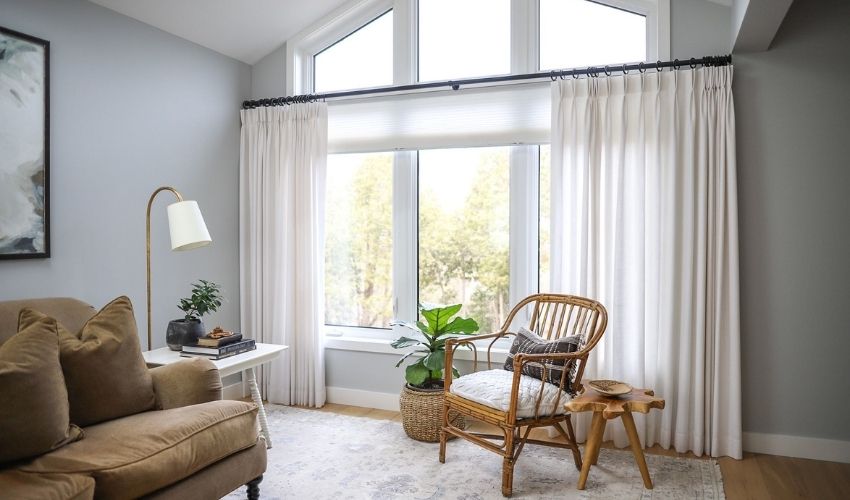
Sheer curtains are often treated as a secondary element. That is where most people get it wrong. They are not just an addition to a window. When used properly, they shape how a room feels, how light behaves, and how all elements come together.
The idea of “completing a room” is not about adding more items. It is about balance. Every element should connect.Sheer curtains play a quiet role, but their impact is structural. They soften hard edges, connect colors, and create depth without visual weight.
The problem is not the fabric. The problem is how people choose and use it. Random color selection, poor sizing, and lack of layering often ruin the result. A well-planned approach fixes that.
Why Sheer Curtains Still Work in Modern Interiors
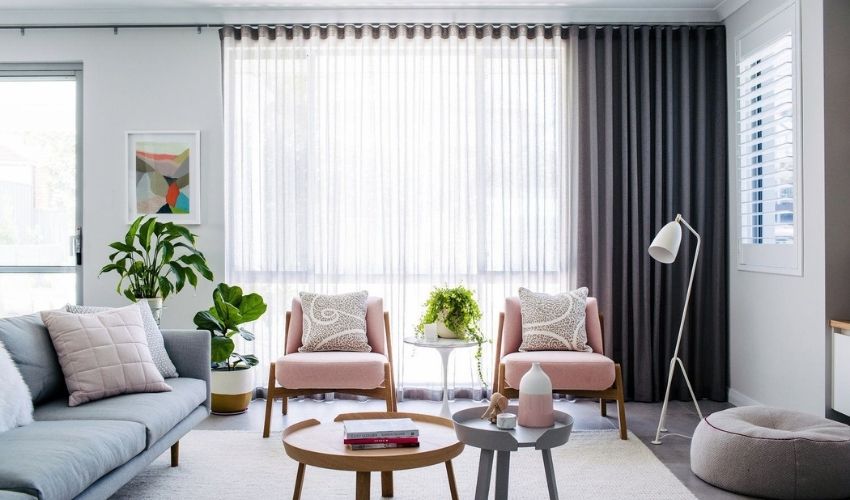
Trends have shifted toward minimal and functional design. Heavy and overly decorative curtains are used less often. Sheer curtains fit naturally into this shift because they do not dominate the space.
They allow natural light to pass through while reducing harsh glare. This creates a softer and more comfortable environment. Instead of blocking the outside, they filter it. That subtle difference changes how a room feels throughout the day.
They also act as a connecting layer. Walls, floors, and furniture often feel separate. Sheers sit between them and bring everything together. This is why they work in almost every interior style, from simple setups to more detailed spaces.
Another reason they remain relevant is flexibility. They can be used alone for a light and open look. They can also be layered when more control is needed. This adaptability makes them a reliable choice rather than a trend that fades.
Start with the Right Fabric and Texture
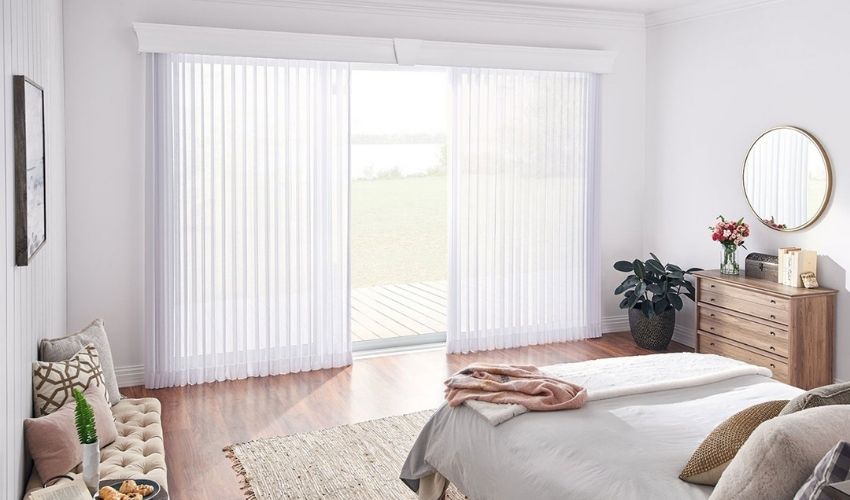
Before thinking about styling, the base material needs attention. Not all sheer fabrics behave the same way. Some fall softly and create smooth folds. Others feel stiff and do not drape well.
Voile and linen blends are commonly used in modern interiors because they offer a natural fall. Polyester blends are more durable and easier to maintain. Silk-based sheers look refined but require more care.
The choice should depend on the room. A casual living space benefits from softer and slightly textured fabric. A more formal area may need a cleaner and smoother finish. Ignoring this step leads to window curtains that look out of place, even if everything else is correct.
Choose Colors That Support the Space, Not Fight It
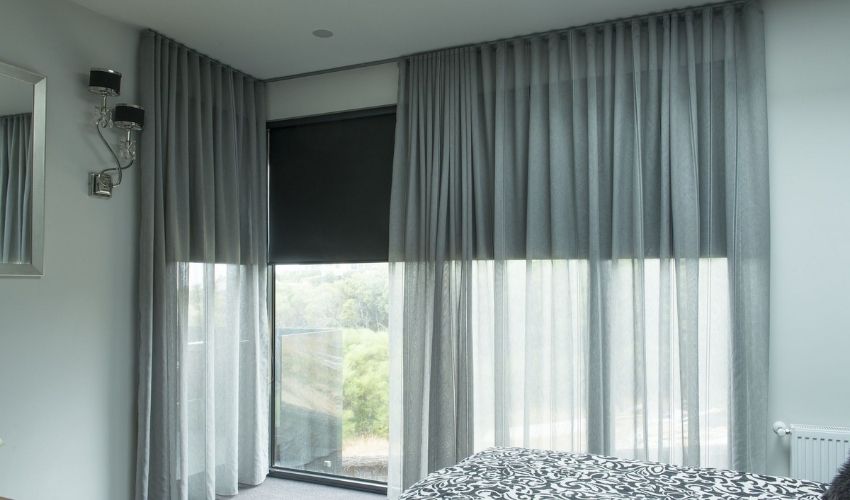
Color selection is where most mistakes happen. People either play too safe or too bold without understanding the room.
Sheer curtains are not meant to stand out aggressively. Their role is to support the space. Neutral tones such as white, off-white, beige, or soft grey work in most cases because they blend easily. They reflect light and keep the room feeling open.
This does not mean color cannot be used. Soft pastels or slightly tinted sheers can add depth. The key is subtlety. Strong contrast often breaks the flow instead of improving it.
It is also important to consider how light interacts with the fabric. A color that looks good in a sample may behave differently when sunlight passes through it. Testing in actual lighting conditions avoids this mistake.
Use Proper Length and Width to Avoid a Flat Look
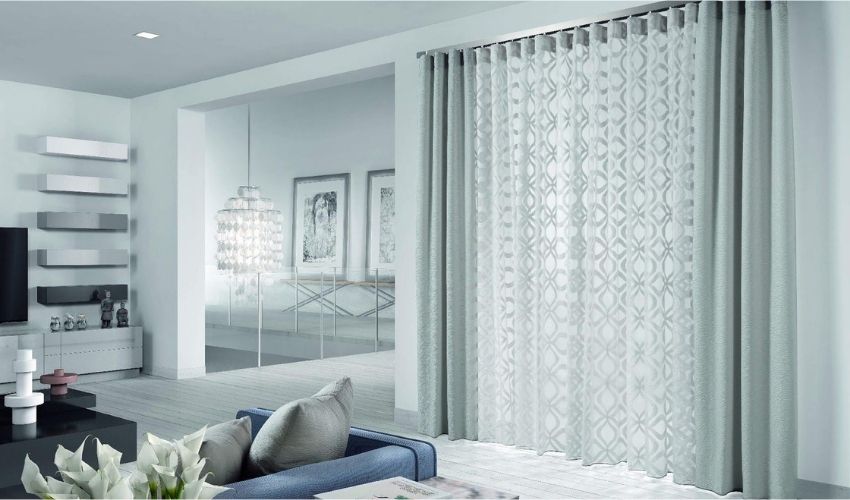
Curtain sizing is often underestimated. Short or narrow curtains instantly reduce the overall impact of the room.
Sheer curtains should extend to the floor. This creates a continuous vertical line that improves proportion. Curtains that stop above the floor feel incomplete and disrupt the visual flow.
Width is equally important. The fabric should be wider than the window. This creates natural folds and movement. Flat and stretched curtains look lifeless and do not diffuse light properly.
A common approach is to use at least double the width of the window. This gives enough fullness without making the curtain look bulky.
Layer Sheers to Add Function Without Losing Light
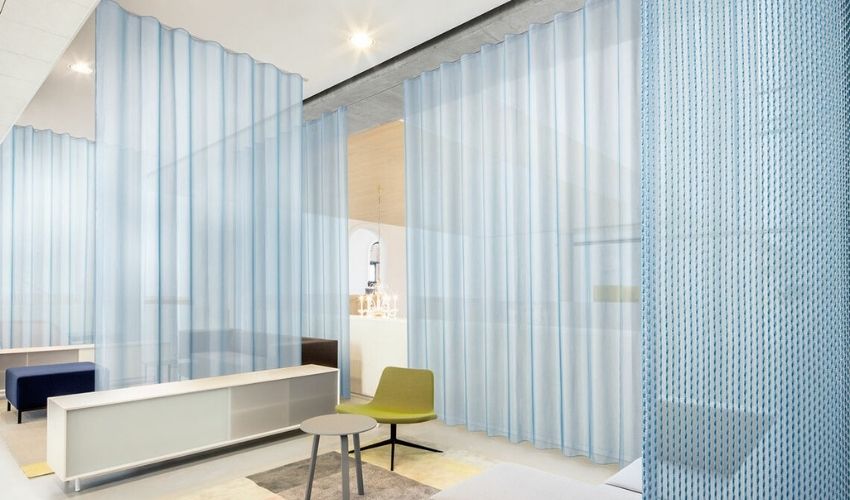
On their own, sheer curtains do not provide full privacy or light control. This is where layering becomes essential.
Pairing sheers with blackout curtains or blinds creates a complete system. During the day, the sheer layer keeps the room bright while reducing glare. At night, the outer layer takes over and provides privacy.
This combination also improves insulation. It helps maintain indoor temperature by reducing heat loss or gain. While the visual impact is important, the functional benefit should not be ignored.
The mistake here is treating both layers as decorative. One should lead visually, while the other supports functionally. Keeping this balance avoids clutter.
Use Sheers to Define Space, Not Just Cover Windows
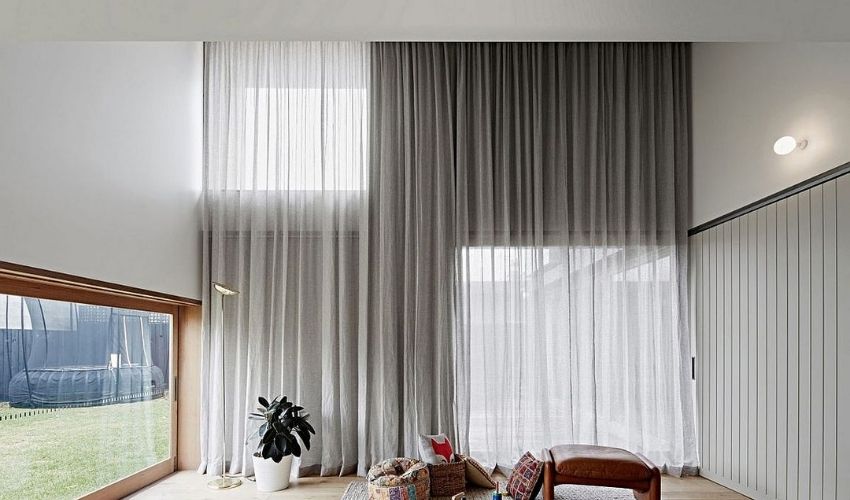
Modern homes often have open layouts. This creates a need for soft boundaries. Sheer curtains can solve this without adding permanent structures.
They can be used between spaces such as living and dining areas. They can also work in entryways or transitional zones. Unlike solid dividers, they maintain light flow while creating separation.
This approach adds flexibility. Spaces can feel open when needed and more defined when required. It is a practical solution that also enhances the overall design.
Add Depth with Multiple Panels Instead of One
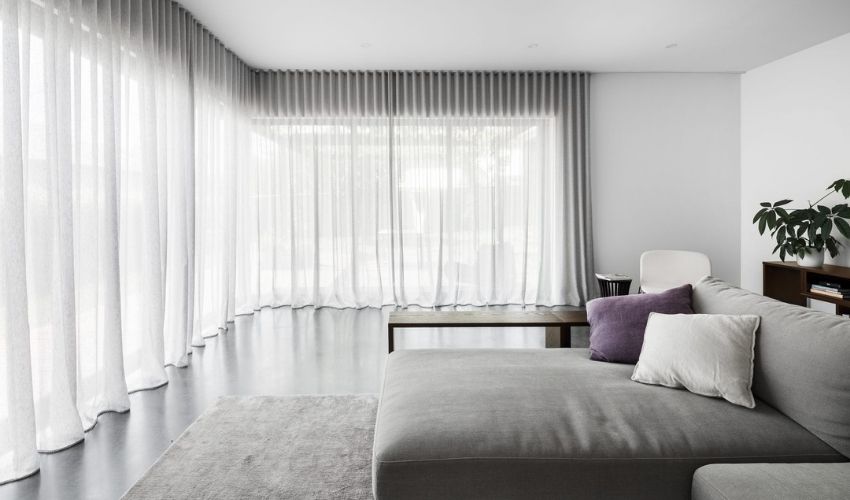
Using a single panel often results in a flat appearance. Modern styling focuses on layering within the same element.
Multiple panels create depth and movement. They allow the fabric to form natural waves. This improves both the look and the way light spreads across the room.
Subtle variation can also be introduced. Slight differences in tone or texture can add dimension without overwhelming the design. The goal is to enhance, not complicate.
Combine Sheers with Lighting for a Complete Effect
Lighting and sheer curtains work together. During the day, sunlight passes through the fabric and creates a soft glow. At night, artificial lighting can produce a similar effect.
Placing warm lighting behind or near sheer curtains enhances the atmosphere. The fabric diffuses the light, making it less harsh and more comfortable.
This works especially well in bedrooms and relaxed spaces. The key is to keep the lighting soft. Strong or cool-toned lights reduce the effect and make the setup feel artificial.
Pay Attention to Curtain Hardware and Installation
The hardware used for sheer curtains often gets ignored, but it plays a major role in the final look.
Bulky rods can ruin a minimal design. Slim rods or hidden tracks work better with sheer fabrics. Ceiling-mounted options create a cleaner and more modern finish.
Installation height also matters. Placing the curtain closer to the ceiling improves room proportion. It makes the space feel taller and more refined.
Small decisions at this stage can either enhance or weaken the entire setup.
Final Thoughts
Completing a room with sheer curtains is not about adding a decorative layer. It is about using them as a tool to balance light, space, and design.
Most issues come from poor decisions in sizing, color, and placement. These are not complex problems, but they require attention. A thoughtful approach leads to a result that feels intentional rather than accidental.
Sheer curtains work because they do not demand attention. They improve everything quietly. When used correctly, they connect different elements of the room and make the space feel finished without adding visual weight.