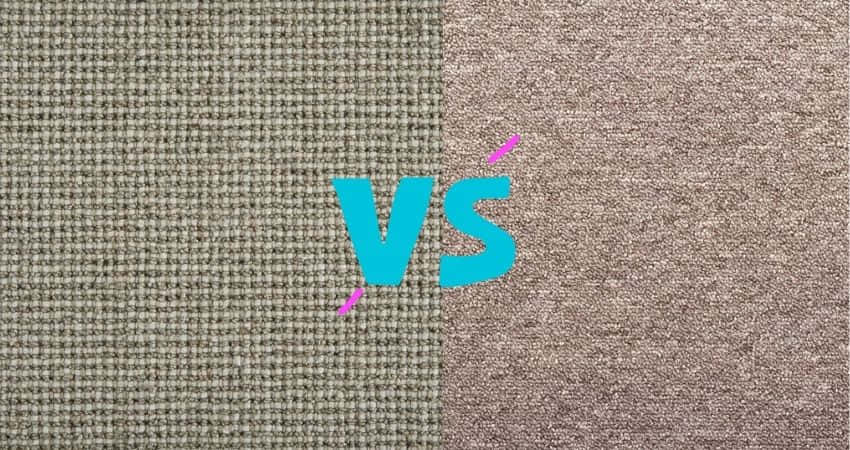
Choosing a carpet starts with the material. This is where most confusion begins. Wool has been used for centuries and is known for comfort and durability. Synthetic carpets are newer and focus on performance and affordability.
There is no universal “better” option. The right choice depends on your space, lifestyle, and budget. Some people prefer natural comfort. Others need easy maintenance. Understanding both helps you make a practical decision.
Wool Carpet: Pros and Cons
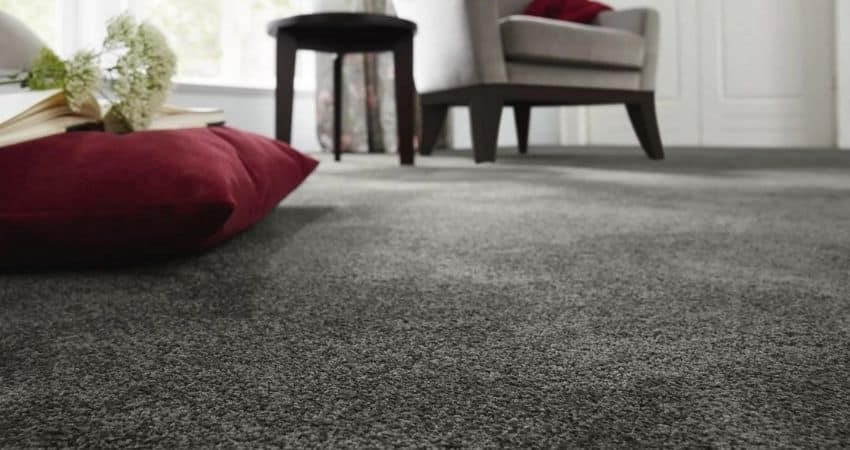
Wool is a natural fiber. It offers a premium feel and strong performance. It works well in many settings but also comes with limitations. Looking at both sides helps you avoid costly mistakes.
1. Durability and Strength
Wool fibers are naturally elastic. They bounce back after pressure. This helps the carpet keep its shape over time. It does not flatten easily under furniture or foot traffic. With proper care, wool carpets can last for years. They maintain their appearance better than many alternatives
2. Resistance to Dirt and Soiling
Wool contains natural oils. These oils repel dirt and oily stains. This slows down the rate at which the carpet looks dirty. Dust does not show immediately on the surface. However, this does not mean no cleaning is needed. Regular vacuuming is still important for long-term performance.
3. Comfort and Warmth
Wool is soft underfoot. It adds a noticeable level of comfort to any room. It also works as a natural insulator. This helps retain heat during colder months. Wool absorbs sound as well. It reduces noise and echo inside the space. This makes it ideal for bedrooms and living areas.
4. Fire Resistance
Wool has a high ignition point. It does not catch fire easily. Instead of melting, it tends to smolder slowly. This helps limit flame spread. It adds a level of safety in both homes and offices. While not fireproof, it performs better than many synthetic fibers.
5. Fall Protection
Wool carpets provide cushioning. This helps reduce the impact of falls. It is useful in homes with children or elderly افراد. The surface feels softer compared to hard flooring. While not a safety solution, it adds an extra layer of comfort and protection.
6. Hypoallergenic Properties
Wool traps dust and airborne particles. This prevents them from circulating in the air. When vacuumed, these particles are removed. Wool also absorbs moisture from the air. It releases it when the environment becomes dry. This helps maintain a balanced indoor atmosphere.
Cons of Wool Carpets
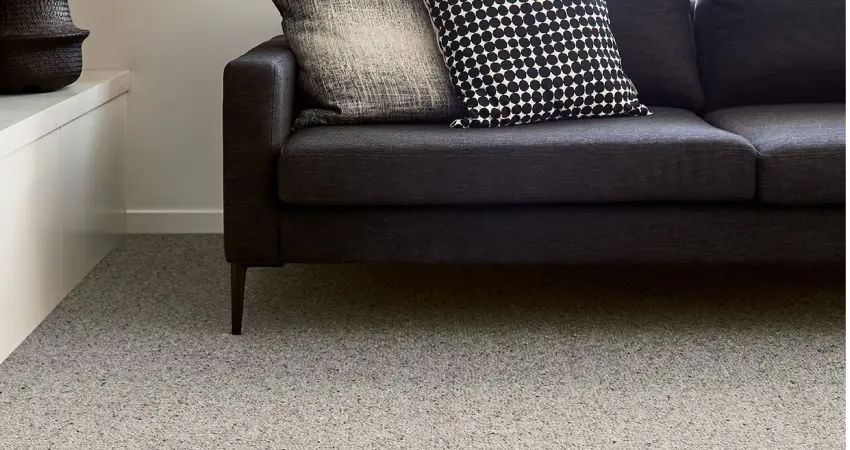
Wool offers many benefits, but there are clear downsides. These can affect both cost and maintenance.
1. High Cost
Wool carpets are expensive. The raw material and production process increase the price. This makes them a premium option. They are not ideal for tight budgets. The upfront investment is significantly higher than that of synthetic carpets.
2. Stain Sensitivity
Wool resists oily dirt but not liquid spills. Drinks like coffee or wine can stain it. These stains can become permanent if not treated quickly. This makes wool less suitable for high-spill areas.
3. Absorbency Issues
Wool absorbs moisture easily. This can help regulate humidity. However, spills can become a problem. Excess moisture may lead to odor or mildew. Proper drying and care are necessary.
4. Chemical Sensitivity
Wool reacts to strong cleaning chemicals. High pH solutions can damage the fibers. They may cause discoloration or hardening. Cleaning requires careful product selection. Professional help is often recommended.
5. Light Sensitivity
Wool can fade under direct sunlight. Long exposure affects its color and texture. Rooms with strong sunlight need protection. Curtains or UV treatments can help reduce this issue.
Synthetic Carpet: Pros and Cons
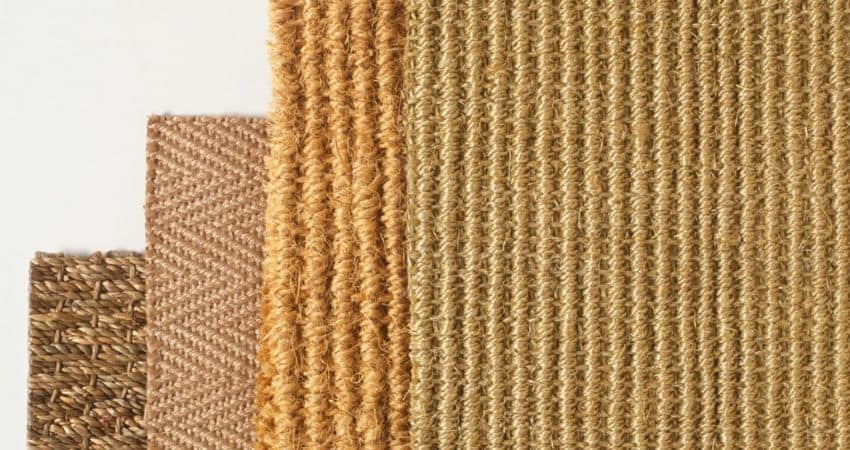
Synthetic carpets are made from materials like nylon, polyester, and olefin. They are designed for durability and ease of use. They solve many common problems found in natural fibers.
-
Durability
Synthetic carpets are highly durable. Materials like nylon handle heavy foot traffic well. They resist wear better in busy areas. This makes them suitable for family homes and commercial spaces. They are built for long-term use.
-
Stain Resistance
Many synthetic carpets are stain-resistant. Protective coatings prevent spills from soaking in quickly. This makes cleaning easier. It is a strong advantage in homes with kids or pets. Accidents are less stressful to manage.
-
Resilient Nature
Synthetic fibers are flexible. They return to their original shape after pressure. This reduces visible dents from furniture. It also helps maintain the carpet’s look over time. High-traffic areas benefit from this feature.
-
Versatility
Synthetic carpets offer many design options. They come in various colors, textures, and patterns. This makes them easy to match with any interior style. They are also available at different price points. This adds to their overall accessibility.
Cons of Synthetic Carpets
Despite their benefits, synthetic carpets have limitations. These mostly affect comfort and the indoor feel.
-
Static Electricity
Synthetic fibers can build static charge. This is common in dry conditions. It may cause small shocks. While not dangerous, it can be uncomfortable.
-
Less Softness
Synthetic carpets are less soft than wool. The difference is noticeable underfoot. Comfort levels are lower in comparison. This matters in spaces meant for relaxation.
-
Lower Absorbency
Synthetic carpets do not absorb moisture well. They also trap fewer airborne particles. This limits their effect on indoor air quality. They do not regulate humidity like wool.
-
Poor Insulation
Synthetic carpets provide less insulation. They do not retain heat effectively. Rooms may feel cooler in winter. This can impact overall comfort.
Which One Should You Choose?
The choice depends on your needs. There is no one-size-fits-all answer.
Choose wool if comfort and natural materials matter more. It works best in low to medium-traffic areas. It also suits spaces where aesthetics are important. Select synthetic if you need durability and easy care. It performs better in busy homes. It is also a more budget-friendly option. Think about usage, not just appearance. That makes the decision more practical.
Final Thought
Wool and synthetic carpets serve different purposes. One focuses on comfort and natural quality. The other focuses on durability and convenience. The better option depends on your space. Match the material with your lifestyle. That approach leads to a smarter and longer-lasting choice.