
Natural materials continue to shape modern interiors. People now prefer organic textures not just for aesthetics, but also for sustainability and comfort. This shift has made natural rugs more popular than ever. Among them, sisal and jute are two of the most common choices.
At first glance, both may look similar. They are plant-based, eco-friendly, and neutral in appearance. But in practical use, they behave very differently. The confusion usually comes from this surface-level similarity. Once you understand how each material performs, the choice becomes much clearer.
Sisal Rugs: Origin and Core Traits
Sisal rugs are made from fibers of the agave plant, specifically Agave Sisalana. This plant grows in hot and dry climates such as Mexico, Brazil, and parts of Africa. Its leaves are thick and strong. These leaves are processed to extract long, durable fibers.
The structure of sisal fibers makes them firm and highly resilient. This is why sisal rugs are known for strength rather than softness. They hold their shape well under pressure and resist daily wear. However, this same structure also makes them feel rough underfoot, which affects comfort.
Jute Rugs: Origin and Core Traits
Jute rugs are made from fibers of the Corchorus plant. This plant grows in warm and humid regions, especially in South Asia. Unlike sisal, jute fibers come from plant stems rather than leaves.=
Jute fibers are softer and more flexible. This gives jute rugs a smooth and comfortable feel. They are often chosen for their relaxed and cozy appearance. However, the softness comes at a cost. Jute is less durable and more sensitive to wear, especially in busy areas
Sisal vs Jute: Key Differences That Matter

Cost
Sisal rugs are usually more expensive. The extraction process is more complex, and the fibers are stronger. This increases production costs. Jute rugs are more affordable because the material is easier to process. If budget is a concern, jute becomes the more accessible option. However, the lower price also reflects lower durability.
Shade and Appearance
Sisal rugs typically come in light, neutral tones. These range from creamy white to wheat shades. They also take dye well, allowing for more color variation. Jute rugs lean toward warm, earthy browns. Their color range is more limited. This makes jute better suited for natural and rustic interiors, while sisal fits modern and minimal spaces.
Lifespan
Sisal rugs generally last longer. With proper care, they can last around 7–8 years. Their strong fibers resist wear and pressure. Jute rugs have a shorter lifespan, often around 4–5 years. They wear out faster, especially in high-use areas. The difference becomes noticeable over time.
Feel and Comfort
Sisal feels firm and slightly rough. It is not ideal for sitting or walking barefoot for long periods. This makes it less suitable for comfort-focused spaces. Jute, in contrast, is soft and smooth. It feels comfortable underfoot and is better for relaxed areas like bedrooms or lounges. For comfort alone, jute is the stronger option.
Durability
Sisal is highly durable. It handles heavy foot traffic without losing structure. This makes it suitable for hallways, stairs, and living rooms. Jute is less resistant to wear. It can flatten or fray in busy areas. For long-term performance, sisal clearly has the advantage.
Strength
Sisal fibers are tougher and more rigid. They can handle pressure, friction, and regular use. Jute fibers are weaker in comparison. They are more prone to damage from heavy furniture or constant movement. This limits where jute rugs can be used effectively.
Sisal Rugs: Pros and Cons
Sisal rugs are chosen for performance. They are strong, structured, and long-lasting. Their durability makes them suitable for high-traffic areas. They are also relatively easy to maintain with regular vacuuming. Another advantage is their natural resistance to static and flames, which adds a layer of safety.
However, sisal rugs are not very comfortable. Their rough texture makes them less suitable for sitting areas. They are also more expensive than jute. Moisture is another limitation. Sisal does not handle damp conditions well, which restricts its use in certain spaces.
Jute Rugs: Pros and Cons
Jute rugs are valued for comfort and affordability. They are soft, eco-friendly, and visually warm. This makes them ideal for cozy spaces like bedrooms or reading areas. They also offer a more relaxed and casual look, which suits many modern interiors.
On the downside, jute rugs are less durable. They wear out faster in high-traffic areas. Their softness also makes them slightly slippery on certain surfaces. They are not suitable for areas with heavy furniture or constant movement. Moisture can also weaken their fibers over time.
Which One Should You Choose?
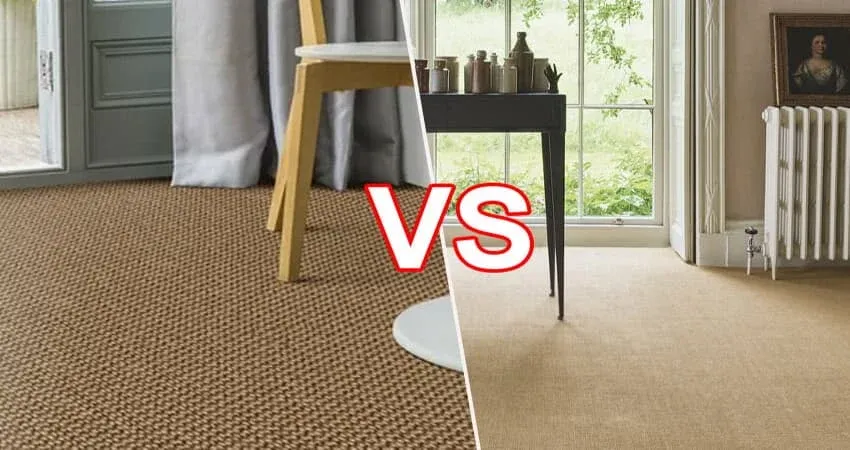
The decision depends on how you use your space. If you need durability and plan to place the rugs in a busy area, sisal is the better choice. It performs well under pressure and lasts longer. Moreover, if comfort matters more and the area has light use, jute is more suitable. It feels softer and creates a warmer atmosphere. This is not about which material is superior. It is about choosing the one that fits your daily use.
FAQs
Are sisal and jute both natural materials?
Yes, both are plant-based fibers. They are biodegradable and considered eco-friendly options.
Can sisal rugs be used in high-traffic areas?
Yes, sisal is strong enough for heavy use. It works well in hallways and living rooms.
Are jute rugs good for everyday use?
They are suitable for low-traffic areas. In busy spaces, they may wear out quickly.
Can these rugs handle moisture?
Neither performs well in damp conditions. Prolonged exposure to moisture can damage both materials.
Final Thought
Sisal and jute may look similar, but they serve different purposes. Sisal focuses on durability and structure. Jute focuses on comfort and softness. Choosing the right one depends on your priorities. If you match the material with the function of your space, you avoid the most common problems. That’s what makes the choice practical rather than just aesthetic.