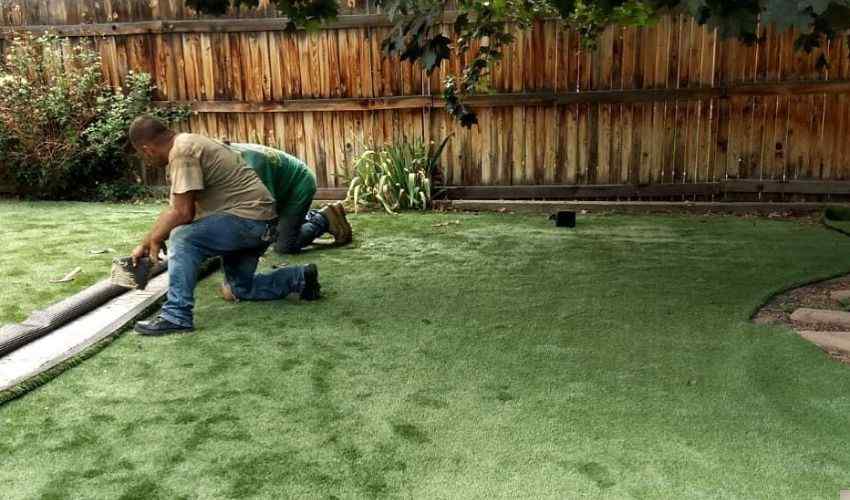
If your outdoor space is covered with plain concrete, it can feel dull, hard, and uninviting. Many homeowners look for ways to upgrade such areas without going through major construction. One of the most effective solutions is installing artificial grass over concrete.
Artificial grass transforms a rigid surface into a soft, green, and visually appealing area. It creates a more comfortable environment while reducing maintenance compared to natural lawns. Whether it is a balcony, patio, or backyard, artificial turf can significantly improve both appearance and usability.
However, installing artificial grass on concrete is different from installing it on soil. It requires proper preparation, correct materials, and attention to drainage. If these factors are ignored, the final result may not last long
Why Install Artificial Grass On Concrete
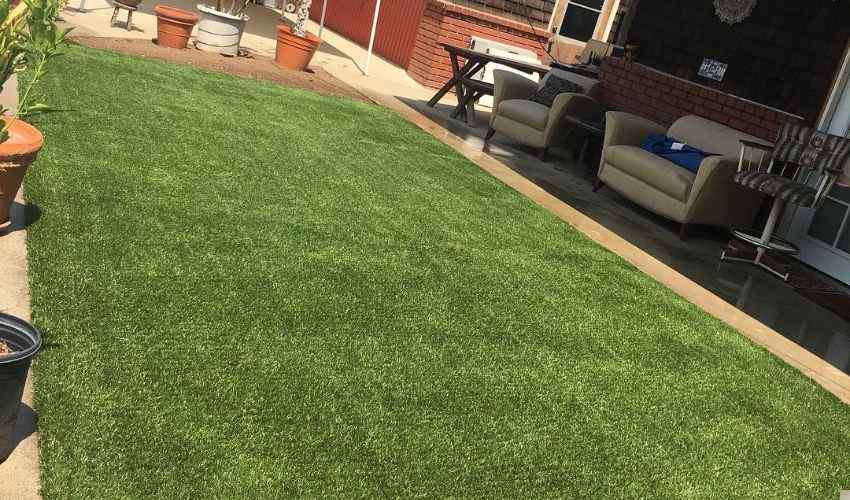
Concrete surfaces are durable, but they lack comfort and aesthetic appeal. Artificial grass provides a practical upgrade by adding softness and improving visual appeal.
It creates a non-slippery surface, making it safer for children and pets. It also reduces the effort required to maintain outdoor spaces, as there is no need for watering or mowing. In addition, installation is relatively straightforward compared to other renovation options.
Important Precautions Before Installation
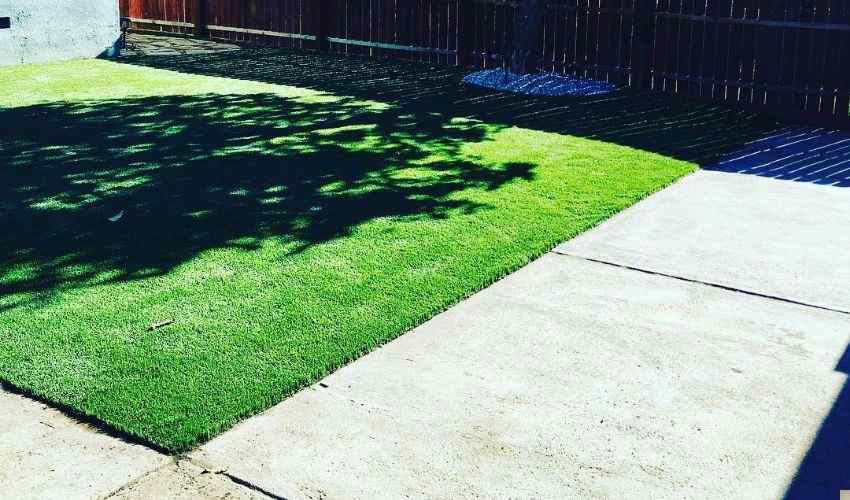
Before starting the installation, it is important to check whether your concrete surface is suitable.
The surface should be even and free from major cracks. If the base is uneven, the turf will not sit properly and may look unnatural. Drainage is another critical factor. Water should not collect on the surface after washing or rain.
If the concrete does not allow proper drainage, modifications must be made before proceeding. Ignoring these precautions can lead to long-term issues.
Tools And Materials Required
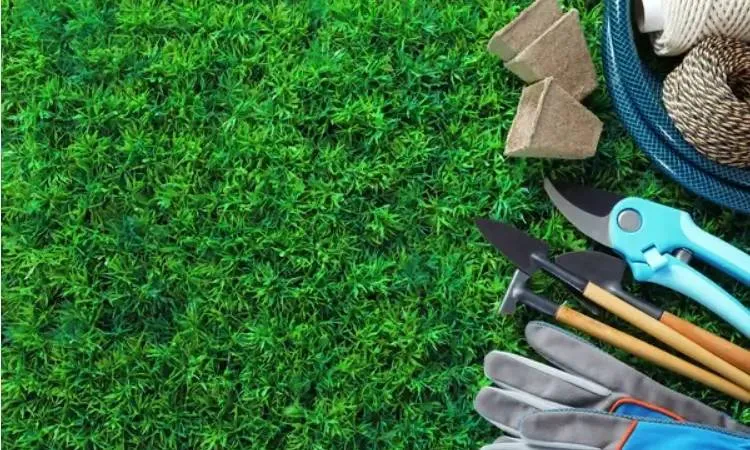
To complete the installation smoothly, you should gather all necessary tools and materials in advance.
You will need a stiff broom, hose or jet wash, a sharp knife, a drill, and mixing tools. For materials, artificial grass, foam underlay, adhesive glue, joining tape, and gaffer tape are essential. Proper preparation ensures that the process runs without interruptions.
Understanding The Installation Process
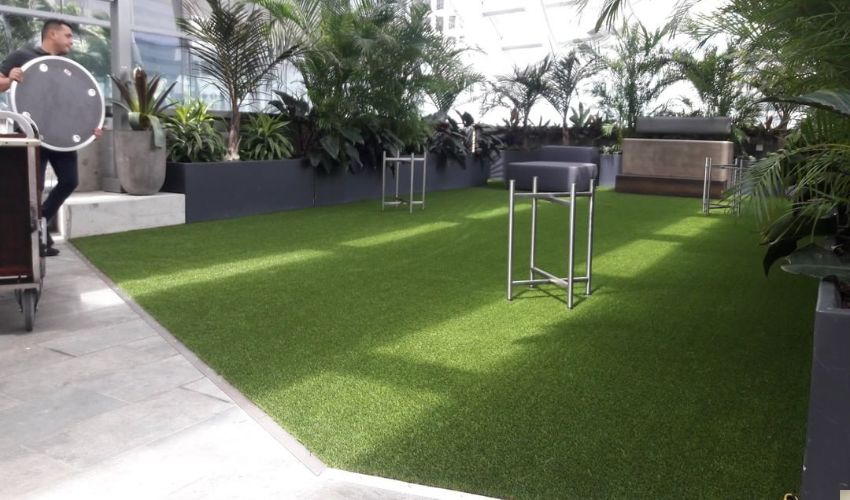
Installing artificial grass on concrete involves more than just laying the turf. Each step plays a role in ensuring durability, comfort, and proper drainage. Below is a refined 10-step process that covers everything from preparation to finishing.
Step 1: Inspect And Measure The Area
Start by carefully inspecting the concrete surface. Look for cracks, uneven spots, or drainage issues. Measure the area accurately so you can calculate how much turf, adhesive, and underlay you will need. Proper measurements reduce waste and ensure a better fit.
Step 2: Clean The Concrete Surface
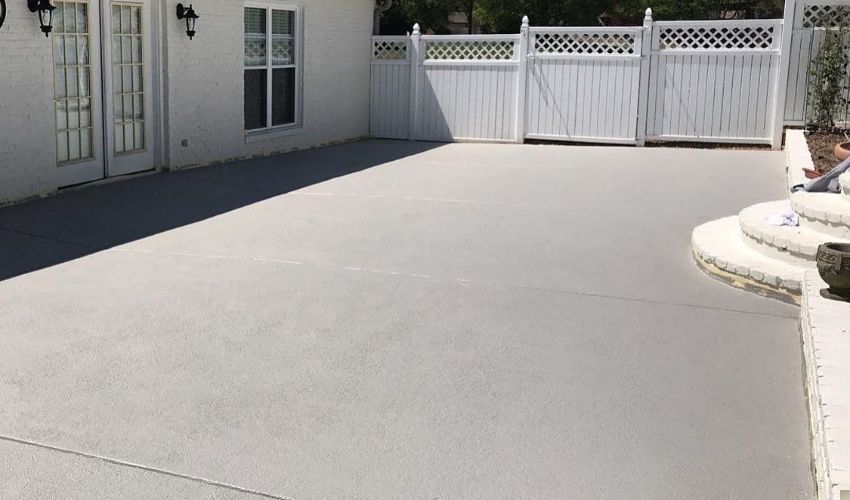
A clean surface is essential for strong adhesion. Remove dust, dirt, grease, and debris using a broom or jet wash. If weeds or moss are present, treat them before cleaning. Allow the surface to dry completely before moving forward.
Step 3: Check And Improve Drainage
After cleaning, observe how water behaves on the surface. If water drains easily, you can proceed. If puddles form, you may need to drill small drainage holes or adjust the slope slightly. Good drainage prevents odor and water damage.
Step 4: Repair And Level The Surface
Fix any cracks or uneven areas using appropriate fillers. A smooth surface ensures that the turf sits evenly and looks natural. Skipping this step can result in visible bumps and reduced comfort.
Step 5: Install Foam Underlay
Lay a foam underlay across the concrete surface. This layer adds cushioning and improves comfort underfoot. Secure the underlay pieces using tape to prevent movement. It also helps reduce noise and enhances drainage.
Step 6: Let The Artificial Grass Acclimatize
Before installation, unroll the artificial grass and leave it for a few hours. This allows it to relax and flatten naturally. This step helps remove wrinkles and makes the installation process easier.
Step 7: Cut Grass And Position It Properly
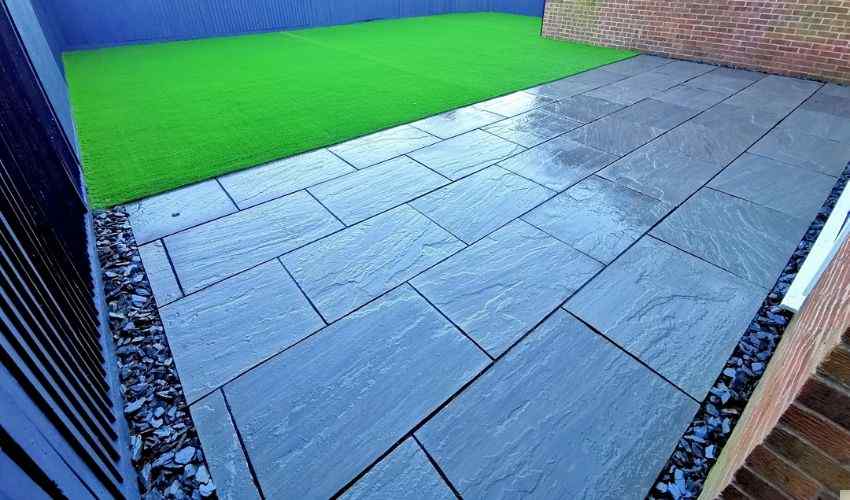
Place the turf over the underlay and adjust it to fit the area. Make sure all pieces face the same direction for a consistent look. Trim the edges carefully using a sharp knife. Accurate cutting ensures a clean and professional finish.
Step 8: Join Multiple Pieces Seamlessly
If your installation requires more than one piece, join them using joining tape and adhesive. Align the edges carefully to avoid visible seams. Poor joining can affect both appearance and durability.
Step 9: Secure The Edges And Perimeter
Apply adhesive along the edges and perimeter to fix the turf in place. Press firmly to ensure proper bonding. Allow the adhesive to set for a few hours. This step prevents movement and keeps the turf stable.
Step 10: Add Finishing Touches
Spread kiln-dried sand evenly over the surface. This helps the fibers stand upright and improves the natural look. Brush the turf gently to distribute the sand and lift the grass fibers. This final step enhances both appearance and durability.
Common Mistakes To Avoid
Many installation issues come from skipping important steps. Not preparing the surface properly can lead to uneven results. Ignoring drainage can cause water buildup and odor problems. Using low-quality adhesive or failing to secure edges can result in shifting turf. Rushing the process often leads to poor finishing. Paying attention to details ensures long-lasting results.
Final Words
Installing artificial grass on concrete is a practical way to transform a hard and unattractive surface into a comfortable and visually appealing space. While the process is straightforward, it requires careful preparation and attention to detail.
Following a structured approach ensures that the turf remains stable, drains properly, and looks natural over time. Each step, from cleaning to finishing, plays an important role in the final outcome.
If done correctly, artificial grass can completely change the look and feel of your outdoor area, providing a low-maintenance and long-lasting solution for years to come.