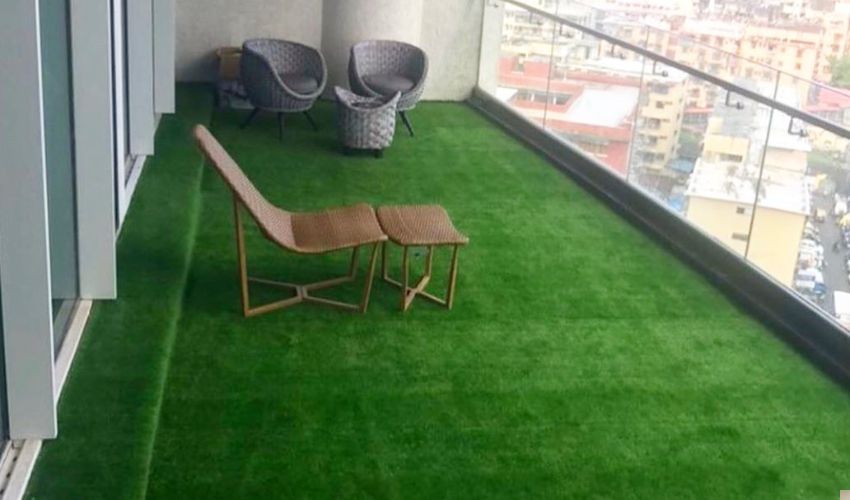
Artificial grass installation may seem straightforward, but most long-term issues come from mistakes made during the base preparation and fitting stages. While DIY installation can save money initially, poor execution often leads to uneven surfaces, drainage problems, and reduced lifespan. Here we outline 20 common blunders along with practical fixes, so you can approach your project with a more professional mindset and avoid costly corrections later.
1. Skipping Proper Excavation
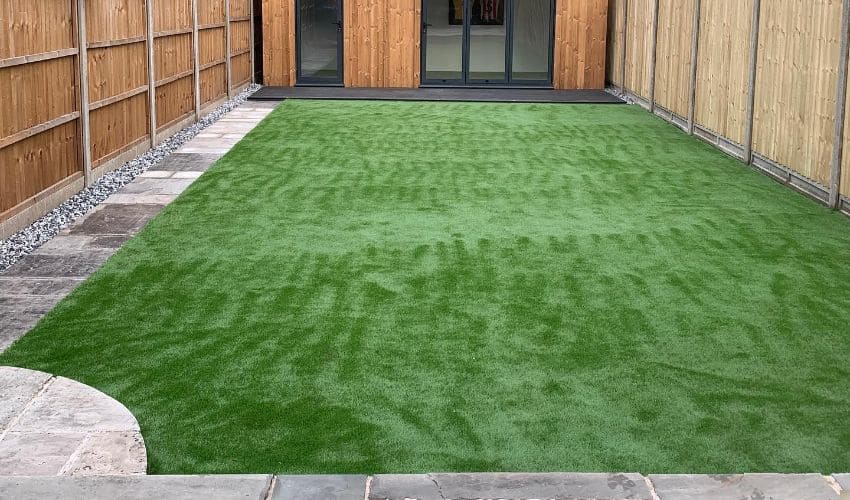
One of the most frequent mistakes is installing artificial grass directly over existing soil or grass. This shortcut leads to uneven settling, poor drainage, and visible bumps over time. Organic material beneath the turf decomposes, creating instability and surface irregularities that worsen with use and exposure to weather.
Fix:
Excavate at least 3–4 inches deep, or up to 6 inches in areas with poor drainage. Remove all roots, debris, and organic matter before proceeding.
2. Ignoring Soft Spots in the Base
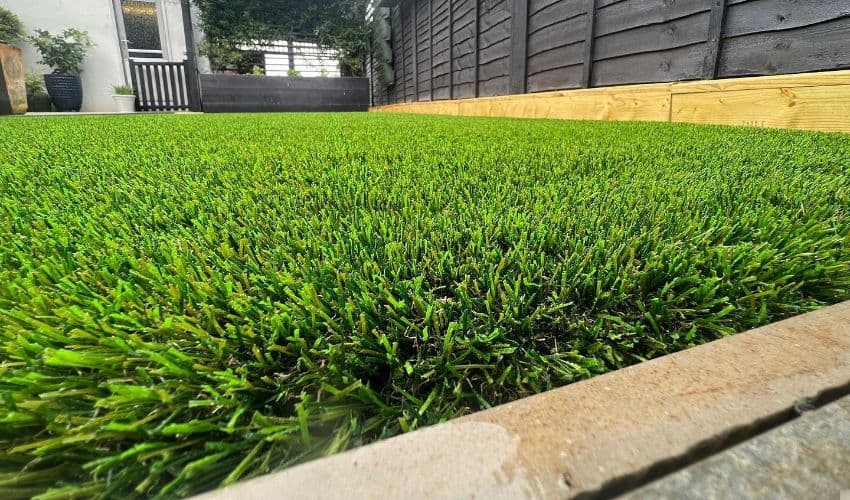
After excavation, many people fail to check for weak or soft areas in the ground. These spots compress under pressure, causing dips and an uneven lawn surface. Over time, this affects both the appearance and usability of the turf, especially in high-traffic zones where stability is essential.
Fix:
Walk across the entire area and identify sinking spots. Remove soft soil and refill with compacted crushed stone to ensure a stable base.
3. Not Installing a Weed Membrane
Skipping a weed membrane might not show immediate consequences, but weeds can eventually grow through the turf backing. This not only affects aesthetics but also damages the structure of the installation over time, requiring maintenance that could have been avoided with proper preparation.
Fix:
Install a durable weed barrier across the entire area. Overlap edges properly to prevent any gaps that could allow weed growth.
4. Weak or Incorrect Sub-base
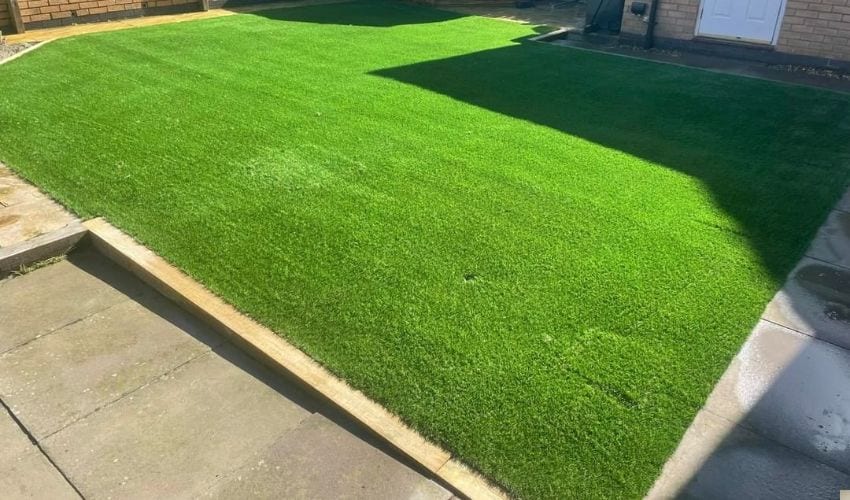
The sub-base is the structural foundation of artificial grass, yet many DIY installers either use insufficient material or the wrong type. A weak base cannot handle foot traffic or environmental stress, leading to sinking and shifting over time, which compromises the entire installation.
Fix:
Use a solid sub-base of crushed stone (such as MOT Type 1) at a depth of 50–75 mm and compact it in layers.
5. Using Sharp Sand as a Base Layer
Sharp sand is sometimes used because it is affordable and easy to spread. However, it does not bind well, which results in movement and instability under pressure. This can cause unevenness and visible deformation in the turf over time, especially after rainfall or heavy usage.
Fix:
Replace sharp sand with crushed granite or stone dust, as these materials compact better and provide a more stable surface.
6. Poor Compaction
Even when the right materials are used, improper compaction can undermine the entire installation. A loosely compacted base will settle unevenly, leading to dips and surface irregularities that are difficult to fix once the turf is installed. This is a common but avoidable issue.
Fix:
Use a vibrating plate compactor and compact the base in layers rather than all at once to ensure consistent density.
7. Uneven Laying Surface
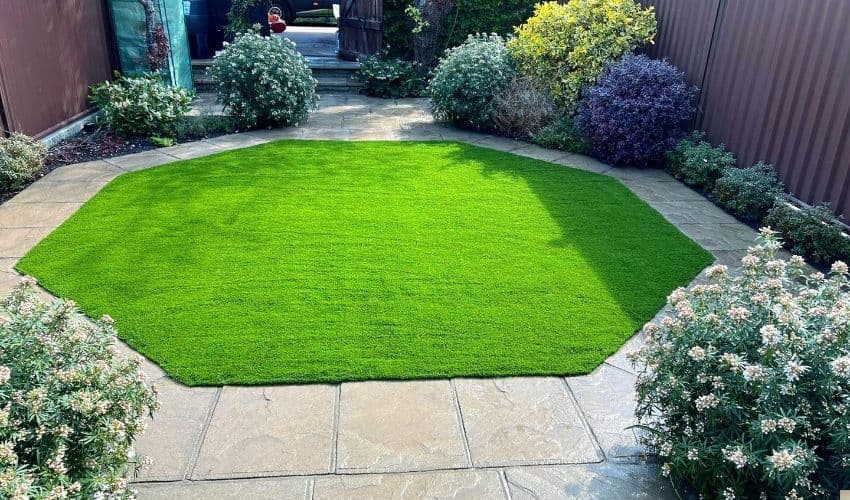
A slightly uneven surface might not seem like a major issue before installation, but it becomes highly visible once the turf is laid. Imperfections in the base translate directly to the final appearance, affecting both aesthetics and usability.
Fix:
Level the surface carefully using a screed or float. Check from different angles to ensure a smooth and even finish.
8. No Edge Restraints
Without proper edge restraints, the base materials can spread outward over time, causing the turf to lose its defined shape. This leads to movement, lifting edges, and a less professional finish that deteriorates faster under regular use.
Fix:
Install strong edge restraints using metal, plastic, or concrete borders to secure the entire structure.
9. Not Allowing Turf to Acclimatize
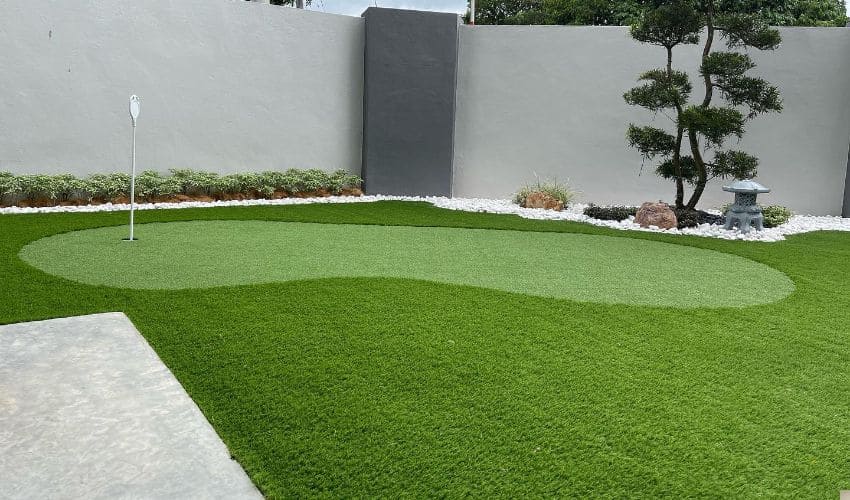
Artificial grass is delivered in rolls, which often develop creases and folds during storage and transport. Installing it immediately can lock these imperfections into place, affecting the overall appearance and finish of the lawn.
Fix:
Unroll the turf and let it sit in the sunlight for several hours. This allows it to expand and flatten naturally before installation.
10. Incorrect Pile Direction
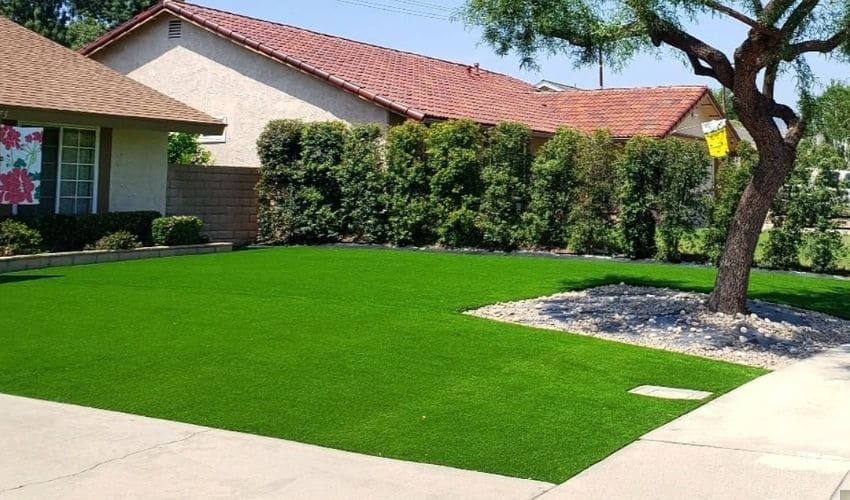
Artificial grass fibers have a natural direction, and placing sections inconsistently results in visible color variation. This creates an unnatural, patchy appearance that reduces the overall aesthetic appeal of the lawn.
Fix:
Ensure all turf pieces are aligned in the same direction before cutting and joining to maintain a uniform look.
11. Poor Seam Cutting
Seams are one of the most noticeable parts of artificial grass installation. Poor cutting leads to visible gaps or overlaps that disrupt the natural appearance of the lawn and weaken the joint structure over time.
Fix:
Cut along the stitch lines carefully and remove excess backing to create clean, tight joins between sections.
12. Weak Seaming
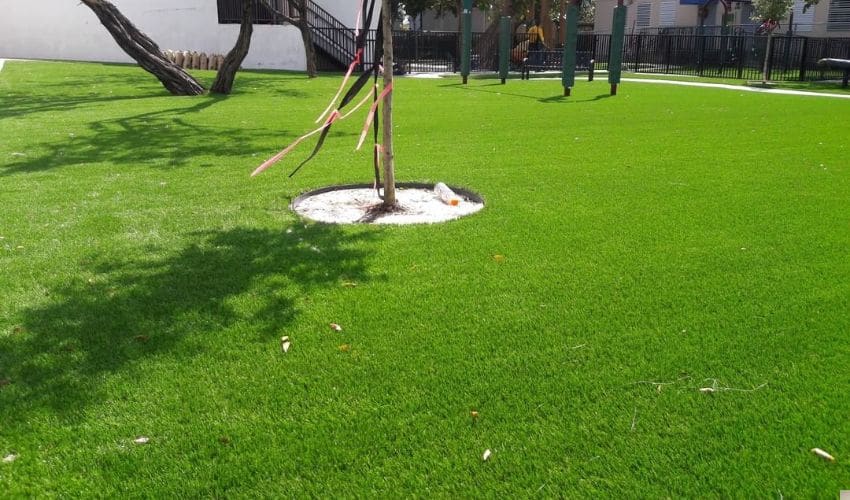
Improperly secured seams can separate over time, especially in high-use areas. This creates visible lines and reduces the installation’s durability, often requiring repairs that could have been avoided initially.
Fix:
Use high-quality seam tape and adhesive. Apply evenly across the joint and press firmly to secure both sides.
13. Incorrect Placement of Seam Tape
Placing seam tape incorrectly weakens the bond between turf sections. Misalignment can cause uneven joins and increase the chances of separation, particularly in changing weather conditions.
Fix:
Position the seam tape centrally beneath the join, ensuring both edges sit evenly on top before applying adhesive.
14. Overusing or Underusing Adhesive
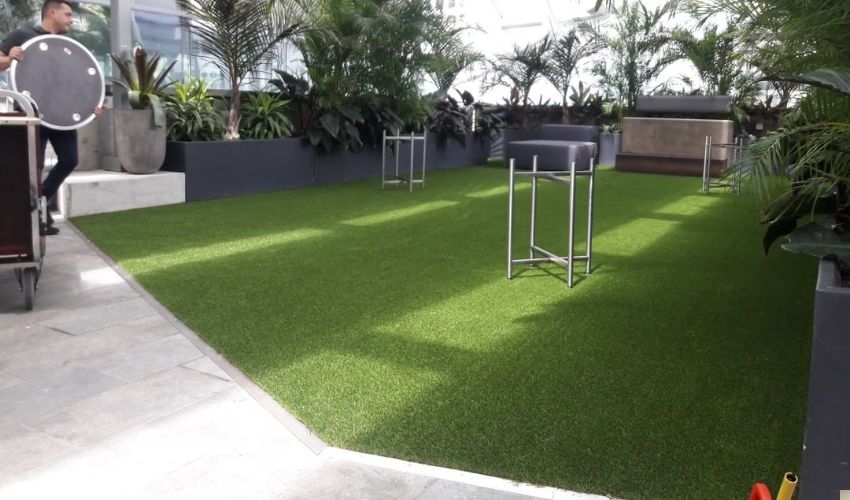
Using too much adhesive creates stiffness and uneven bonding, while too little leads to weak joins. Both mistakes compromise the durability and appearance of the turf over time.
Fix:
Apply a consistent, thin layer of adhesive across the seam tape to achieve a balanced and strong bond.
15. Unsecured Edges
Edges are particularly vulnerable to lifting, especially in high-traffic or windy areas. If not properly secured, they can curl or shift, affecting both safety and appearance.
Fix:
Secure edges using galvanized nails or strong adhesive at regular intervals along the perimeter.
16. Skipping Sand Infill
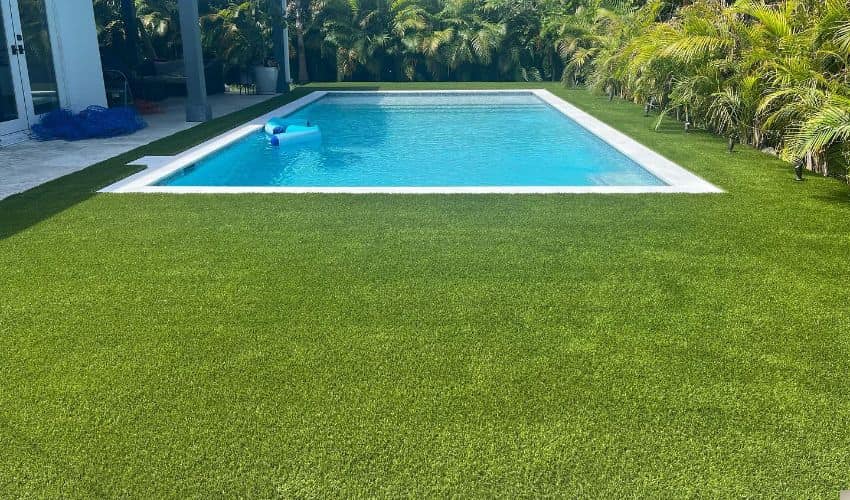
Sand infill plays a critical role in stabilizing artificial grass and supporting the fibers. Without it, the turf can shift, wrinkle, and wear out more quickly, especially under regular use.
Fix:
Apply silica sand evenly across the surface to improve stability, drainage, and overall performance.
17. Not Brushing the Turf
After installation, many people skip the brushing step, which results in flattened fibers and uneven distribution of infill. This reduces the natural look and feel of the turf.
Fix:
Use a power brush to lift the fibers and evenly distribute the infill, enhancing both appearance and durability
18. Choosing Low-Quality Turf
Opting for cheaper turf might reduce upfront costs, but it often leads to faster wear, fading, and reduced durability. This decision affects long-term value and overall satisfaction.
Fix:
Invest in high-quality turf with good density, UV resistance, and durable backing for better long-term performance.
19. Ignoring Drainage Planning
Without proper drainage, water can accumulate beneath the turf, leading to unpleasant odors, mold, and structural issues. This is especially problematic in areas with heavy rainfall or poor soil conditions.
Fix:
Ensure a slight slope and use permeable base materials to allow efficient water drainage
20. Rushing the Installation Process
Many installation mistakes occur simply because the process is rushed. Skipping steps or not allowing time for proper preparation leads to long-term issues that are difficult and expensive to fix later.
Fix:
Follow each step carefully and give adequate time for excavation, leveling, compaction, and installation.
Final Thoughts
Artificial grass installation is not just about laying turf; it is about building a stable, well-prepared foundation that supports long-term performance. Most failures are not due to the turf itself but to mistakes made during installation. If you approach the process with patience and precision, you can achieve professional-level results. Otherwise, the cost of fixing mistakes later may outweigh the savings of doing it yourself.