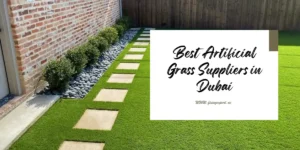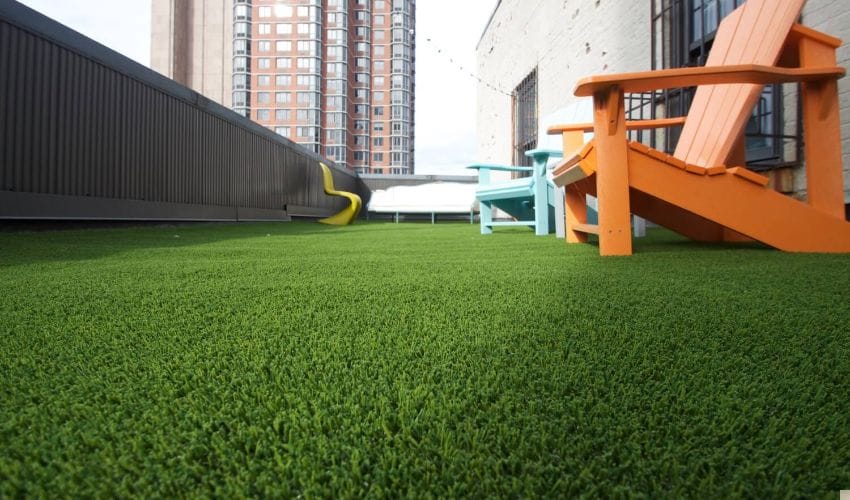
Artificial grass has moved far beyond being just a substitute for natural lawns. In 2026, it is a smart landscaping solution used in homes, commercial spaces, sports facilities, and even indoor environments. It offers convenience, durability, and a consistently fresh look without the effort required to maintain natural grass.
Despite its growing popularity, many people still struggle to choose the right type. The confusion usually comes from a lack of understanding about materials, pile heights, colours, and intended usage. Not all artificial grass is the same, and selecting the wrong type can lead to poor performance and wasted money.
Types of Artificial Grass Based on Material
Artificial grass is primarily classified into three types based on the material used in manufacturing. Each material has distinct characteristics that affect durability, appearance, and comfort.
1. Nylon Artificial Grass
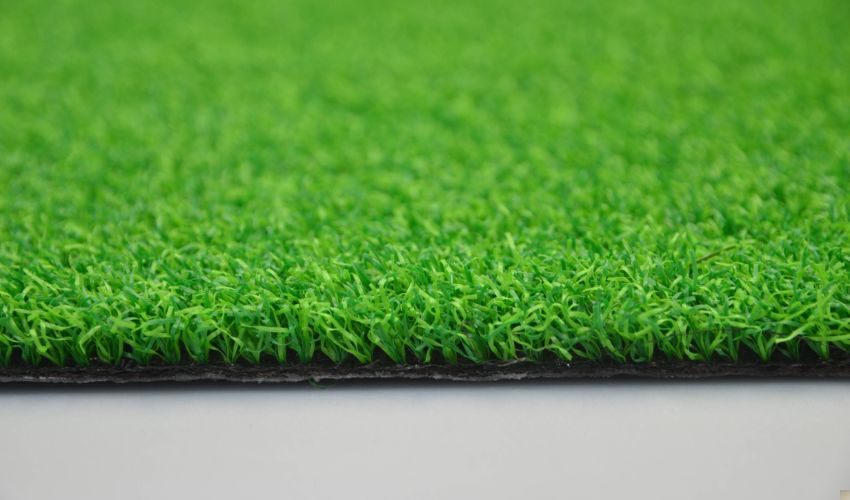
Nylon is considered the strongest and most durable type of artificial grass available today. It is designed to handle extreme conditions, including heavy foot traffic and high temperatures. This material maintains its shape even after prolonged use. It does not flatten easily, which makes it suitable for areas that experience constant pressure. Because of its strength, nylon is often blended with other materials to improve their durability.
However, strength comes at a cost. Nylon tends to be more expensive than other options. It also has a slightly stiff texture, which makes it less comfortable for relaxation areas. Visually, it may not look as natural as softer materials. Nylon is best suited for sports areas, commercial spaces, and any location where durability matters more than softness.
2. Polyethylene Artificial Grass
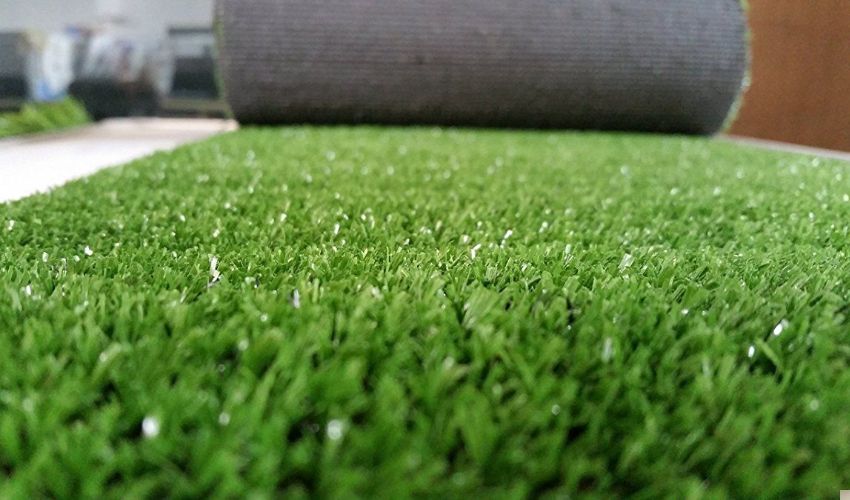
Polyethylene is the most popular choice among homeowners. It strikes a balance between appearance, comfort, and performance. This type of grass has a soft texture and a natural-looking finish. It closely resembles real grass, which makes it ideal for residential landscaping. It is also safe for children and pets, as it does not feel rough underfoot.
Another advantage is its resistance to odors. It does not absorb moisture easily, which helps maintain cleanliness in pet areas. Maintenance is simple, requiring only occasional cleaning.
However, polyethylene is not as strong as nylon. It may not perform well under extremely heavy weight or constant pressure. It is better suited for moderate use rather than high-impact environments.
3. Polypropylene Artificial Grass
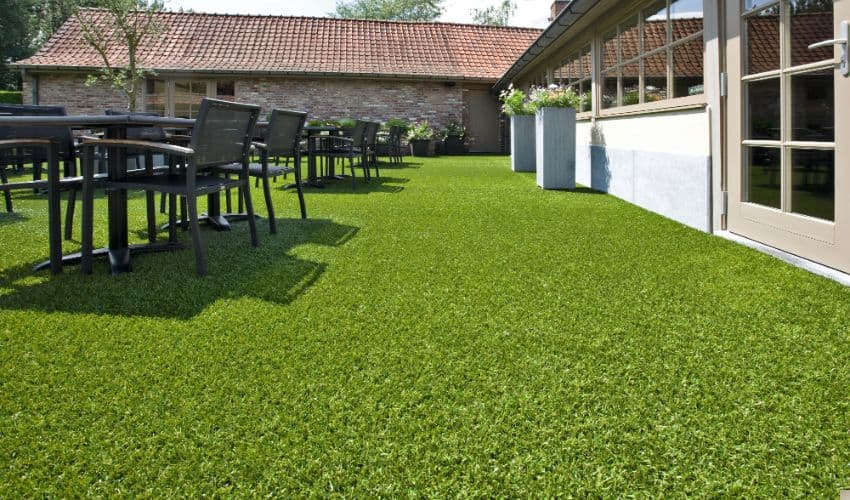
Polypropylene is the most affordable option, but it is also the least durable. It is commonly used for decorative purposes rather than functional areas. This material works well in low-traffic spaces such as indoor installations, event setups, or decorative landscaping. It offers a visually appealing surface at a lower cost.
The downside is its limited strength. It cannot handle high temperatures or heavy usage. Over time, it may lose its shape and appearance. Polypropylene is best used in areas where aesthetics are the priority and foot traffic is minimal.
Key Features of Artificial Grass
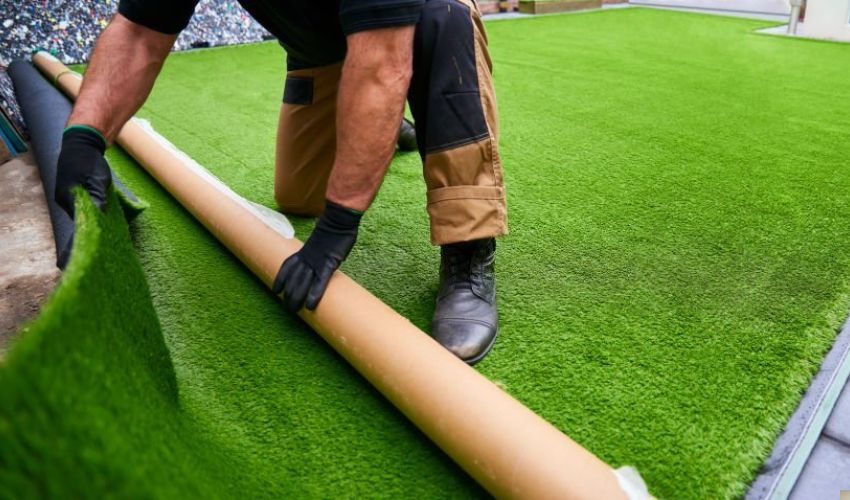
Understanding features is just as important as choosing the material. modern artificial grass comes with advanced properties that improve performance and longevity.
UV Resistance
High-quality artificial grass is designed to resist ultraviolet rays. This prevents fading and damage caused by prolonged sun exposure. In hot climates, this feature is essential for maintaining color and durability.
Strong Backing System
The backing layer holds the grass fibers together and ensures stability. Urethane or latex backing is commonly used to provide durability and proper drainage. A strong backing system increases the lifespan of the turf.
Non-Absorbent Fibers
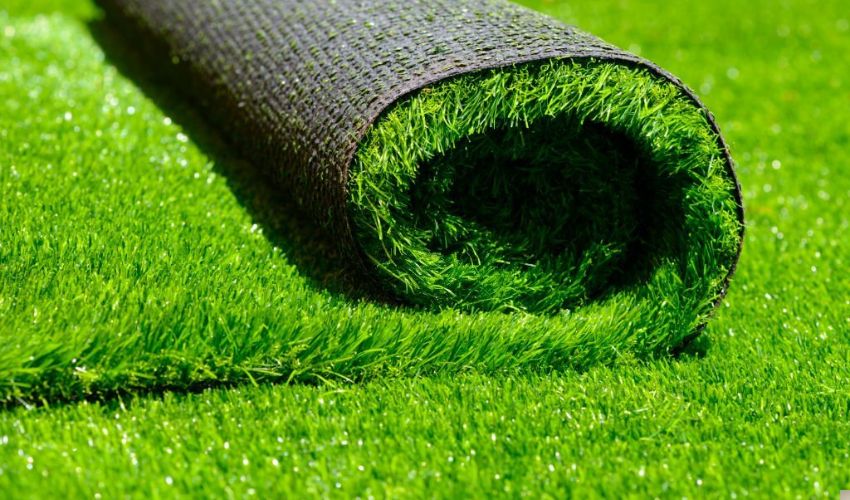
Artificial grass is made with fibers that do not absorb water. This prevents unpleasant odors, especially in areas used by pets. It also helps maintain hygiene and reduces maintenance efforts.
Heat and Frost Resistance
Temperature fluctuations can damage natural grass, but artificial grass is designed to withstand both heat and cold. It remains stable in different weather conditions, making it suitable for year-round use.
Fire Resistance
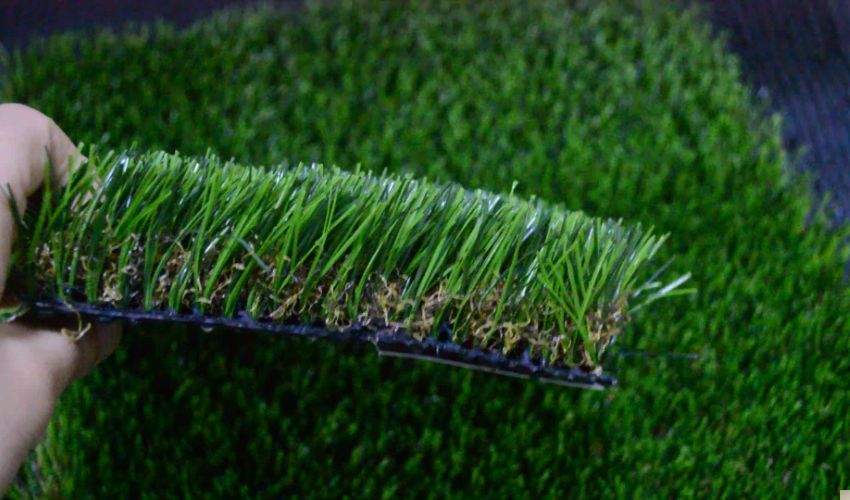
Many modern artificial grass products are manufactured with fire-resistant properties. This adds an extra layer of safety, particularly in outdoor areas exposed to heat sources.
Perforation for Drainage
Drainage holes allow water to pass through the surface quickly. This prevents water accumulation and keeps the area clean and usable even after rain.
Stain Resistance
Artificial grass does not stain easily. Whether it is food, pet waste, or outdoor debris, cleaning is usually simple and quick.
Colors of Artificial Grass
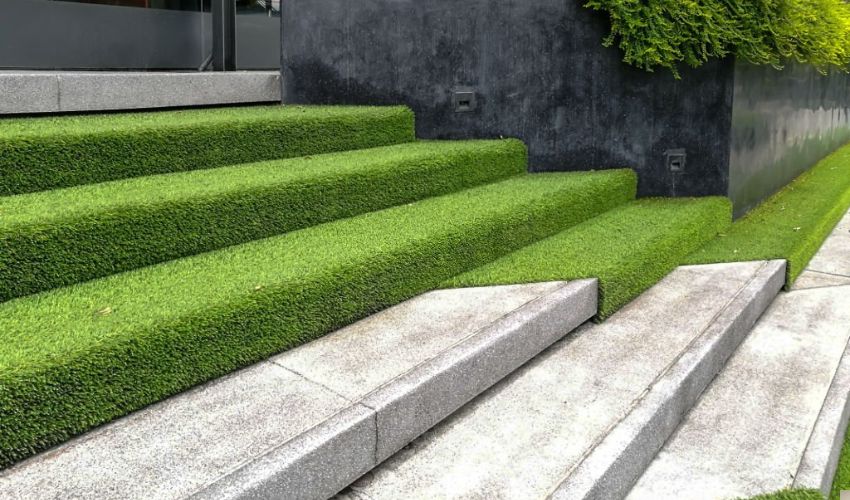
Color plays a major role in how realistic or decorative your artificial grass looks. Modern options go beyond basic green and offer a variety of shades and tones.
Natural Green Shades
Contrary to common belief, a single solid green color does not look natural. Real grass has variations in tone, so high-quality artificial grass includes a mix of shades such as olive green, dark green, and lime. This combination creates depth and gives the surface a more realistic appearance.
Bright and Decorative Colors
Artificial grass is also available in vibrant colors like red, yellow, blue, purple, and orange. These are mostly used in playgrounds, sports facilities, and creative interior designs.
They add energy and visual interest, especially in spaces designed for children or recreational activities.
Blue Artificial Grass
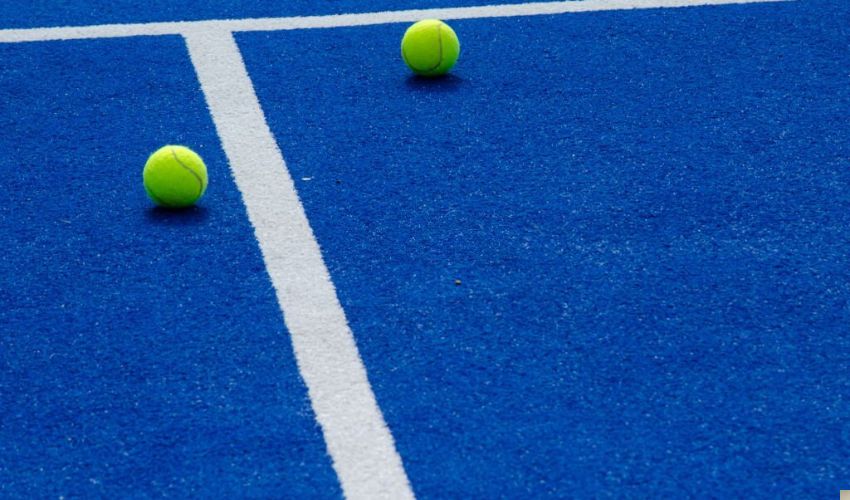
Blue grass is often used around pools or water-themed areas. It enhances the visual effect of water and creates a unique aesthetic. It is also popular in play zones where bright colors increase engagement.
Pile Height of Artificial Grass
Pile height refers to the length of the grass blades. It affects both the appearance and functionality of artificial grass.
Short Pile (Below 30mm)
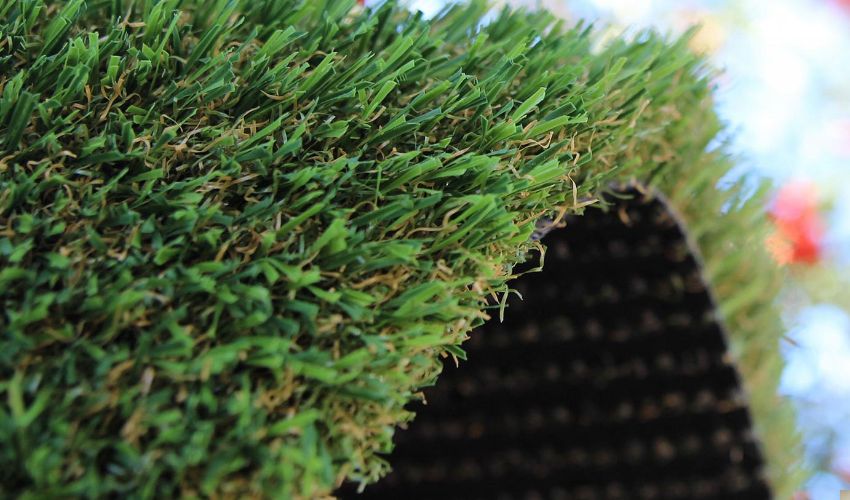
Short pile grass is firm and compact. It is easier to clean and maintain, which makes it ideal for pet areas and high-traffic zones. However, it does not look as natural as longer grass and may feel less comfortable.
Medium Pile (30mm to 37mm)
Medium pile height is the most balanced option. It offers a natural appearance while maintaining durability. This type is widely used in residential lawns because it looks realistic without becoming too heavy or difficult to maintain.
Long Pile (Above 37mm)
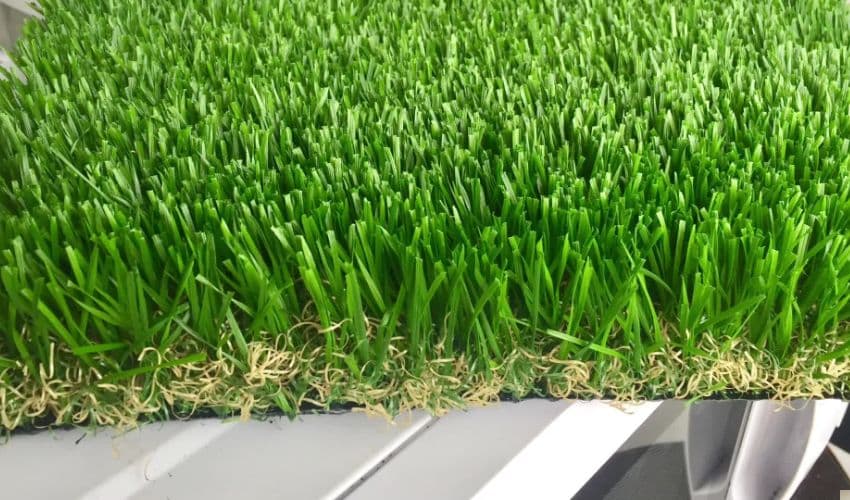
Long pile grass has a lush and luxurious appearance. It creates a soft surface, making it comfortable for relaxation areas. However, it can flatten over time and may require more maintenance to keep it upright. If not properly maintained, it can lose its natural look.
Usage of Artificial Grass
Artificial grass is highly versatile and can be used in various settings. Choosing the right type depends on how and where it will be used.
Playgrounds
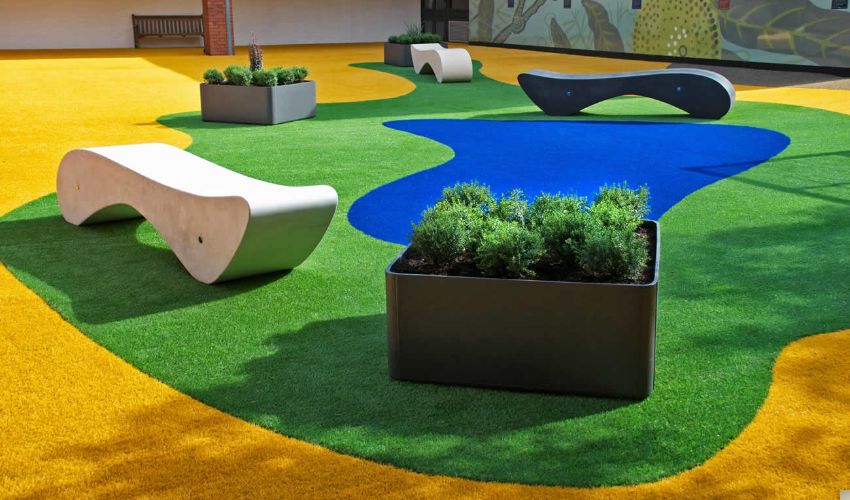
Artificial grass is widely used in children’s play areas because it provides a safer surface. It reduces the risk of injuries and keeps the area clean. It also prevents mud formation, ensuring that children can play without creating mess.
Pet Areas
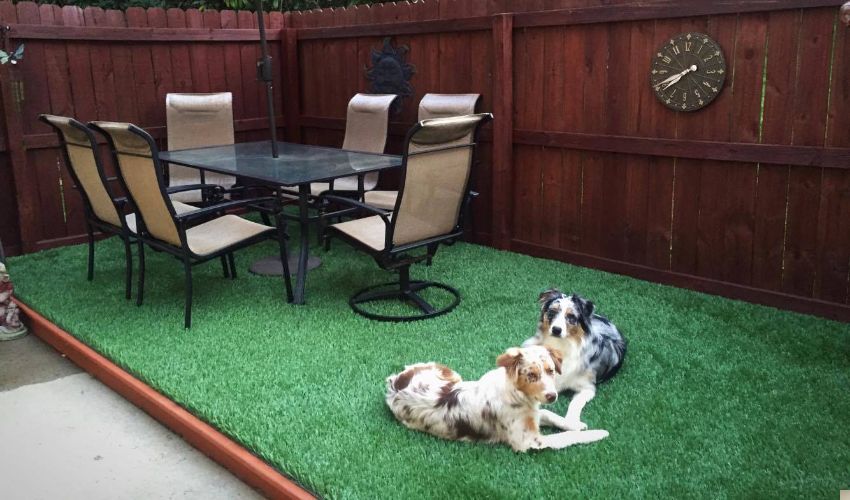
Pet-friendly artificial grass is designed for durability and easy cleaning. It allows proper drainage and prevents odor buildup. Pets stay clean, and owners do not have to deal with muddy paws or damaged lawns.
Sports Fields
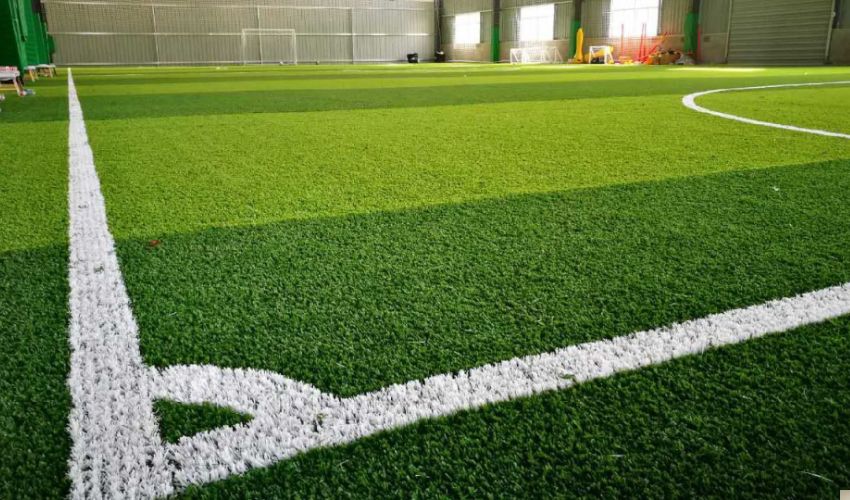
Sports complexes rely on artificial grass for consistent performance. It provides a stable surface that does not become muddy or slippery. Different sports require different turf specifications, which can be customized accordingly.
Residential Lawns
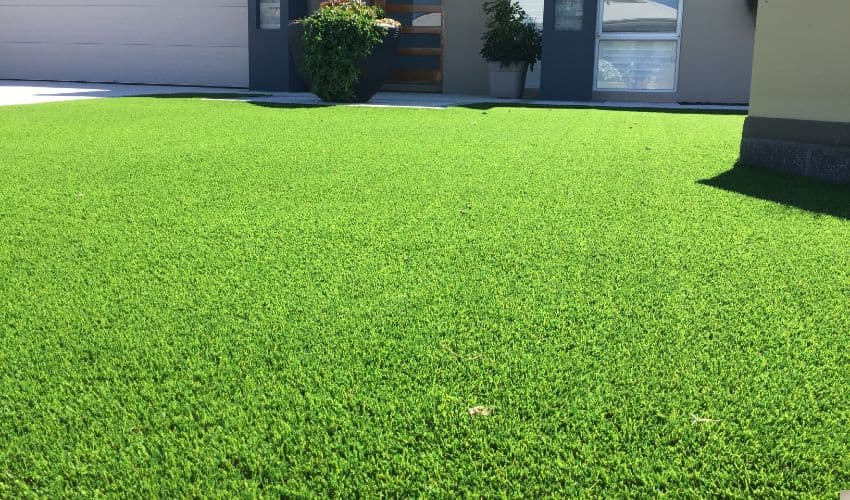
For homeowners, artificial grass offers convenience. There is no need for watering, mowing, or fertilizing. It maintains a fresh appearance throughout the year, making it a practical solution for modern living.
Golf Areas
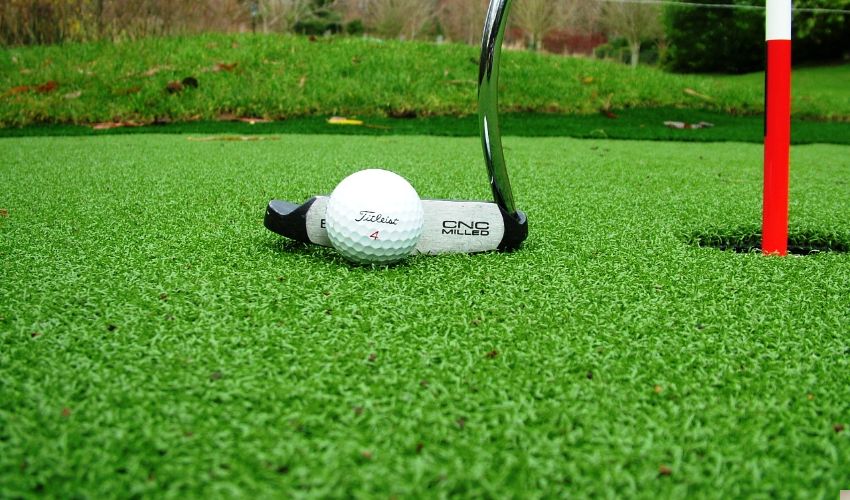
Artificial turf is commonly used for putting greens. It allows players to practice in a controlled environment without leaving home.
It can be installing artificial grass both indoors and outdoors, offering flexibility for golf enthusiasts.
Balconies and Terraces
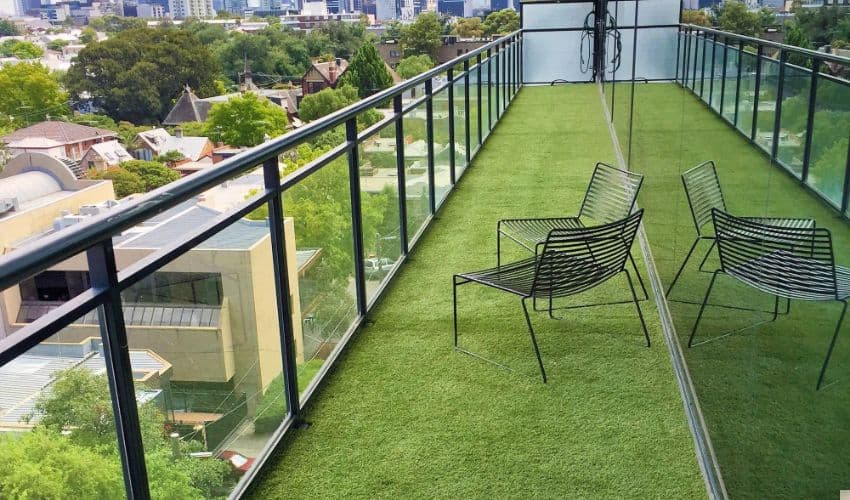
Urban living often limits access to natural greenery. Artificial grass provides a simple way to add a natural touch to balconies and terraces.
It is lightweight, easy to install, and requires minimal maintenance.
Decorative and Commercial Use
Artificial grass is also used in exhibitions, offices, and event setups. It creates a visually appealing environment without long-term maintenance requirements.
How to Choose the Right Artificial Grass
Choosing artificial grass is not just about appearance. It requires a practical approach based on your needs.
If durability is your priority, nylon is the best option. For a natural look and comfort, polyethylene works well. If you need a budget-friendly solution for decorative use, polypropylene is sufficient.
Pile height should match your usage. High-traffic areas benefit from shorter grass, while relaxation zones can use longer blades.
Color selection should also be intentional. Natural tones work best for lawns, while bright colors are suitable for creative spaces.
Final Thoughts
Artificial grass has become a reliable and versatile solution for modern spaces. With multiple materials, colors, and pile heights available, it offers flexibility for different needs and preferences. The key is to choose wisely based on usage rather than just appearance. A well-informed decision ensures long-term satisfaction and better value for money.
Instead of treating artificial grass as a simple alternative to natural lawns, it should be seen as a tailored solution. When selected correctly, it can enhance both functionality and aesthetics in any space.