Artificial grass has quickly become a preferred choice for modern outdoor spaces. Homeowners and businesses are replacing natural lawns with synthetic turf because it offers a consistently green appearance without the constant upkeep. It eliminates the need for watering, mowing, and fertilizing, which makes it both cost-effective and time-saving.
However, the idea that artificial grass requires no maintenance at all is misleading. While it is much easier to care for than natural grass, it still needs regular cleaning to maintain its appearance and extend its lifespan. Dust, debris, pet waste, and environmental factors can affect its condition over time. With the right approach, maintaining artificial turf becomes a simple routine rather than a difficult task.
Weekly Maintenance Routine
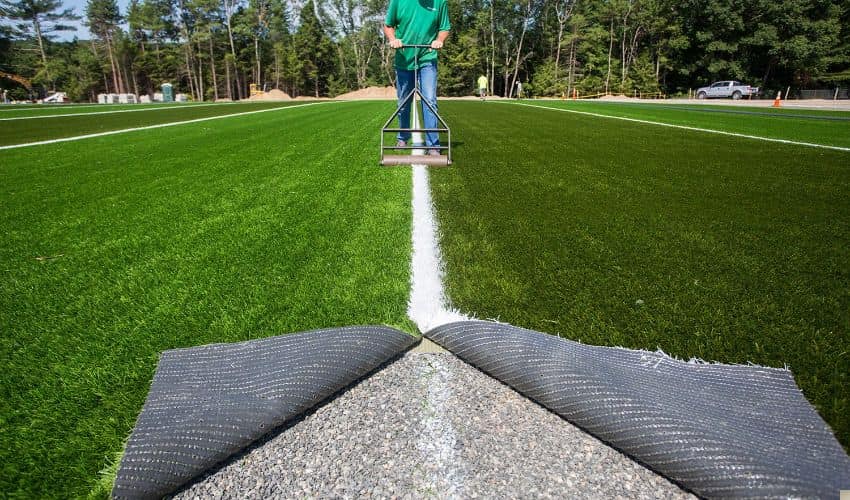
Unlike natural grass, artificial turf does not demand constant attention. Still, a basic weekly routine helps preserve its look and performance. Instead of intensive labor, the goal here is light and consistent care.
A quick inspection of the surface can help you identify debris, uneven fibers, or minor issues before they become bigger problems. Regular cleaning also prevents buildup, which can affect drainage and hygiene. If you stay consistent with small efforts, you will rarely need deep cleaning.
Tools You May Need For Maintenance
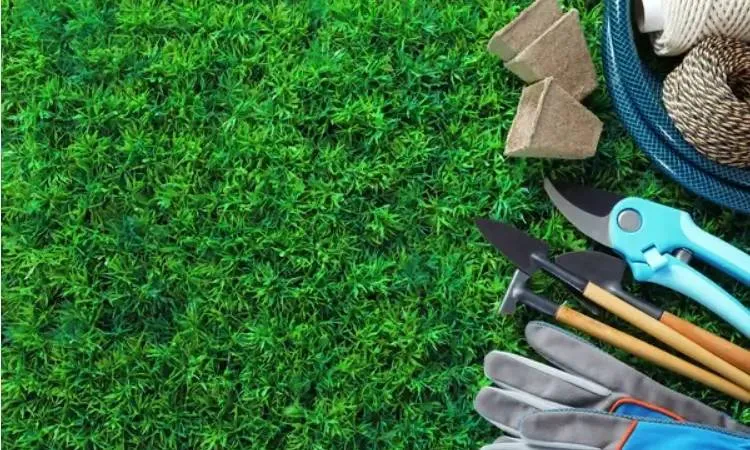
Cleaning artificial grass does not require complex equipment, but having the right tools makes the process easier and more effective.
A plastic leaf rake or a broom is useful for removing debris without damaging the fibers. A leaf blower can save time, especially for larger areas. A spray bottle and turf cleaner help with stains and odors, while a weed killer can handle unwanted growth.
For deeper cleaning, a power brush can help lift flattened fibers and restore the natural look of the turf.
5 Simple Steps To Clean Artificial Grass
Cleaning artificial grass becomes much easier when you follow a structured approach. These five steps cover both basic and slightly deeper cleaning needs.
Step 1: Remove Debris And Loose Dirt
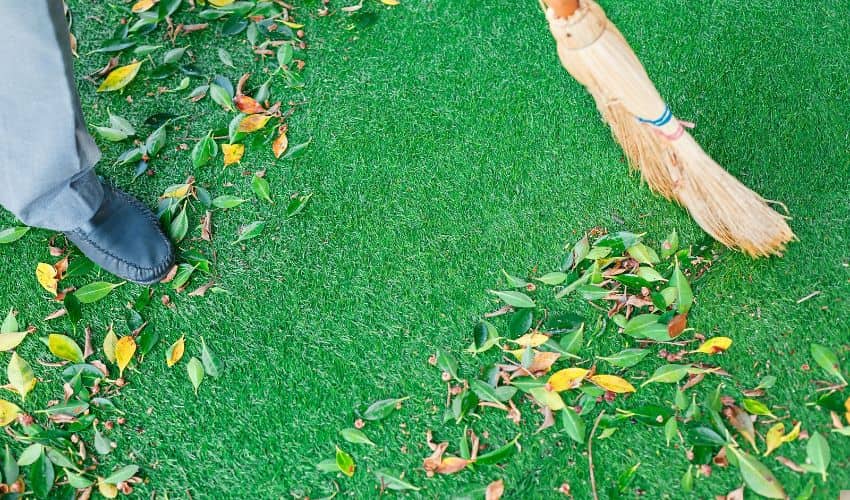
Start by clearing leaves, dust, and debris from the surface. Use a plastic rake or a leaf blower for better efficiency. Avoid metal tools, as they can damage the synthetic fibers.
If the debris is wet, it is better to wait until it dries. Dry leaves are easier to remove and do not stick to the surface.
Step 2: Brush The Grass Fibers
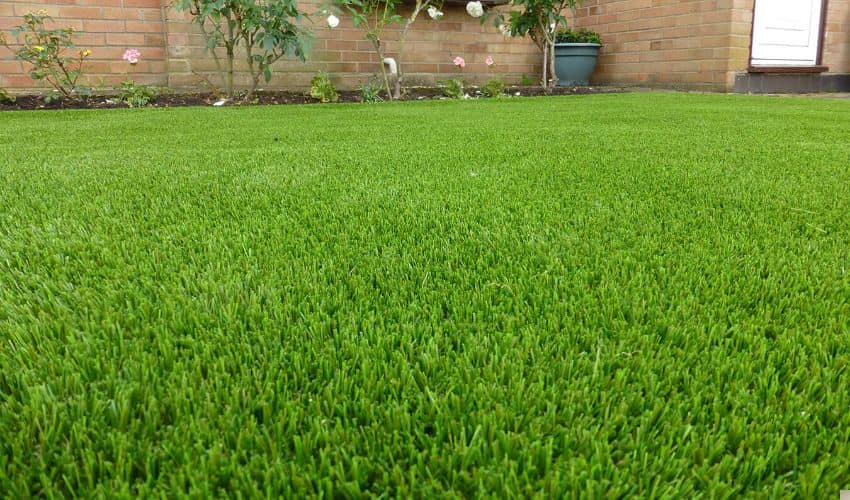
Over time, foot traffic can flatten the grass fibers. Brushing helps restore their upright position and improves the overall appearance. Use a stiff broom or a power brush and move it against the natural direction of the fibers. This technique lifts the blades and removes trapped dirt from the base.
Step 3: Treat Weeds And Unwanted Growth
Even though artificial grass reduces weed growth, it does not eliminate it completely. Weeds can still appear along edges or from airborne seeds. Instead of pulling them out forcefully, apply a weed killer and allow it to work. This prevents damage to the turf backing and ensures effective removal.
Step 4: Spot Clean Stains And Spills
Artificial grass is generally stain-resistant, but spills like coffee, oil, or food can still leave marks if ignored. Clean spills as soon as possible to avoid permanent stains. Use a mild detergent mixed with water and gently apply it to the affected area. Blot instead of scrubbing aggressively to protect the fibers.
Step 5: Rinse And Refresh The Surface
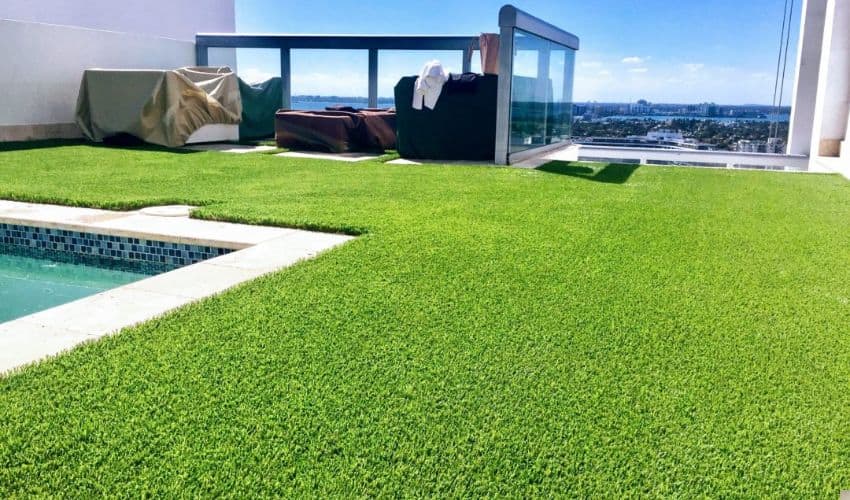
Finish the cleaning process by rinsing the turf with water. This removes remaining dust, pollen, and cleaning residue. In rainy conditions, nature may handle this step for you. However, during dry periods, occasional rinsing helps maintain freshness and hygiene.
Dealing With Pet Waste And Odor
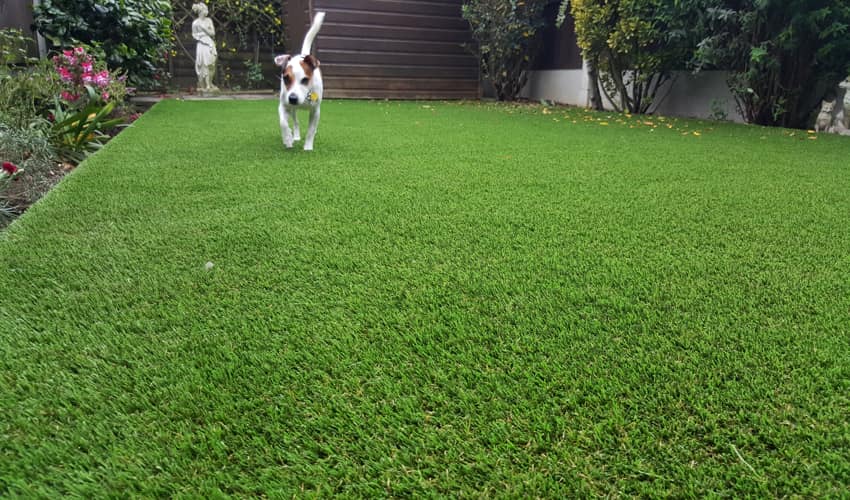
Artificial grass is pet-friendly, but it requires proper cleaning to prevent odors. Solid waste should be removed immediately, just like you would on any surface.
For urine, rinse the area with water to dilute and wash it away. If odor persists, a mixture of water and vinegar can help neutralize the smell. It is also a good idea to train pets to use a specific area, which makes cleaning more manageable.
Removing Mold And Preventing Growth
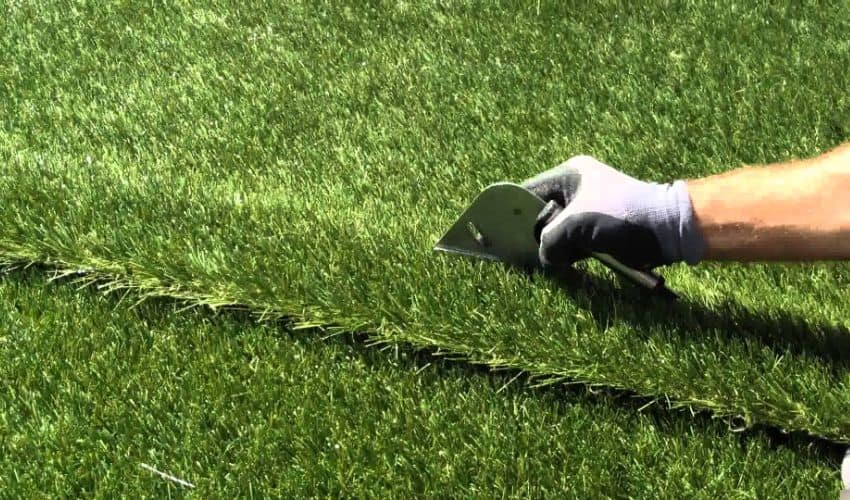
Mold usually develops due to moisture and accumulated organic matter like leaves. Regular cleaning reduces the chances of this issue.
If mold appears, remove debris first and apply a suitable cleaning solution. After treatment, rinse the area thoroughly and allow it to dry. Proper drainage and sunlight exposure also help prevent future growth.
Handling Snow And Weather Conditions
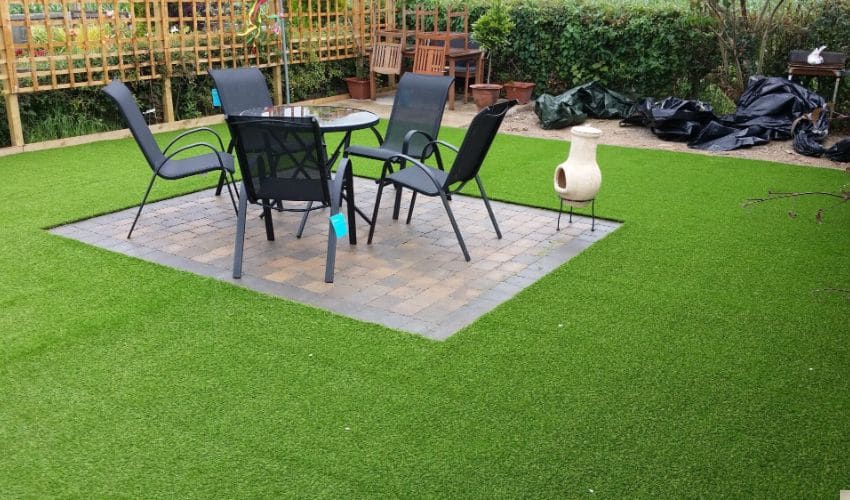
Artificial grass is designed to handle different weather conditions. Light snow usually melts and drains naturally without causing damage.
In case of heavy snowfall, it is better to remove excess snow gently. Avoid using sharp or metal tools, as they can harm the fibers. Letting nature take its course is often the safest option.
Preventing Heat And Surface Damage
Artificial turf can withstand heat, but certain conditions can still cause damage. One common issue is the magnifying effect from windows, where reflected sunlight intensifies heat and burns the grass.
Installing artificial grass shades or screens on nearby windows can reduce this risk. It is also important to avoid placing hot objects like barbecue equipment directly on the turf.
Common Mistakes To Avoid While Cleaning Artificial Grass
Many maintenance issues arise from simple mistakes. Dragging heavy furniture across the turf can damage the fibers, while using sharp tools can cut or weaken the surface.
Chewing gum and sticky substances should be avoided, as they are difficult to remove. Similarly, pulling weeds forcefully can damage the backing layer. Being careful with these small details helps maintain the quality of your artificial grass over time.
Final Words
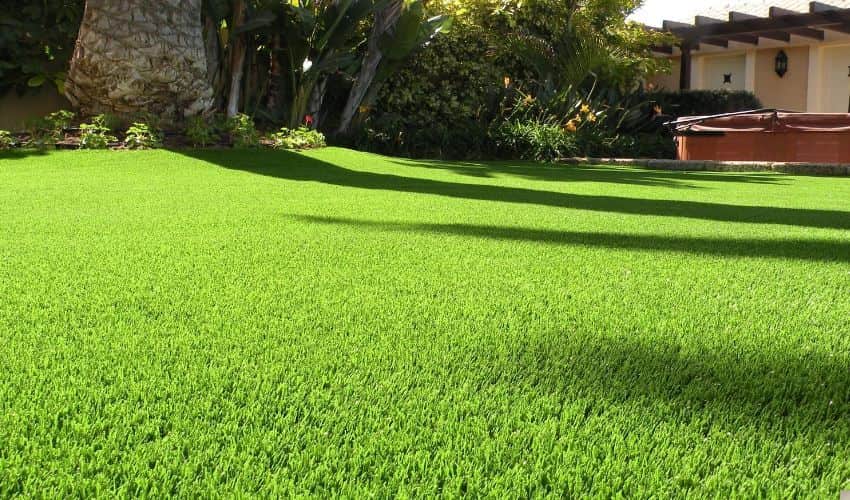
Artificial grass offers convenience, durability, and a consistently attractive appearance. However, its performance depends on how well it is maintained. While it does not demand constant effort, ignoring basic care can reduce its lifespan and visual appeal.
A simple routine that includes debris removal, brushing, and occasional rinsing is enough to keep it in excellent condition. Addressing stains, odors, and minor issues early prevents long-term damage and keeps your lawn looking fresh.
The key is consistency rather than intensity. When maintained properly, artificial turf remains a reliable and low-maintenance solution that enhances your outdoor space throughout the year.