Curtains are designed to offer privacy, control light, and complete the visual balance of a room. But when light starts leaking from the top or sides, even high-quality curtains can feel ineffective. The room remains partially lit, your privacy is compromised, and the overall ambiance feels unfinished.
This issue becomes even more noticeable for people who rely on darkness for proper rest. Whether you work night shifts or simply prefer a blackout environment, even small gaps can disrupt your sleep cycle.
Why Blocking Curtain Light Leakage Matters
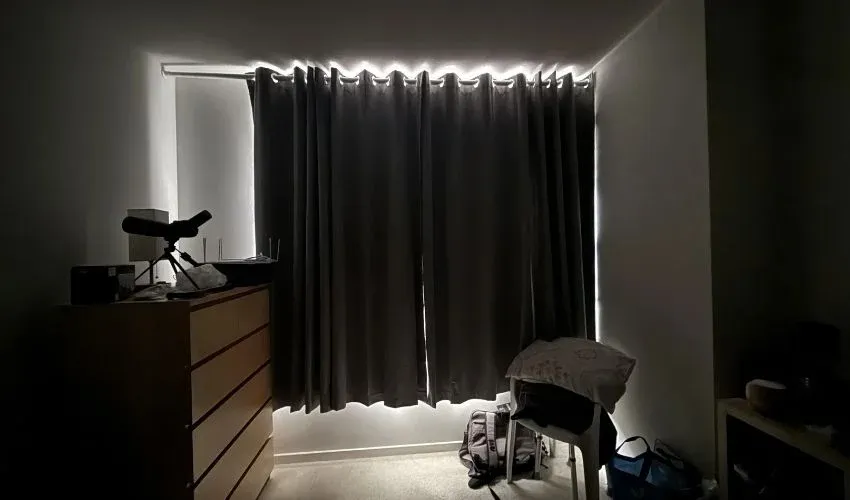
Light control is not just about comfort; it directly affects your daily routine and well-being. When curtains are properly sealed, they create a controlled indoor environment. This leads to better sleep, improved focus, and a more relaxing atmosphere.
Better Sleep Quality
A dark room supports the body’s natural sleep cycle. Even small light leaks can interrupt melatonin production, making it harder to fall and stay asleep.
Improved Daily Performance
Rested individuals tend to be more focused and productive. When your sleep improves, your energy levels and concentration naturally follow.
Consistent Indoor Comfort
Blocking excess light also helps regulate indoor temperature, especially during hot days when sunlight heats up the room.
Common Reasons for Light Leakage From Curtains
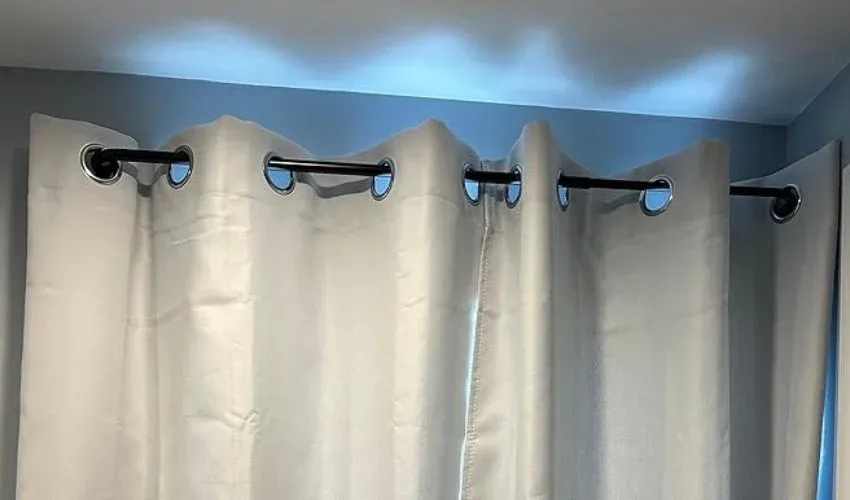
Before fixing the issue, it’s important to understand why it happens. In most cases, the problem is not the curtain itself but how it is selected or installed.
Improper Installation
Curtains installed too low, too narrow, or with poorly placed brackets often leave gaps at the top and sides. Even blackout curtains won’t work if they are not positioned correctly.
Incorrect Measurements
Choosing curtains that match the exact width of the window is a common mistake.window curtains should extend beyond the frame to cover edges fully.
Poor Fitting or DIY Errors
DIY installations can sometimes miss important details like alignment, spacing, or hardware positioning. These small inaccuracies create visible gaps.
Lightweight or Unsuitable Fabric
Thin fabrics or loosely woven materials allow light to pass through and around the edges, reducing effectiveness.
How To Block Light From The Top of Curtains
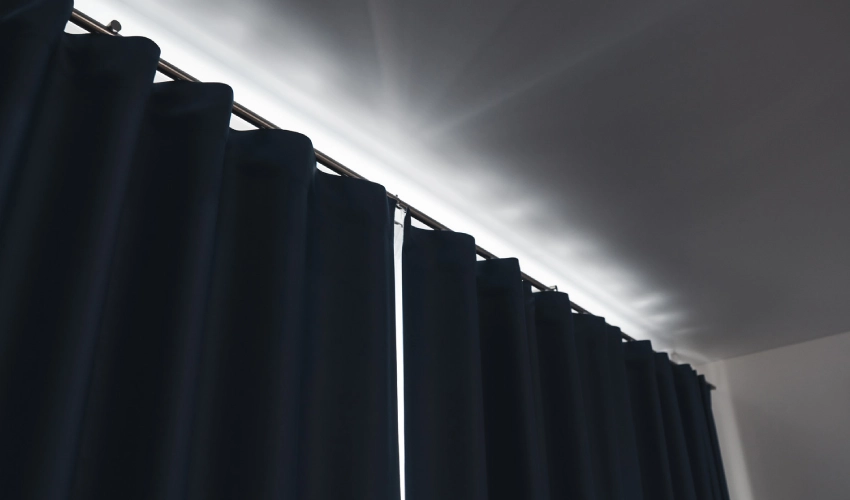
Light entering from the top is one of the most common issues. Fortunately, there are several effective ways to deal with it.
Install a Pelmet Box for Full Coverage
A pelmet box is a structured covering installed above the curtain rod. It hides the hardware and blocks light from entering through the top gap. This solution works particularly well in bedrooms where maximum darkness is required. It also enhances the overall look by giving windows a finished, high-end appearance.
Use Valances or Cornices for a Decorative Fix
Valances and cornices serve both functional and aesthetic purposes. They cover the upper section of the window while adding a decorative layer.
Fabric valances create a softer look, while wooden cornices offer a more structured and modern feel. Both options effectively block top light leakage without making the setup look bulky.
Layer Curtains With Blinds or Shades
Layering is one of the most effective modern solutions. Pairing curtains with blinds or shades adds an extra barrier against light. Blackout blinds, roller shades, or cellular shades can be installed behind the curtains to eliminate gaps. This combination not only improves light control but also enhances insulation.
Wrap Curtains Around the Rod Ends
Sometimes the issue is not the top gap but how the curtains hang at the edges. If the curtain panels are wide enough, wrapping them slightly around the rod ends helps reduce light entry. This method keeps the fabric closer to the wall, minimizing gaps without requiring additional hardware.
Use Window Films or Foil for Maximum Blockage
For extreme light control, especially in rooms with large glass panels, applying blackout films or even aluminum foil can block light completely. While effective, this solution removes outside visibility, making it less suitable for living areas where natural views are preferred.
How To Block Light From Curtain Sides

Side gaps are equally problematic, especially when curtains shift due to airflow or frequent use.
Secure Curtains With Velcro Strips
Velcro strips provide a simple and removable way to attach curtain edges to the wall or window frame. They keep the curtains aligned and prevent movement, making them ideal for lightweight fabrics and rental spaces.
Use Magnetic Tape for a Cleaner Finish
Magnetic tape is a more refined alternative to Velcro. It holds the curtain edges firmly against the frame without visible attachments. This method is particularly useful for maintaining a clean, modern appearance while improving functionality.
Try a DIY Light Blocker
If you prefer a budget-friendly solution, foam or cardboard inserts can be placed behind the curtain edges. These inserts block light without affecting the visible design. However, they are better suited for low-use areas, as frequent handling can shift them out of place.
Practical Tips to Maximize Light Blocking
Even the best solutions won’t work if the basics are overlooked. A few key considerations can significantly improve results.
- Choosing thick, tightly woven fabrics is essential for reducing light penetration.blackout curtains are specifically designed for this purpose and perform much better than standard fabrics.
- Curtains should always be wider and longer than the window frame. This extra coverage ensures there are no exposed gaps.
- Proper installation is equally important. Aligning rods correctly and ensuring even spacing can prevent most leakage issues from the start.
- Finally, consistency matters. Using high-quality curtains with equally reliable accessories creates a balanced and effective setup.
Common Mistakes That Reduce Effectiveness
Many people invest in expensive curtains but ignore installation details. This mismatch leads to disappointing results.
- Using narrow panels, relying only on decorative rods, or mixing low-quality accessories with premium curtains often causes gaps.
- Another common mistake is focusing only on the front appearance. While the curtain may look perfect, gaps behind or around it still allow light to pass through.
- Paying attention to both function and design is the key to a complete solution.
Final Thoughts
Light leakage from curtains is a common issue, but it is rarely difficult to fix once you understand the cause. Whether the problem lies in installation, measurement, or fabric choice, there is always a practical solution available.
From pelmets and layered blinds to magnetic tapes and simple adjustments, each method offers a way to improve both comfort and appearance. By applying the right combination of these techniques, you can create a darker, more private, and visually balanced space that truly meets your needs.