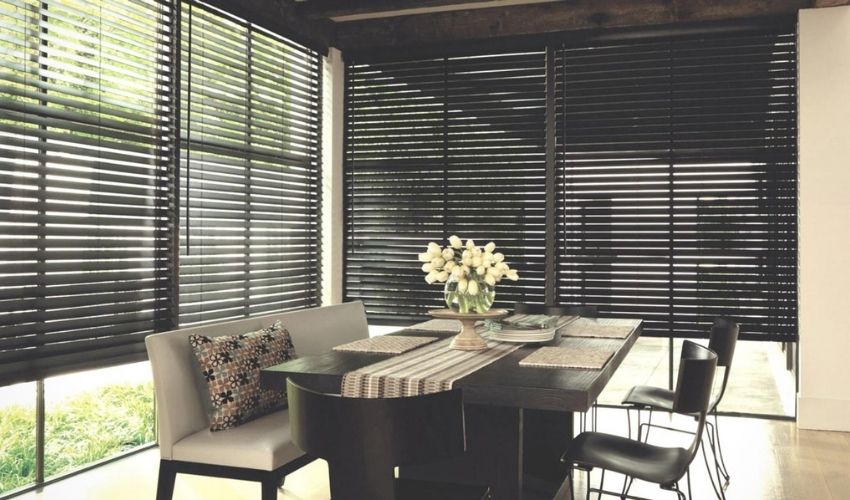
Window treatments have changed significantly over time. They are no longer limited to covering windows or adding a finishing touch to a room. In modern homes, blinds play a more active role. They influence light, privacy, temperature, and even how a space feels throughout the day.
Blinds have remained relevant because they offer something that many other window treatments cannot. They give precise control. You can adjust light levels without fully closing off the outside world. This flexibility makes them suitable for both functional and aesthetic needs.
However, the variety available today has made the decision more complex. There are more materials, more styles, and more features than before. Without a clear understanding, it is easy to choose something that looks good but does not perform well in daily use.
Why Blinds Still Matter in Modern Interiors
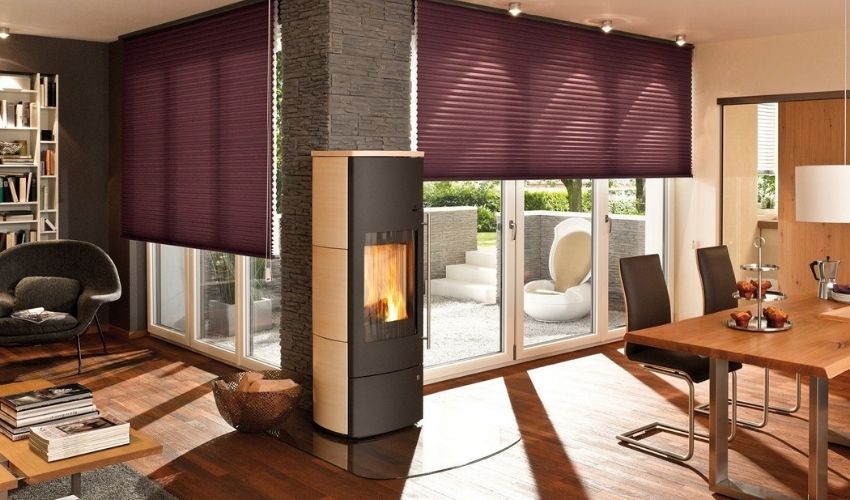
Blinds continue to hold their place in modern interior because they align with current design preferences. Clean lines, simple forms, and functional design are all part of modern styling. Blinds naturally fit into this approach.
They also offer a level of control that curtains cannot match. You can tilt, raise, or lower them depending on your need. This makes them ideal for spaces where lighting conditions change throughout the day.
Another reason is efficiency. Many modern blinds are designed to improve insulation. They help in maintaining indoor temperature by reducing heat gain in summer and heat loss in winter. This is not just about comfort. It also impacts energy usage over time.
Durability has also improved. Materials like faux wood, treated fabrics, and advanced polymers have made blinds more resistant to wear. This makes them suitable for long-term use in different environments.
Choosing the Right Style
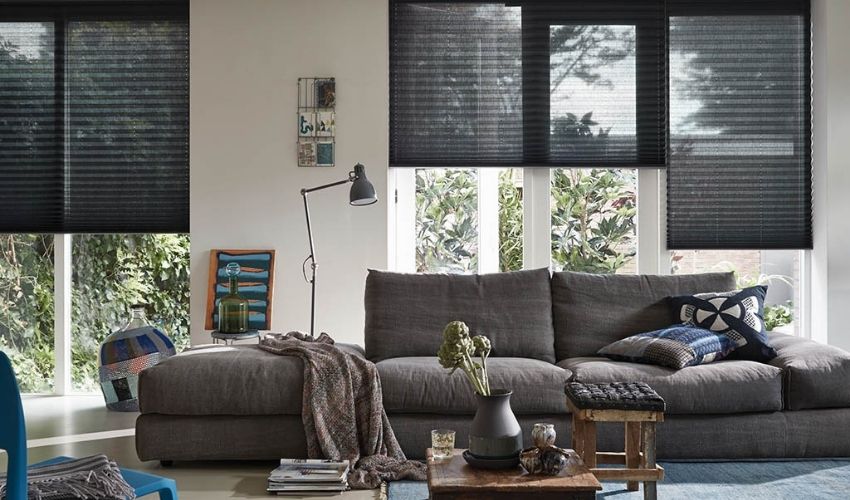
Style is often the first thing people consider. But it should not be the only factor. The right style depends on the size of the window, the purpose of the room, and the overall interior theme.
Roller blinds are one of the most common modern choices. They offer a clean and minimal look. They work well in bedrooms, living rooms, and even offices. Their simplicity makes them easy to integrate into different design styles.
Vertical blinds are more suitable for large windows or sliding doors. They create a sense of height and balance. They also allow better control over wide openings. In modern interiors, updated fabric options have made them more visually appealing than older versions.
Wooden blinds bring a different character. They add warmth and texture to a space. They work well in interiors that aim for a natural or earthy feel. However, they require proper care, especially in areas with high humidity.
Faux wood blinds offer a practical alternative. They provide a similar look but with better resistance to moisture. This makes them suitable for kitchens and bathrooms where real wood may not perform well.
Roman blinds are another option that blends softness with structure. They fold neatly and create a more refined appearance. They are often used in spaces where a slightly decorative touch is needed without going too heavy.
Each style has its strengths. The decision should come from how the room is used, not just how it looks in isolation.
Light Control and Everyday Functionality
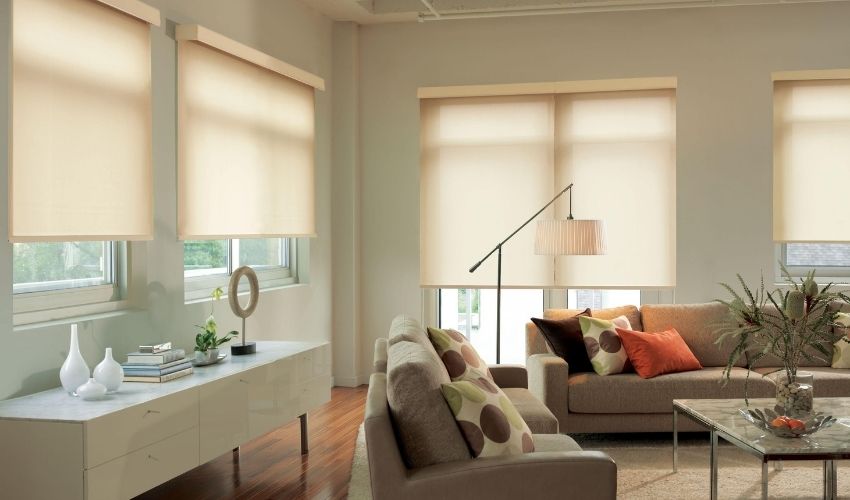
Light control is one of the most important reasons people choose blinds. Different rooms require different levels of light, and blinds allow you to manage that effectively.
In living areas, natural light is usually preferred. Sheer or light-filtering blinds work well here. They reduce glare while keeping the space bright. This creates a comfortable environment without making the room feel closed.
In workspaces, controlled lighting is important. Too much brightness can cause discomfort, especially on screens. Adjustable blinds allow you to fine-tune the light without completely blocking it.
Bedrooms require a different approach. Here, the focus is on reducing light as much as possible. Blackout blinds are often the best choice. They block most external light and help create a darker environment for better sleep.
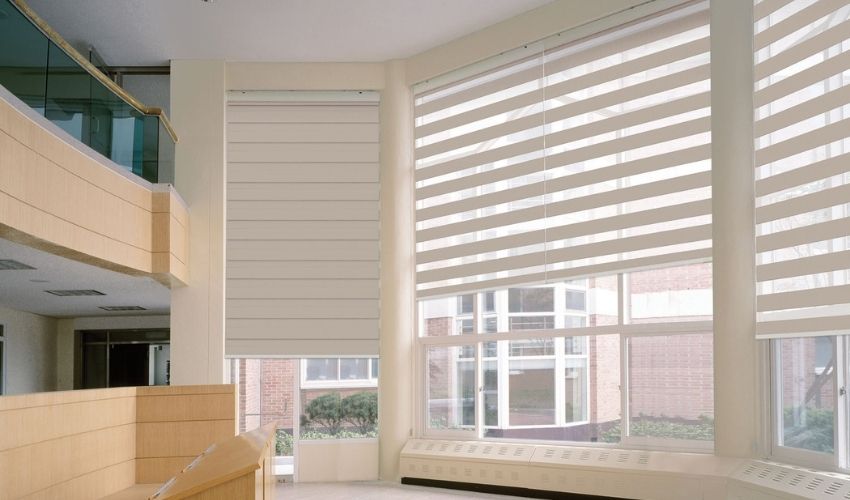
Double roller blinds have become a popular solution. They combine two layers in one system. One layer can filter light, while the other can block it completely. This provides flexibility without needing multiple installations.
Functionality should always guide the choice. A visually appealing blind that does not perform well will quickly become frustrating in daily use.
Choosing the Right Colors
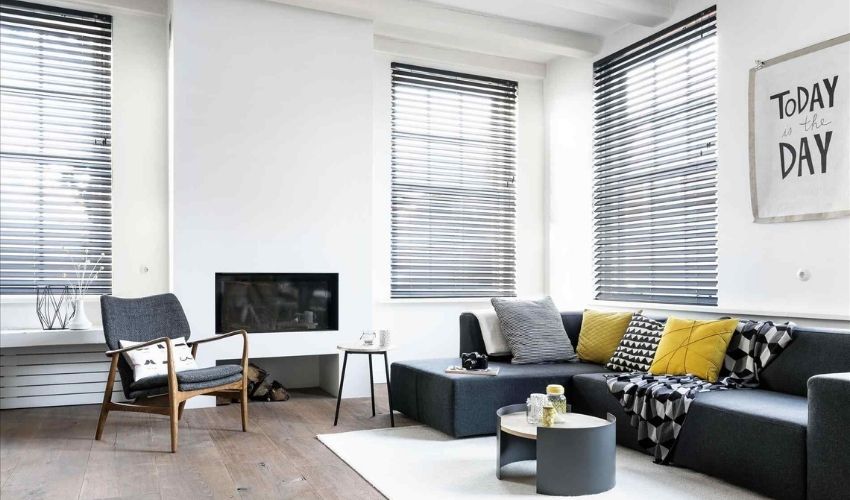
Color plays a significant role in how blinds affect a space. It is not just about matching walls. It is about creating balance and supporting the overall design. Neutral tones remain the most reliable choice. Colors like white, beige, and grey blend easily with different interiors. They create a calm and consistent look.
Darker shades can add contrast. They are useful in rooms with lighter walls or minimal décor. However, they can also make a space feel smaller if overused. Soft colors help in maintaining a relaxed environment. They work well in bedrooms and living areas where comfort is a priority.
Patterns should be used carefully. While they can add interest, overly complex designs often feel outdated. Simpler patterns or subtle textures are more aligned with modern trends. The key is to avoid extremes. The blinds should complement the room, not dominate it.
Safety and Practical Considerations
Modern homes require solutions that are not only stylish but also safe and easy to maintain. This is especially important in households with children or pets. Cordless blinds have become a standard choice for safety. They eliminate the risk associated with hanging cords. They also give a cleaner appearance.
Maintenance is another factor that should not be ignored. Some blinds attract more dust than others. Materials that are easy to clean will save time and effort in the long run. Panel track blinds and smooth-surface materials tend to collect less dust. They are easier to wipe and maintain. This makes them suitable for people with allergies or sensitivity to dust.
Smart blinds are also gaining popularity. They allow remote operation and can be integrated into home automation systems. This adds convenience, especially in large homes or hard-to-reach windows. Practical features often go unnoticed at the time of purchase. But they make a significant difference in everyday use.
Budget and Long-Term Value
Budget is always a deciding factor, but it should be viewed in context. The cheapest option is not always the most economical choice in the long run. Low-cost blinds may look fine initially. But they often wear out quickly. Mechanisms may fail, and materials may degrade over time. This leads to frequent replacements.
Higher-quality blinds come with better materials and stronger mechanisms. They last longer and maintain their appearance. This reduces the need for replacement and lowers long-term cost. It is also important to consider the purpose of the room. High-traffic areas may require more durable options. Investing in quality for such spaces is usually worth it. A balanced approach works best. Spend where durability matters and simplify where usage is limited.
Modern Blinds Comparison Table
| Type of Blinds | Best For | Key Benefit | Limitation |
| Roller Blinds | Minimal interiors | Clean and simple design | Limited texture options |
| Vertical Blinds | Large windows and doors | Effective coverage | Less suitable for small spaces |
| Wooden Blinds | Warm, natural interiors | Rich texture and feel | Sensitive to moisture |
| Faux Wood Blinds | Kitchens and bathrooms | Moisture-resistant | Slightly less natural look |
| Sheer Blinds | Living areas | Soft light control | Limited privacy at night |
| Blackout Blinds | Bedrooms | Strong light blocking | Less flexibility during the daytime |
| Roman Blinds | Decorative spaces | Soft and structured look | Requires more maintenance |
Tips for Buying Perfect Window Coverings
Final Thought
Choosing modern blinds is not just a design decision. It is a functional one. The right Window Blinds improve comfort, control light, and support how a space is used every day. There is no single option that fits every need. Each type of blind serves a specific purpose. Understanding these differences is what leads to a better choice.
A well-chosen blind does not draw attention to itself. Instead, it quietly improves the space. It makes the room more usable, more comfortable, and more aligned with modern living.