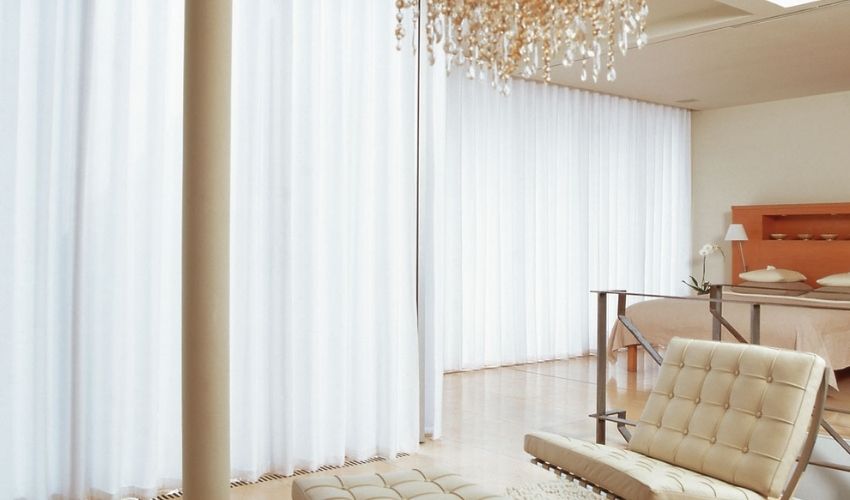
Curtains are no longer just a finishing touch. In modern interiors, they shape how light enters a space, how large a room feels, and how comfortable it becomes throughout the day. Sheer curtains stand out because they sit between function and design. They do not fully block light, yet they soften it. They do not dominate the room, yet they influence the entire atmosphere.
What has changed in recent years is not the material, but the approach. Earlier, curtains were simply installed to cover windows. Now, they are used to create layers, define zones, and enhance proportions. A poorly hung sheer curtain looks flat and ineffective. A well-installed one can make a basic room feel intentional and refined.
The methods below focus on both function and design. Each approach builds on the idea that sheer curtains should not just exist in a room, but actively improve how the space works.
1. Layer Sheers with Heavier Curtains for Full Control
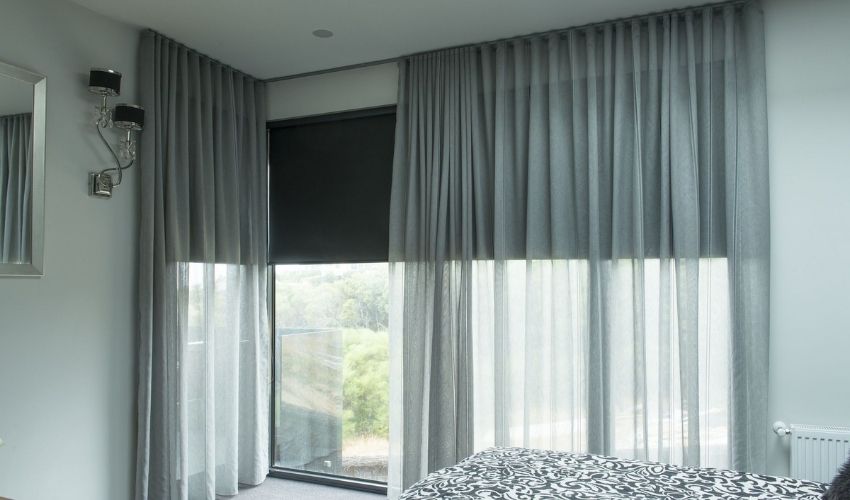
Layering is still the most practical and widely used method, but the way it is done today is more deliberate. Instead of treating both layers as decorative, each one serves a clear purpose. Sheer curtains allow soft daylight to enter during the day, while blackout or heavier curtains take over when privacy or darkness is needed.
This combination is especially useful in spaces where lighting needs change throughout the day, such as bedrooms and living rooms. During the morning and afternoon, the sheer layer keeps the room bright without glare. At night, the outer curtain blocks visibility and reduces external light.
The key detail is balance. The sheer fabric should remain light and neutral so it does not compete visually. The heavier curtain can introduce texture or depth. Using a double rod or track system keeps both layers aligned and functional without looking bulky.
2. Mount Curtains Higher to Change Room Proportion
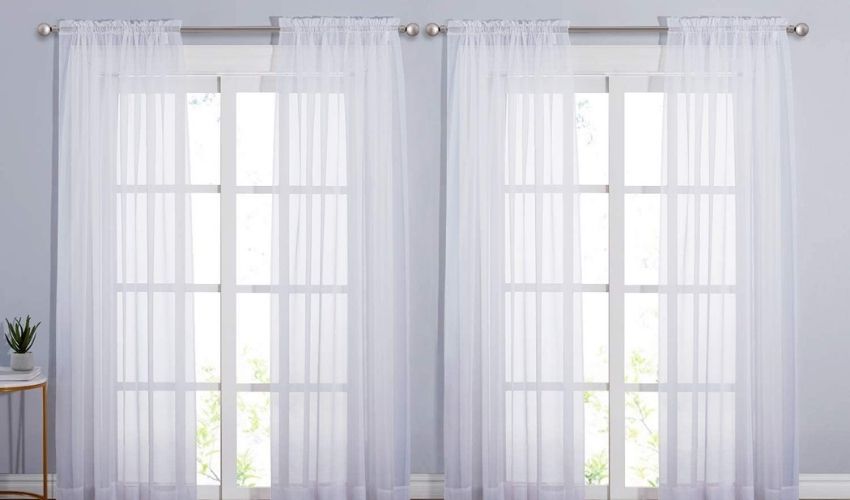
One of the most overlooked mistakes is placing curtain rods directly above the window frame. This limits the visual height of the room. Modern setups push the curtains closer to the ceiling, even when the window is smaller.
This simple shift changes how the space feels. The eye follows the full length of the curtain, making the ceiling appear higher. It also creates a more continuous and polished look.
Length matters just as much as placement. Sheer curtains should either lightly touch the floor or hover just above it. Curtains that stop midway break the visual flow and make the setup look incomplete. This approach works in both small and large rooms because it improves proportion without adding complexity.
3. Use Ceiling Tracks for a Clean and Minimal Finish
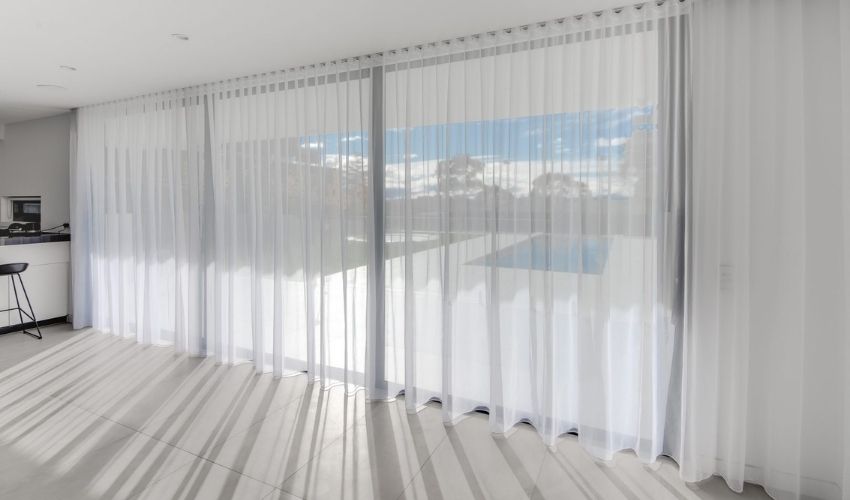
Traditional rods are still common, but ceiling-mounted tracks are becoming the preferred option in modern interiors. They remove visual interruptions and create a seamless top line.
Tracks allow the curtain to flow from ceiling to floor without breaks. This works particularly well in minimal or contemporary spaces where clean lines matter more than decorative elements. Hidden tracks take this further by making the curtain appear as if it is emerging directly from the ceiling.
Functionally, tracks also improve movement. Sheer curtains slide more smoothly, especially when covering wide areas like large windows or glass doors. This method is less about decoration and more about precision and simplicity.
4. Use Multiple Panels to Add Depth and Movement
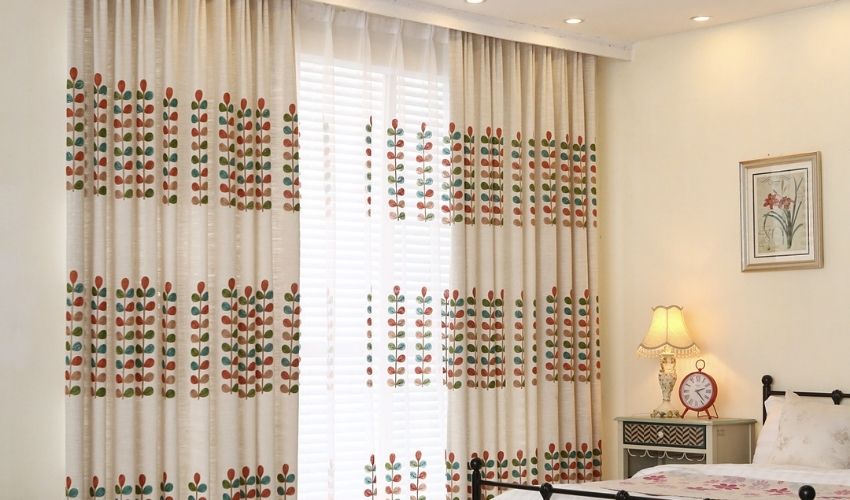
A single sheet of sheer fabric often looks flat. It does not create enough folds or movement to have visual impact. Modern styling focuses on fullness. This is achieved by using multiple panels across the width of the window.
More fabric means softer waves and better light diffusion. Instead of harsh sunlight entering directly, it spreads evenly across the room. This makes the space feel calmer and more balanced.
There is also room for subtle variation. Using slightly different tones within the same color family can add depth without making the design feel busy. The goal is not contrast, but layering within simplicity.
5. Frame the Window Instead of Covering It Completely
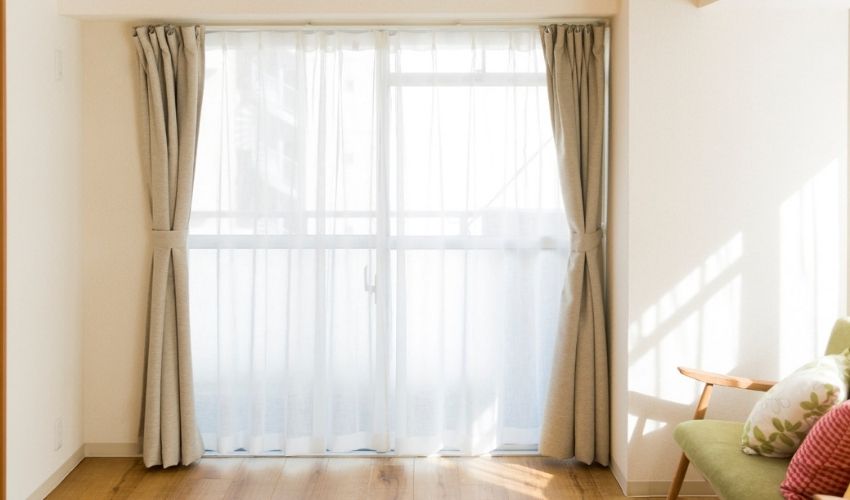
Not every window needs to be covered. In many cases, especially where privacy is not a concern, sheer curtains can be used to frame the window rather than block it.
Placing panels on both sides while keeping the center open allows maximum light to enter. At the same time, the fabric softens the edges of the window, preventing the space from feeling too sharp or empty.
This method works well when there is an outdoor view worth highlighting or when the window itself is part of the design. It also pairs well with decorative window sills, plants, or minimal furniture placed near the opening.
6. Introduce Soft Draping for a Relaxed Look
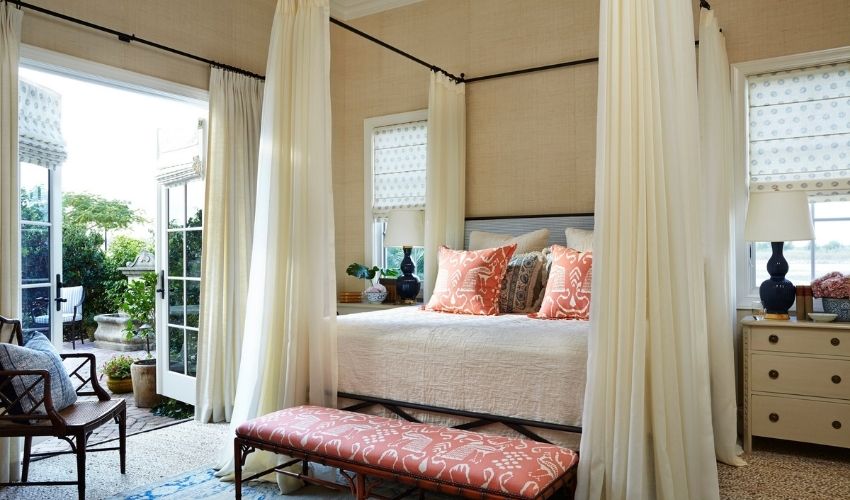
Structured curtains styles are not the only option. Draping sheer fabric loosely over a rod creates a more relaxed and decorative effect. This approach is less about function and more about visual softness.
The fabric falls in gentle curves rather than straight lines. This breaks the rigidity of modern interiors and adds a more inviting feel. However, it is important to use this method carefully. It does not provide full coverage, so it is better suited for spaces like formal living areas or lounges.
In practical areas like bedrooms, this style may fall short because it does not address privacy or light control effectively.
7. Extend Sheers Beyond Windows into Other Areas
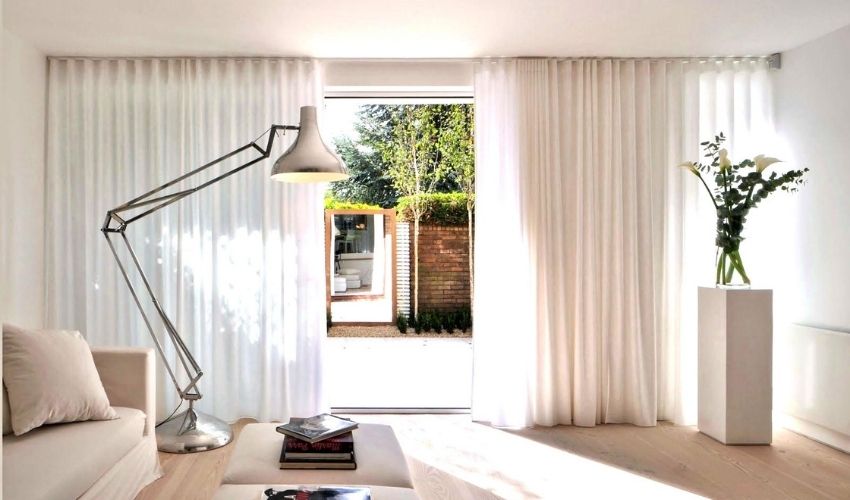
Sheer curtains are no longer limited to windows. They are now used to define spaces within a room. In open layouts, where walls are minimal, sheers act as soft dividers.
They can be installed across doorless entryways or between functional zones such as a living and dining area. Unlike solid partitions, they maintain openness while still creating separation.
This approach is particularly useful in apartments or modern homes where flexibility is important. The space can feel open during the day and more defined when needed, simply by adjusting the curtains.
8. Use Sheers Around the Bed for a Layered Bedroom Look
Bedrooms benefit from softness, and sheer curtains can enhance that without making the space feel heavy. Using them around the bed, either as a canopy or as a backdrop, creates a sense of enclosure without adding bulk.
This method works well in both large and compact bedrooms. In larger rooms, it helps define the sleeping area. In smaller rooms, it adds depth without taking up physical space.
The fabric should remain light so it does not overpower the room. The goal is to create a subtle frame around the bed rather than a dominant feature.
9. Combine Sheers with Lighting for Atmosphere
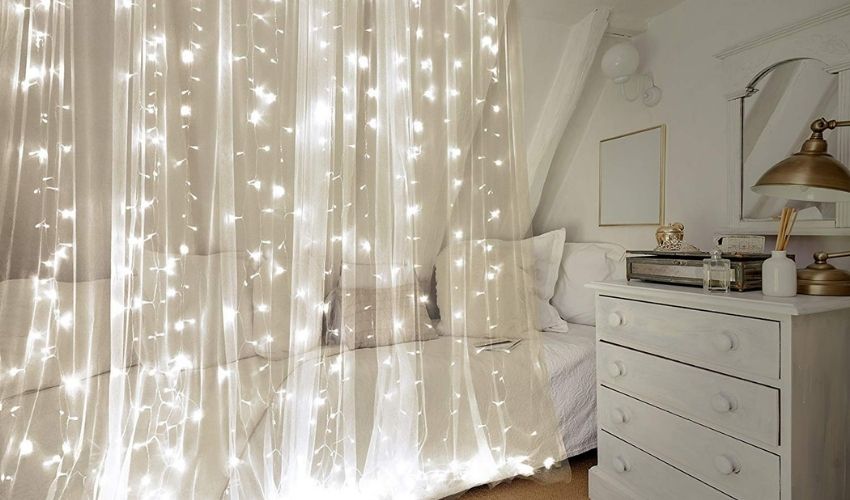
Lighting changes how sheer curtains behave. During the day, they diffuse sunlight. At night, they interact with artificial light to create a soft glow.
Placing warm lighting behind sheer curtains adds depth and warmth to the room. The fabric spreads the light evenly, removing harsh edges and creating a calm environment.
This method is often used in bedrooms or relaxation areas. The key is to keep the lighting subtle. Strong or cool-toned lights can ruin the effect and make the setup feel artificial.
10. Extend Curtain Width to Enhance Window Size
Another subtle but effective technique is extending the curtain rod beyond the window frame. This changes how wide the window appears.
When the curtains are open, they sit outside the actual glass area. This allows more natural light to enter and prevents the fabric from blocking the view. At the same time, the wider span creates the illusion of a larger window.
This method is especially useful for small windows. It improves both light flow and visual scale without requiring structural changes.
Final Thoughts
Most problems with sheer curtains are not about the fabric. They come from poor placement, incorrect sizing, or lack of planning. Simply hanging a curtain is not enough. The way it is positioned, layered, and styled determines its impact.
Modern interiors focus on clarity and purpose. Each element should serve a role. Sheer curtains work best when they are part of a broader design approach rather than an afterthought.
If done correctly, they can improve light quality, enhance proportions, and make a space feel more complete without adding visual weight.
Read More.