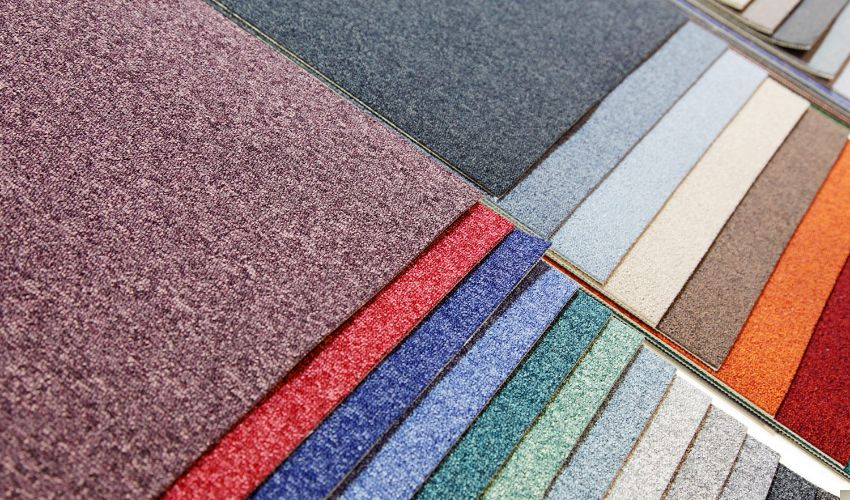
Choosing the right carpet is not just about color or design. The real performance of a carpet depends on the fiber type used in its construction. Many buyers overlook this and end up with carpets that wear out quickly or do not suit their lifestyle.
If you are planning to install a new carpet or replace an old one, understanding carpet fibers will help you make a more practical decision. Each fiber has its own strengths, weaknesses, and ideal use cases.
Synthetic vs Natural Carpet Fibers
Before diving into specific types, it is important to understand the two main categories.
Synthetic Fibers
Synthetic fibers are man-made and engineered for performance.
- More resistant to stains and moisture
- Generally more affordable
- Easy to maintain
- Suitable for high-traffic areas
Natural Fibers
Natural fibers come from plant or animal sources.
- Offer a premium and organic look
- Softer and more eco-friendly
- Usually more expensive
- Require more maintenance
8 Most Common Carpet Fiber Types
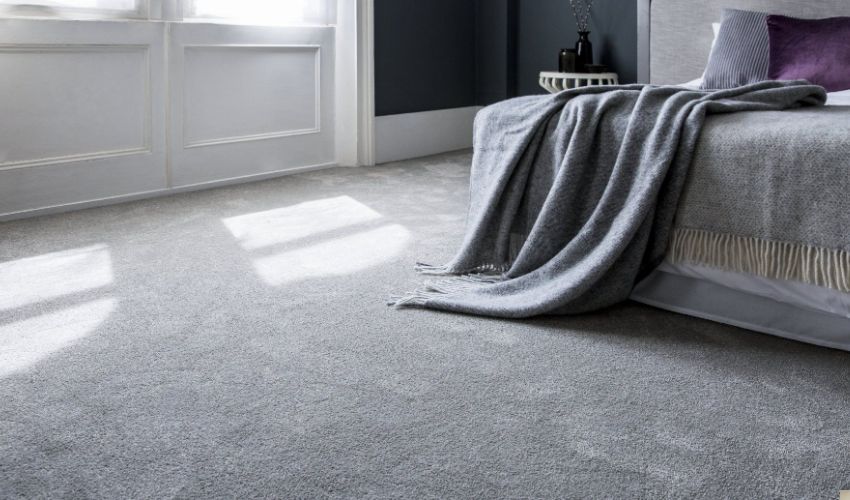
Each fiber below serves a different purpose. The “best” option depends on how and where you plan to use the carpet.
1. Nylon Carpet Fiber (Best for Durability)
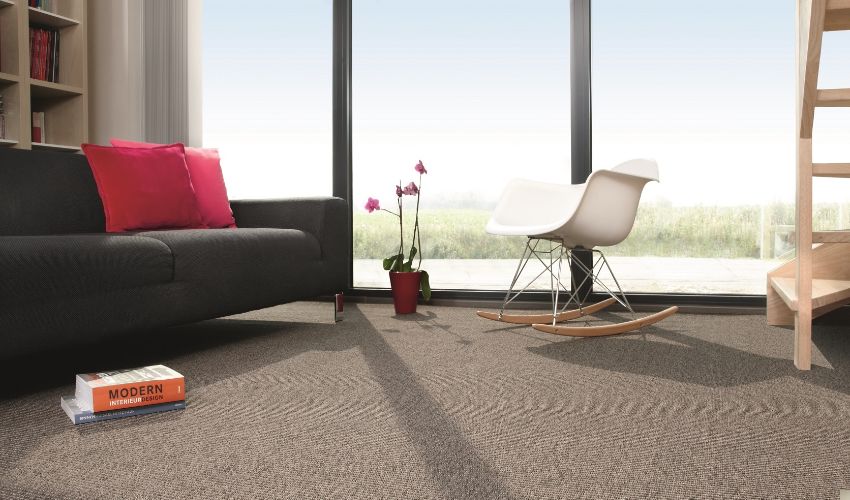
Nylon is widely considered the most durable carpet fiber available. It handles heavy foot traffic without losing its shape.
It resists wear, abrasion, and mold. Nylon also retains color well, making it suitable for long-term use.
This fiber works best in:
- Stairs
- Hallways
- Living rooms
It is moderately priced but offers excellent value over time.
2. Polyester Carpet Fiber (Best for Budget & Softness)
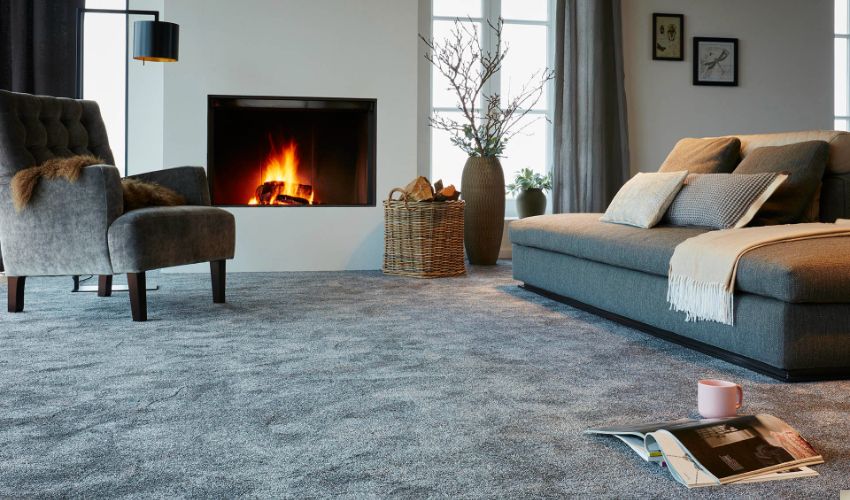
Polyester is known for its soft texture and vibrant color options. It is a popular choice for homeowners who want comfort at a lower price.
It resists water-based stains effectively. However, it tends to flatten in high-traffic areas.
Best suited for:
- Bedrooms
- Low-traffic areas
It is not ideal for stairs or busy spaces.
3. Wool Carpet Fiber (Best for Luxury)
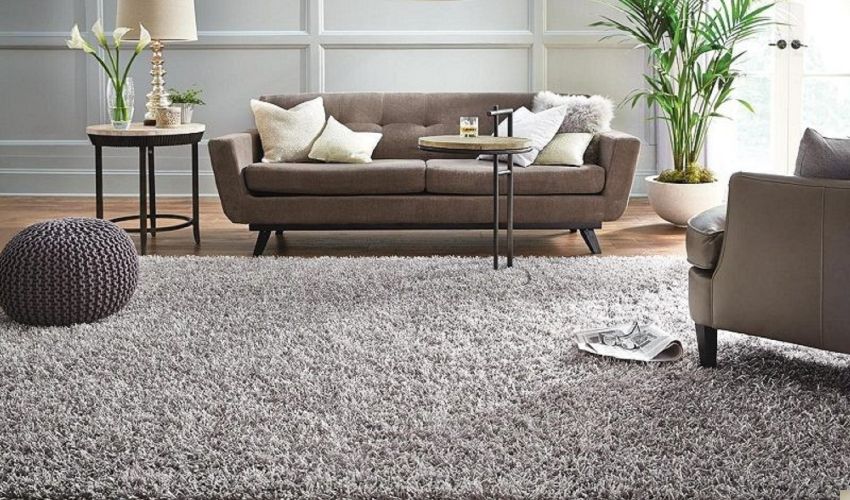
Wool is a natural fiber known for its premium look and feel. It is soft, dense, and naturally resistant to dirt.
It also provides good insulation and improves indoor comfort. However, wool is expensive and requires proper care.
Best for:
- Luxury interiors
- Formal living spaces
It may not be suitable for humid or high-maintenance environments.
4. Olefin (Polypropylene) Fiber (Best for Moisture Resistance)
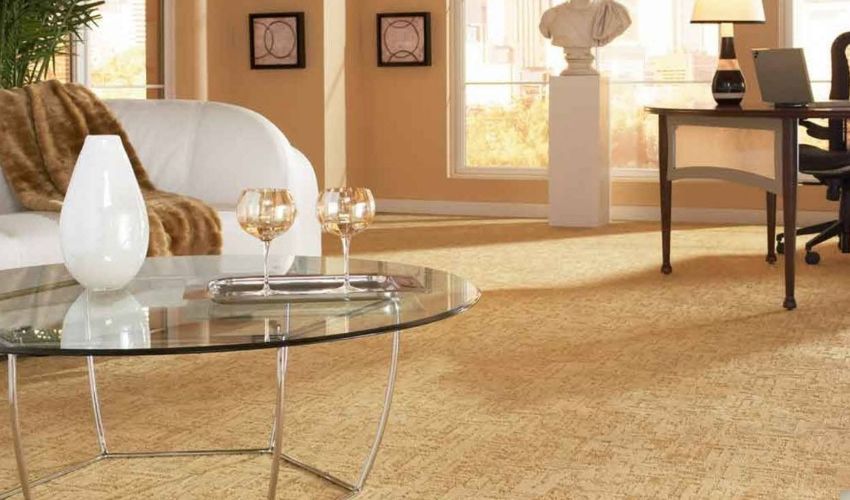
Olefin is a synthetic fiber that performs well in moisture-prone areas. It resists mildew, stains, and fading.
It is often used as a budget-friendly alternative to wool. However, it is less durable and can get crushed easily.
Best for:
- Basements
- Outdoor or low-traffic areas
It is not recommended for stairs or heavy-use zones.
5. Triexta Carpet Fiber (Best for Stain Resistance)
Triexta is a newer synthetic fiber that combines durability with strong stain resistance. It is often compared to polyester but performs better in high-traffic areas.
It is naturally resistant to stains without heavy chemical treatments. It also offers a soft feel underfoot.
Best for:
- Family homes
- Areas with kids or pets
It is a balanced option between durability and comfort.
6. Acrylic Carpet Fiber (Wool Alternative)
Acrylic is designed to mimic the look and feel of wool at a lower cost. It is lightweight, soft, and resistant to moisture and mildew.
However, it is less durable than nylon and may wear out faster in busy areas.
Best for:
- Decorative spaces
- Low-traffic rooms
It is a good option if you want a wool-like appearance on a budget.
7. Cotton Carpet Fiber (Eco-Friendly Option)
Cotton is a natural fiber that offers a soft and breathable surface. It is commonly used in rugs rather than wall-to-wall carpets.
It is eco-friendly but less durable compared to synthetic options. Cotton carpets are also more prone to staining.
Best for:
- Light-use areas
- Casual or decorative settings
It requires more maintenance to keep it clean.
8. Sisal Carpet Fiber (Best for Natural Texture)
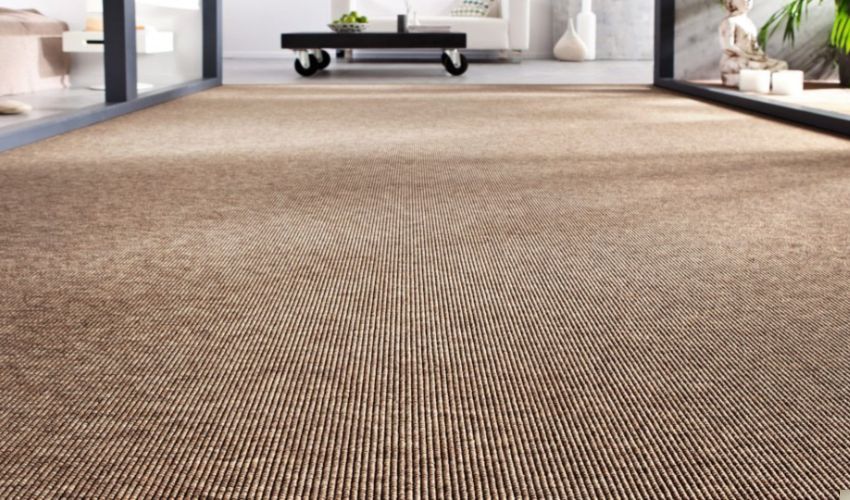
Sisal is a plant-based fiber known for its rough texture and durability. It adds a natural and earthy look to interiors.
It is highly durable but not very soft underfoot. It also absorbs moisture easily, which can lead to staining.
Best for:
- Offices
- Minimalist or natural interiors
It is not suitable for areas where comfort is the main priority.
How to Choose the Right Carpet Fiber
Choosing the best fiber depends on your specific needs. There is no one-size-fits-all solution.
If durability is your priority, nylon or triexta is the better choice. For comfort and aesthetics, polyester or wool works well. If you are working with a tight budget, olefin and polyester offer decent performance.
You should also consider:
- Foot traffic in the area
- Exposure to moisture or sunlight
- Maintenance requirements
- Budget and long-term value
Ignoring these factors often leads to poor carpet performance.
Mistakes That Can Ruin Your Carpet Choice
Below, we have mentioned some mistakes that can be the reason for wrong carpet fiber choice:
Ignoring Function Over Price
Many buyers make decisions based only on cost or visual appeal. While budget matters, choosing a carpet without considering performance often leads to disappointment. A cheaper option may wear out quickly or fail in high-traffic areas. It is always better to balance price with durability and long-term value.
Choosing the Wrong Fiber for High-Traffic Areas
Selecting a soft but low-durability fiber for stairs or hallways is a common mistake. These areas require strong and resilient materials that can handle constant pressure. Using delicate fibers in such spaces leads to flattening, wear, and faster damage, ultimately increasing replacement costs over time.
Using Moisture-Sensitive Fibers in Damp Areas
Installing carpets that are not resistant to moisture in areas like basements or humid environments can create long-term issues. These fibers can absorb moisture, leading to mold, odor, and structural damage. Choosing the right fiber for the environment is essential to maintain both hygiene and durability.
Overlooking Maintenance Requirements
Every carpet fiber comes with specific maintenance needs. Ignoring these requirements can significantly reduce the lifespan of your carpet. Some materials need regular cleaning and care to maintain their texture and appearance. Failing to follow proper maintenance routines often results in early wear and a dull-looking carpet.
Conclusion
Carpet fiber is the foundation of your carpet’s performance. It determines how long the carpet will last, how it feels, and how easy it is to maintain. Nylon remains the most reliable option for durability. Polyester and olefin are better for budget-conscious buyers. Wool offers unmatched luxury, while triexta provides a modern balance of performance and comfort.
The best choice depends on how you use your space. By understanding these 8 fiber types, you can make a smarter and more practical decision that fits both your lifestyle and budget.