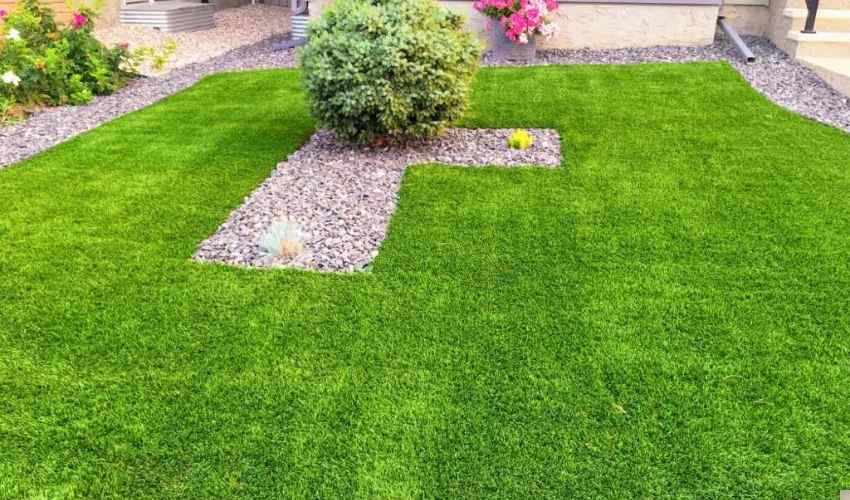
Artificial grass has become a popular alternative to natural lawns in recent years. Many homeowners and businesses are choosing synthetic turf because it offers a clean, green appearance throughout the year without the constant effort required for natural grass. It solves several common problems, such as watering, mowing, and seasonal damage.
However, the idea that artificial grass is a perfect solution is not entirely accurate. Like any product, it comes with both advantages and limitations. Ignoring the downsides can lead to unrealistic expectations and poor decisions. Before investing in artificial turf, it is important to understand both sides clearly.
Why Artificial Grass Is Gaining Popularity
The shift toward artificial grass is not random. It is driven by lifestyle changes, environmental concerns, and the need for low-maintenance solutions. In regions where water is limited or expensive, maintaining a natural lawn can become difficult.
Artificial turf offers consistency. It looks the same in every season and does not suffer from patchiness, pests, or weather damage. For many people, this reliability is more valuable than having a natural lawn. Still, convenience often hides trade-offs, and those need to be examined carefully.
Pros Of Artificial Grass
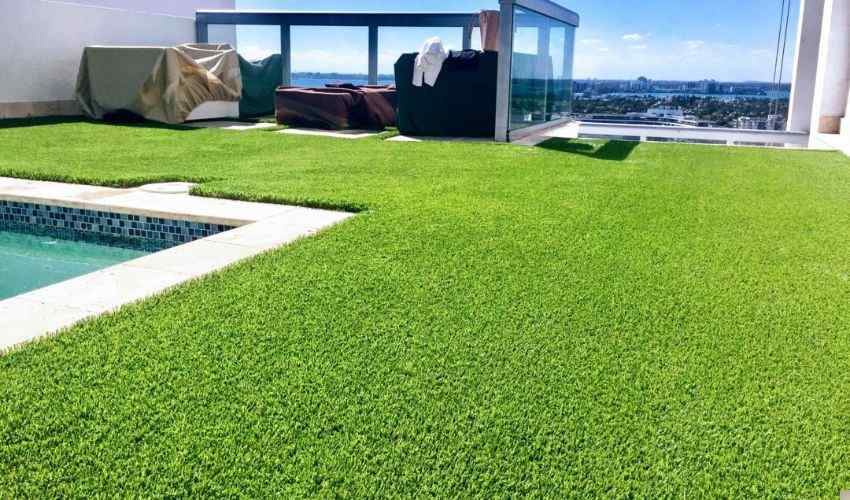
Artificial grass offers several practical advantages that make it an attractive option for modern spaces. These benefits go beyond just appearance and directly impact cost, effort, and usability.
Durable And Long-Lasting
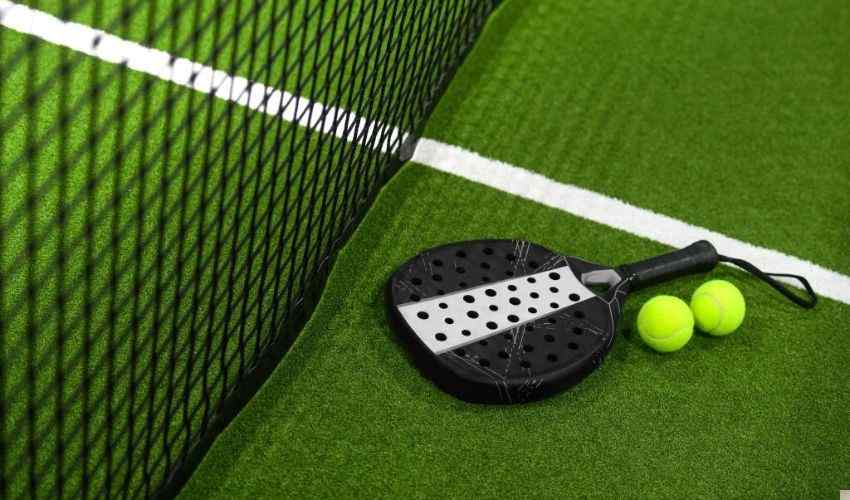
One of the strongest advantages of artificial grass is its durability. High-quality turf is designed to withstand heavy foot traffic, changing weather, and regular use. If installed and maintained properly, it can last for many years without losing its structure. This makes it suitable for both residential lawns and commercial areas.
Low Maintenance Requirement
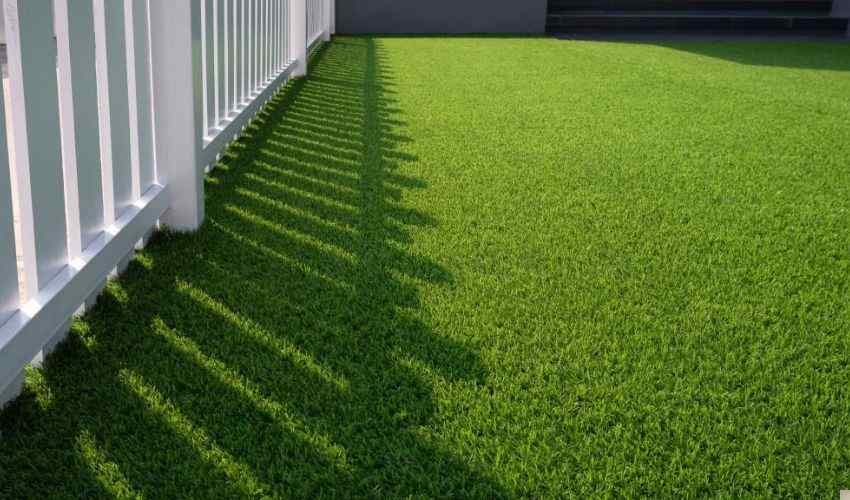
Natural grass demands constant care, including watering, mowing, fertilizing, and pest control. Artificial grass removes most of these responsibilities. You only need occasional cleaning, brushing, and rinsing to keep it in good condition. This saves both time and ongoing maintenance costs.
No Need For Mowing Or Lawn Equipment
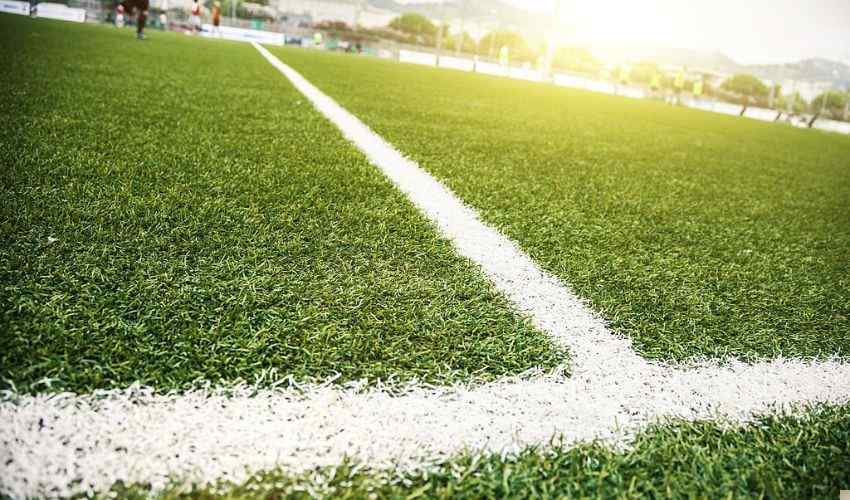
Maintaining natural grass often requires tools like lawnmowers and trimmers. These not only cost money but also require effort to operate and maintain. With artificial grass, there is no growth, so there is no need for cutting or trimming. This makes it especially useful in areas where regular lawn care is inconvenient.
Water Conservation
Water usage is one of the biggest concerns with natural lawns. Regular irrigation can consume a significant amount of water, especially in hot climates. Artificial grass eliminates this need almost entirely. Apart from occasional cleaning, it does not require water, making it a more sustainable option in water-scarce regions.
Reduced Use Of Chemicals
Natural grass often depends on fertilizers, pesticides, and weed killers to stay healthy. These chemicals can affect soil quality and may pose risks to health and the environment. Artificial turf does not require such treatments. This reduces chemical exposure and simplifies lawn care.
Consistent And Aesthetic Appearance
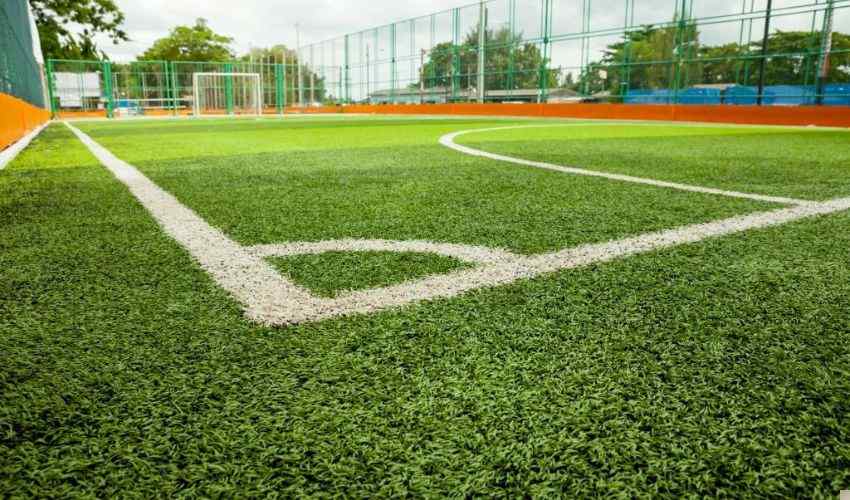
Artificial grass maintains a uniform look throughout the year. It does not develop dry patches, muddy areas, or uneven growth. It is available in different textures, shades, and pile heights, allowing you to choose a style that suits your space. This consistency is one of its most appealing features.\
Safe For Children And Pets
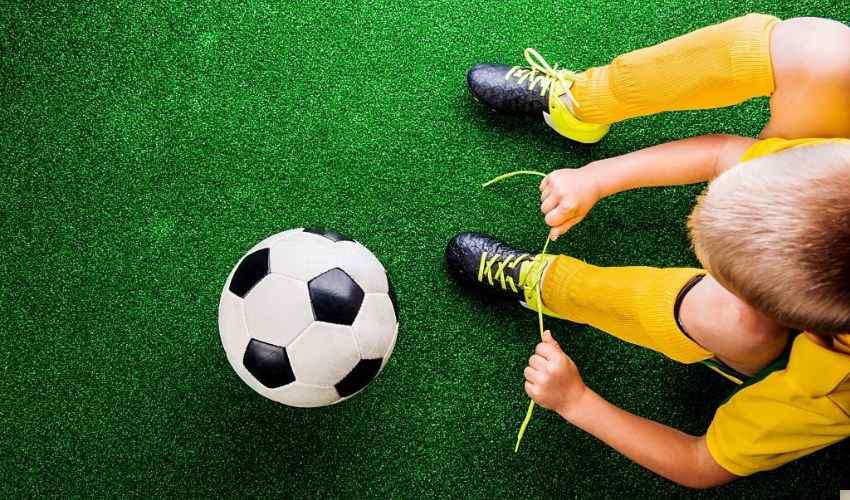
Modern artificial grass is designed with safety in mind. It provides a soft and even surface, which reduces the risk of injuries during play. It also avoids common issues found in natural grass, such as insects, mud, and allergens like pollen. This makes it a practical option for families.
Non-Allergenic Surface
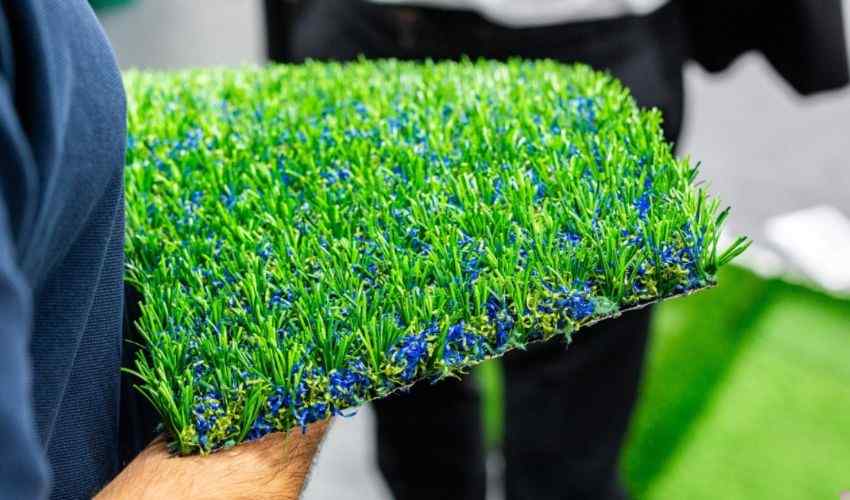
Since artificial grass does not produce pollen, it can help reduce allergy-related problems. This is particularly useful for individuals who are sensitive to seasonal allergies. However, it is worth noting that dust and external particles can still settle on the surface, so occasional cleaning is necessary.
Cons Of Artificial Grass
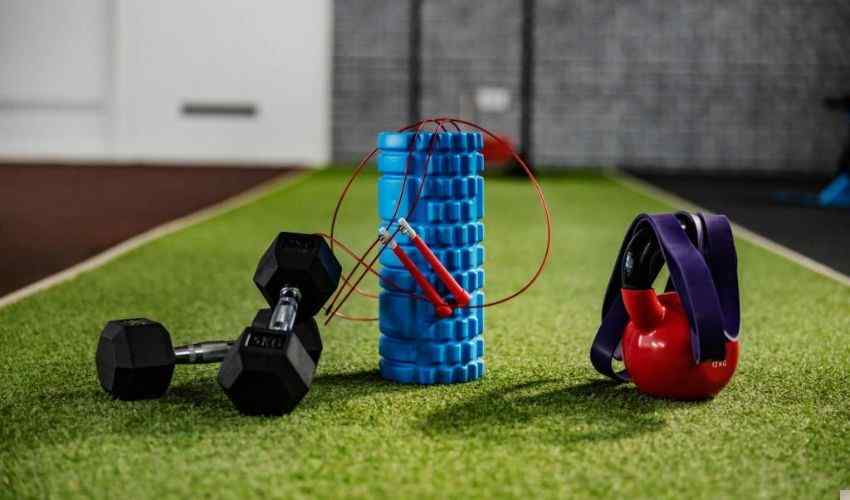
While artificial grass offers many benefits, it also has limitations that should not be overlooked. These drawbacks can affect comfort, cost, and environmental impact.
High Initial Installation Cost
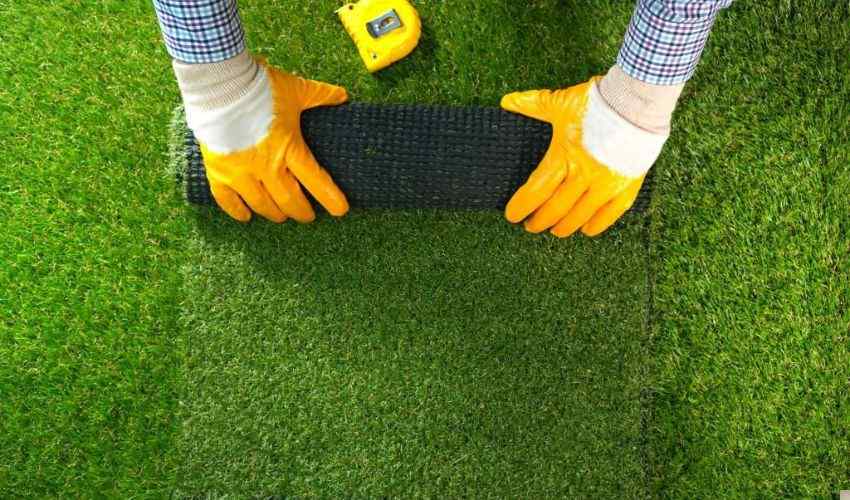
Artificial grass requires a significant upfront investment. The cost includes materials, ground preparation, and professional installation. Although it may save money over time, the initial expense can be a barrier for many homeowners.
Heat Retention In Sunlight
One of the most noticeable disadvantages is heat buildup. Artificial turf can become quite hot when exposed to direct sunlight for long hours. This can make it uncomfortable to walk on during peak summer days. While newer technologies aim to reduce heat, they often increase the overall cost.
Odor Issues With Pets
Artificial grass does not naturally break down organic waste as soil does. As a result, pet urine can sometimes cause odor if not cleaned properly. Regular rinsing and proper maintenance usually solve this issue, but it does require attention.
Infill Maintenance And Replacement
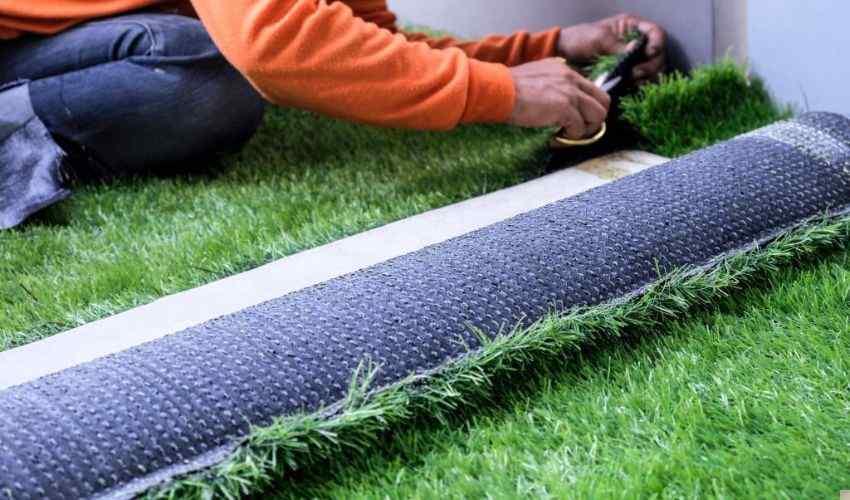
Infill materials are used to support the grass fibers and maintain their structure. Over time, these materials may shift, wear out, or need replacement. This adds an occasional maintenance requirement that many people do not expect initially.
Environmental Concerns
Although artificial grass saves water and reduces chemical use, it is still made from synthetic materials. This raises concerns about its environmental impact. Most types are not easily recyclable, and disposal at the end of their lifespan can contribute to waste.
Risk Of Color Fading
Lower-quality artificial grass may fade when exposed to sunlight over time. This can reduce the visual appeal of your lawn. Choosing high-quality materials can minimize this issue, but it usually comes at a higher cost.
Final Words
Artificial grass is not a one-size-fits-all solution. It offers clear advantages in terms of convenience, durability, and water savings, making it ideal for people who want a low-maintenance outdoor space.
At the same time, it comes with trade-offs such as heat retention, upfront cost, and environmental concerns. These factors should not be ignored, especially if you are planning a long-term investment.
The right decision depends on your priorities. If you value ease of maintenance and a consistent appearance, artificial grass can be a strong option. However, if natural feel, lower initial cost, or environmental impact are your main concerns, natural grass may still be worth considering. A well-informed decision will always lead to better long-term satisfaction.