Choosing the right flooring is not easy anymore. Today, there are many surface options available. Some people prefer tiles. Others choose polished concrete, vinyl, or epoxy coatings. But in recent years, polyaspartic floor coatings have become one of the most trusted modern solutions.
These coatings are strong, quick to install, and easy to maintain. That is why they are now used in garages, warehouses, retail shops, patios, and many other high-traffic spaces. If you are comparing ideal flooring systems, it is important to understand why polyaspartic coatings are getting so much attention.
What Is A Polyaspartic Floor Coating?
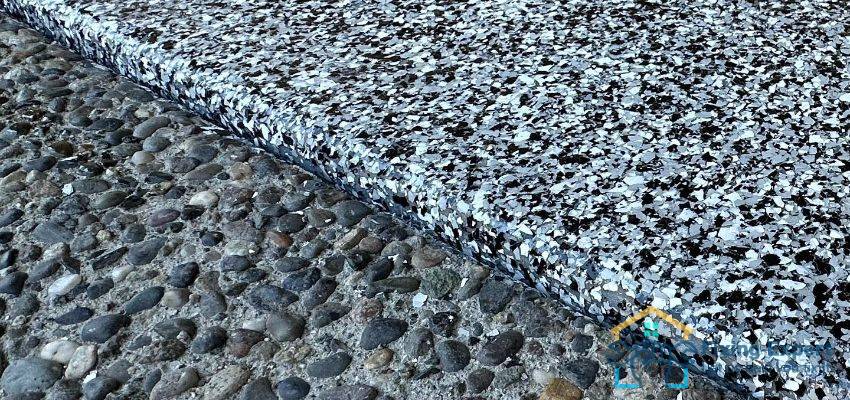
Polyaspartic floor coating is a protective liquid coating that is applied over concrete. Once it dries, it forms a hard and seamless layer on the surface. This layer protects the floor from stains, chemicals, scratches, moisture, and sunlight.
Polyaspartic belongs to the polyurea coating family, but it offers better application control and faster curing. In simple words, it gives industrial-level strength with a smoother finishing process. One of its biggest advantages is speed. In many cases, the floor becomes ready for use within one day. That makes it a very practical flooring solution for busy homes and commercial properties.
Why More People Are Choosing Polyaspartic Coatings
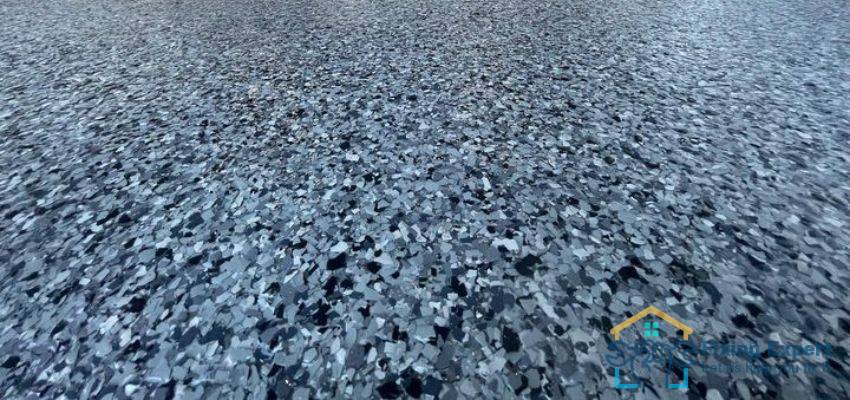
Modern property owners want two things from a floor. They want durability, and they want less downtime. Traditional flooring often takes longer to install. Tiles need fitting and grouting. Concrete needs polishing and sealing. Epoxy usually needs more curing time.
Polyaspartic coatings reduce this delay. The application process is faster, and the curing time is shorter. This means the area can return to normal use much sooner. Another reason for its growing demand is long-term performance. These coatings stay intact even under constant foot traffic, vehicle movement, and chemical exposure. Because of this, they are now seen as a reliable long-term investment.
Polyaspartic Vs Epoxy Floor Coatings
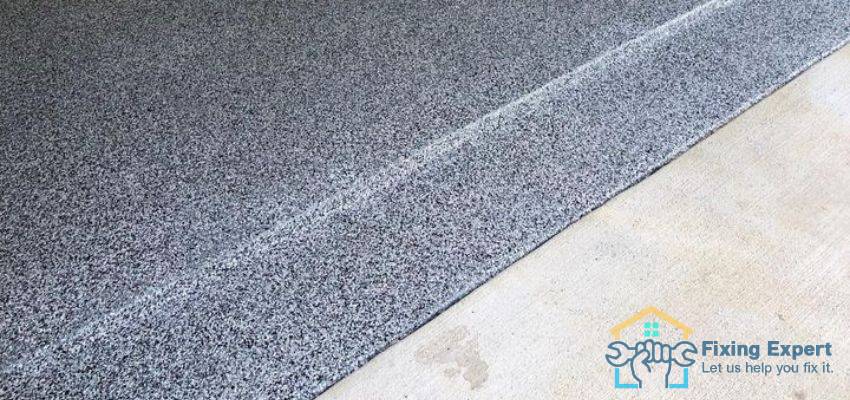
Epoxy is a popular name in floor coatings. It is widely used because it is affordable and creates a hard top layer. However, epoxy has some limitations. It usually takes longer to cure. It can also turn yellow when exposed to sunlight for long periods.
Polyaspartic coatings perform better in both areas. They cure quickly. They also have strong UV resistance, which helps them maintain color and gloss. Another difference is flexibility. Polyaspartic coatings can handle slight floor movement better than epoxy, so the risk of cracking becomes lower.
Polyaspartic Vs Polyurea Coatings
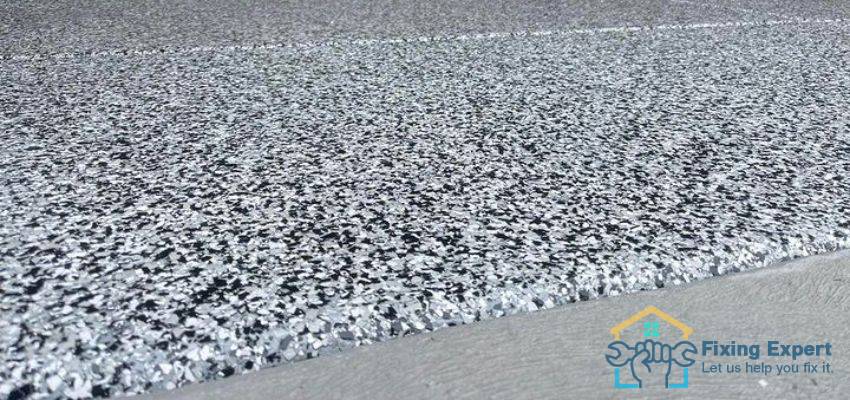
Polyurea coatings are also very durable. They are known for impact resistance and flexibility. The problem is their curing speed. Polyurea dries extremely fast, which leaves less working time for installers. This can make the application difficult.
Polyaspartic coatings offer similar strength, but they give professionals more time to spread the material evenly. That is why many contractors now prefer polyaspartic when they want both durability and a neat finish.
Polyaspartic Vs Concrete Flooring
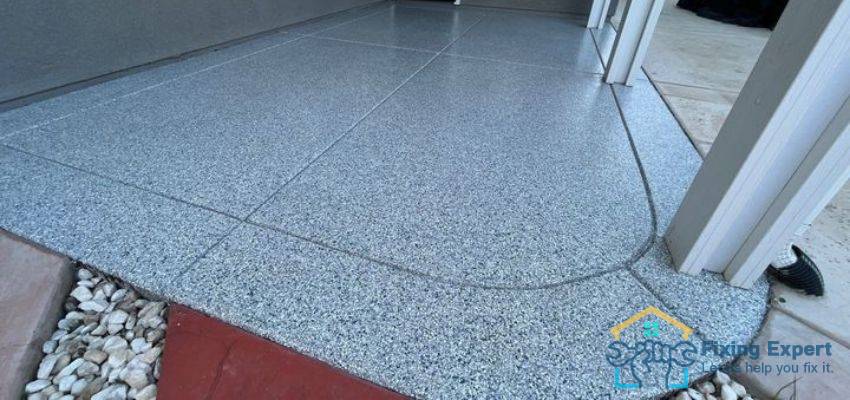
Plain concrete is economical, but it has its weaknesses. Concrete absorbs moisture. It can collect dust. It also stains easily and starts looking worn after regular use.
Polyaspartic coating acts as a protective shield over the concrete. It seals the pores, blocks moisture, and gives the floor a clean, glossy finish. Instead of replacing old concrete, many people simply coat it with polyaspartic and get a much stronger result.
Polyaspartic Vs Ceramic Tiles And Vinyl
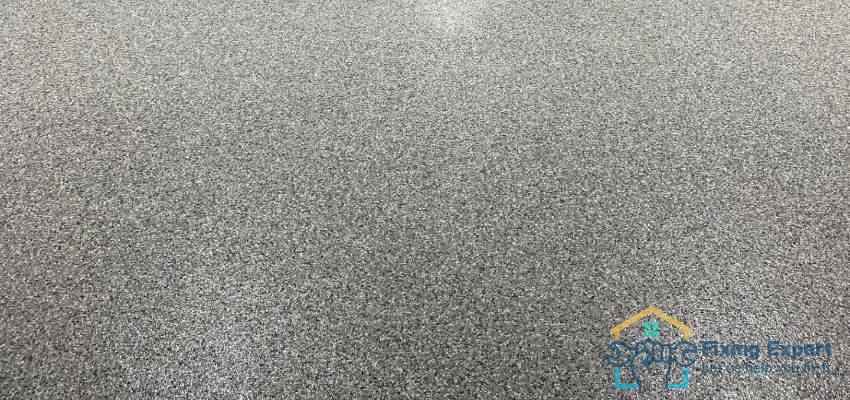
Ceramic tiles are attractive, but they take time to install. They also have grout joints, which collect dirt over time. In busy areas, tiles may chip or crack. Vinyl flooring is softer and cheaper, but it can peel, dent, or wear down in high-use spaces.
Polyaspartic coatings are stronger than both in terms of industrial use. They create a joint-free surface. They are easier to clean. They also handle traffic, tools, and chemicals much better. That is why they are often chosen for utility areas rather than decorative rooms.
Main Benefits Of Polyaspartic Floor Coatings
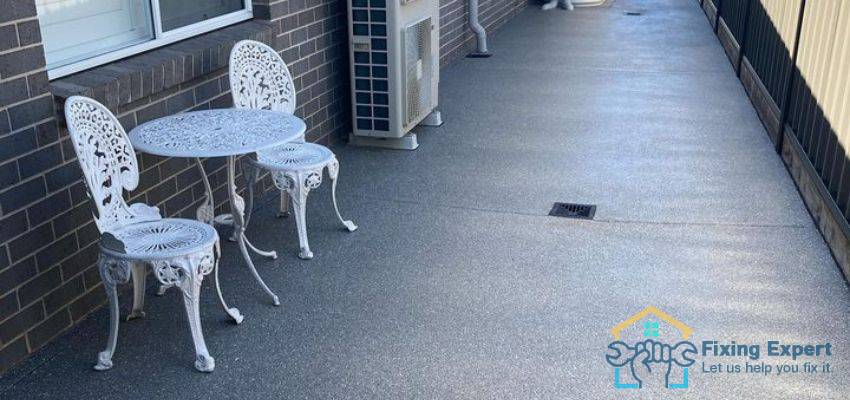
There are several reasons behind the popularity of this flooring system.
- First is durability. The coating handles heavy use without quick wear.
- Second is fast curing. Most flooring systems keep the area closed for days. Polyaspartic reduces that waiting time.
- Third is chemical and stain resistance. Oil, grease, cleaners, and many industrial liquids do not damage the surface easily.
- Another major benefit is UV protection. The coating keeps its shine and does not yellow quickly.
- It is also very easy to clean because the surface stays smooth and non-porous.
- For garages and warehouses, this becomes a huge maintenance advantage.
Are There Any Disadvantages?
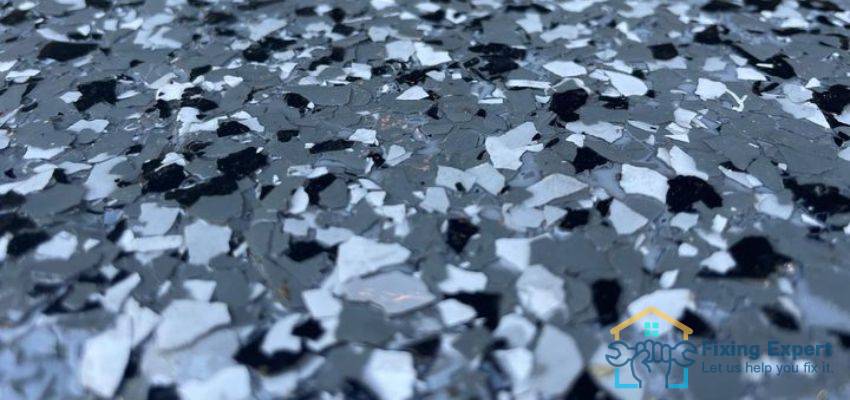
Yes, a few points should be considered. The first is cost. Polyaspartic coatings are more expensive than some traditional floor options.
The second is installation skill. This coating cannot be handled casually. The floor must be prepared correctly, and the coating must be applied at the right speed. If this process is rushed, problems like bubbles, weak bonding, or uneven texture may appear.
Some glossy finishes can also become slippery when wet, although anti-slip additives can solve this issue. So while the material is strong, proper installation is very important.
Best Places To Use Polyaspartic Floor Coatings
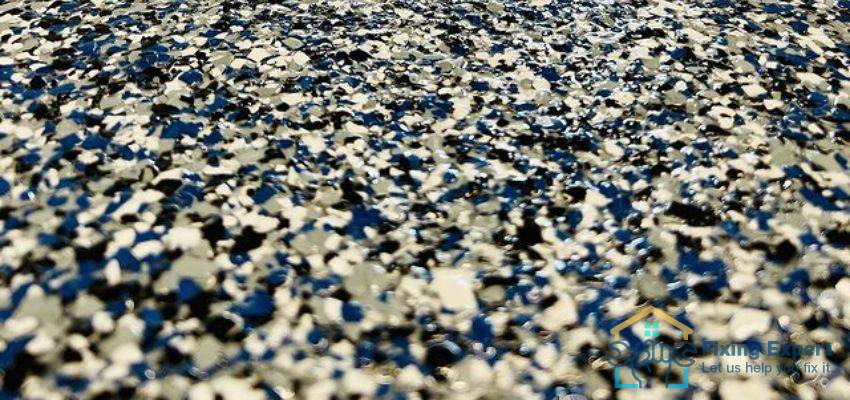
This flooring is not usually selected for bedrooms or lounges. It is mainly used where surface protection is the top priority.
- For homes, it works best in garages, basements, patios, driveways, and poolside areas.
- For commercial use, it is ideal for warehouses, workshops, retail stores, service centers, and storage spaces.
- These are the areas where moisture, dust, traffic, and heavy movement damage ordinary floors quickly.
- Polyaspartic coatings handle these conditions far better.
Common Problems If Installation Is Poor
Even premium coatings can fail if the application is not done correctly.
- If the concrete is dirty, the coating may not bond properly.
- If moisture is trapped below the surface, bubbling can happen.
- If mixing is poor, air pockets can form.
- Rough usage over time can also cause chipping on weak spots.
This is why professional installation matters as much as the coating quality itself.
Final Thoughts
Polyaspartic floor coatings have become one of the most practical modern flooring solutions for high-use spaces.They are fast to install, highly durable, moisture-resistant, and easy to maintain. Fixing Expert compared with epoxy, vinyl, tiles, and plain concrete, they offer better long-term strength in demanding environments.
Yes, the upfront cost is higher. But the performance and reduced maintenance often make that cost worthwhile. If you need a seamless floor that can handle pressure, chemicals, and regular traffic, polyaspartic coating is a smart choice for 2025.