A conservatory can easily become the most relaxing corner of a home, until the roof turns it into an oven on summer afternoons or a cold glass box on winter evenings. That is exactly why conservatory roof blinds have become one of the most practical window treatment solutions for modern homes. They are not just decorative additions. They help regulate temperature, reduce glare, improve privacy, and make the conservatory usable year-round.
Many homeowners assume any blind can solve the issue, but conservatory roofs require a more specialized approach because of angled glass panels, overhead sunlight, and the constant change in indoor temperature. Choosing the right conservatory roof blinds means finding an option that works aesthetically while also improving insulation and comfort.
Why Conservatory Roof Blinds Are Worth Installing
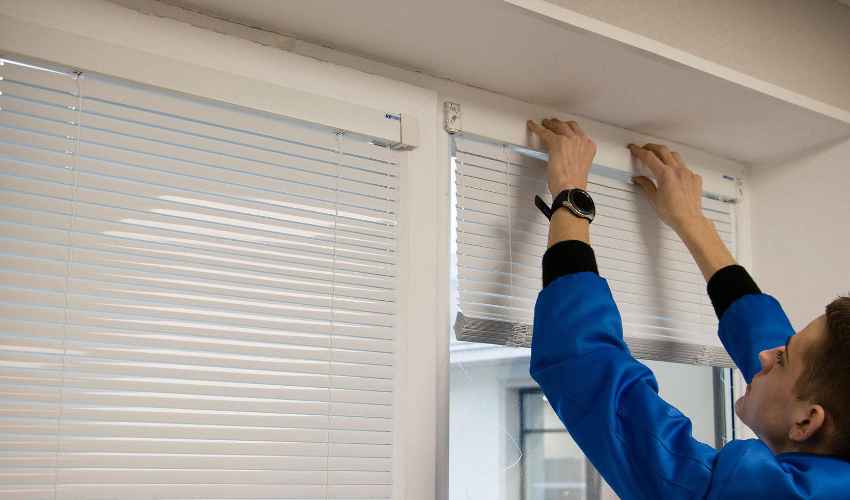
Before choosing a blind type, it is important to understand why these coverings matter more in a conservatory than in an ordinary room. Conservatories receive sunlight from above as well as from the sides, which causes stronger glare, trapped heat, and fading of furniture.
A well-fitted roof blind solves several issues at once.
Better Temperature Regulation Throughout the Year
Glass roofs absorb and transmit a large amount of solar heat. During the summer, this makes the conservatory uncomfortable. During winter, the same glass allows heat to escape. Roof blinds act as a thermal layer that reduces this transfer.
This means:
- less overheating during the day
- improved warmth retention at night
- reduced dependency on cooling and heating systems
Reduced Sun Glare
Direct sunlight from above can make reading, working, dining, or relaxing unpleasant. Roof blinds diffuse harsh light and create a softer atmosphere without completely darkening the room.
UV Protection for Furniture
Long-term sunlight exposure can fade:
- wooden furniture
- flooring
- rugs
- upholstery
- decorative accessories
Conservatory roof blinds limit UV penetration and help preserve interior finishes.
Improved Privacy
Many conservatories are exposed to neighboring buildings or upper floors. Roof blinds help create a more enclosed and comfortable environment.
Stronger Visual Appeal
A conservatory with bare roof glass often looks unfinished. Coordinated Custom Made Blinds make the room feel more intentional, polished, and integrated with the rest of the home.
7 Best Conservatory Roof Blinds for Modern Homes
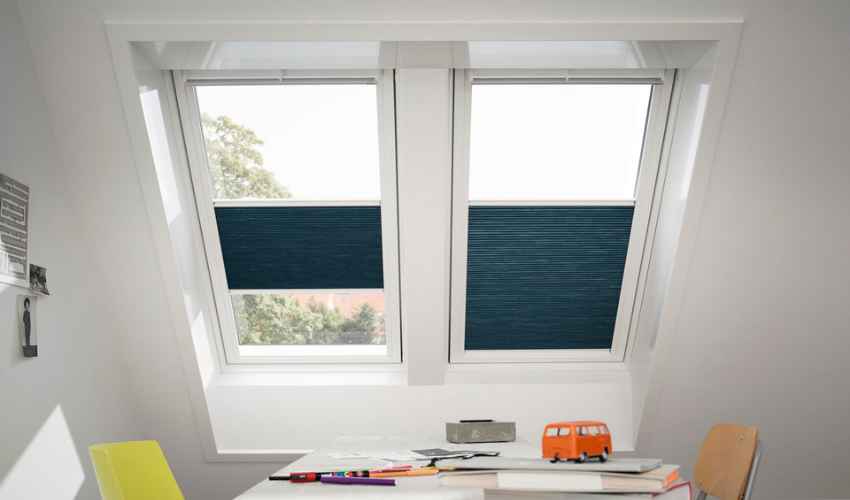
Not every blind style performs the same way. Some are better for insulation, some are ideal for aesthetics, and others focus on automation. Below are the most practical and trending choices.
1. Pleated Conservatory Roof Blinds
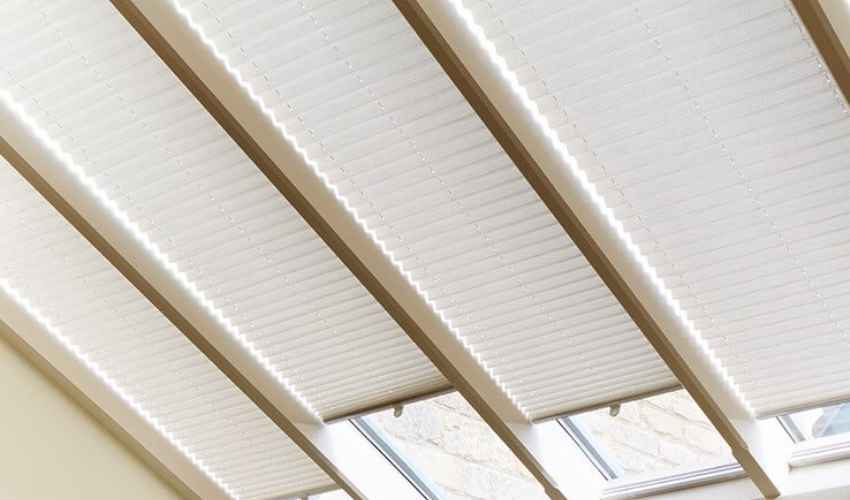
Pleated blinds remain one of the most popular options because they are lightweight, elegant, and highly adaptable for roof glazing.
Their folded fabric design sits neatly against the roof panels and creates a clean, tailored finish. Because they do not look bulky, they suit both traditional and contemporary conservatories.
Why homeowners choose pleated blinds
- soft filtered daylight
- neat structured appearance
- excellent compatibility with angled roof panels
- available in thermal-lined fabrics
Pleated blinds work especially well when the goal is to soften brightness rather than create a complete blackout.
2. Thermal Conservatory Roof Blinds
If heat control is the main concern, thermal blinds are one of the strongest investments. These are manufactured with heat-reflective and insulating backing materials that minimize temperature fluctuation.
They are designed specifically for conservatories that become:
- too hot in summer
- too cold in winter
The reflective layer helps bounce solar heat away while the dense fabric reduces indoor heat loss.
Best for:
- south-facing conservatories
- glass-heavy roof structures
- year-round room usage
This type offers functionality before decoration, although modern collections now include many stylish textures.
3. Roller Conservatory Roof Blinds
Roller blinds bring a more streamlined and minimalist look. They are easy to operate and available in:
- sunscreen fabrics
- blackout fabrics
- light-filtering fabrics
Their biggest advantage is design flexibility. Whether the conservatory is being used as a breakfast room, office, lounge, or reading area, roller blinds can be selected in colors that match the interior perfectly.
They are also relatively easy to maintain compared to fabric-heavy alternatives.
4. Venetian Conservatory Roof Blinds
Venetian blinds provide precise control over sunlight because the slats can be tilted at different angles. This gives homeowners better flexibility compared to fixed fabric systems.
They allow you to:
- partially block sunlight
- direct daylight inward
- maintain visibility while reducing glare
Aluminum Venetian styles are particularly popular in modern conservatories because they are light in weight and resistant to humidity. However, they usually provide less insulation than pleated or thermal designs.
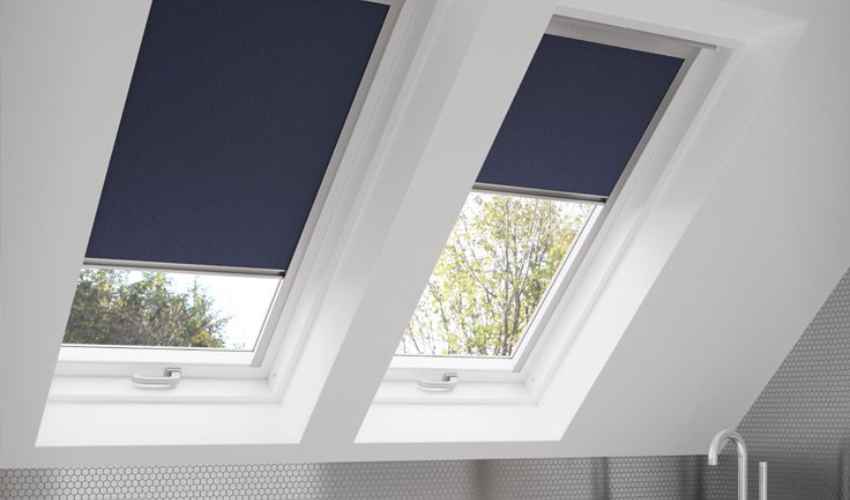
5. Skylight Roof Blinds
Skylight blinds are custom-fitted specifically for overhead glazing sections. These are often tensioned systems, meaning they stay secure against sloped roof glass rather than hanging loosely.
This fitted construction makes them ideal for:
- pitched conservatory roofs
- awkward skylight panels
- narrow roof sections
Skylight blinds look highly professional because they align exactly with each glass unit.
6. Motorized Conservatory Roof Blinds
Manual operation on overhead roof panels can become frustrating, especially in larger conservatories. That is why motorized blinds are increasingly becoming the preferred modern solution.
These can be controlled through:
- remote control
- wall switch
- smartphone app
- voice assistant integration
- timer settings
Motorized blinds are useful when:
- The roof height is difficult to access
- Multiple blind panels need synchronized movement
- Convenience is a priority
This is less of a blind style and more of a control upgrade, but it dramatically improves usability.
7. Pinoleum or Woven Roof Blinds
For homeowners who prefer a softer, natural aesthetic, woven roof blinds provide warmth and texture. These are often made from bamboo-style or woven wood materials.
They do not create a complete blackout but offer:
- soft shade
- visual texture
- relaxed conservatory ambiance
They are ideal for garden-facing conservatories where the objective is a sunroom feel rather than full thermal blocking.
Which Conservatory Roof Blind Material Performs Best?
The blind design matters, but the material determines lifespan, maintenance, and efficiency.
Polyester Thermal Fabric
This is one of the most common choices due to:
- heat reflection
- color retention
- easy cleaning
- affordability
PVC-Coated Fabrics
These are moisture-resistant and durable, making them suitable for conservatories that experience condensation.
Aluminium Components
Frequently used in Venetian or framed systems because they are lightweight and rust-resistant.
Woven Natural Fibers
Best for decorative use, though not always ideal for maximum insulation.
Smart Features That Make Conservatory Blinds More Practical
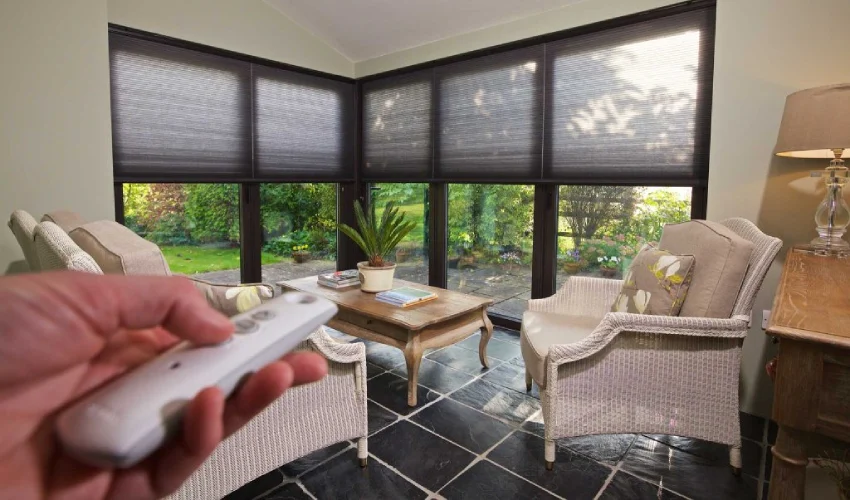
Modern homeowners are moving away from simple pull-cord systems. Conservatory roof blinds are now available with smart automation that adds genuine convenience.
Remote Control Operation
Allows opening or closing roof sections instantly without using ladders or poles.
Scheduled Timer Function
You can set blinds to close during peak afternoon heat and reopen later.
Voice Assistant Integration
Smart home users can sync roof blinds with home automation systems.
Sunlight Sensors
Some premium systems automatically respond to sunlight intensity.
These features are not just luxury add-ons—they solve the practical issue of hard-to-reach roof panels.
How to Choose the Best Conservatory Roof Blinds for Your Space
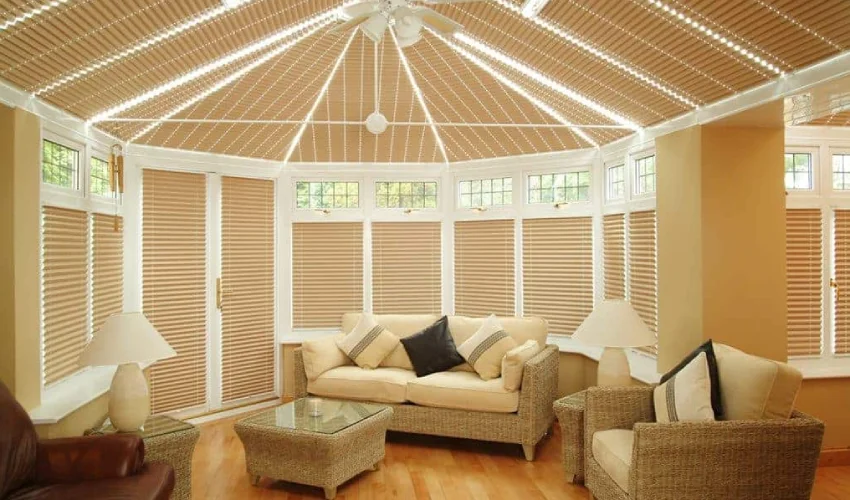
Buying based only on appearance often leads to disappointment. A blind that looks elegant may fail badly at heat reduction.
Use these practical selection criteria first.
1. Identify the Main Problem You Need to Solve
Ask yourself:
- Is the conservatory too hot?
- Is glare the biggest issue?
- Is privacy needed?
- Do you need winter insulation?
Your answer determines whether thermal, pleated, blackout, or Venetian systems make more sense.
2. Measure Every Roof Panel Carefully
Conservatory roofs often have:
- different panel widths
- angled sections
- opening vents
- uneven glazing bars
Never assume one blind size works for all sections. Each panel should be measured individually.
3. Choose Light Control Level
Some people want bright filtered daylight. Others want strong sun blocking.
Choose from:
- light filtering
- dim-out
- blackout
- reflective thermal
4. Consider Maintenance Needs
Fabric-heavy blinds may need more dusting, while aluminum or PVC surfaces are easier to wipe clean.
5. Think About Daily Usability
If the conservatory roof is large, manual systems can become inconvenient quickly. In that case, motorization is a more sensible long-term investment.
Common Mistakes People Make When Buying Conservatory Roof Blinds
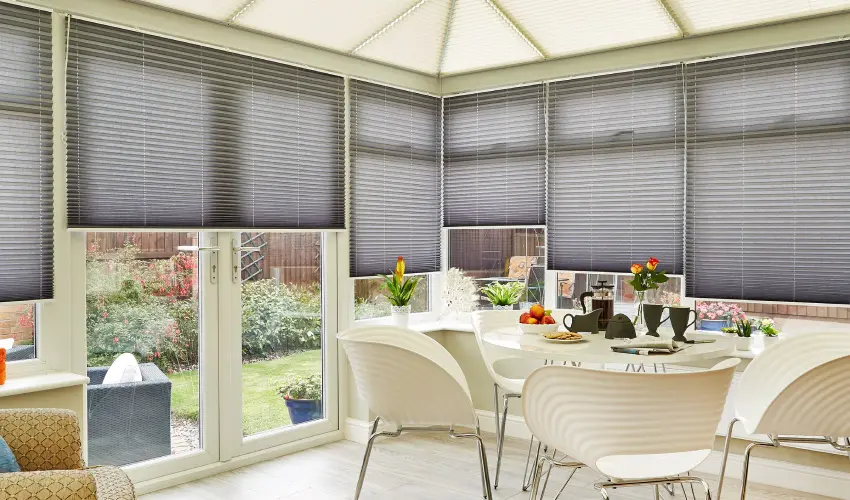
Many homeowners waste money because they focus only on color and style.
Avoid these errors:
- choosing ordinary blinds instead of conservatory-specific systems
- ignoring thermal lining
- taking rough measurements
- forgetting about roof angles
- selecting manual operation for inaccessible panels
- buying low-grade fabric that fades quickly
A conservatory blind should be chosen as a functional architectural feature, not just a decorative curtain replacement.
Are Conservatory Roof Blinds Better Than Other Shading Options?
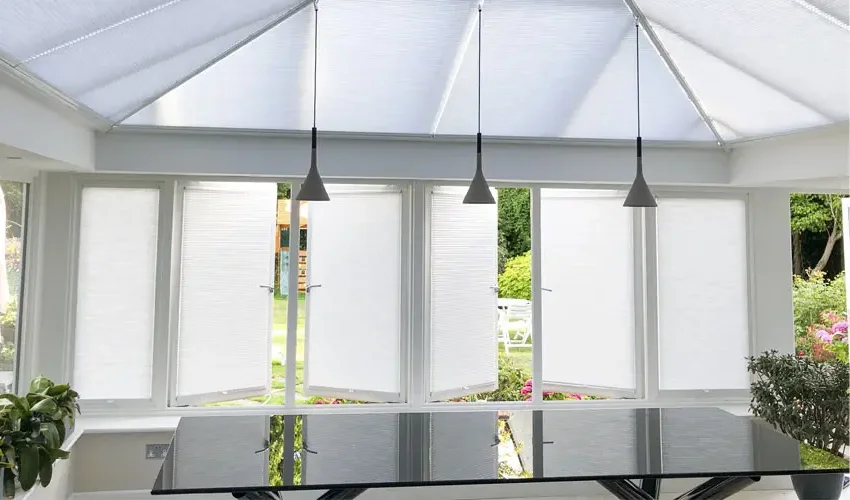
Compared to roof films, curtains, or temporary shades, conservatory roof blinds offer a better balance of:
- insulation
- appearance
- adjustable light control
- privacy
- year-round usability
Unlike permanent tinting, blinds can be opened when full daylight is desired.
Final Thoughts
The best conservatory roof blinds are the ones that make the room livable in every season, not just the ones that look attractive in product photos. Pleated and thermal blinds remain the strongest all-round performers for insulation and glare control, while motorized systems add major convenience for larger roof spaces.
The smartest buying approach is to first define whether your conservatory suffers more from heat, brightness, privacy exposure, or seasonal temperature shifts. Once that is clear, choosing the right blind style becomes much easier.
A conservatory should feel like a peaceful extension of the home, not a room you avoid for half the year. The right roof blinds make that difference.
Frequently Asked Questions
How long do conservatory roof blinds usually last?
Good-quality conservatory roof blinds generally last between 5 and 10 years, depending on fabric quality, sun exposure, and maintenance.
Are thermal conservatory blinds worth it?
Yes, thermal blinds are highly effective if your conservatory overheats in summer or loses warmth in winter.
Can conservatory roof blinds be motorized?
Yes, many modern conservatory blind systems come with remote-controlled and smart automated operation.
Which blind style is best for reducing glare?
Pleated, roller sunscreen, and Venetian roof blinds are all excellent for glare reduction.
Do conservatory roof blinds provide privacy at night?
Yes, depending on fabric opacity, they can significantly reduce visibility from above or neighboring buildings.
Can blinds be installed on sloped conservatory roofs?
Yes, specially tensioned conservatory blind systems are designed specifically for sloped and angled glass roofs.