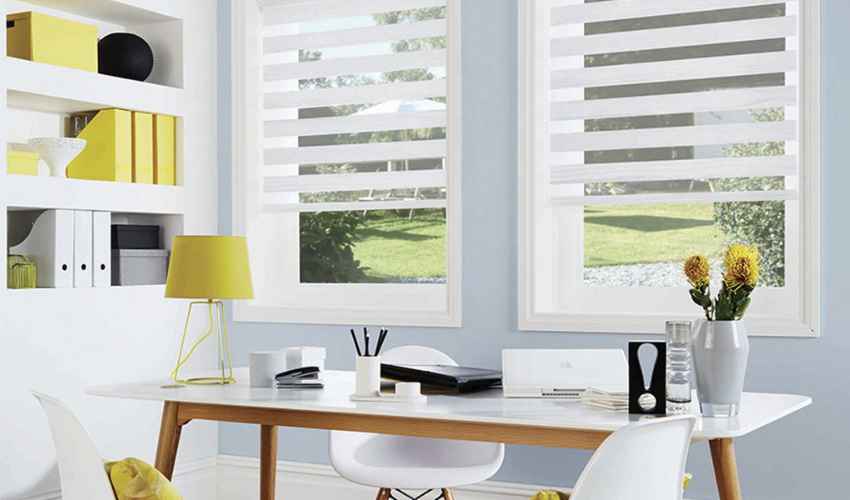
Day and night blinds have become one of the most practical upgrades in modern homes. They solve a simple problem most window coverings don’t handle well: controlling light at different times of the day without constantly changing curtains or blinds.
They combine two fabric zones that are transparent and opaque. This way, you can shift between soft daylight and full privacy with a simple adjustment. The result is a more flexible, cleaner-looking window system that fits both modern and traditional interiors.
What Makes Day and Night Blinds Different?
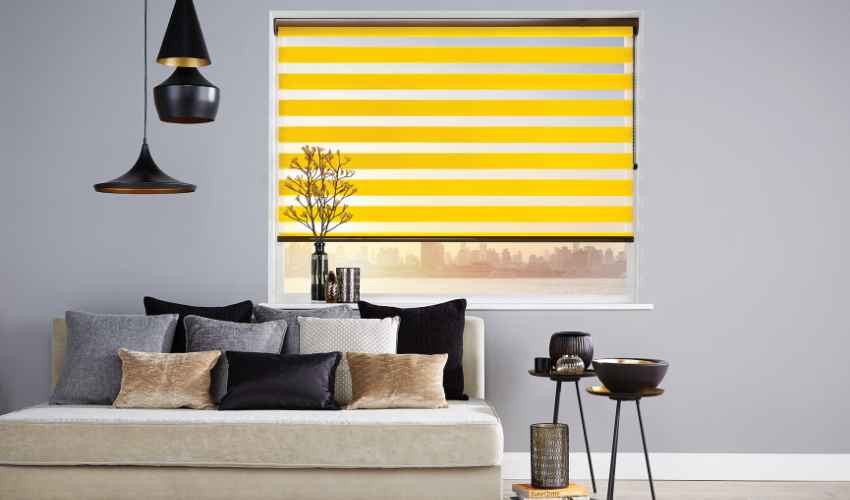
Day and night blinds are designed with alternating fabric stripes. One layer filters light, while the other blocks it. When aligned, they allow daylight in. When offset, they create privacy and reduce brightness.
This dual structure makes them more versatile than standard Window blinds because they don’t force you into a single lighting condition.
The key difference is simple:
- Day settings = filtered natural light
- Night settings = privacy + reduced visibility
This flexibility is why they are widely used in bedrooms, living rooms, and workspaces.
How Day Blinds Work (Light-Focused Functionality)

Day blinds are designed to maintain brightness while reducing glare. They are typically made with lighter fabrics like mesh or sheer materials. Check out the types of day blinds below:
Roller Day Blinds
Clean, minimal, and easy to operate. These are ideal for modern interiors where simplicity matters more than decorative detail.
Vertical Day Blinds
Better suited for large windows or sliding doors. The vertical movement makes them practical in wide spaces.
Venetian Day Blinds
Adjustable slats allow precise light control. They work well in offices or rooms where light direction matters.
Day blinds are mainly about maintaining openness while softening harsh sunlight.
How Night Blinds Work (Privacy + Darkness Control)
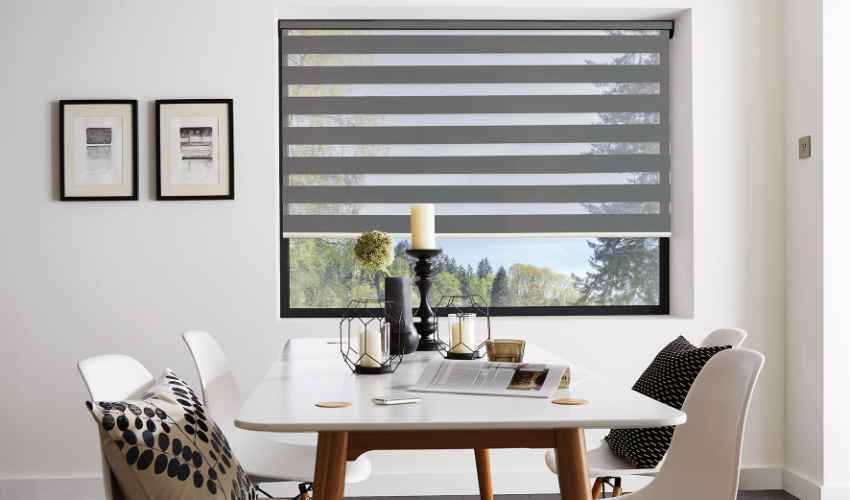
Night blinds focus on blocking light and improving privacy. They are built with denser fabrics and tighter weaves.
Blackout Night Blinds
Designed for complete darkness. Ideal for bedrooms or media rooms where light control is essential.
Dim-Out Blinds
Reduce brightness without fully blocking light. A balanced option for living areas.
Sheer Night Blinds
Offer privacy while still allowing soft light diffusion. These are more decorative and less functional for full blackout needs.
Night blinds are primarily about controlling the environment, sleep quality, and privacy levels.
Choosing the Right Day Blinds for Your Home
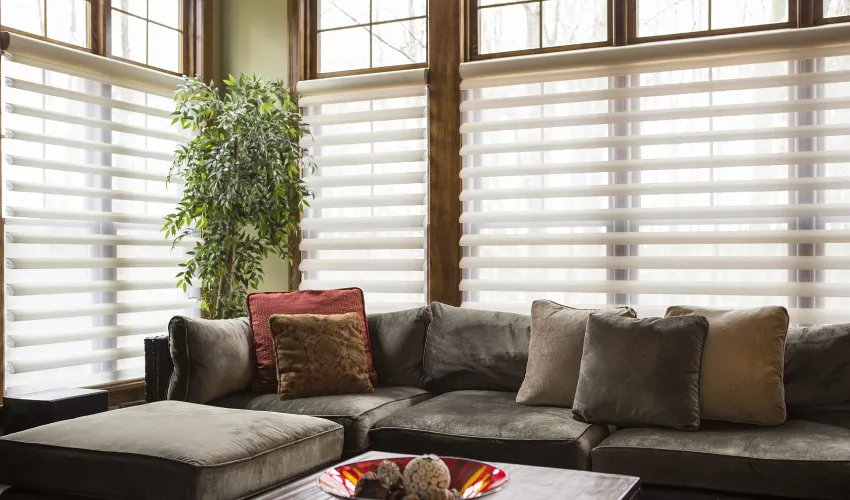
Selecting day blinds is not just about appearance. The real decision depends on how you use the space.
1. Measure Correctly
Incorrect measurements are one of the most common mistakes. Even small gaps can affect light control.
2. Choose the Right Material
- Lightweight fabrics for soft lighting
- Wood or faux wood for structure and durability
- Synthetic materials for easy maintenance
3. Match Interior Tone
Light colours create openness, while darker shades make a room feel more controlled and private.
4. Consider Usage Frequency
High-traffic areas need durable materials that can handle repeated adjustments.
5. Installation Approach
Proper alignment matters more than the blind type itself. Poor installation reduces performance significantly.
Choosing the Right Night Blinds
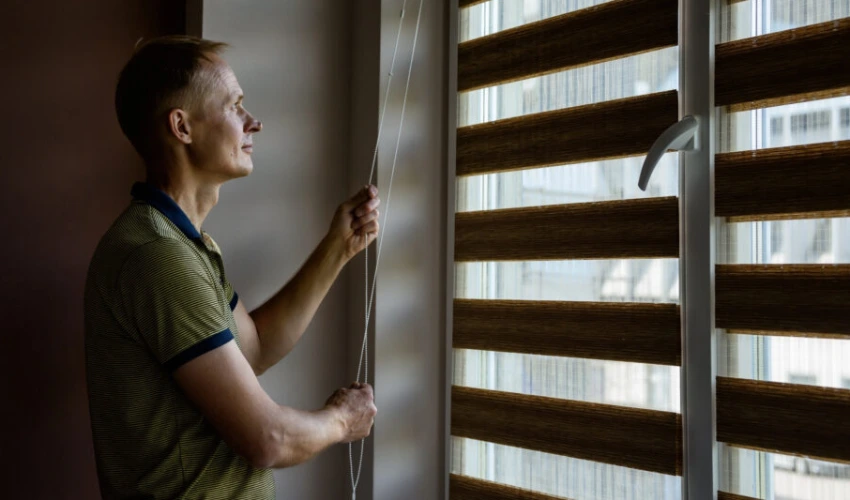
Night blinds require a slightly different approach because they directly affect sleep quality and privacy.
1. Decide the Level of Darkness
- Full blackout for bedrooms
- Dim-out for living spaces
- Sheer for decorative use
2. Material Selection Matters
PVC and vinyl are durable, but fabric-based blackout blinds offer better insulation and aesthetics.
3. Colour Impacts Performance
Darker colours block more light, while lighter tones soften the look but may allow minor light seepage.
4. Room Function Comes First
A bedroom, nursery, and office all need different lighting control levels.
Why Day and Night Blinds Are Becoming a Modern Standard
Their popularity is not just design-driven. It comes from functionality.
They help with:
- Flexible light adjustment throughout the day
- Improved privacy without heavy curtains
- Better energy control indoors
- Cleaner, minimal window styling
In simple terms, performance depends on how well the fabric layers interact and how precisely they are adjusted.
Styling Tips: Making Day and Night Blinds Look Better
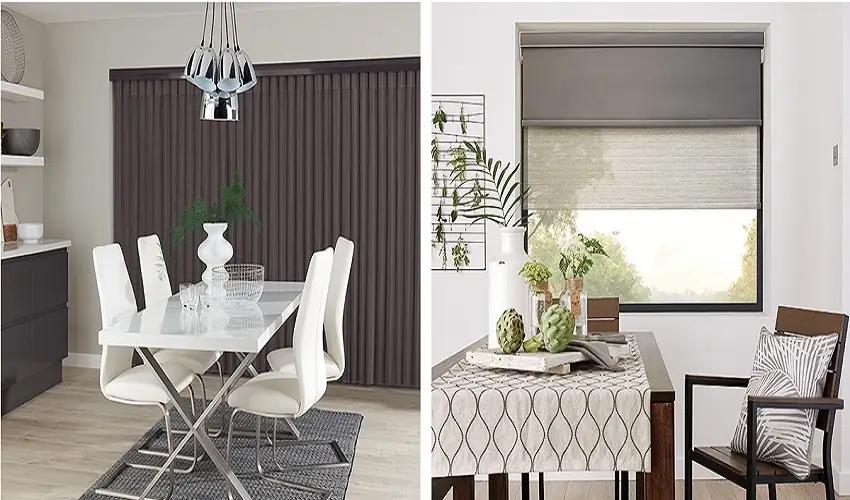
Blinds are not just functional anymore. They are part of interior design.
Layering Works Best
Combining day and night blinds with light curtains can create depth and softness without overcrowding the window.
Match With Room Elements
Tie colours to cushions, rugs, or wall tones instead of matching everything exactly.
Keep Hardware Consistent
Small details like rods and fittings influence the overall visual balance more than expected.
Use Neutral Base Shades
Neutral tones tend to last longer visually and adapt better to changing décor trends.
Popular Blinds That Pair Well with Day and Night Systems
You can use below mentioned blinds for creating day and night systems:
Venetian Blinds
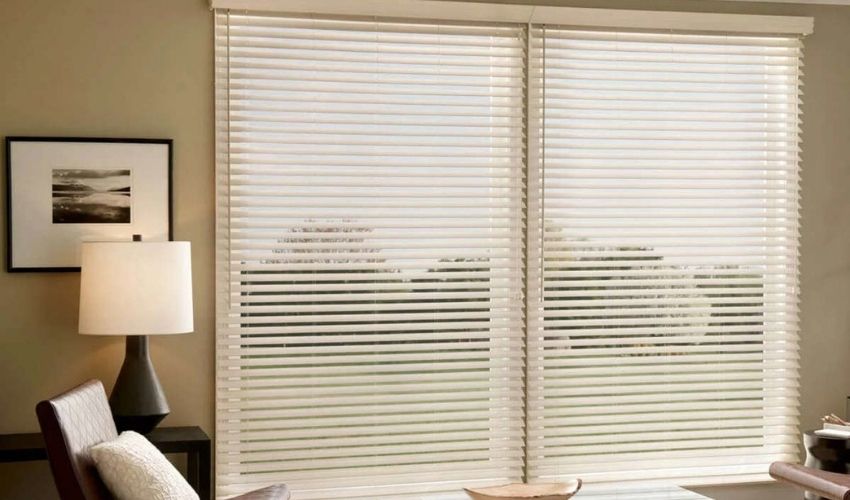
Flexible and adjustable, suitable for controlled lighting environments.
Roller Blinds
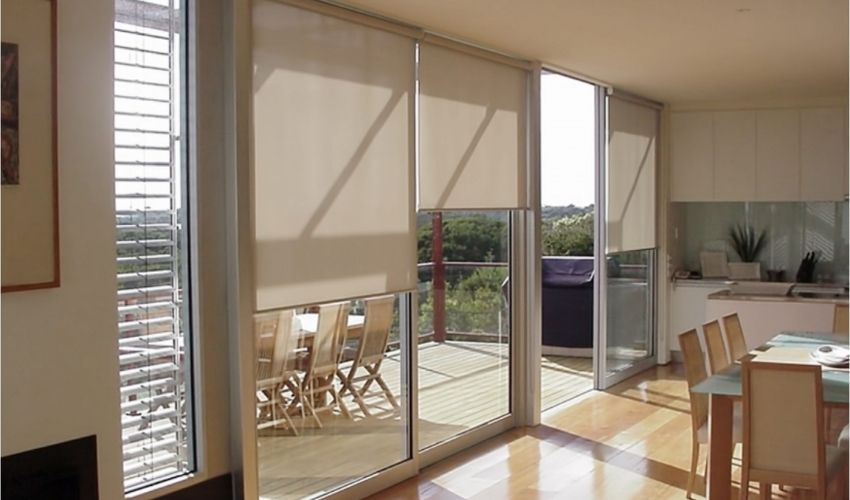
Minimal and modern, ideal for compact interiors.
Roman Blinds
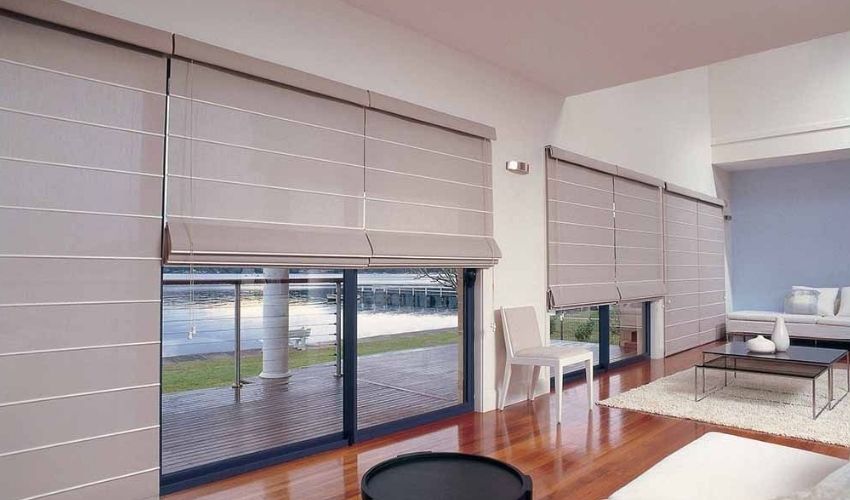
Soft fabric folds that add a decorative layer.
Cellular Blinds
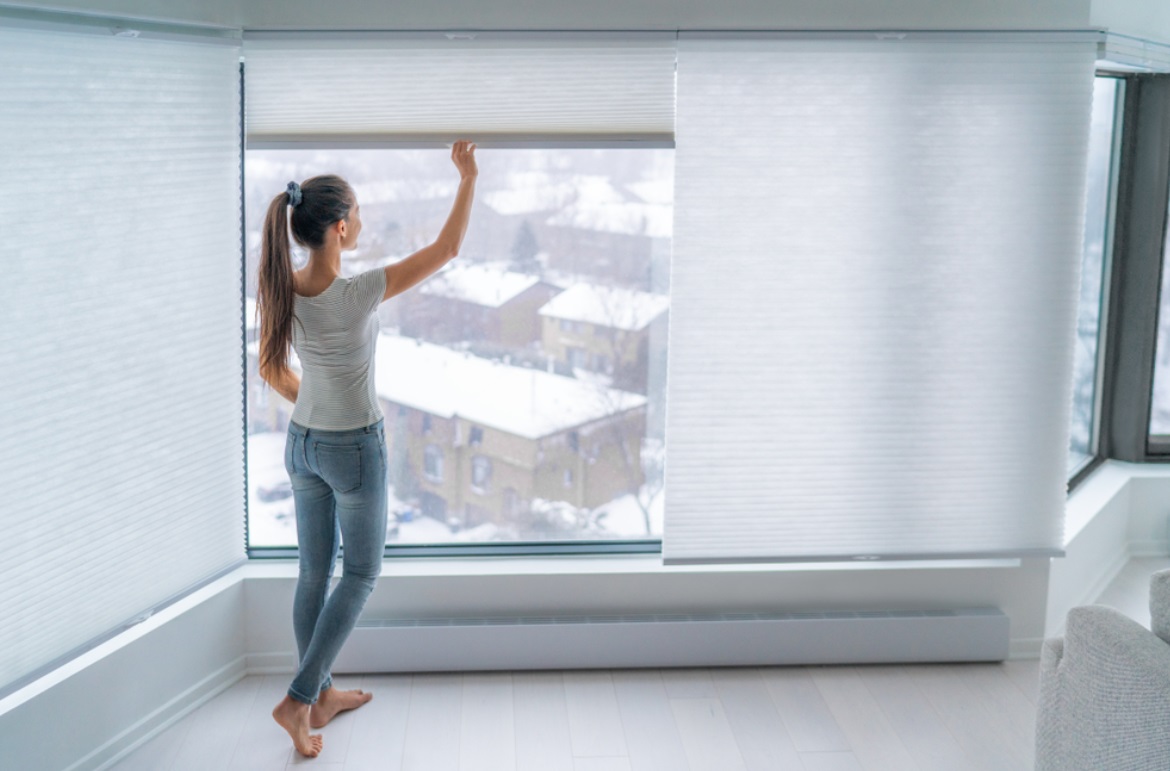
Better insulation and energy efficiency due to structured air pockets.
Common Mistakes to Avoid
Many users don’t get the expected performance because of simple errors:
- Choosing style before function
- Ignoring window measurements
- Selecting fabric only for appearance
- Overlooking installation alignment
- Using the wrong opacity level for the room
These mistakes usually affect usability more than product quality.
Installation Considerations
Day and night blinds are relatively easy to install, but precision matters.
- Ensure brackets are level
- Check fabric movement before final tightening
- Avoid placing obstructions near window handles
- Test both day and night alignment modes
Poor installation can reduce the smooth transition between light and dark modes.
Final Thoughts
Day and night blinds are not just a design trend; they are a functional response to modern living needs, where one fixed lighting setup is no longer enough. They work best when chosen based on room function rather than appearance alone. Bedrooms need stronger blackout control, while living spaces benefit from filtered light options.
The real value comes from how well they adapt throughout the day without requiring constant adjustment or compromise. If selected and installed correctly, they offer a balance that standard blinds rarely achieve: control without complexity.