French doors are designed to bring in light and openness, but that same feature can create challenges with privacy, glare control, and heat management. Choosing blinds isn’t just a styling decision anymore. It’s about balancing functionality, durability, and how smoothly the door still operates after installation.
Modern interior trends now focus on clean lines, minimal bulk, and flexible light control. That’s why French door blinds have evolved into slimmer, smarter, and more tailored solutions rather than one universal option.
Why Blinds Matter More on French Doors Than Regular Windows
French doors are frequently used, opened, and exposed to direct movement. That changes how blinds perform compared to standard windows.
Blinds here must:
- Stay stable when doors open and close
- Avoid getting tangled or knocked
- Provide privacy without blocking usability
- Match the door’s slim structure
A poorly chosen blind doesn’t just look off; it becomes a daily inconvenience.
Best Blinds for French Doors
Check out the list of blinds that work better with French doors.
1. Venetian Blinds (Flexible and Timeless)
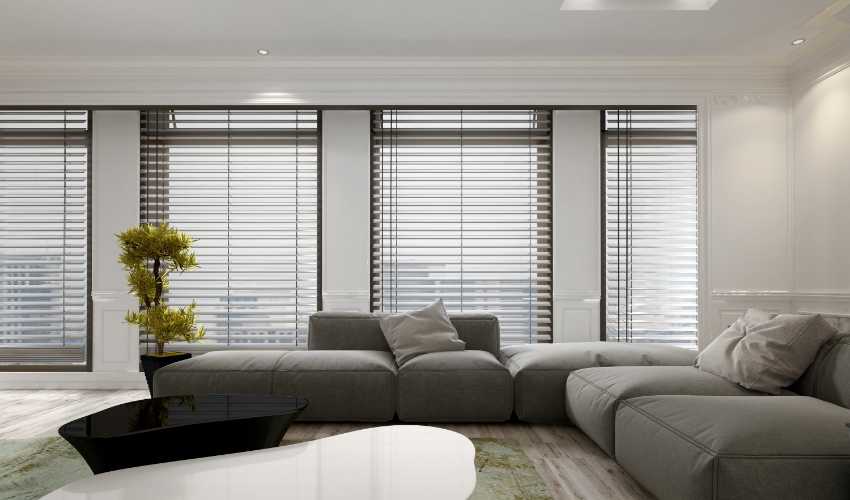
Venetian blinds remain popular because they give precise light control. The horizontal slats allow you to adjust brightness without fully lifting the blind.
They work well in:
- Modern interiors
- Office-style rooms
- Minimalist home designs
Material options like faux wood or aluminium make them more practical for daily use, especially in high-traffic areas.
2. Vertical Blinds (Best for Larger Door Panels)
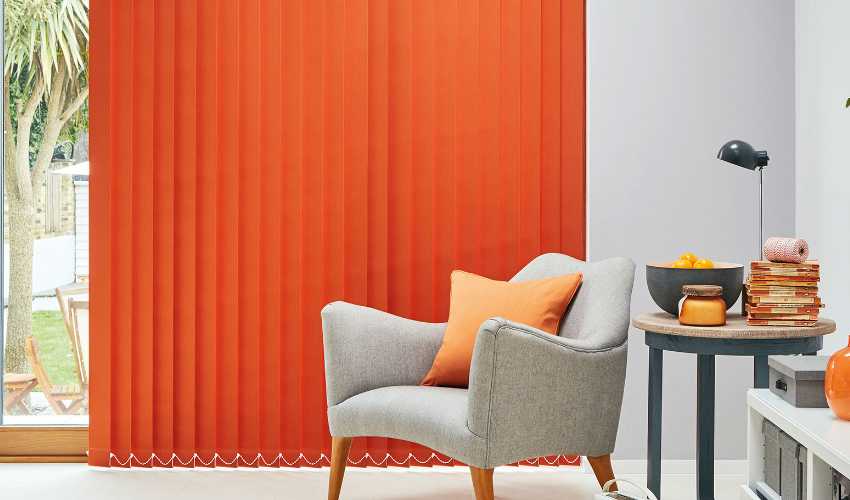
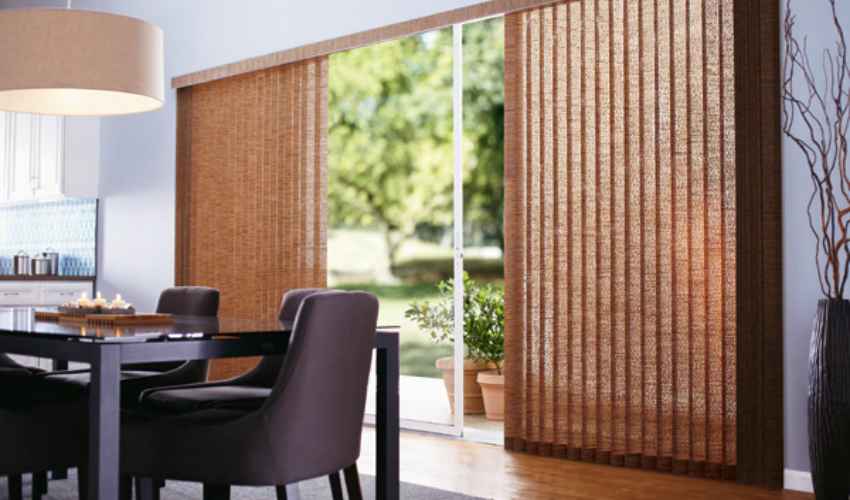
Vertical blinds are often underestimated in modern interiors, but they are still one of the most functional choices for wide French doors.
They work by sliding sideways, which reduces interference with door movement.
They are useful when:
- You want strong light control
- You have wide glass panels
- You prefer low-maintenance solutions
The downside is that they can feel slightly more commercial in design if not matched properly with interiors.
3. Roller Blinds (Clean and Minimal Look)
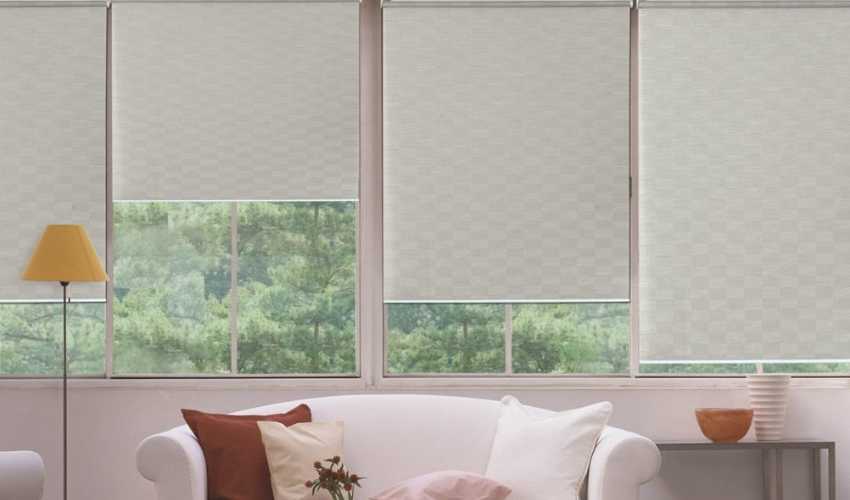
Roller blinds are one of the most modern choices for French doors because they stay visually quiet when installed. When rolled up, they almost disappear, which keeps the door design intact.
They are ideal for:
- Minimal interiors
- Compact spaces
- Homes that prefer uncluttered aesthetics
Fabric choice matters here. Light-filtering options soften sunlight, while blackout versions improve privacy.
4. Roman Blinds (Soft and Decorative Appeal)
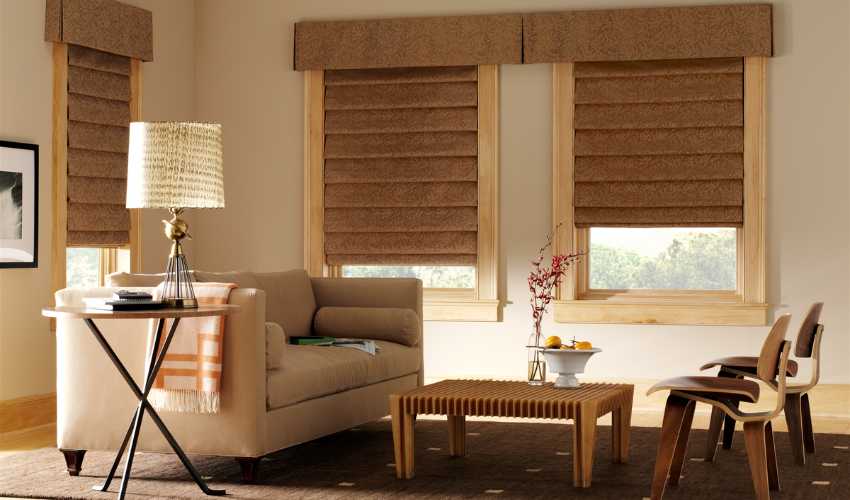
Roman blinds bring a softer, fabric-based look that suits residential interiors. Unlike rigid blinds, they fold into neat layers when raised, adding texture to the room.
They are best for:
- Bedrooms
- Living rooms
- Elegant or classic interiors
However, they need more care compared to synthetic alternatives.
5. Cellular (Honeycomb) Blinds (Energy Efficient Option)
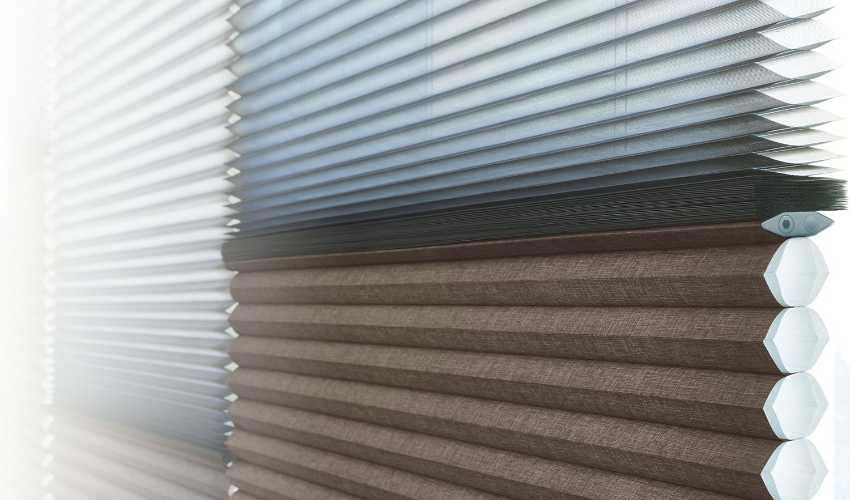
These blinds are designed with air-trapping cells that improve insulation. This makes them more than just a visual upgrade. They are especially useful in climates where temperature control matters.
They help with:
- Reducing heat transfer
- Improving indoor comfort
- Lowering energy usage
6. Panel Glide Blinds (Modern Architectural Style)
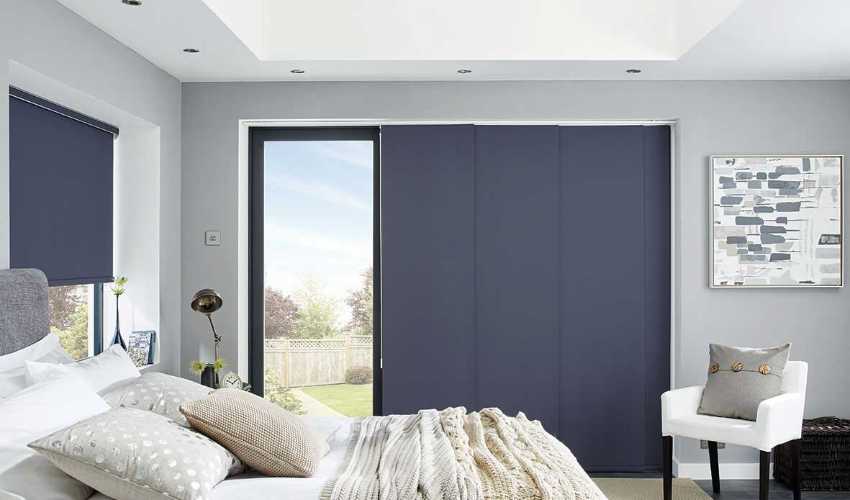
Panel glide blinds are a strong modern option for French doors. Large fabric panels slide smoothly across a track.
They are ideal when:
- You want a contemporary look
- You need wide coverage
- You prefer smooth operation over slats
They also work well in open-plan spaces where visual continuity matters.
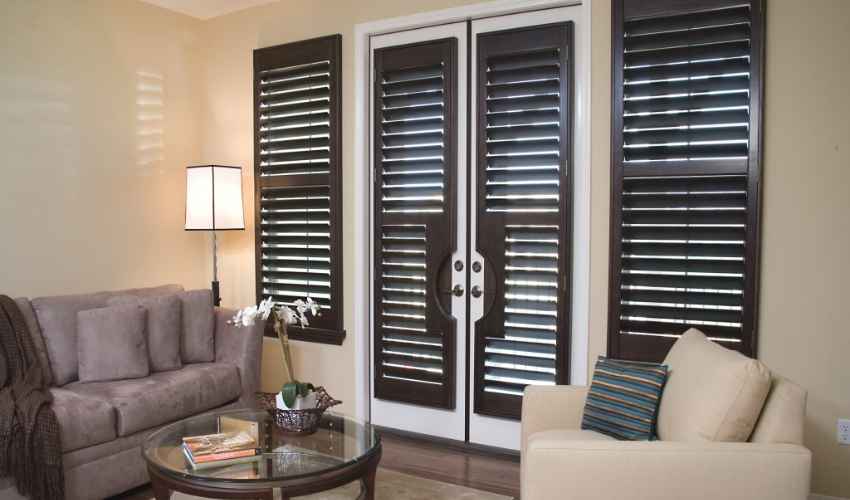
7. Shutters (Premium Built-In Appearance)
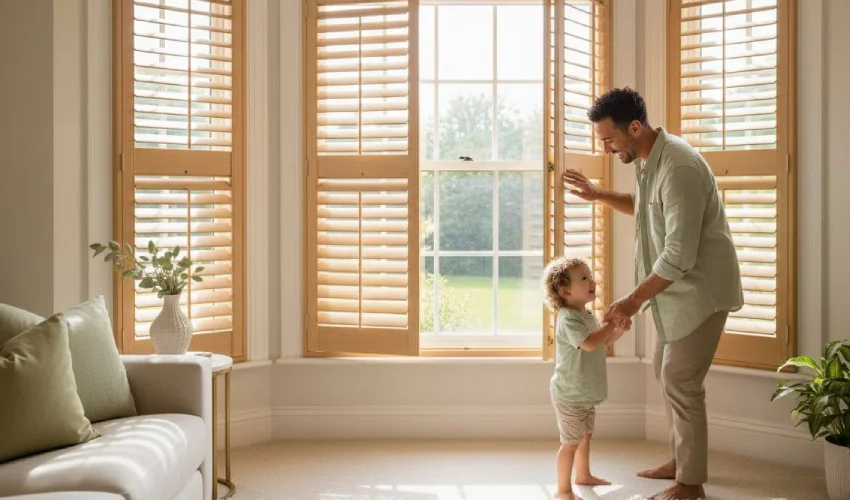
Shutters are a more permanent solution that blends into the door frame itself.
They offer:
- Strong privacy control
- Long-term durability
- A structured, architectural look
They are more expensive but often chosen for premium interiors or long-term installations.
Best Materials for French Door Blinds (What Actually Performs Well)
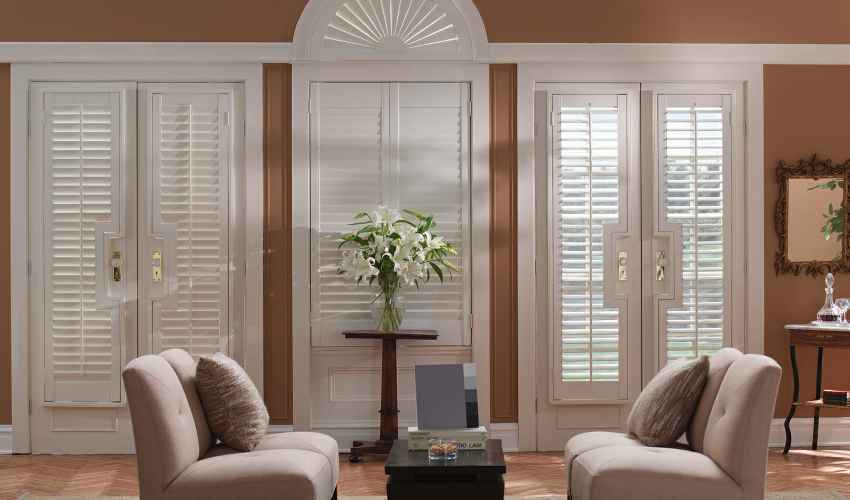
Choosing material is often more important than choosing style.
Faux Wood
A practical alternative to real wood. It resists moisture better and works well in high-use spaces.
Aluminum
Lightweight, affordable, and easy to maintain. It suits modern, functional interiors.
Fabric
Offers the most visual variety but requires more care. Works best in low-humidity rooms.
Real Wood
Aesthetic and warm, but not ideal for areas exposed to humidity or heavy usage.
Custom vs Ready-Made Blinds (What’s Worth It?)
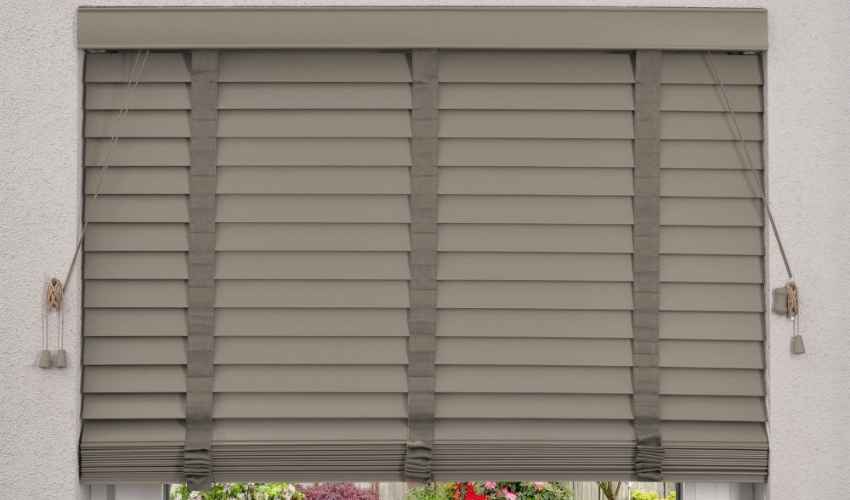
Custom blinds are made for exact measurements. They fit better, operate smoothly, and integrate cleanly with French doors.
Ready-made blinds are:
- Faster to buy
- More budget-friendly
- Limited in precision fit
If your doors are standard-sized and your budget is tight, ready-made works. But for a clean finish, custom usually performs better in the long run.
Key Factors Before Choosing French Door Blinds
A practical decision comes down to more than appearance.
- Blinds must not interfere with opening and closing.
- Bedrooms and bathrooms need stronger coverage than living areas.
- Decide whether you want full blackout, soft filtering, or adjustable light.
- Frequent use means weak materials will fail faster.
- Clamp, adhesive, or track systems each affect long-term stability.
Types of French Doors and What Works Best
Different door styles change blind performance.
- Single French Doors: Roller or Venetian blinds
- Sliding French Doors: Panel glide systems
- Wooden French Doors: Roman or bamboo-style blinds
- Glass French Doors: Honeycomb or sheer fabrics
- Metal French Doors: Aluminum Venetian blinds
- Bi-Fold Doors: Track-based panel systems
- UPVC Doors: Lightweight roller or vertical blinds
Matching the blind type to the door structure prevents long-term functional issues.
Blinds You Should Avoid for French Doors
Not every blind works well in this setup.
Corded Blinds
They create safety risks and are not aligned with modern child-safe design standards.
Mini Blinds
They are fragile, collect dust easily, and don’t provide strong coverage.
Heavy Horizontal Blinds
They often interfere with door movement and feel unstable when the door is frequently used.
Practical Installation Tips (What Actually Makes a Difference)
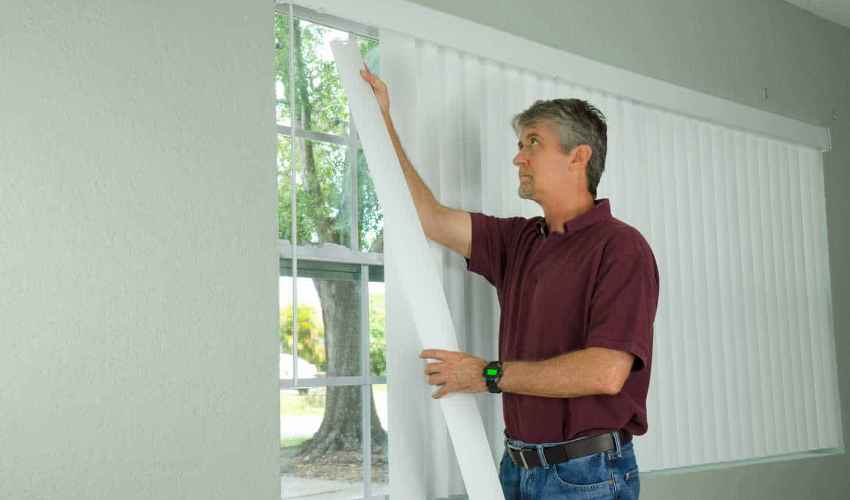
The tips mentioned below will help you install the blinds over the French doors.
- Measure twice before buying anything
- Choose inside or outside mount based on clearance
- Use stable brackets that don’t loosen over time
- Test door movement before final tightening
- Add hold-down clips to prevent swinging
Small mistakes in installation often matter more than product choice.
Final Thoughts
The best blinds for French doors are not just a matter of design preference; they depend on how the doors are used daily. Modern interiors favour clean, lightweight, and functional solutions like roller blinds, panel systems, and cellular shades, while traditional spaces still benefit from Venetian or Roman styles.
The key is balance: light control, ease of movement, and visual consistency. If one of these is ignored, even an expensive blind can feel like a poor fit.