Window blinds are essential for privacy, light control, and overall interior styling. However, traditional blinds often require drilling, which can damage walls and limit flexibility. This becomes a major concern for renters or anyone who prefers a clean, hassle-free setup.
No-drill blinds solve this problem by offering simple installation without permanent changes. They are designed for convenience, quick setup, and easy removal, making them a popular choice in modern homes.
What Makes No-Drill Blinds Different?
No-drill blinds function just like traditional blinds for light control and privacy. The key difference lies in how they are installed.
Instead of screws and brackets, these window blinds rely on alternative mechanisms such as adhesive strips, tension systems, magnets, or suction. This means you can install them without tools and remove them without leaving marks.
Traditional blinds, on the other hand, require hardware that is fixed into the wall or window frame. While they may offer strong support, they lack flexibility and can damage surfaces.
Why Choose No-Drill Blinds?
The growing demand for no-drill blinds is not just about convenience. It reflects a shift toward flexible and renter-friendly interiors.
They are ideal for rented spaces where drilling is not allowed. They also help preserve freshly painted walls or newly designed interiors. Installation is quick, and removal is just as easy, saving both time and effort.
Another advantage is cost efficiency. Since installation is simple, there is no need to hire professionals. You can set them up yourself within minutes.
7 Types of No-Drill Blinds You Should Know

Understanding the different types helps you choose the right option for your space.
1. Peel-and-Stick Blinds

Peel-and-stick blinds come with an adhesive backing that attaches directly to the window frame. They are best suited for temporary use and lightweight applications. Installation takes only a few minutes, and removal is equally simple. However, they may not be strong enough for large or heavy windows.
2. Magnetic Blinds

Magnetic blinds attach to metal window frames using built-in magnets. They provide a clean and modern look while being extremely easy to install. These blinds are especially useful for glass doors or aluminum window frames. Their limitation is that they only work on compatible surfaces.
3. Tension Rod Blinds

Tension rod blinds are installed using a pressure-based rod placed inside the window frame. They require no tools and are ideal for small to medium windows. This method offers a neat and secure fit, but it may not support heavier materials.
4. Clamp-On Blinds
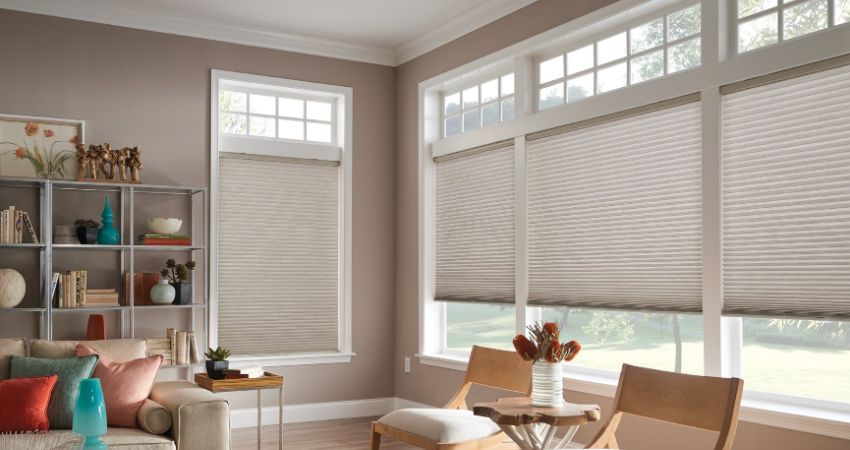
Clamp-on blinds use brackets that attach to the window frame without drilling into the wall. Although they may involve minor fixing on the frame, they avoid wall damage. This option provides better stability compared to fully adhesive solutions.
5. Static Cling Blinds

Static cling blinds use a simple water-based application to stick to glass surfaces. They require no adhesive or hardware, making them eco-friendly and reusable. These blinds are perfect for privacy and light filtering, but are not ideal for full blackout needs.
6. Suction Cup Cordless Blinds

Suction cup blinds attach directly to glass using strong suction mechanisms. They are best for small windows and are completely cordless, making them safer for homes with children or pets. However, they may lose grip over time if not installed properly.
7. Smart Friction-Fit Blinds

Friction-fit blinds use adjustable pressure systems to stay in place. These modern blinds often include smart features such as remote control or app operation. They provide a premium experience without permanent installation, although they can be more expensive.
10 Smart Ways to Choose the Right No-Drill Blinds
Choosing no-drill blinds is not just a quick purchase decision. It requires a clear understanding of your window structure, daily usage, and long-term expectations. Each factor below plays a role in ensuring that your blinds not only look good but also perform well over time.
1. Measure Your Windows Accurately
Accurate measurements are the foundation of a perfect fit. Even a small miscalculation can cause gaps, uneven hanging, or blinds that simply do not stay in place. Always measure both the width and height of the window, and double-check before purchasing. For inside-frame installations, precision becomes even more important.
2. Consider the Weight of the Blinds
The weight of the blinds directly affects which installation method will work. Adhesive strips and suction cups are designed for lightweight materials, while heavier blinds may require tension-based or clamp systems. Ignoring this factor often leads to blinds falling or losing grip over time.
3. Evaluate Your Surface Type
Not all surfaces behave the same way. Glass allows suction and static cling solutions, while wood or painted walls work better with adhesive hooks or strips. Metal frames can support magnetic blinds. Choosing the wrong method for your surface can result in weak installation or damage.
4. Decide Your Light Control Needs
Blinds are not just decorative; they control how much light enters your space. Sheer blinds allow natural light to pass through, making them ideal for living areas. Blackout blinds, on the other hand, are better for bedrooms where complete darkness is preferred. Your choice should match how you use the room throughout the day.
5. Prioritize Privacy
Privacy requirements vary from room to room. Bedrooms and bathrooms need maximum coverage, while living rooms may only need partial privacy. Selecting blinds without considering this can lead to discomfort, especially in homes with close neighbors or street-facing windows.
6. Match with Interior Style
Blinds should blend with your existing décor instead of standing out awkwardly. Consider your wall colors, furniture tones, and overall theme. Neutral shades create a calm and balanced look, while bold colors can act as statement pieces if used carefully.
7. Think About Maintenance
Some blinds require more care than others. Fabric blinds may need occasional washing, while vinyl or synthetic options can be cleaned with a simple wipe. If you prefer low-maintenance solutions, choose materials that resist dust and are easy to clean regularly.
8. Check Durability
Blinds are exposed to sunlight, heat, and daily handling. Materials that fade quickly or lose shape will not last long. Look for options that can withstand these conditions without losing their appearance or functionality. Durability is especially important for rooms with direct sunlight.
9. Plan for Reusability
If you move frequently or like to update your interiors often, reusability becomes important. Many no-drill blinds can be removed and reinstalled elsewhere. Choosing reusable options saves money and reduces waste in the long run.
10. Set a Realistic Budget
While it is tempting to go for the cheapest option, low-quality blinds often fail quickly. At the same time, expensive does not always mean better. A balanced budget helps you choose blinds that offer both quality and value, ensuring a worthwhile investment.
Final Thoughts
No-drill blinds are more than just a temporary solution. They represent a modern approach to home design that values flexibility, simplicity, and efficiency.
With a wide range of options available, you can find a style that fits your needs without compromising on aesthetics or functionality. The key is to choose wisely based on your window type, usage, and interior design. By understanding the different types and applying the right selection strategies, you can enjoy a clean, damage-free, and stylish window treatment solution that works perfectly for your space.