Decking can look stunning when it’s new, but over time it tends to lose its charm. Exposure to sun, moisture, and everyday use often leaves it faded, slippery, or uneven. Many homeowners find themselves stuck in a cycle of cleaning, sealing, and repairing, only to see the same issues return within months. This is where artificial grass has emerged as a smart, modern alternative. It offers a clean, green surface with minimal maintenance and a noticeably softer feel underfoot.
If you are considering upgrading your deck without tearing it out completely, installing artificial grass. is a practical solution. But the question remains: is it actually feasible, and does it perform well over time? The short answer is yes, but the details matter.
Is It Possible to Install Artificial Grass on Decking?
Yes, artificial grass can be laid directly over decking, and it has become increasingly common in modern outdoor design. It works particularly well in family homes where comfort and safety are priorities. The slightly cushioned surface is more forgiving for children and pets, while also reducing the risk of slipping compared to untreated wood.
However, the success of the installation depends heavily on the condition of the deck. Artificial grass does not fix structural problems underneath. If the base is unstable, uneven, or poorly drained, those issues will eventually affect the final result. So while the concept is simple, proper preparation is what determines whether the outcome looks polished or problematic.
Why Homeowners Are Choosing Artificial Grass for Decking
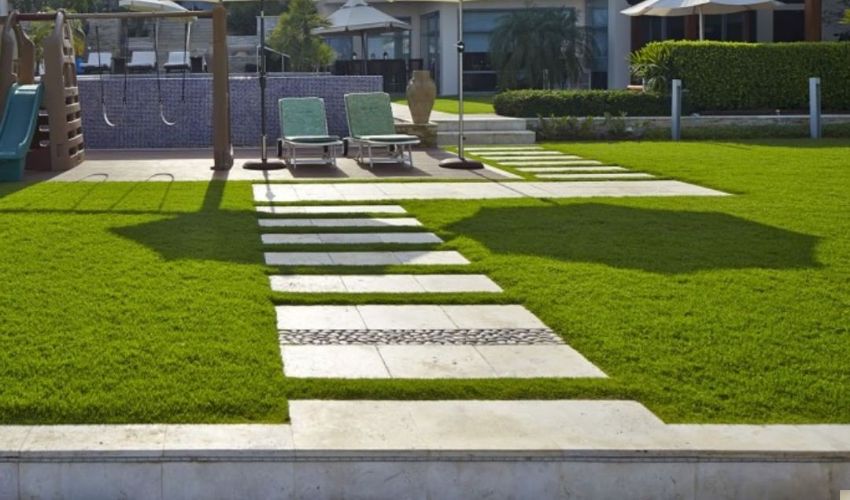
The shift toward artificial grass is not just about aesthetics. It reflects a broader trend toward low-maintenance, multi-functional outdoor spaces. Instead of treating decking as a separate surface, many homeowners now aim to create seamless environments that feel like an extension of indoor living areas.
One of the main advantages is the reduction in upkeep. Wooden decking often requires sanding, sealing, and frequent cleaning. Artificial grass eliminates most of that effort. A quick brush and occasional rinse are usually enough to keep it looking fresh.
Another benefit is visual consistency. Unlike wood, which can discolor unevenly, artificial turf maintains its color throughout the year. This makes it particularly appealing in climates with intense sun exposure.
Comfort also plays a role. Walking barefoot on grass-like turf feels significantly softer than stepping on hard timber boards. For families with children, this difference is not minor—it changes how the space is used on a daily basis.
Essential Checks Before Installation
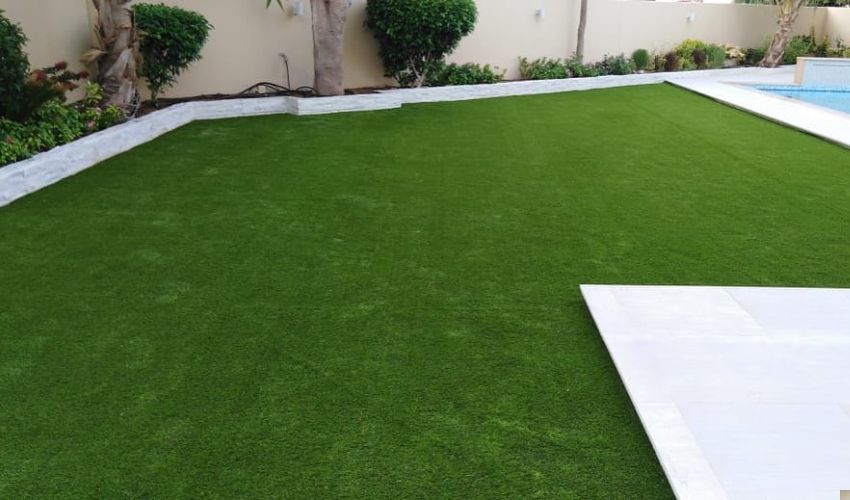
Before laying artificial grass, it is important to evaluate the existing decking carefully. Skipping this stage often leads to visible flaws or reduced lifespan of the turf.
Start by assessing the overall condition of the deck. Any signs of rot, instability, or loose boards should be addressed first. Artificial grass will cover the surface visually, but it cannot compensate for structural weakness.
Next, examine the gaps between the boards. Ideally, these gaps should be narrow. If they are too wide, the turf may dip into them over time, creating an uneven surface. Filling or covering these gaps with a suitable underlayer can prevent this issue.
Cleaning is another crucial step. Dirt, moss, and algae not only affect adhesion but can also lead to drainage problems. A thoroughly cleaned surface ensures better performance and longevity.
Drainage itself is often overlooked. Most decking is built with a slight gradient to allow water to run off. This feature should remain intact. Artificial grass is permeable, but it still relies on proper drainage beneath it to function effectively.
Finally, check for the presence of a weed membrane. If one is already installed and in good condition, it can continue to serve its purpose. If not, adding a new membrane is a wise step to prevent unwanted growth beneath the turf.
Tools and Materials You Will Need
Installing artificial grass does not require highly specialized equipment, but having the right tools makes the process smoother and more precise.
You will typically need joining tape and adhesive to connect sections of turf, a sharp knife for trimming, and a stiff brush for finishing. Fixing materials such as nails or pins are used to secure the edges. Depending on the condition of the deck, you may also need an overlay or shock pad to create a more even and cushioned base.
Modern installations often include shock pads, especially in areas designed for children or frequent use. These layers add comfort and help distribute weight more evenly, which can extend the life of the turf.
Step-by-Step Installation Process
The installation itself is straightforward when broken into clear stages, but attention to detail is key at every step.
Preparing the Base
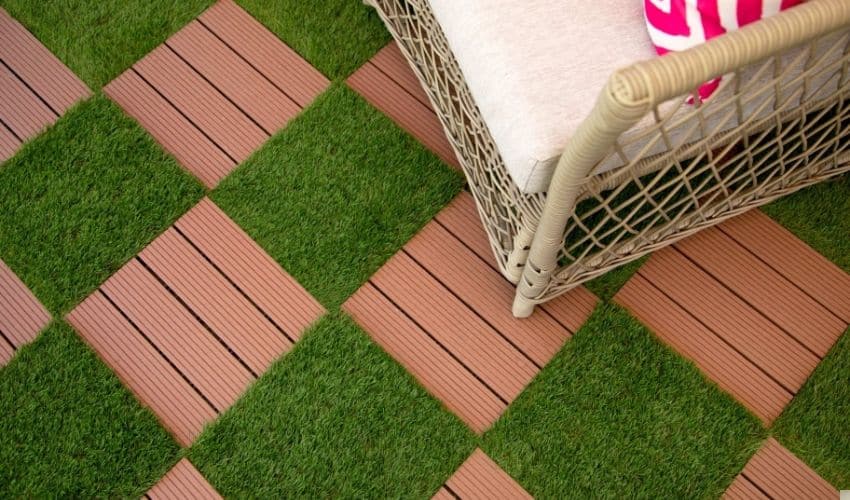
If the decking surface is uneven or has visible gaps, start by installing an overlay. This creates a smoother foundation and improves the final appearance. Roll it out carefully and trim it to fit the space. Walking over it helps it settle into place.
If you are using a shock pad, it should be installed on top of the overlay. Like the base layer, it needs to be cut precisely and allowed to settle before moving forward.
Laying the Artificial Grass
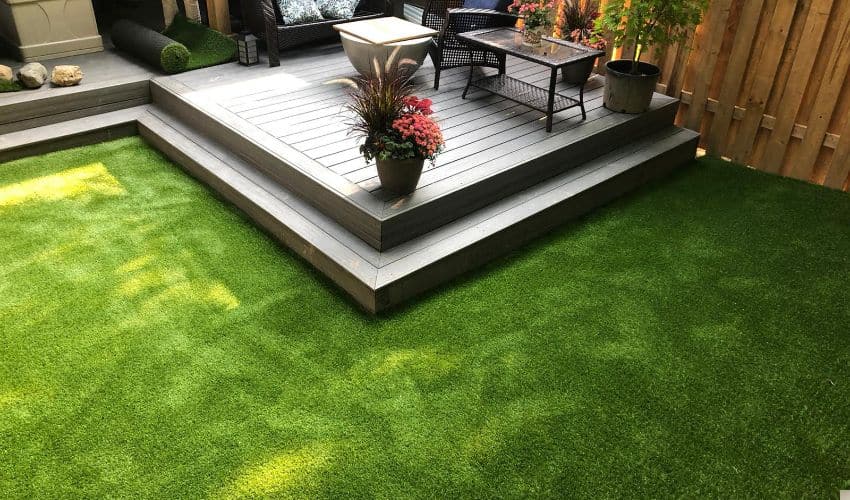
Once the base is ready, roll out the Artificial Grass and position it according to your preferred orientation. The direction of the grass fibers, often called the pile, affects how the surface looks. A consistent direction creates a more natural appearance.
Allow the turf to rest for several hours before fixing it permanently. This helps remove any creases from packaging and ensures a smoother finish.
Joining Sections
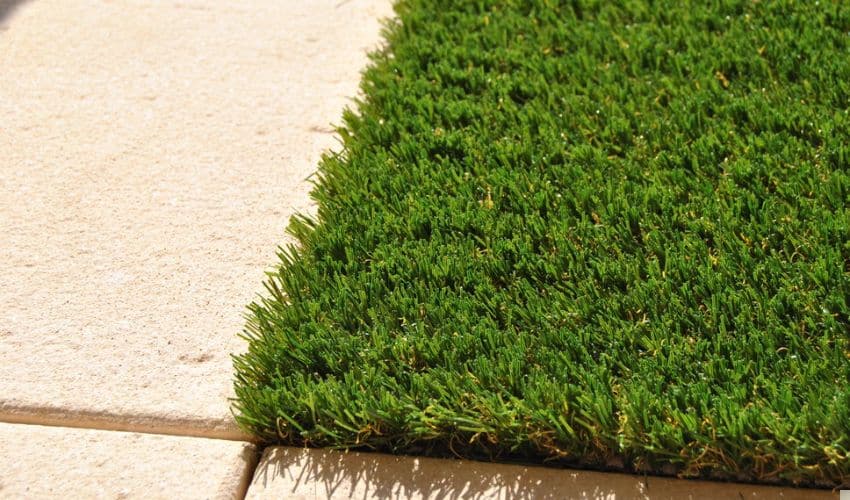
If your area requires more than one piece of turf, joining them correctly is essential. Align the edges so that the pile direction matches. Apply joining tape beneath the seam and use adhesive to bond the sections together.
Leaving a small gap between edges prevents the seam from becoming visible. Weighting the joint while it dries ensures a strong and even connection.
Securing the Edges
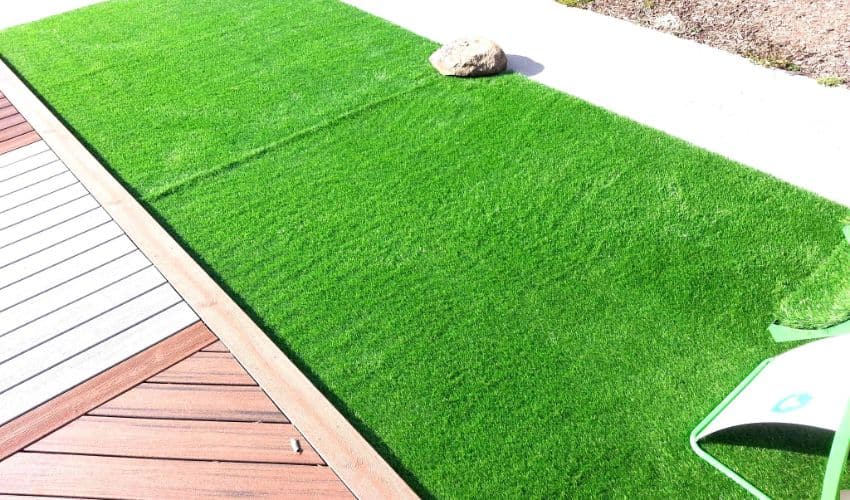
Once the turf is in place, secure it along the edges using pins or nails. This step prevents movement and keeps the surface taut. Pay attention to transitions between the grass and surrounding areas to avoid creating trip hazards.
Final Brushing
The last step is brushing the grass fibers upright. This not only improves the look but also helps distribute the infill evenly if any is used. The result should be a clean, uniform surface that feels stable underfoot.
Aftercare and Maintenance
One of the biggest advantages of artificial grass is its low maintenance, but that does not mean no maintenance at all. Regular brushing keeps the fibers upright, especially in high-traffic areas. Removing debris, such as leaves, helps maintain proper drainage.
For households with pets, cleaning is simple. Solid waste should be removed promptly, and the area can be rinsed with water when needed. Modern artificial grass is designed to handle such use without retaining odors when cleaned regularly.
Seasonal care is minimal. Unlike natural grass, there is no need for mowing, fertilizing, or watering. This makes it particularly appealing for busy households or rental properties where long-term upkeep needs to be predictable.
Modern Design Trends Using Artificial Grass on Decking
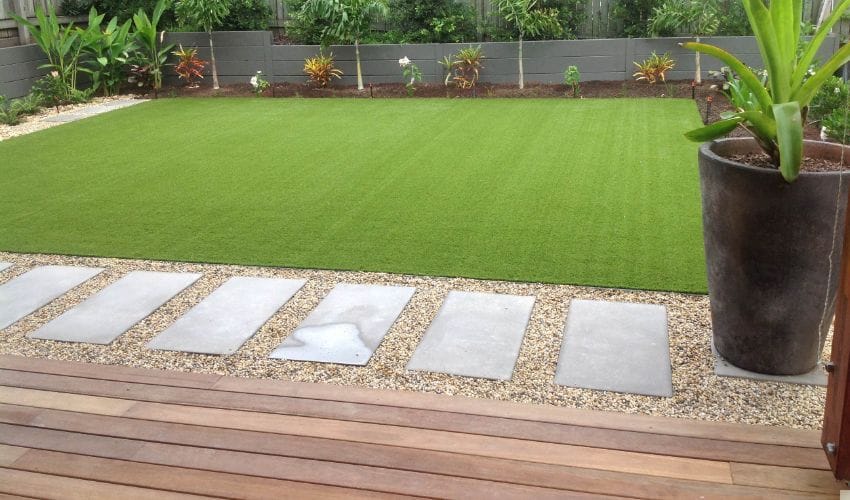
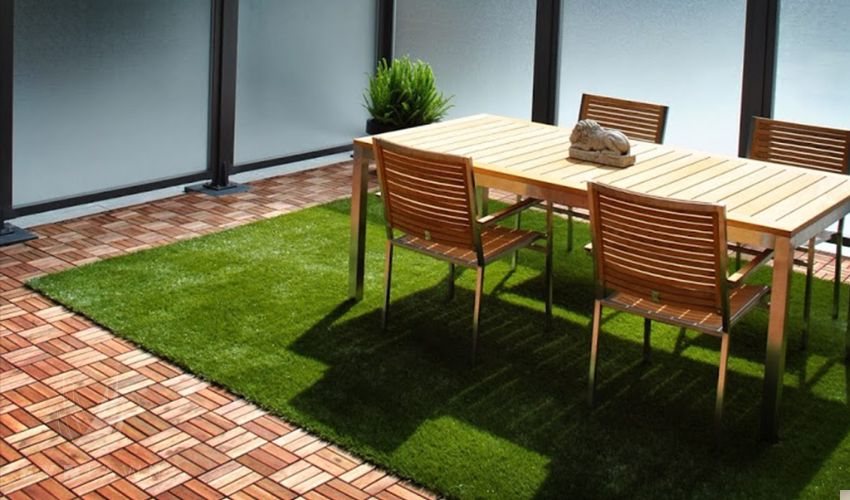
Today’s outdoor spaces are designed with both function and aesthetics in mind. Artificial grass is often combined with other materials to create visually dynamic environments. For example, alternating sections of turf and wood can define different zones, such as seating areas and play spaces.
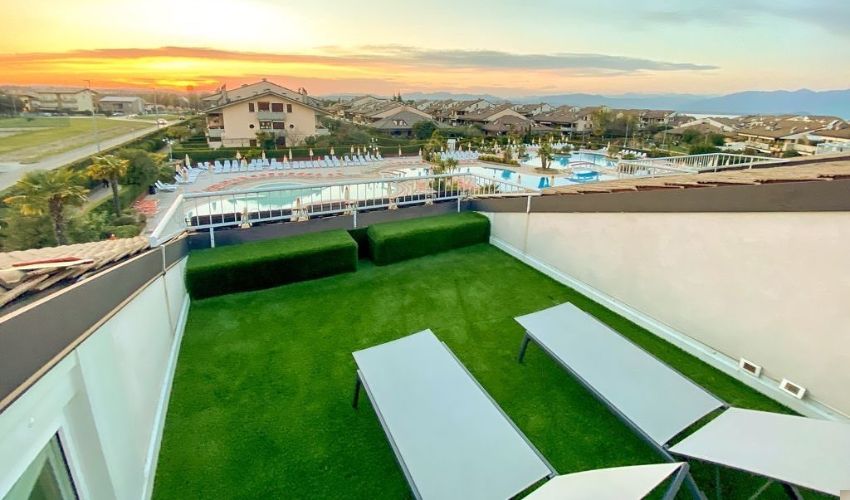
Another trend is the use of artificial grass on balconies and rooftop decks. In urban settings, this approach adds a natural element to otherwise hard surfaces. It transforms compact spaces into inviting areas for relaxation.
Sustainability is also influencing choices. While artificial grass is not a natural material, its durability and low water usage align with eco-conscious living. High-quality products can last for years, reducing the need for frequent replacements.
Final Thoughts
Artificial grass can be successfully laid on decking, and when done correctly, it offers a practical and visually appealing upgrade. It simplifies maintenance, enhances comfort, and aligns with modern outdoor design trends that prioritize usability and aesthetics.
However, it is not a shortcut solution. The condition of the decking, the quality of materials, and the care taken during installation all play a role in the final outcome. Treating the process with attention to detail ensures that the result is not only attractive but also durable.
For homeowners looking to refresh their outdoor space without a complete overhaul, artificial grass presents a balanced solution. It bridges the gap between functionality and design, turning worn-out decking into a space that feels new again.