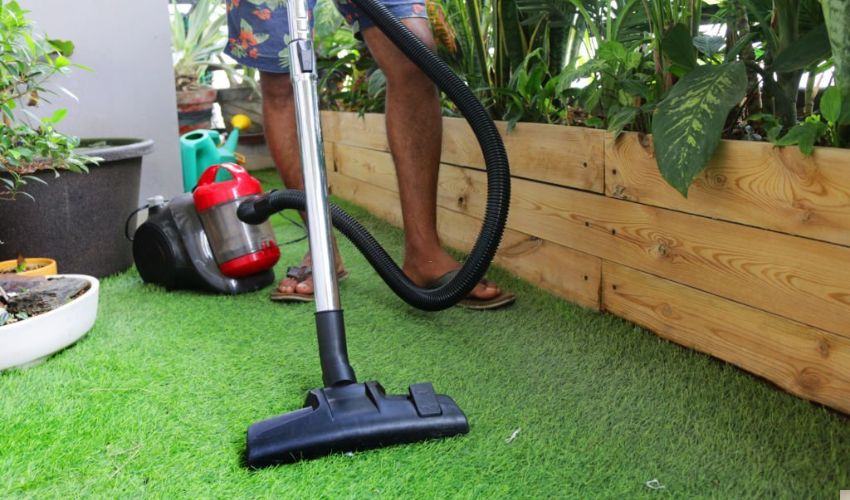
Living in an apartment often means limited outdoor space. In many cases, a balcony or terrace is the only area where you can relax outdoors. However, these spaces are usually plain, hard, and not very inviting. They lack the softness and natural feel that people associate with a proper garden.
The good news is that this can be changed. Artificial grass offers a simple way to transform these areas into comfortable and attractive spaces. With the right choice, your balcony or terrace can feel more natural, relaxing, and visually appealing.
Why Choose Artificial Grass for a Balcony, Roof Garden, or Terrace
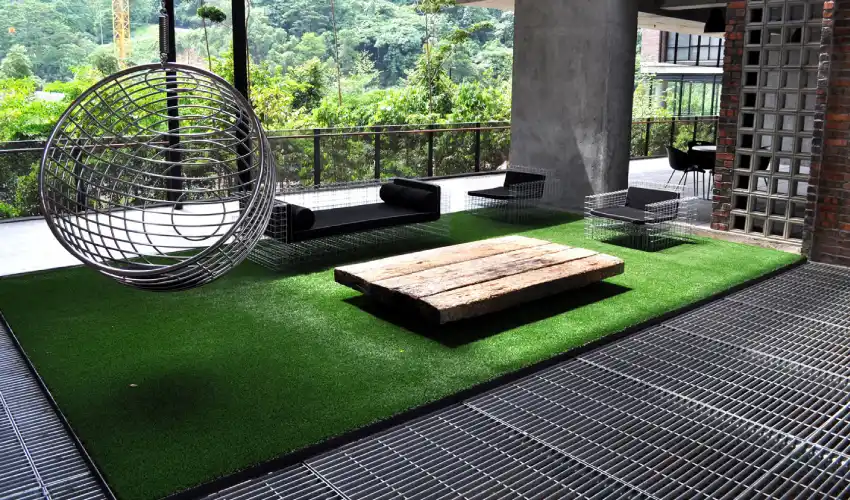
After a long day, most people want a quiet and comfortable place to relax. This becomes difficult in apartments where outdoor options are limited. A balcony or terrace can serve this purpose, but only if it is designed properly.
Artificial grass helps create that environment. It adds softness underfoot and improves the overall look of the space. Unlike natural grass, it does not require watering or constant care. It also offers good drainage, which is important for elevated areas. These features make it a practical and attractive solution.
Key Factors to Consider When Choosing Artificial Grass
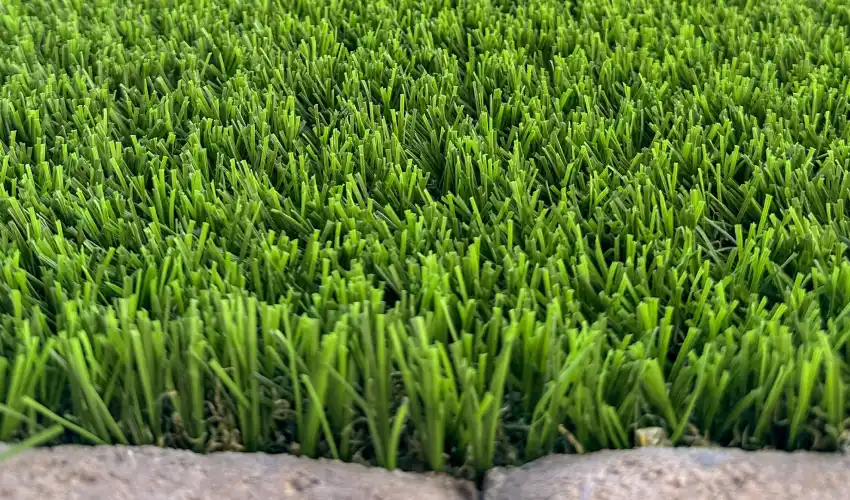
Selecting artificial grass for a balcony or roof garden is different from choosing it for a lawn. The viewing angle, space size, and usage all affect the decision. You are usually looking at the surface from above, not from a distance.
Because of this, certain features become more important than others. These include pile height, density, fiber material, and heat control. Paying attention to these details helps you choose a product that looks good and performs well in a smaller space.
Pile Height
Pile height refers to the length of the grass fibers. For balconies and terraces, shorter pile height works better. Long fibers may look attractive in spacious gardens, but they can appear messy in small spaces. They also flatten more easily under furniture.
Shorter grass creates a neat and clean look. It is also easier to maintain and more practical for daily use. In most cases, a pile height of 20-30 mm is ideal. This range provides a balance between comfort and appearance without making the space look overcrowded.
Pile Density
Pile density is one of the most important factors for small outdoor areas. It refers to how closely the fibers are stitched together. A higher density makes the grass look fuller and more natural. This is especially important because balconies are usually viewed from above.
Low-density grass can look thin and artificial. It may also wear out faster in frequently used areas. Choosing a dense product improves both durability and appearance. As a general guideline, opt for artificial grass with a high stitch count for better results.
Fiber Material
The material of the grass fibers affects both comfort and durability. Artificial grass is commonly made from polyethylene, polypropylene, or nylon. Each material has different properties, so the choice should match your needs.
Polyethylene is often preferred for balconies and terraces. It offers a soft and natural feel while maintaining good strength. Nylon is stronger but can feel rough. Polypropylene is more affordable but less durable. A balanced material ensures both comfort and long-term performance.
Instant Recovery Technology
Artificial grass is often exposed to foot traffic and furniture pressure. Over time, this can cause the fibers to flatten. Instant recovery technology helps the grass return to its original shape after being compressed.
This feature is especially useful for balconies and terraces where space is limited. Furniture is often placed in fixed positions, which increases pressure on certain areas. Grass with good recovery properties maintains its appearance for longer. It also reduces the need for frequent brushing and maintenance.
Heat Control (Feel-Good Technology)
Artificial grass can become warm when exposed to direct sunlight. This is more noticeable in roof gardens and terraces that receive strong sun throughout the day. High temperatures can make the surface uncomfortable to walk on.
Heat control technology helps reduce this issue. It reflects sunlight and prevents excessive heat buildup. This keeps the surface cooler compared to standard turf. While not always necessary, it is a useful feature for areas with high sun exposure and warm climates.
Natural Look Technology
One common concern with artificial grass is that it may look too artificial. This often happens due to glare or uneven coloring. Light reflection can make the surface appear shiny or unrealistic from certain angles.
Natural look technology addresses this problem. It reduces glare and blends different shades of green to create a more realistic appearance. This feature is particularly important for balconies and terraces, where the grass is viewed up close and from above.
Additional Safety and Performance Features
Apart from the main attributes, there are a few standard features you should not ignore. These ensure the safety, durability, and overall performance of turf. They are especially important in residential settings.
Good artificial grass should be fire-resistant and free from harmful chemicals. It should also be able to handle temperature changes without damage. Strong backing and resilience are also important for long-term use. These features may not be visible, but they make a significant difference in quality.
Recommended Options for Balconies and Terraces
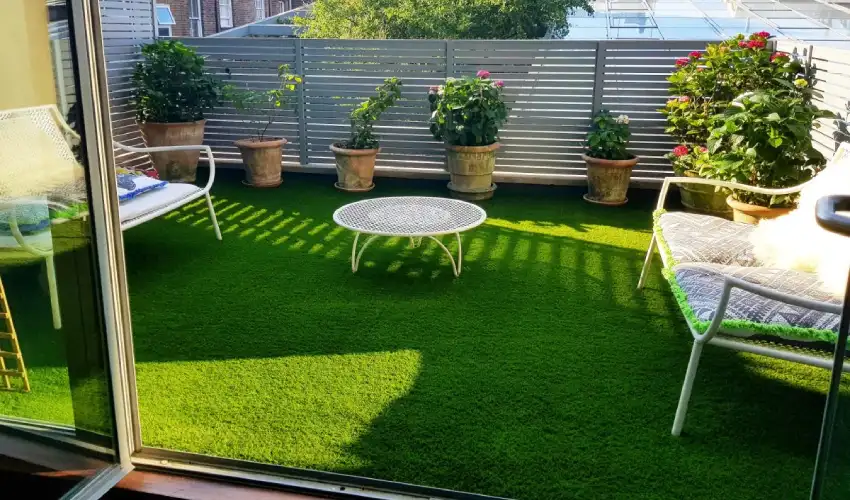
Some artificial grass products are specifically designed for small outdoor spaces. These options usually offer a good balance of density, softness, and durability. They are built to handle both visual and functional requirements.
For example, products with shorter pile height and high density work well in compact areas. Options with advanced features like heat control and recovery technology provide added comfort. When choosing a product, focus on performance rather than just appearance.
Final Thoughts
Choosing artificial grass for a balcony, roof garden, or terrace requires careful consideration. The space is smaller, and the grass is viewed more closely. This makes factors like density, texture, and heat control more important than usual.
Not every type of artificial grass is suitable for these areas. The right choice depends on how the space will be used and the conditions it will face. By focusing on key attributes, you can create a comfortable and visually appealing outdoor area that lasts for years.