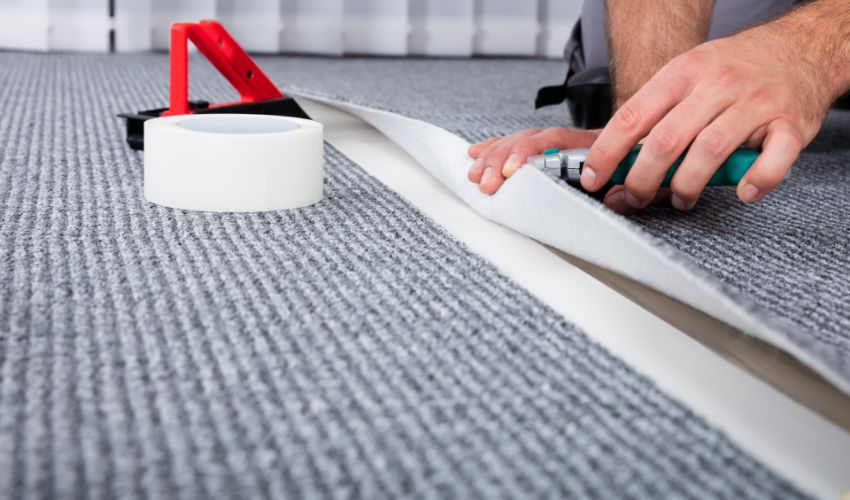
Carpet fraying is one of the most common problems in homes. It usually starts from the edges and gradually spreads across the carpet if not treated on time. What begins as a small loose thread can quickly turn into visible damage that affects the overall look of your space.
Fraying does not happen randomly. It is often caused by constant foot traffic, poor installation, dragging heavy furniture, or even pets scratching the surface. In some cases, frequent vacuuming with the wrong technique can also weaken the edges.
The good part is that fraying is both preventable and repairable. With the right methods, you can protect your carpet edges and extend their lifespan without replacing the entire carpet.
Why Carpet Edges Start Fraying
Before fixing the problem, it is important to understand what causes it. Carpet edges are the weakest part of the structure. When they are exposed to movement, pressure, or friction, the fibers begin to loosen. Over time, this leads to visible fraying.
Common causes include:
- Heavy foot traffic in transition areas
- Dragging furniture across the carpet
- Poor carpet installation or finishing
- Pet scratching or pulling fibers
- Frequent vacuuming over loose edges
Once you understand the cause, it becomes easier to apply the right solution.
10 Best Ways to Prevent Carpet Edges from Fraying
Each method below serves a specific purpose. Some are quick fixes, while others offer long-term protection.
1. Use Carpet Binding Tape
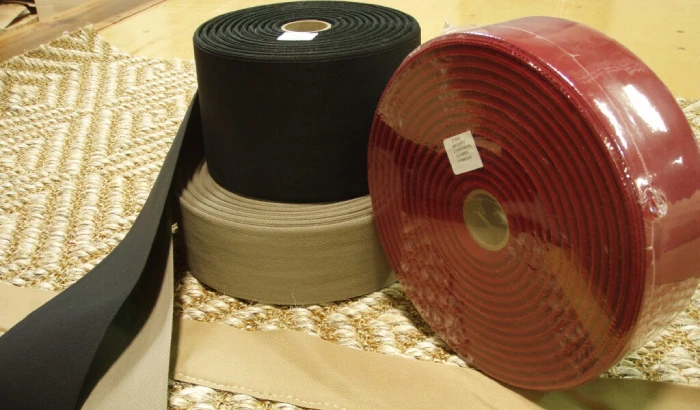
Carpet binding tape is one of the simplest and most effective solutions. It secures the edges and prevents fibers from loosening further.
The adhesive holds the carpet firmly in place, reducing movement and friction. It also minimizes the risk of tripping caused by lifted edges. This method works well for both temporary and semi-permanent fixes.
2. Apply Carpet Binding Strips
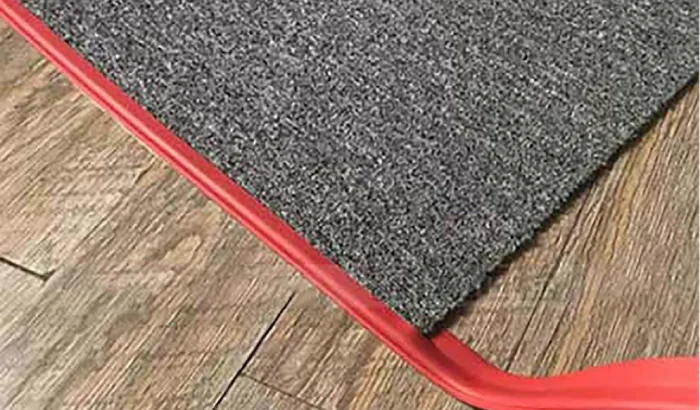
Binding strips are designed specifically to reinforce carpet edges. They create a clean finish while adding durability.
You can apply them using adhesive or a glue gun for stronger attachment. Once installed, they prevent further unraveling and improve the overall appearance of the carpet. This is one of the best options if you want both functionality and a polished look.
3. Trim Loose and Frayed Fibers Carefully
Cutting frayed edges may seem simple, but it requires precision. Improper cutting can make the problem worse. Use a sharp utility knife or scissors and mark the area before cutting. This helps maintain a straight and clean edge. Trimming does not stop fraying completely, but it prevents further spreading and improves the appearance.
4. Use Furniture Sliders for Heavy Items
Dragging furniture is a major cause of carpet damage. It creates friction that weakens the edges and leads to fraying. Furniture sliders allow you to move heavy items smoothly without damaging the carpet. They reduce pressure and prevent unnecessary pulling of fibers. This is a preventive method that protects your carpet over time.
5. Install Transition Strips
Transition strips are used where the carpet meets another flooring surface. These areas are more prone to damage due to constant movement.
You can choose from:
- Metal transition strips for durability
- PVC strips for flexibility and cost-effectiveness
These strips secure the edges and prevent them from lifting or fraying further.
6. Seal Edges with Heat
Heat sealing is a technique used to fuse carpet fibers together. It helps stop fraying without adding any external materials. A heat tool or blow torch is used to slightly melt the edges, sealing them in place. This method maintains the original look of the carpet However, it requires caution and should be done carefully to avoid damage.
7. Use Fabric Glue or Carpet Adhesive
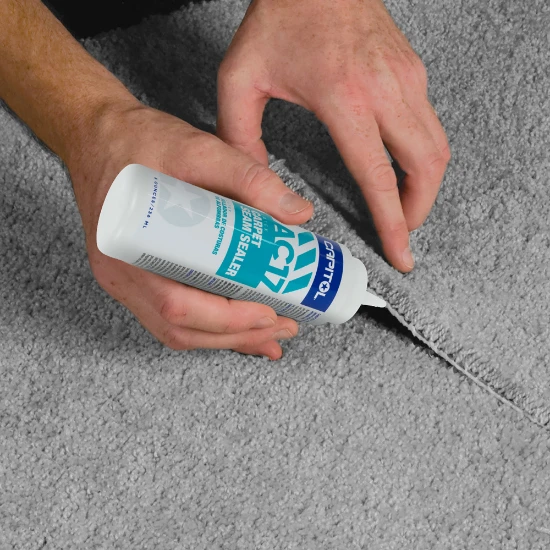
Fabric glue is an easy and effective way to secure loose fibers. It binds the threads together and prevents them from unraveling. Apply a small amount along the frayed edge and let it dry completely. This creates a protective layer that holds the fibers in place. It is a quick DIY solution for minor fraying issues.
8. Choose Proper Carpet Installation
Improper installation is one of the leading causes of fraying. If the edges are not secured correctly, they become vulnerable to damage. Professional installation ensures that the carpet is stretched properly and the edges are sealed. This reduces movement and increases durability. Investing in proper installation saves you from repeated repairs.
9. Avoid Aggressive Vacuuming on Edges
Vacuuming is necessary for maintenance, but improper technique can damage carpet edges. Avoid running the vacuum directly over loose or frayed areas. Strong suction can pull fibers and worsen the condition. Use gentle settings and clean edges carefully to prevent unnecessary stress on the carpet.
10. Use Rugs or Runners in High-Traffic Areas
High-traffic zones are more likely to experience fraying. Placing rugs or runners over these areas reduces direct pressure on the carpet. This simple step protects the edges and distributes wear more evenly. It also helps maintain the appearance of your flooring for a longer time.
Additional Tips for Long-Term Carpet Protection
Preventing fraying is not just about fixing edges. It also involves maintaining the overall condition of the carpet.
- Regular inspection helps you identify early signs of damage. Fixing small issues early prevents them from becoming bigger problems.
- Keeping pets’ nails trimmed can also reduce scratching damage. Similarly, avoiding sharp objects and heavy dragging protects the fibers.
- Moisture control is another important factor. Damp carpets weaken over time, making them more prone to fraying.
Conclusion
Carpet edge fraying may seem like a small issue, but it can quickly turn into major damage if ignored. The key is to act early and use the right methods based on the condition of your carpet. Simple solutions like binding tape, adhesive, and trimming can handle minor issues, while techniques like transition strips and proper installation provide long-term protection.
By combining preventive care with timely repairs, you can extend the life of your carpet and keep it looking neat and well-maintained. A well-maintained carpet not only improves the appearance of your home but also saves you from unnecessary replacement costs in the long run.