Cats are often seen as calm, gentle, and affectionate pets. They enjoy quiet moments, soft spaces, and human companionship. However, anyone who has lived with a cat knows that this calm nature can quickly shift into energetic and sometimes destructive behavior.
One moment your cat is resting peacefully, and the next it is climbing your curtains or scratching your sofa. This sudden shift can feel confusing, especially when the damage becomes noticeable over time.
Curtains get pulled, fabric gets torn, and furniture loses its clean finish. While it may seem like your cat is acting out, the reality is more complex. These actions are not random. They are deeply connected to natural instincts and behavioral patterns.
Understanding Destructive Behavior in Cats
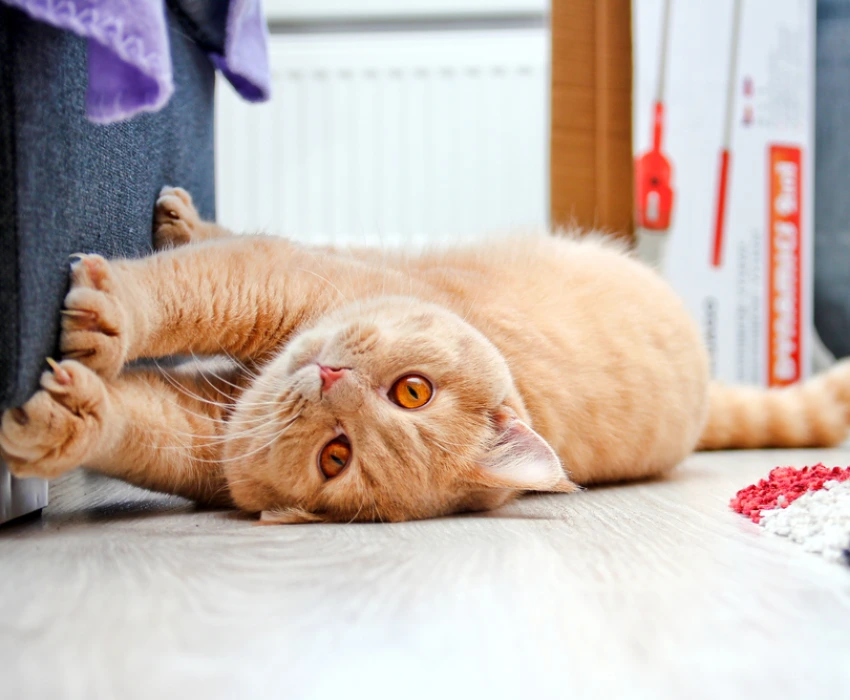
The term “destructive” is often used from a human perspective. For cats, climbing and scratching are not negative behaviors. They are essential activities that support physical health, mental stimulation, and communication. Cats belong to the feline family, a group known for agility, curiosity, and strong territorial instincts. Even though domestic cats live indoors, these instincts remain active.
Climbing allows them to explore vertical space and feel secure. Scratching helps maintain their claws and mark their territory. Knocking things over is often a result of curiosity and play. When these natural behaviors are not properly directed, they are expressed in ways that can damage household items.
Why Do Cats Climb Curtains?
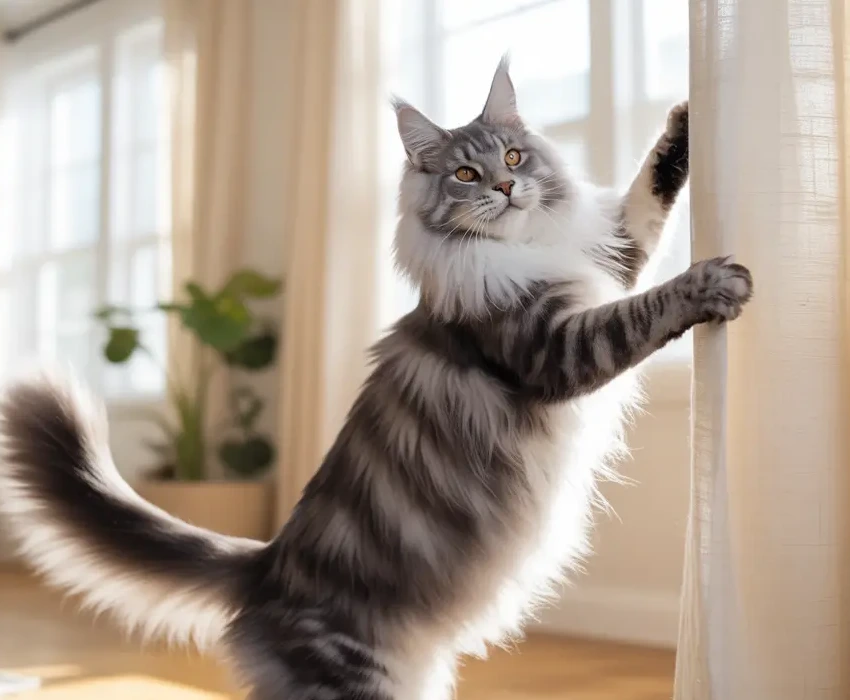
Curtains are one of the most attractive targets for cats, and the reasons go beyond simple play. They move easily, which triggers a cat’s hunting instinct. The fabric resembles something alive, making it more appealing to chase and grab.
They also provide vertical height. Cats naturally prefer elevated positions because they offer a better view of the surroundings. Climbing curtains becomes a quick way to reach that height. In many homes,window curtains are located near windows. Cats are highly interested in outdoor activity, such as birds, insects, and moving objects. If there is no easy way to access the window, the curtain becomes a tool for reaching it.
Why Do Cats Scratch Sofas and Furniture?

Scratching is one of the most misunderstood behaviors in cats. It is not done out of anger or mischief. It serves multiple important purposes.
- First, scratching helps maintain claw health. It removes the outer layer of the claw, keeping it sharp and functional.
- Second, it is a form of marking territory. Cats have scent glands in their paws, and scratching leaves both visual and scent marks. This is a way of communicating with other animals, even in indoor environments.
- Third, it acts as a form of stretching and exercise. When cats scratch, they extend their muscles, which contributes to physical well-being.
Sofas, carpets, and curtains often become targets because they provide the right texture and resistance.
Key Reasons Behind This Behavior
Check out the reasons below to get an idea of the reasons behind the destructive behavior of the cats:
1. A Form of Communication
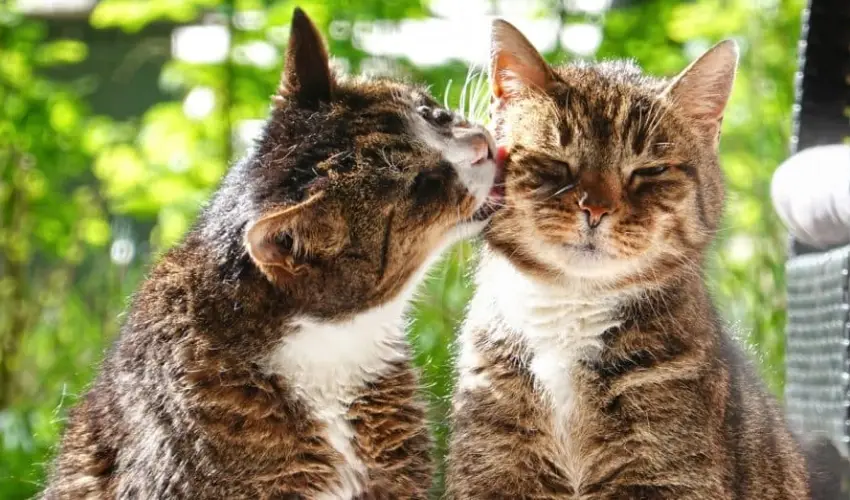
Cats communicate in ways that are not always obvious to humans. Scratching surfaces is one such method. When a cat scratches a sofa or climbs a curtain, it is often leaving behind scent markers. This behavior signals territory and presence. Even if there are no other pets in the home, the instinct remains active. This explains why cats often choose visible areas rather than hidden corners.
2. Natural Instinct and Feline Behavior
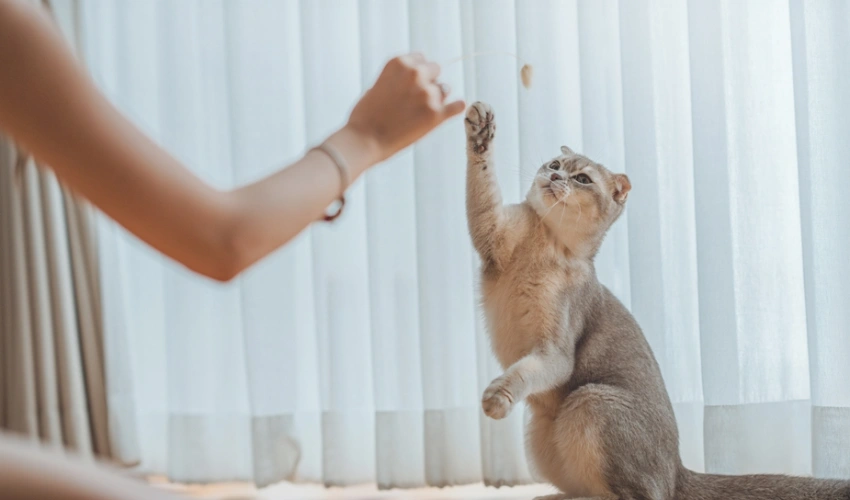
Climbing and scratching are deeply rooted instincts. Domestic cats may live indoors, but their behavior is influenced by their wild ancestors. In the wild, climbing helps cats escape danger and observe their surroundings. Scratching keeps their claws ready for hunting and defense.
These instincts do not disappear in a home environment. They simply adapt to available surfaces like curtains and furniture.
3. Attention-Seeking Behavior
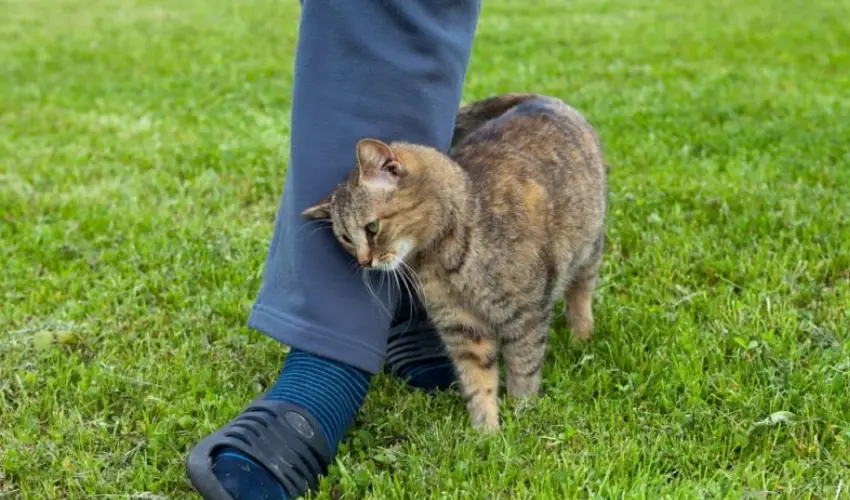
Cats are intelligent and observant. They quickly learn which actions get a reaction from their owners. If climbing on curtains or scratching furniture leads to immediate attention, the behavior may be repeated. Even negative attention can reinforce the action. In this case, the behavior becomes a learned response rather than purely instinctive.
4. Boredom and Lack of Stimulation
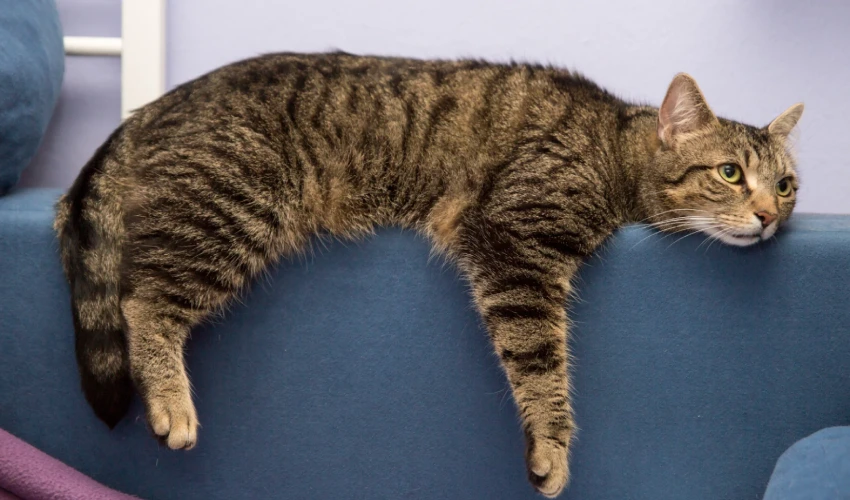
One of the most common reasons for destructive behavior is boredom. Indoor cats, in particular, may not get enough physical or mental stimulation. Without toys, climbing structures, or interaction, they look for ways to entertain themselves. Curtains and sofas become convenient options. This type of behavior is often more frequent in homes where the cat spends long periods alone.
5. Desire for Height and Observation
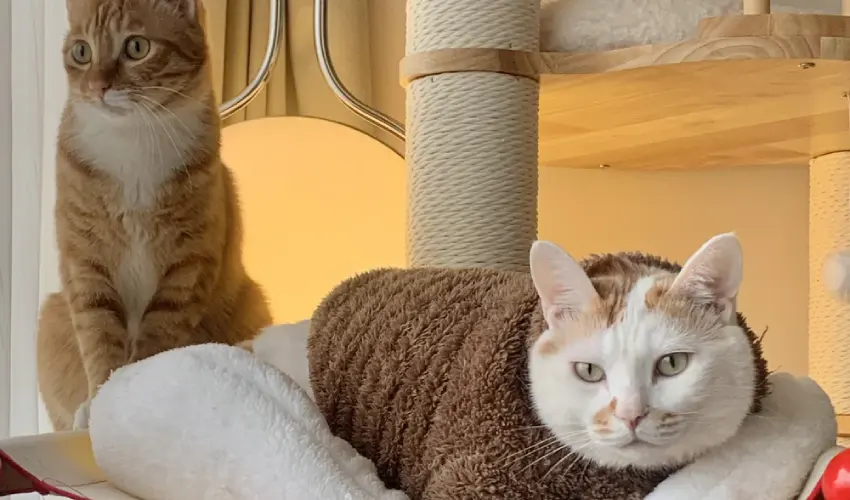
Cats feel safer and more comfortable at higher levels. Elevated positions allow them to observe their environment and feel in control. Curtains provide an easy route upward. If there are no alternative climbing structures, cats will naturally use what is available.
6. Texture and Resistance
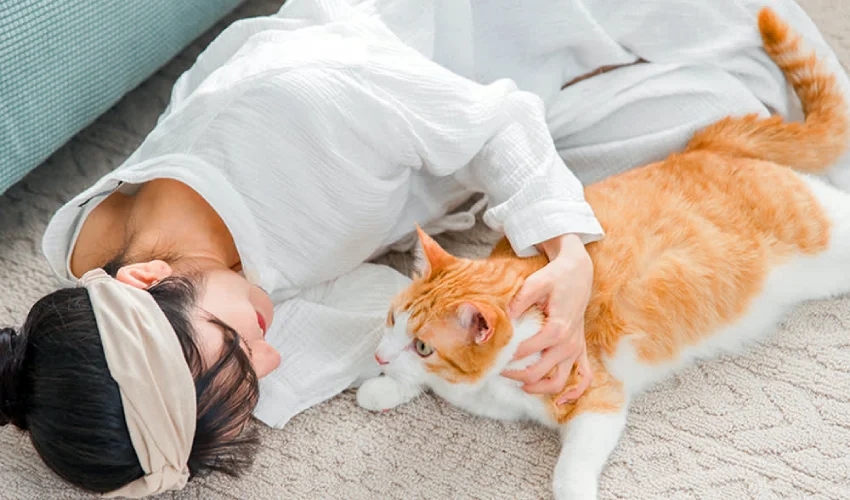
Cats prefer surfaces that offer resistance when scratched. Sofas, carpets, and certain curtain fabrics provide the right texture. Soft but durable materials are particularly appealing. This is why some furniture items are targeted more than others.
7. Habit Formation
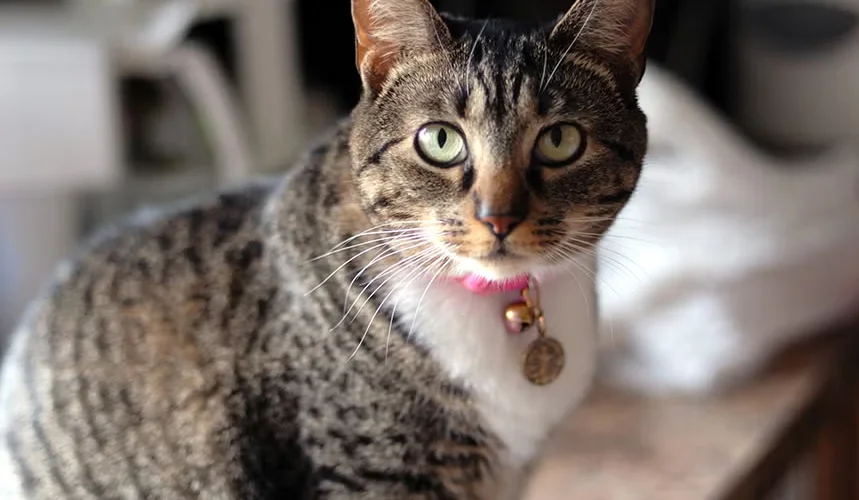
Once a cat starts using a particular surface for scratching or climbing, it may continue out of habit. Cats are creatures of routine. If a behavior is repeated over time, it becomes part of their daily pattern. Breaking this habit requires consistent redirection rather than punishment.
8. Individual Personality Differences
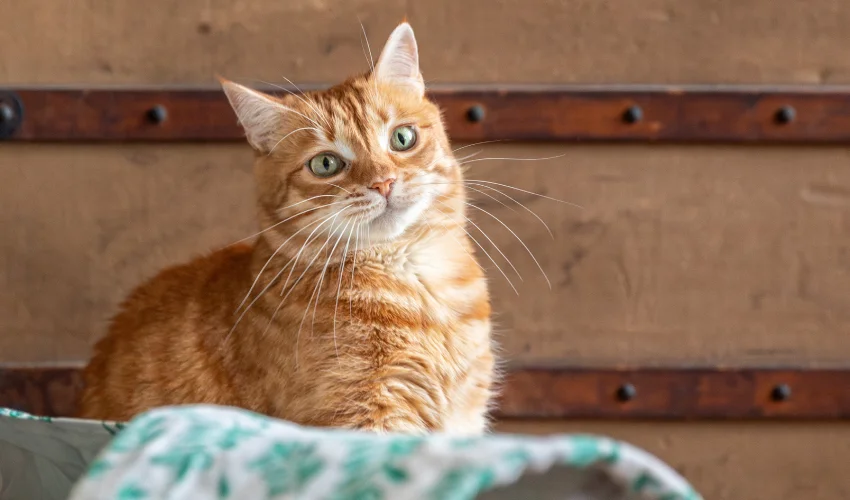
Not all cats behave the same way. Some are more active, curious, or playful than others. Certain cats may prefer climbing, while others focus more on scratching. Personality plays a significant role in how these behaviors are expressed. This is why solutions need to be adapted to each individual pet.
9. Early Environment and Upbringing
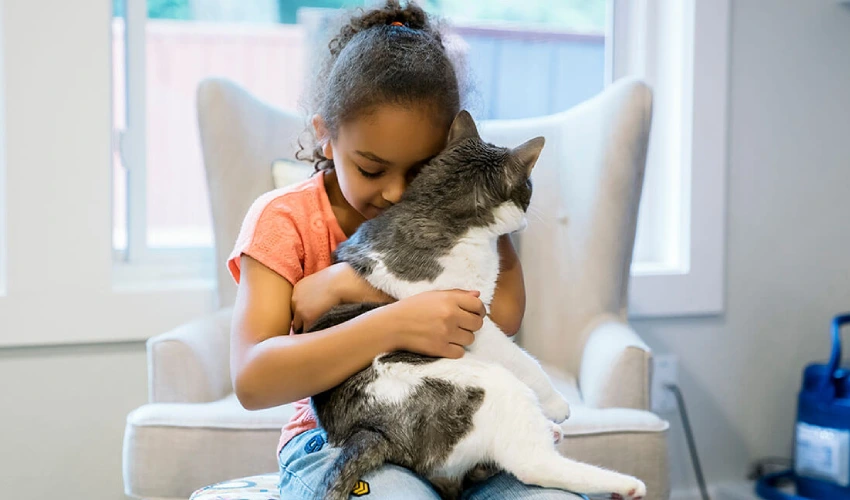
Cats raised in different environments develop different habits. For example, a cat raised in a single-pet household may show different behavior compared to one raised with other animals. Early exposure to scratching posts or climbing structures can influence long-term behavior. Without proper outlets, cats may turn to furniture and curtains instead.
10. Possible Medical or Stress-Related Issues
In some cases, sudden changes in behavior may indicate stress or a medical condition. If a cat starts scratching excessively, climbing more than usual, or showing other unusual signs, it is important to consider underlying causes.
Health issues, anxiety, or environmental changes can all affect behavior. Consulting a veterinarian can help rule out these possibilities.
Why Punishment Does Not Work
Many pet owners respond to this behavior with punishment or scolding. While this may stop the action temporarily, it does not address the root cause. Cats do not associate punishment with their behavior in the same way humans do. Instead, it can create fear and confusion.
A more effective approach is to redirect the behavior. Provide alternatives that satisfy the same instincts, such as scratching posts or climbing trees.
A More Practical Way to Manage the Behavior
Understanding the reasons behind curtain climbing and sofa scratching allows you to manage it more effectively.
- Instead of trying to stop the behavior completely, the goal should be to guide it toward appropriate outlets.
- Provide climbing spaces, scratching surfaces, and regular interaction. Make your home environment more engaging so your cat does not rely on curtains or furniture for stimulation.
- At the same time, choose durable materials for your interiors to minimize damage.
Final Thoughts
Cats climbing curtains and scratching sofas are not a sign of bad behavior. It is a reflection of their natural instincts and needs. By understanding these behaviors, you can respond in a way that benefits both you and your pet. The key is not to eliminate the behavior but to manage it intelligently.
With the right balance of environment, attention, and alternatives, you can protect your home while keeping your cat active and content.