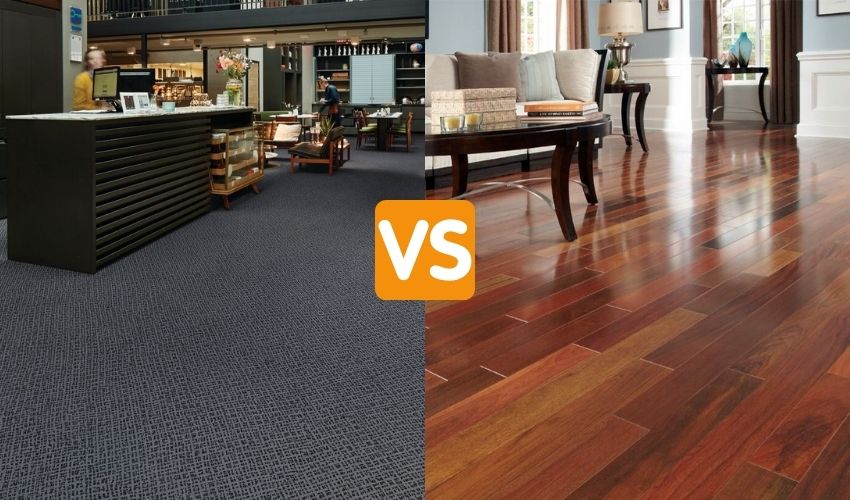
Choosing between carpet and hardwood flooring sounds simple at first, but it quickly gets confusing once you start thinking about real-life use. It’s not just about what looks good in a showroom or on Pinterest. It’s about how the floor will feel under your feet every day, how much effort it needs, and how well it holds up over time.
A lot of people try to find a clear “winner” between the two, but that approach usually leads to the wrong decision. Carpet and hardwood are built for different purposes. When you understand that, the choice becomes much easier and more practical.
Understanding the Core Difference
At the most basic level, carpet and hardwood serve completely different experiences.
Carpet is about comfort. It adds softness, warmth, and a sense of coziness that’s hard to replicate with any other material. It changes how a room feels, especially when you walk barefoot or spend a lot of time sitting or relaxing.
Hardwood, on the other hand, is about structure and longevity. It gives a space a clean, finished look and holds up better over time. It’s less about comfort and more about durability, ease, and long-term value.
So instead of asking which one is better overall, it makes more sense to ask: what do you need from your floor?
The Way They Look and Feel
Carpet has a softer visual presence. It doesn’t demand attention but quietly shapes the mood of a room. With so many colors and textures available, it’s easy to match them with different interior styles. Whether you want something minimal or something more textured, carpet gives you flexibility.
Hardwood is more defined. It has natural grain patterns and subtle color variations that make it stand out without trying too hard. Even a simple hardwood floor can make a room feel more polished and put together.
But appearance isn’t just about looks; it’s also about how a space feels. Carpet absorbs light and sound, which makes rooms feel calmer and more enclosed. Hardwood reflects both, which can make a space feel more open but sometimes a bit colder. This difference becomes very noticeable depending on how you use the room.
Everyday Comfort vs Everyday Practicality
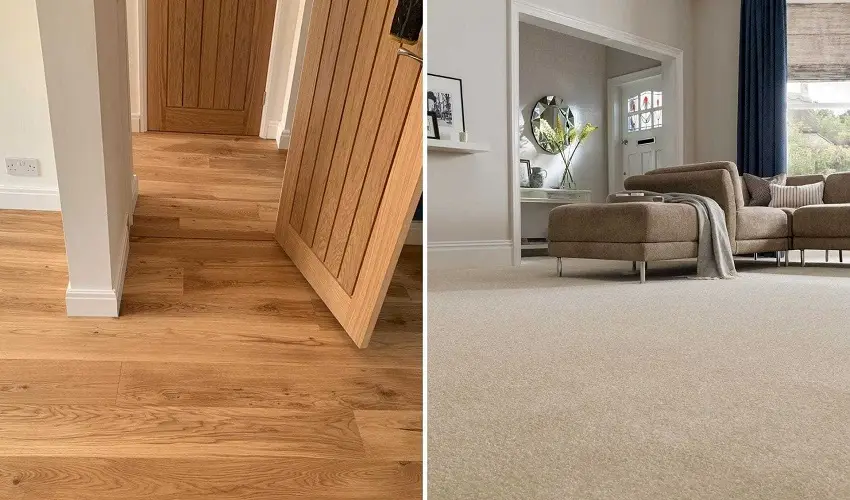
Comfort is where carpet clearly stands out. It’s soft, warm, and forgiving underfoot. In colder months, that warmth makes a big difference. It also reduces noise, which is why it works well in bedrooms, lounges, or homes with kids.
Hardwood doesn’t offer that same level of comfort. It’s firm and can feel cold, especially in the morning or during winter. Over time, standing on hard surfaces can also feel tiring. But comfort isn’t the only thing that matters.
Hardwood is much easier to live with in terms of daily use. You don’t have to worry as much about spills, crumbs, or dust getting trapped. Everything stays on the surface, which makes cleaning quicker and less stressful. So while carpet feels better physically, hardwood often feels easier mentally because it requires less effort to maintain.
Cleaning and Maintenance: What You’re Actually Signing Up For
This is where many people underestimate the difference. Carpets need consistent care. Regular vacuuming is a must, but even that doesn’t remove everything. Dust, allergens, and small particles settle deep into the fibers. Over time, stains also become harder to deal with, especially if they’re not cleaned immediately.
Deep cleaning helps, but it’s not something most people do frequently. And even then, the carpet rarely goes back to looking completely new. Hardwood is far more straightforward. Dust and dirt stay visible, which might sound like a downside, but it actually makes cleaning easier. A quick sweep or mop is usually enough to keep things looking clean.
There’s no hidden buildup, no lingering smells, and no need for intensive cleaning routines. If you prefer low-maintenance living, hardwood makes more sense. If you’re okay with regular upkeep for the sake of comfort, carpet can still work.
Durability and Long-Term Thinking
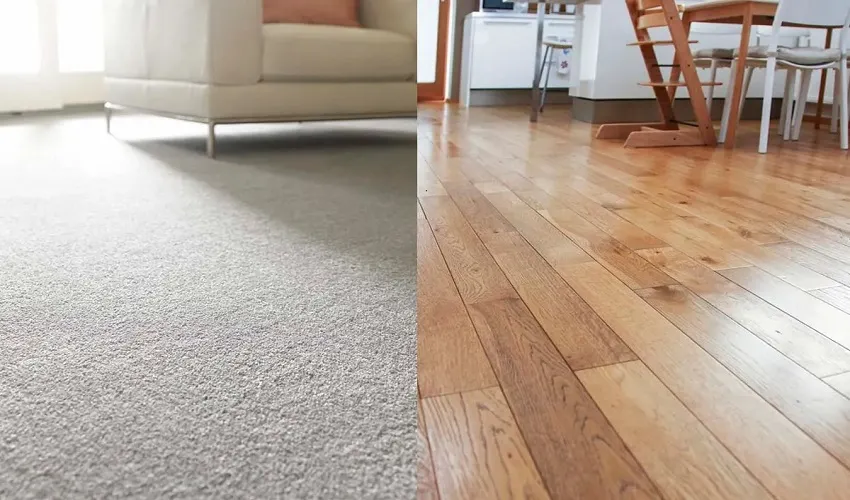
Carpet isn’t designed to last forever. Even good-quality carpet starts to show wear in high-traffic areas. Fibers flatten, colors fade, and the overall look changes over time.
In most cases, you’re looking at around 8 to 10 years before replacement becomes necessary. Hardwood plays a completely different game. It’s not just durable, it’s restorable. Scratches, dullness, and wear can be fixed through sanding and refinishing. This means the same floor can last for decades without needing to be replaced.
That changes how you think about cost. Carpets may seem cheaper at first, but if you replace them every decade, the cost adds up. Hardwood costs more upfront, but it doesn’t come with the same replacement cycle. So the real question isn’t just “what’s cheaper now?” but “what costs less over time?”
Moisture and Environmental Limitations
Neither carpet nor hardwood handles moisture particularly well, which is something many people overlook. Carpets absorb moisture easily. Even if the surface dries, the padding underneath can stay damp, leading to odors or even mold over time. That’s why carpet isn’t suitable for kitchens, bathrooms, or basements.
Hardwood reacts differently. Instead of absorbing moisture, it expands and contracts. Too much exposure can lead to warping or gaps between planks. Engineered hardwood performs slightly better in this area, but it still has limits.
So if you’re dealing with areas that are consistently exposed to water or humidity, neither option is ideal. In those cases, materials like tile or vinyl are usually a better fit.
Installation: Not as Simple as It Looks
Carpet installation is generally faster and less complicated. It’s laid out, stretched, and fixed into place. While it still requires skill, the process is relatively straightforward.
Hardwood installation is more detailed. Each plank has to be aligned properly, fitted together, and sometimes finished on-site. It takes more time, more precision, and usually professional expertise.
This difference affects both cost and timeline. Hardwood installation is more demanding, and that’s reflected in the overall investment.
Budget: Short-Term vs Long-Term Thinking
Carpet is easier to afford upfront. That’s one of the main reasons people choose it, especially when working with a limited budget. But that lower cost comes with trade-offs. Replacement, maintenance, and cleaning all add to the long-term expense.
Hardwood requires a bigger initial investment, but it holds its value much better. It doesn’t need frequent replacement, and its durability reduces ongoing costs. So while carpet might seem like the budget-friendly option, hardwood often makes more financial sense if you’re thinking long-term
Impact on Property Value
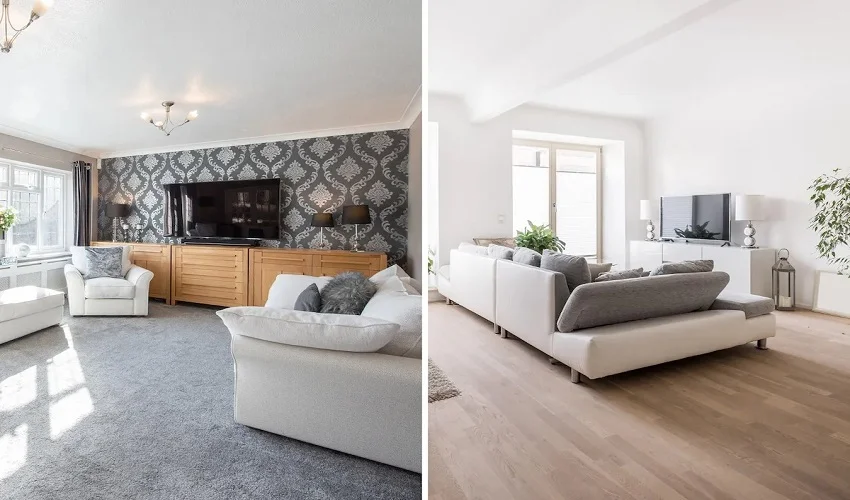
This is where hardwood has a clear advantage. Carpet doesn’t significantly increase property value. In some cases, buyers even see it as something they’ll want to replace.
Hardwood, on the other hand, is widely seen as a premium feature. It makes a home feel more finished and can positively influence resale value. If you’re thinking about selling your property in the future, this factor becomes more important.
Where Each Option Works Best
Instead of choosing one for the entire house, it often makes more sense to use both strategically. Carpet works best in spaces where comfort matters most—bedrooms, family rooms, or areas where you want a softer, quieter environment.
Hardwood fits better in high-traffic areas like living rooms, hallways, and dining spaces. It handles wear better and is easier to keep clean. This balanced approach avoids forcing one material to do everything, which is where most problems start.
Final Thoughts
The idea that one flooring option is better than the other is misleading. Each has clear strengths and equally clear limitations. Carpet brings comfort, warmth, and a softer atmosphere, but it requires more maintenance and doesn’t last as long. Hardwood offers durability, easier cleaning, and long-term value, but it lacks the same level of comfort.
The smarter decision isn’t about picking a winner. It’s about understanding how each option fits into your lifestyle and using them where they actually make sense. Once you shift your thinking in that direction, the choice becomes much more straightforward and far more practical.