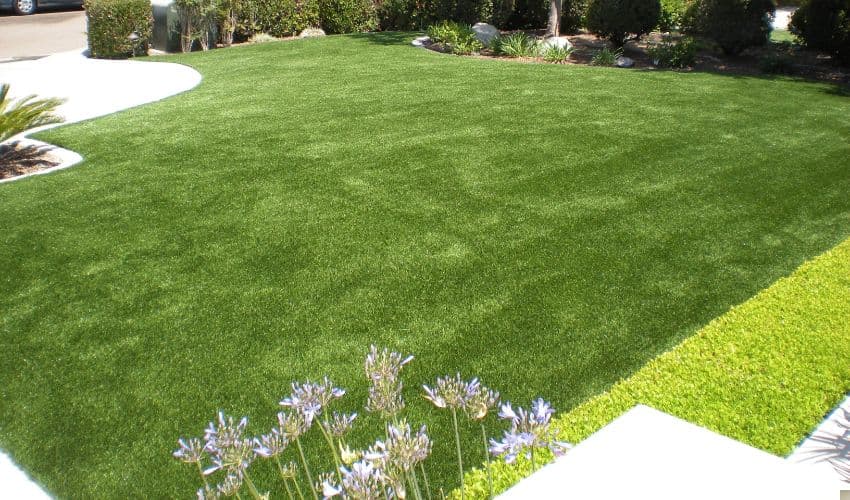
Artificial grass has become a popular solution for modern outdoor spaces. It offers a clean look, requires minimal maintenance, and stays green throughout the year. However, the final result depends heavily on how well the installation is done. Many people focus only on the turf itself and ignore the foundation details.
One of the most important elements in this process is the edging system. It plays both a structural and visual role. Without proper edging, the entire installation can lose its strength and shape over time.
Why Edging Systems Matter in Artificial Grass Installation
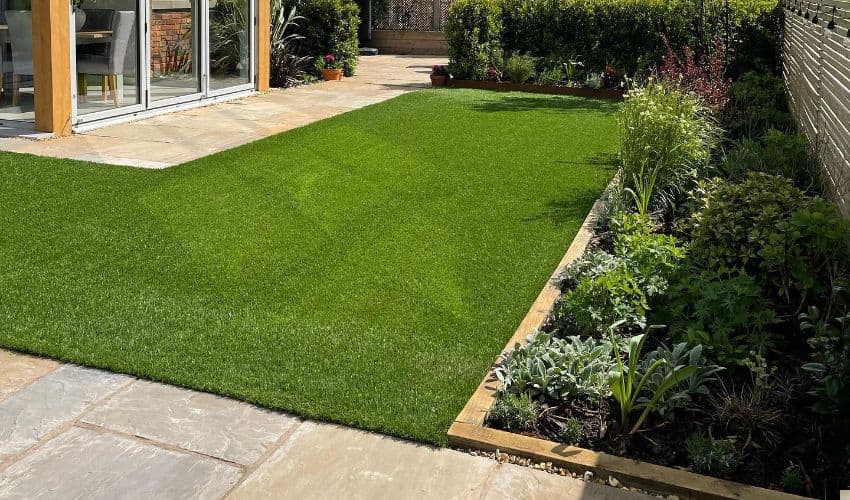
An edging system is not just a border. It acts as a support structure that holds everything together. It keeps the sub-base materials in place and prevents them from spreading outward. This is important because even slight movement in the base can cause uneven surfaces later.
Edging also defines the shape of your lawn. It creates sharp, clean lines that improve the overall appearance. In high-traffic areas, it adds extra stability and reduces the chances of shifting. Without proper edging, the turf edges may lift or curl, which affects both safety and durability over time.
1. Timber Edging
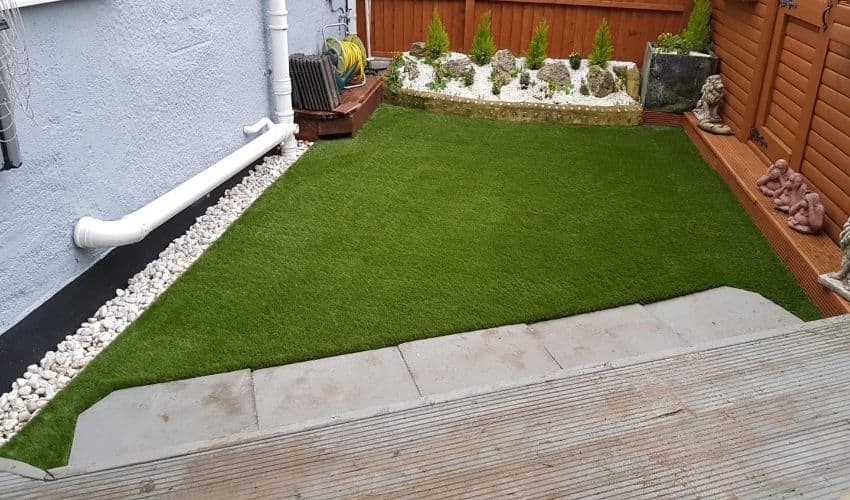
Timber edging is one of the most commonly used options in artificial grass installations. It is widely chosen because it is affordable and easy to work with. You can cut and shape timber according to your design needs. This makes it a flexible choice for different layouts and garden styles.
Another reason for its popularity is its natural appearance. It blends well with outdoor environments and creates a warm, organic look. However, timber has a major limitation. It is not highly resistant to moisture and weather conditions. Over time, it may rot, crack, or warp. Because of this, it is better suited for short-term use or low-budget projects.
2. Composite Plastic Edging
Composite plastic edging is considered an upgraded version of timber. It is designed to offer better durability and resistance to environmental factors. Unlike wood, it does not rot or absorb moisture. This makes it a reliable choice for long-term outdoor use.
Installation is usually simple and quick. Most composite systems come with stakes that help secure them firmly into the ground. This reduces the chances of movement over time. Although the initial cost is higher than that of timber, it requires less maintenance. This balance of durability and convenience makes it a popular modern option.
3. Sleepers or Railroad Ties
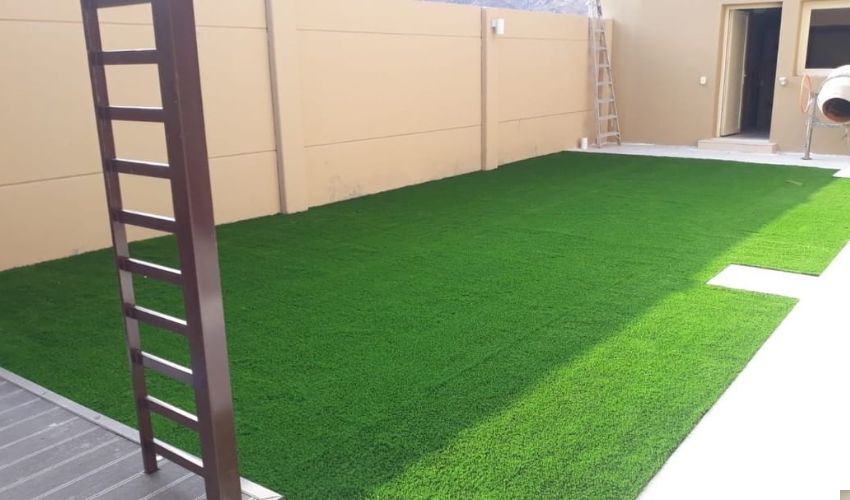
Sleepers, also known as railroad ties, are thick wooden beams used for strong and bold edging. They are often pressure-treated to improve their resistance to moisture and decay. This makes them more durable than standard timber. They are ideal for creating a solid and defined boundary.
These beams can also be stacked to form raised edges or garden features. This adds both structure and visual depth to the landscape. However, their size and weight make installation more difficult. Proper alignment and secure fixing are necessary. Without careful installation, they can shift or become uneven over time.
4. Aluminium or Steel Edging
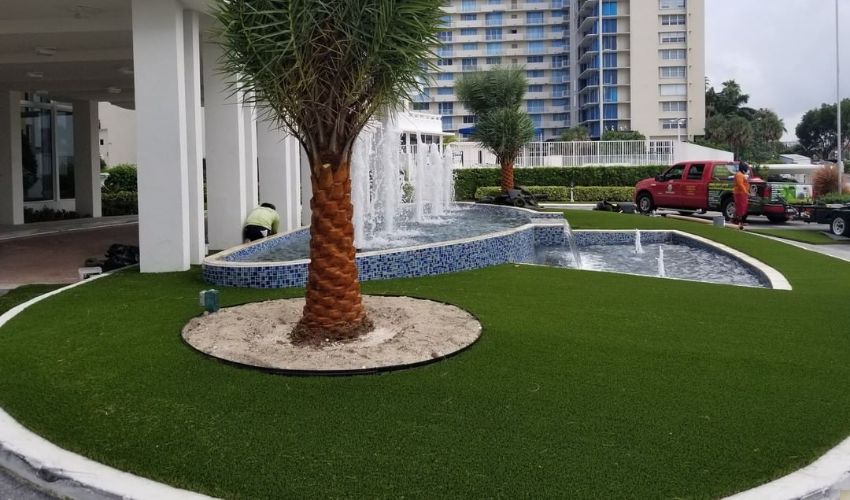
Metal edging is known for its strength and long lifespan. Aluminium is lightweight and naturally resistant to rust. Steel, especially galvanised steel, offers even greater strength and durability. Both options create a clean and modern look, which suits contemporary outdoor designs.
Metal edging is also capable of handling heavy foot traffic without losing its shape. However, it is more expensive than many other options. Another concern is safety. If edges are not properly finished, they can be sharp. Careful installation and handling are important to avoid injuries and ensure a smooth finish.
5. Bender Board Edging
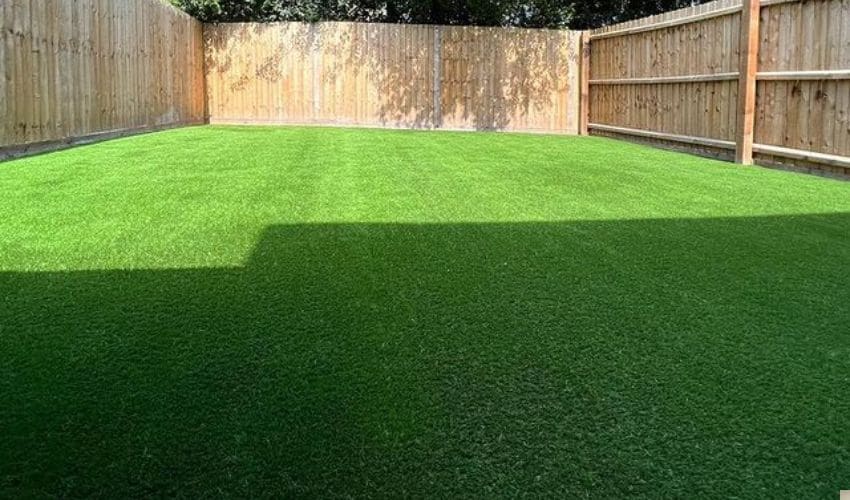
Bender board edging is made from flexible plastic materials. Its main advantage is its ability to bend and follow curves. This makes it perfect for creative landscaping designs where straight lines are not required. It allows for more freedom in shaping your lawn layout.
It is also resistant to moisture, which helps extend its lifespan. However, the flexibility can make installation slightly challenging. Keeping it aligned and properly secured requires attention. If not installed correctly, it may shift or lose its shape over time. Proper anchoring is essential for long-term stability.
6. Paving Edging
Paving is a strong and visually appealing edging solution. It works especially well when your lawn is already surrounded by paving stones. This creates a seamless and integrated look. It also provides a solid boundary that holds the base materials firmly in place.
However, paving requires precise planning and execution. Once installed, it is difficult to adjust or correct mistakes. The process can also take more time compared to other options. Despite these challenges, it offers excellent durability. It is best suited for projects where a permanent and polished finish is required.
7. Bricks or Block Stones
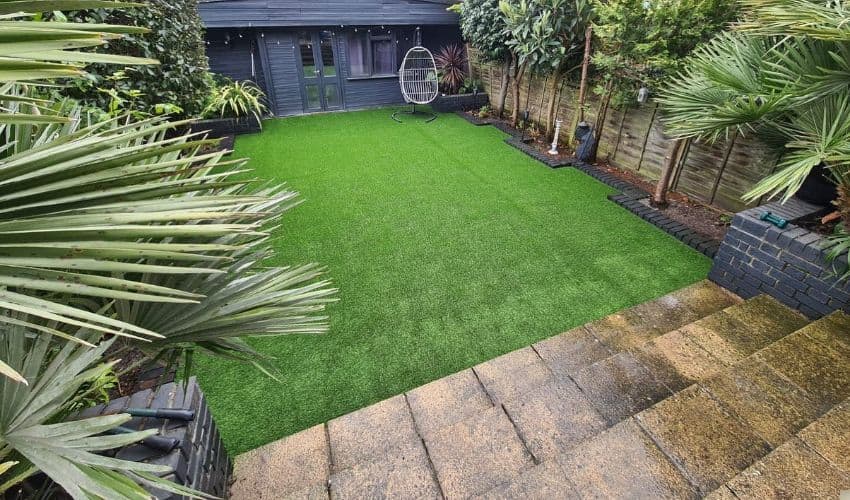
Bricks and block stones are a classic choice for edging. They create a strong and attractive border that enhances the overall appearance of the lawn. When installed with concrete, they form a very stable and long-lasting edge. This makes them suitable for both residential and commercial spaces.
However, installation requires precision and effort. The base must be properly prepared before placing the blocks. This can increase labor time and cost. Despite this, the durability and visual appeal make it a worthwhile investment for long-term use.
8. Concrete Gravel Boards
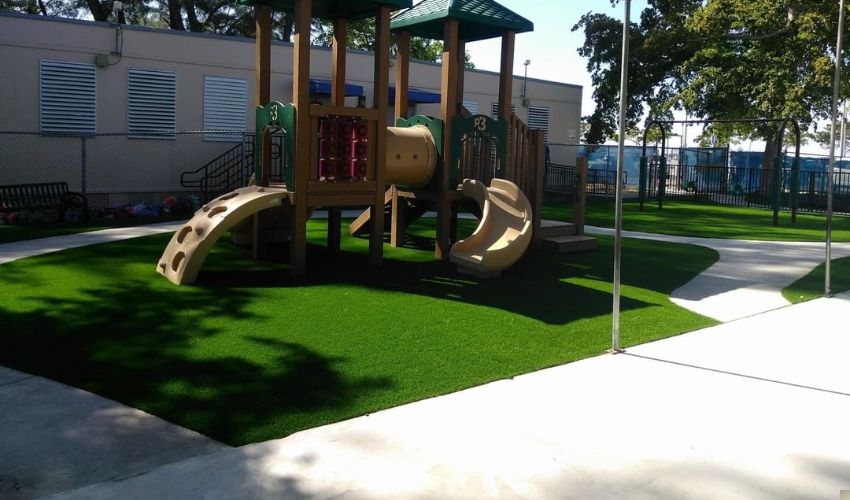
Concrete gravel boards are often used along fences. They act as a protective barrier between the ground and wooden structures. This helps prevent moisture damage and increases the lifespan of nearby materials. Unlike timber, concrete does not rot or weaken over time.
This makes it a reliable and low-maintenance option. However, it is a more permanent solution. Once installed, making changes can be difficult. It is important to plan carefully before choosing this type of edging. It works best in situations where long-term stability is a priority.
9. Rubber Edging
Rubber edging is mainly used for safety and decorative purposes. It has soft and rounded edges that reduce the risk of injury. This makes it ideal for playgrounds, schools, and commercial spaces. It also adds a clean and finished look to the lawn.
However, rubber edging does not provide strong structural support. It cannot hold the sub-base materials in place. For this reason, it is usually used along with another edging system. It should not be relied on as the main support structure for artificial grass installations.
10. Custom Edging Systems
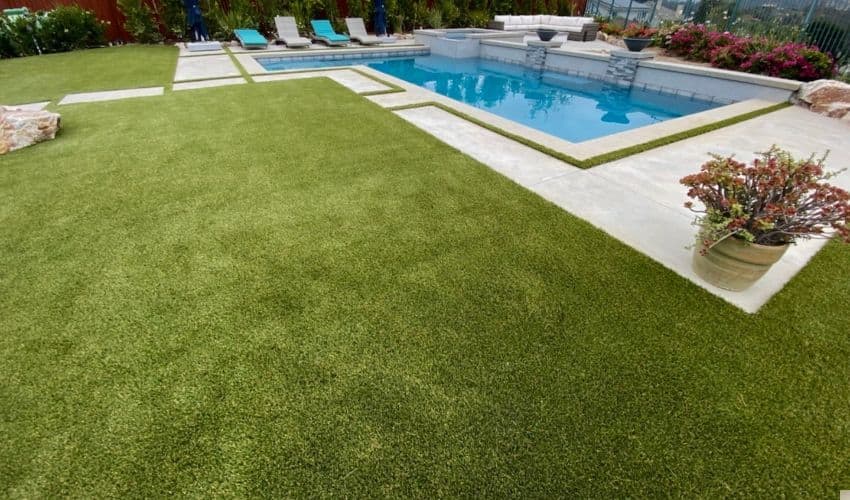
Custom edging systems offer flexibility and advanced features. They are available in different materials, including metal and high-grade plastic. These systems can be tailored to match specific design and performance requirements. This makes them suitable for high-end or unique projects.
They often provide a clean and professional finish with minimal visible joints. Although they are more expensive, they reduce many common installation issues. They also improve durability and appearance. For those looking for long-term results and design freedom, custom edging is a strong option.
Final Thoughts
Edging plays a critical role in artificial grass installation. It is not just about appearance, but also about structure and durability. A good edging system keeps the base secure and maintains the shape of the lawn over time.
Each type of edging has its own strengths and limitations. The right choice depends on your budget, design, and long-term goals. Taking the time to select the right system can prevent future problems. It also ensures that your artificial grass performs well and looks great for years.