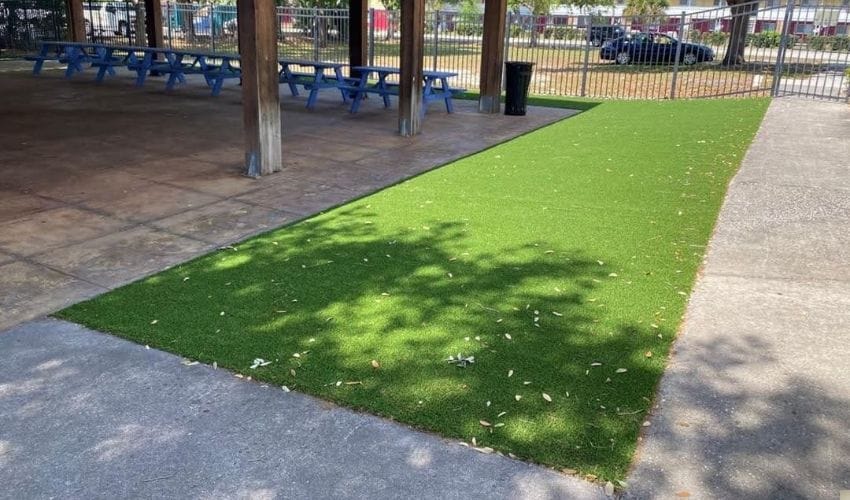
Artificial grass has become one of the most versatile landscaping materials in recent years. It offers a clean, green appearance without the effort required to grow and maintain natural grass. Because of this, it is now widely used in residential and commercial spaces.
Many homeowners are now exploring creative ways to use artificial turf. One common question is whether it can be installed on a driveway. The answer is yes, but only under specific conditions. The design, usage, and installation method all play a critical role in achieving good results.
Can Artificial Grass Be Installed on a Driveway?
Artificial grass can be installed on a driveway, but it is not suitable for all types of use. A standard artificial lawn is not designed to handle constant vehicle weight. If cars frequently pass over it, the fibers can flatten, and the base may become unstable over time.
However, this does not mean it cannot be used at all. With proper planning, artificial grass can enhance certain parts of a driveway. The key is to understand where and how it should be placed to avoid damage and maintain its appearance for years.
How to Use Artificial Grass on a Driveway
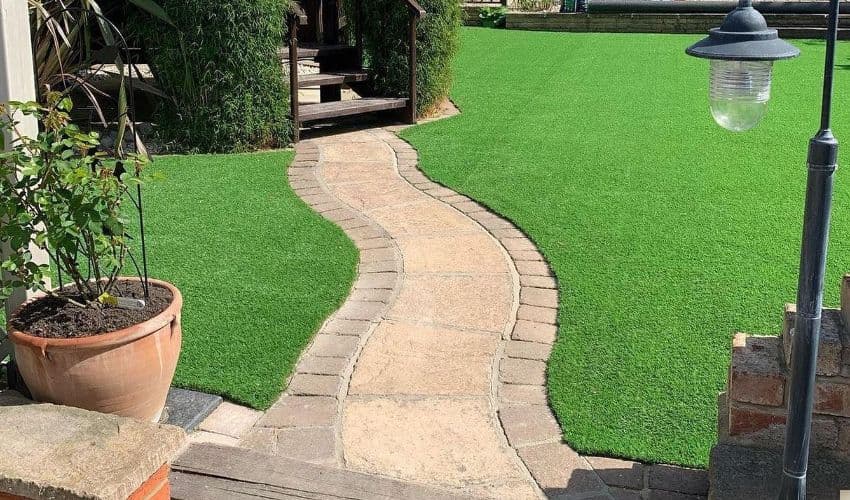
There are a few practical ways to incorporate artificial grass into your driveway design. The approach you choose depends on your available space and how the driveway is used daily. A well-planned layout can improve both functionality and visual appeal.
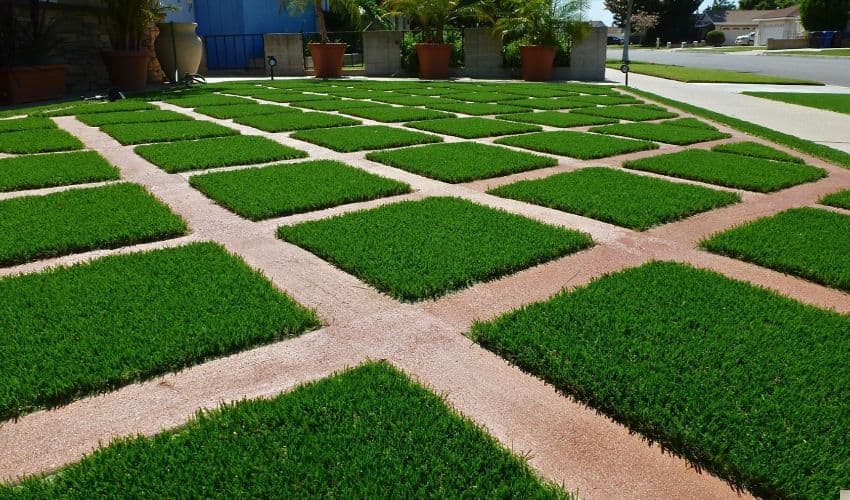
One option is to reduce the paved area and introduce artificial grass alongside it. This creates a softer and more natural look. Another option is to install turf in sections that do not receive vehicle traffic, such as pathways or side strips. You can also create a modern design by placing turf strips between tire tracks.
Important Conditions Before Installation of Fake Grass in Driveway
Before installing artificial grass on a driveway, certain conditions must be considered. Ignoring these factors can lead to poor performance and early damage. The surface preparation and expected usage are especially important.
The base must be strong, well-compacted, and properly drained. Without this, water can collect and weaken the structure. It is also important to avoid areas with heavy or frequent vehicle movement. Artificial grass performs best in low-traffic zones where pressure is limited and evenly distributed.
Benefits of Artificial Grass on a Driveway
Using artificial grass in a driveway offers several advantages. It improves the visual appeal and adds a unique design element to your outdoor space. It also provides functional benefits when installed correctly.
Unlike traditional paving, artificial grass introduces a softer texture and a more natural feel. It can break the monotony of concrete or stone surfaces. At the same time, it remains durable and easy to maintain, which makes it a practical choice for modern homes.
Comfortable Underfoot
Artificial grass is designed to be soft yet durable. It is usually made from materials like polyethylene and polypropylene. These materials provide a cushioned feel while maintaining strength. This makes walking on it much more comfortable compared to hard driveway surfaces.
This comfort becomes noticeable in daily activities. For example, carrying groceries or walking with children feels easier on a softer surface. It also reduces strain on your feet. This small improvement can make a big difference in how your outdoor space feels and functions.
Excellent Drainage Performance
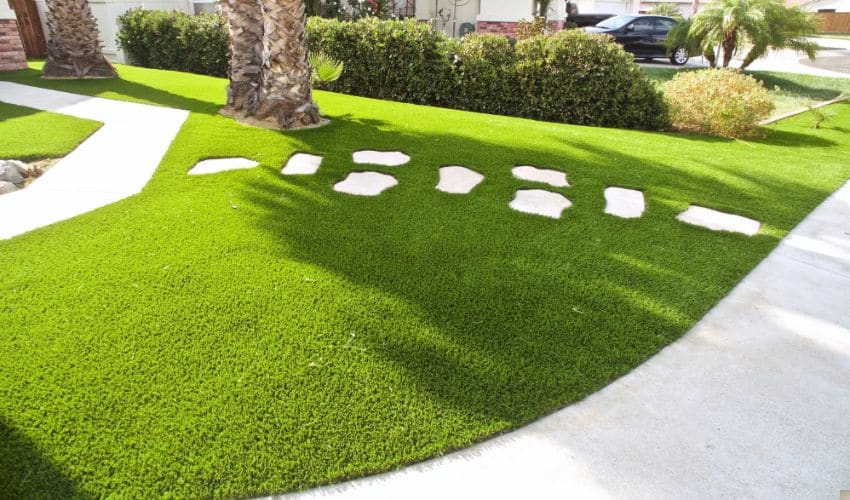
Artificial grass is built with a porous backing that allows water to pass through easily. This helps prevent water from pooling on the surface. Good drainage is especially important in driveway areas, where water can otherwise create slippery conditions.
However, proper base preparation is essential for this benefit to work. Water must be able to drain into the ground below. If drainage is poor, it can lead to unpleasant odors or surface damage. A well-installed system ensures that water flows away efficiently and safely.
Low Maintenance Requirements
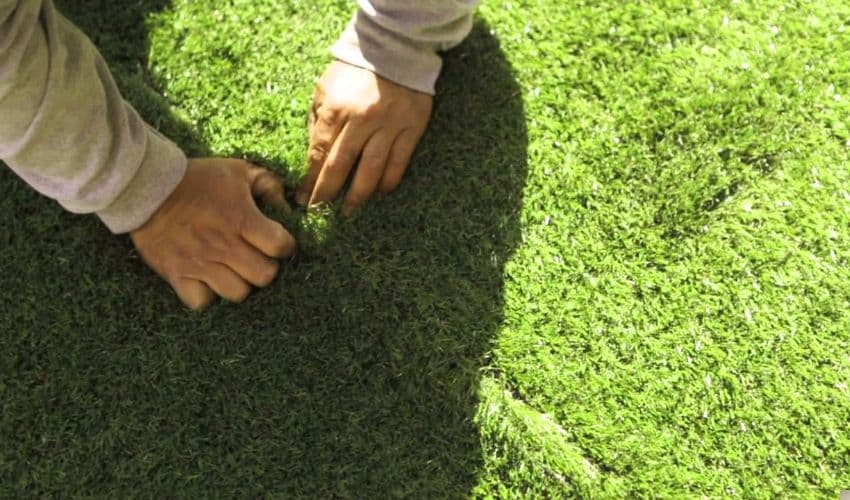
One of the biggest advantages of artificial grass is its low maintenance. Unlike natural grass, it does not require watering, mowing, or fertilizing. This makes it a convenient option for busy homeowners.
When used on a driveway, maintenance becomes even easier. Occasional brushing and cleaning are usually enough to keep it in good condition. This saves both time and effort. It also reduces long-term maintenance costs, which makes it a practical investment.
Ideal for Small Outdoor Spaces
Artificial grass is especially useful in small outdoor areas. If your driveway takes up most of your space, adding turf can help create a more balanced layout. It allows you to divide the area into functional zones without making it feel crowded.
For example, you can combine turf with paving and plants to create a visually appealing design. This approach maximizes the use of limited space. It also makes your outdoor area more inviting and comfortable for everyday use.
Long Lifespan and Durability
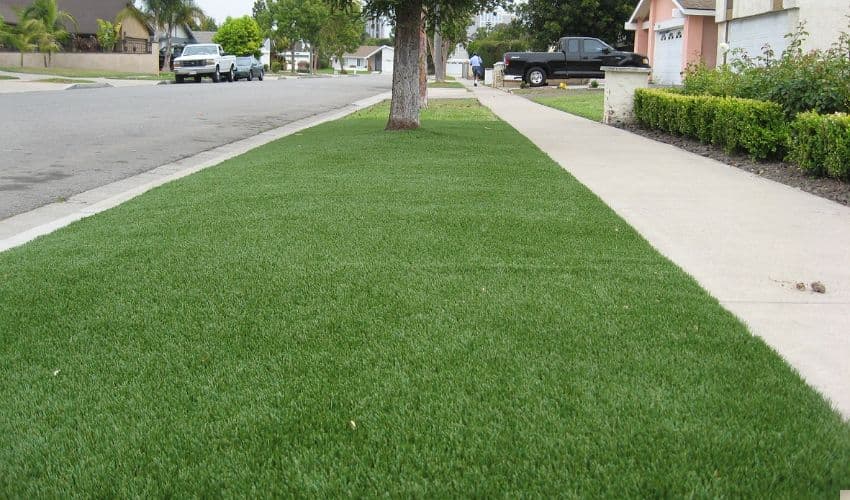
High-quality artificial grass is designed to last for many years. When installed correctly, it can maintain its appearance and performance for a long time. Most products are built to handle regular foot traffic without significant wear.
However, durability depends on how it is used. Areas with constant vehicle pressure may experience faster wear. To extend its lifespan, it is important to limit heavy loads and follow proper installation methods. With the right care, artificial grass can remain in good condition for over a decade.
Customizable Design Options
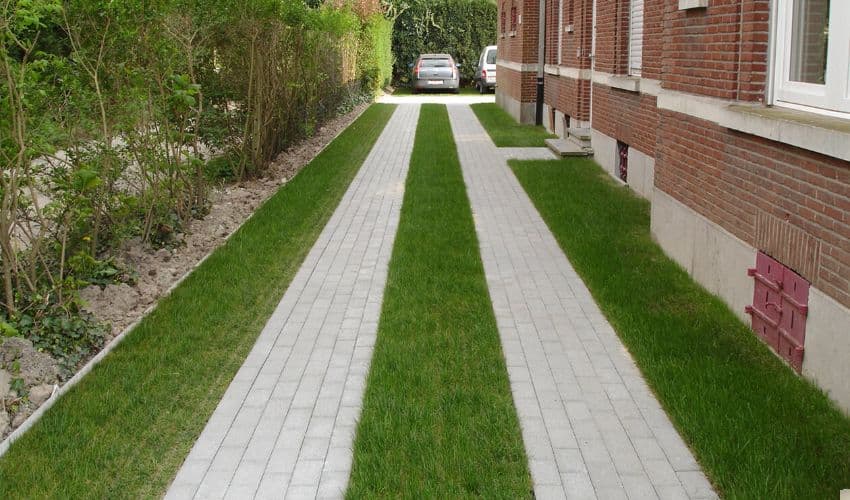
Modern artificial grass comes in a wide range of styles. You can choose different colors, pile heights, and densities to match your design preferences. This flexibility allows you to create a unique and personalized outdoor space.
You can also combine artificial grass with other materials like stone or concrete. This creates contrast and enhances the overall look of your driveway. Customization makes it easier to achieve a design that fits your property and complements its surroundings.
Key Limitations You Should Not Ignore
While artificial grass has many benefits, it is important to understand its limitations. The most important factor is vehicle traffic. Standard artificial turf is not designed for frequent driving or heavy loads.
If used incorrectly, the grass fibres can flatten, and the base may weaken. This affects both appearance and performance. For this reason, artificial grass should only be used in areas with minimal or no vehicle movement. Understanding these limits helps avoid costly mistakes.
Final Thoughts
Artificial grass can be a great addition to a driveway when used correctly. It enhances the look of your outdoor space and adds a softer, more natural feel. However, it is not a direct replacement for traditional driveway materials.
The key is to use it strategically. Avoid placing it in areas with heavy vehicle traffic. Focus on decorative zones, pathways, or side sections instead. With proper planning and installation, artificial grass can transform your driveway into a more attractive and functional space.