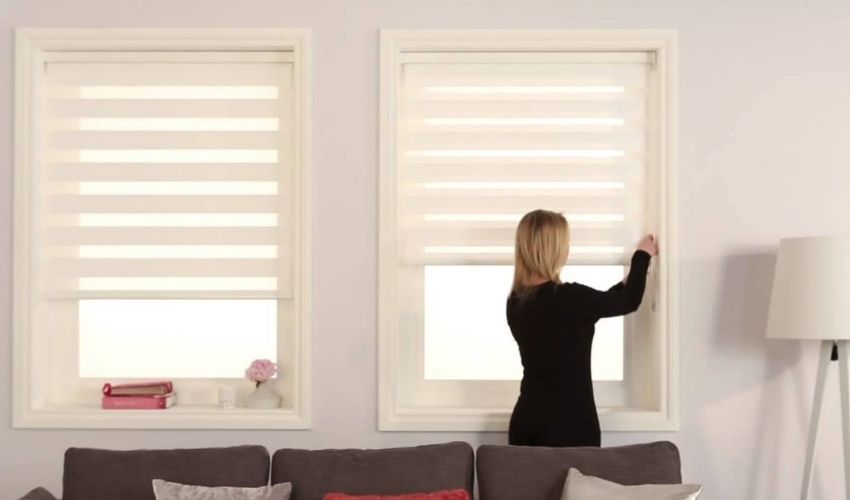
Window blinds are an essential part of modern homes. They are no longer just used to block sunlight. Today, they help manage indoor temperature, improve privacy, and enhance the overall look of a space. With the rise of smart homes, blinds have also become more advanced and easier to operate.
However, many people still struggle with basic operations. This usually happens when they are using blinds for the first time or switching to a new type. Understanding how to properly close blinds is important. It prevents damage and ensures smooth functionality.
6 Simple Steps to Close Window Blinds Properly
Closing window blinds is not difficult, but doing it incorrectly can damage the mechanism over time. Each step plays a role in ensuring smooth movement and long-term durability. Many people rush through the process, which leads to bent slats or tangled cords.
By following a structured approach, you can avoid these issues. The steps below are designed to help both beginners and experienced users.
1. Locate the Control Mechanism
Before doing anything, identify how your blinds operate. This is the most important step because different blinds use different systems. Traditional blinds usually have a pull cord and a tilt rod. Modern options may include cordless or motorized controls.
Take a moment to observe your blinds carefully. The cord is often on the right side, while the tilt rod hangs nearby. If your roman blinds are cordless, you will notice a bottom rail instead. Understanding the control mechanism helps you avoid confusion and prevents accidental damage during operation.
2. Unlock the Blinds
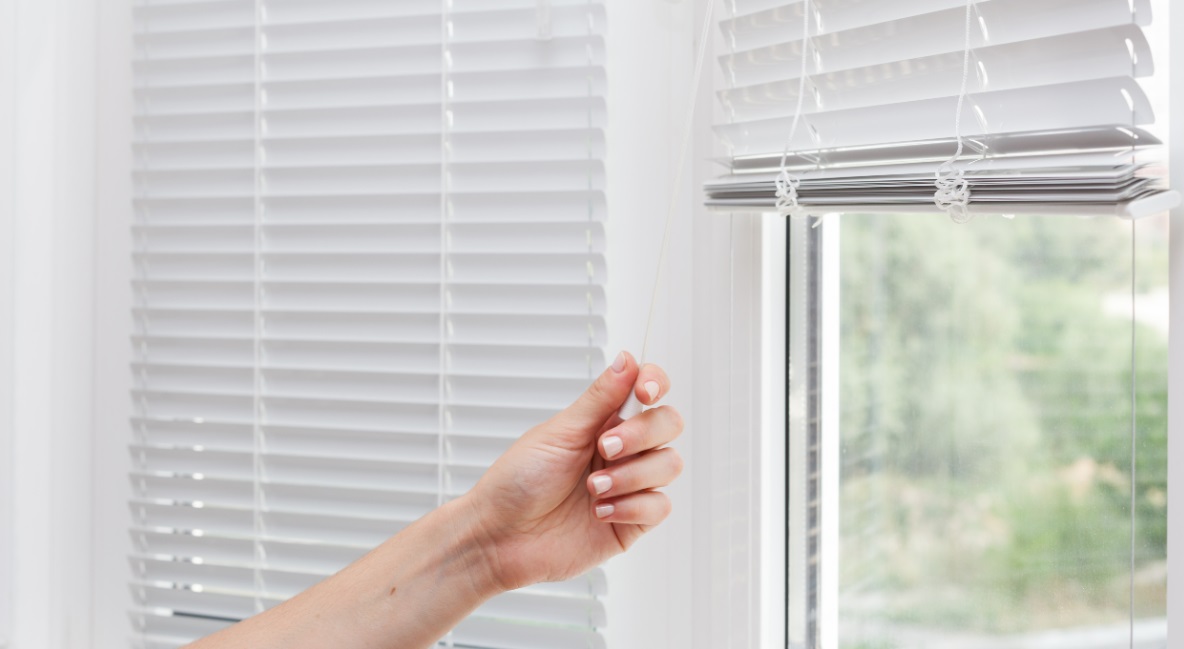
Once you locate the control system, the next step is unlocking the blinds. For corded blinds, this is done by pulling the cord slightly to the side at an angle. This releases the internal locking mechanism and allows movement.
If you skip this step, the zebra blinds may feel stuck or resist movement. Applying force without unlocking can damage the internal components. For cordless or motorized blinds, unlocking is automatic. Still, you should ensure there is no obstruction before moving them. Proper unlocking ensures smooth and safe operation.
3. Align the Slats
Slat alignment is often overlooked, but it plays a crucial role in the proper functioning of blinds. If the slats are uneven or twisted, the blinds may not close correctly. This can also cause strain on the mechanism over time.
Use the tilt rod or control system to straighten the slats. Make sure they are evenly positioned before lowering the blinds. Proper alignment not only improves functionality but also enhances the appearance of your window coverings. It ensures that light is blocked evenly and privacy is maintained effectively.
4. Lower the Blinds Slowly
Lowering the blinds requires a gentle and controlled approach. Many people make the mistake of releasing the cord too quickly. This can cause the blinds to drop suddenly, which may damage the slats or internal system.
Instead, loosen your grip slowly and guide the blinds downward. This controlled movement reduces stress on the mechanism and keeps everything in good condition. If you are using cordless blinds, use steady hand pressure to lower them. Smooth handling ensures durability and prevents unnecessary repairs in the future.
5. Lock the Position
After lowering the blinds to your desired height, you need to secure them in place. For corded blinds, this is done by pulling the cord back toward the right side. This action locks the blinds at a specific level.
Locking is important because it keeps the blinds stable. Without proper locking, the blinds may shift or move unexpectedly. This can affect both functionality and safety. Make sure the blinds are firmly set before moving on. A secure position ensures consistent performance and a neat appearance
6. Close the Slats Completely

The final step is closing the slats to block light and ensure privacy. Use the tilt rod to rotate the slats gradually. Turn it until the slats overlap fully and no light passes through.
Avoid forcing the rod, as this can damage the tilt mechanism. Smooth and gradual rotation works best. Fully closed slats provide maximum privacy and better light control. This step is especially useful during nighttime or in rooms where you want complete darkness. Proper closure also enhances insulation and energy efficiency.
How to Operate Different Types of Blinds
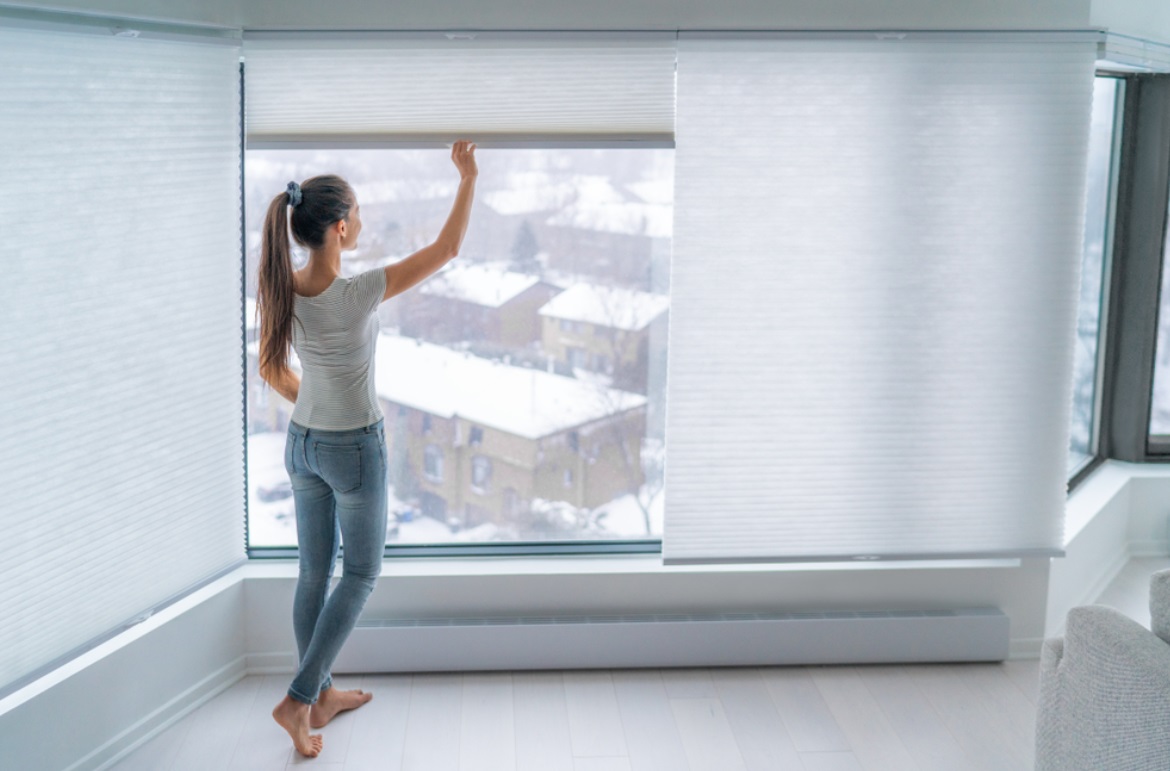
Different types of blinds require slightly different handling techniques. While the basic concept remains the same, the controls can vary. Understanding these differences helps you operate each type more effectively.
Using the wrong method can lead to confusion or even damage. That is why it is important to identify your blind type before operating it. Below are the most common types of blinds and how to handle them correctly. Learning these variations will make daily use much easier and more efficient.
Single-Cord Blinds
Single-cord blinds are among the most common types found in homes. They include Venetian, mini, and cellular blinds. These blinds use one cord for raising and lowering, along with a tilt rod for adjusting slats.
To close them, pull the cord at an angle to unlock, then slowly release it to lower the Roller blinds. Once in position, lock the cord again. Use the tilt rod to close the slats fully. Proper handling ensures smooth movement and prevents wear and tear. These blinds are simple but require careful control.
Continuous Loop Blinds
Continuous loop blinds operate using a looped cord system. This design provides better control and is often used for larger or heavier blinds. The loop allows you to pull continuously without repositioning your hand.
To close these blinds, pull one side of the loop and observe the movement. If the blinds rise instead of lowering, switch to the other side. Continue pulling until the blinds reach the desired position. This system is smoother and reduces strain on the mechanism. It is also safer and more durable than traditional cords.
Rod-Controlled Blinds
Rod-controlled blinds are commonly used for vertical or panel blinds. Instead of cords, these blinds use a rod for both movement and adjustment. This makes them easier to operate and more visually clean.
To close them, pull the rod sideways to slide the panels across the window. Then twist the rod to rotate the slats for full closure. This system is ideal for large windows and sliding doors. It provides better control and requires less effort. Proper use ensures long-lasting performance and smooth operation.
Cordless Blinds
Cordless blinds are becoming increasingly popular due to their safety and simplicity. They are especially suitable for homes with children or pets. These blinds do not use cords, which reduces the risk of accidents.
To close cordless blinds, hold the bottom rail and gently pull it down. Adjust the height as needed and stop when you reach the desired position. Some models allow you to tilt the slats by adjusting the rail. These blinds are easy to use and require minimal effort. Their modern design also adds a clean look to your space.
Latest Trends in Window Blinds

Window blinds have evolved significantly in recent years. Modern designs focus on convenience, efficiency, and sustainability. Homeowners are now looking for solutions that combine functionality with smart technology.
From motorized systems to eco-friendly materials, the options are expanding rapidly. These innovations not only improve usability but also enhance energy efficiency. Staying updated with these trends helps you make better choices for your home. Below are some of the most important developments shaping the blinds industry in 2026
Smart Blinds Integration
Smart blinds are one of the biggest trends in 2026. These blinds can be controlled using mobile apps or voice assistants. You can schedule them to open or close automatically based on time or sunlight.
This feature improves convenience and energy efficiency. For example, blinds can close during peak sunlight hours to keep your home cool. Smart integration also enhances security by giving the appearance that someone is home. These blinds are ideal for modern lifestyles and connected living spaces.
Energy-Efficient Designs
Energy efficiency is now a major priority for homeowners. Modern blinds are designed to reduce heat transfer and improve insulation. This helps maintain indoor temperature throughout the year.
During summer, blinds block excess heat from entering. In winter, they help retain warmth inside. This reduces the need for heating and cooling systems. As a result, you can save on energy bills. Energy-efficient blinds are both practical and environmentally friendly, making them a smart investment
Motorized Systems
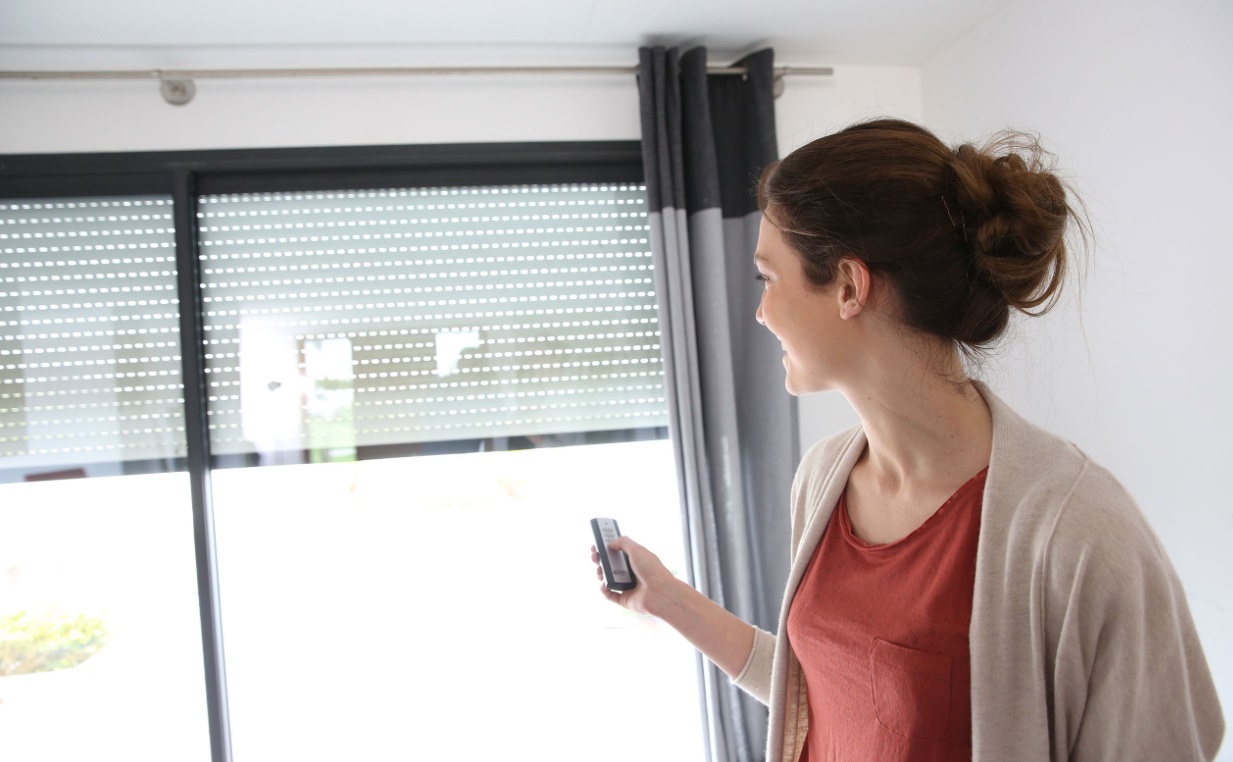
Motorized blinds offer a high level of convenience. They can be operated with a remote control or integrated into smart home systems. This is especially useful for large windows or hard-to-reach areas.
These systems eliminate the need for manual effort. They also provide smooth and precise control over movement. Although they may cost more initially, they offer long-term benefits in comfort and usability. Motorized blinds are becoming a preferred choice for modern homes.
Sustainable Materials
Sustainability is influencing many home design choices, including window treatments. Blinds made from bamboo, recycled fabrics, and eco-friendly materials are gaining popularity.
These options reduce environmental impact while maintaining durability and style. They are also safer for indoor air quality. Choosing sustainable blinds is a responsible decision that benefits both your home and the environment. This trend is expected to grow even further in the coming years.
Conclusion
Closing window blinds correctly is a simple but important skill. It ensures smooth operation and extends the lifespan of your blinds. Many issues arise from improper handling, which can easily be avoided by following the right steps.
Modern blinds offer advanced features, but they still require careful use. Understanding your blind type and its mechanism is key to effective operation. By applying the techniques shared in this guide, you can improve both functionality and durability.
With the right approach, your blinds will continue to provide privacy, comfort, and style for years to come.