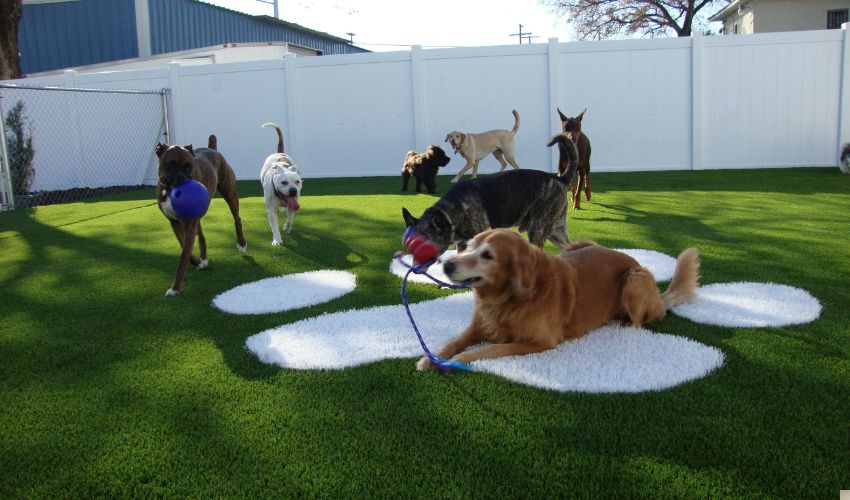
Artificial grass is no longer just a decorative option for lawns. Over the past few years, it has become a practical, widely accepted solution for pet owners seeking a cleaner, more durable indoor or outdoor surface.
Natural grass may look appealing at first, but it often struggles to survive under constant pet activity. Urine patches, digging, mud, and maintenance quickly turn it into a problem rather than a benefit. This is where artificial grass stands out. It offers consistency, durability, and ease of maintenance without compromising your pets’ comfort.
Most people are already familiar with the basic advantages. Artificial grass stays green all year, requires no mowing, and handles heavy use better than natural lawns. However, there are several important facts that go beyond these obvious benefits. Before exploring those, it is important to address a common concern.
Does Artificial Grass Contain Harmful Chemicals?
This is one of the first questions pet owners ask, and understandably so. Your pet spends a lot of time on the surface, so safety is a valid concern.
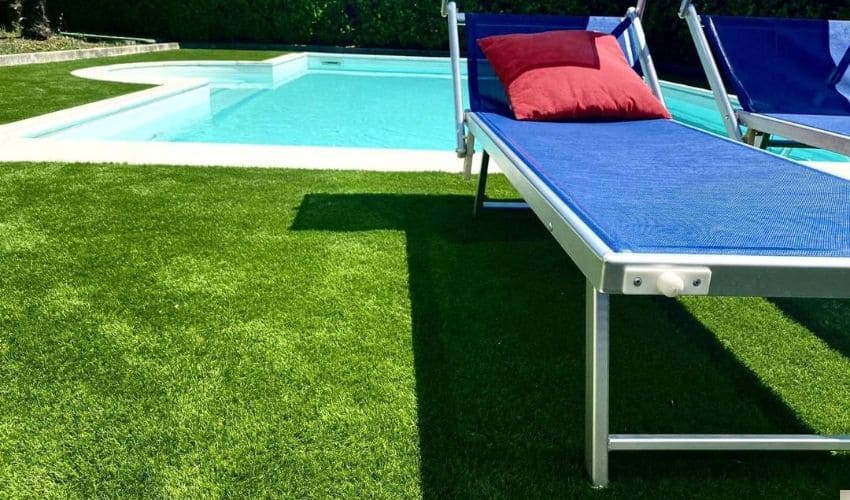
Modern artificial grass is manufactured using non-toxic materials. High-quality products are tested to ensure they are safe for both pets and humans. Unlike natural lawns, artificial turf does not require fertilizers, pesticides, or weed killers. This significantly reduces the risk of chemical exposure.
Another overlooked advantage is that artificial grass does not produce pollen. Pets that suffer from seasonal allergies can benefit from this, as it removes a common trigger found in natural environments.
Cleaning products are still used occasionally, but harsh chemicals are not necessary. Mild, pet-safe solutions are enough to keep the surface clean and odor-free. This makes artificial grass a safer and more controlled environment compared to traditional lawns.
5 Important Facts About Artificial Grass for Pets
Check the facts about fake grass that will help you better understand it.
1. It Creates a More Hygienic Environment
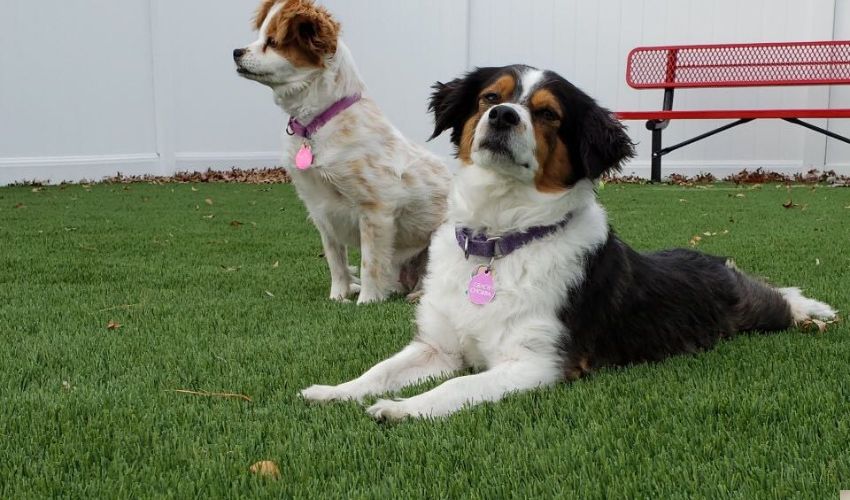
Hygiene is one of the strongest reasons pet owners switch to artificial grass. Natural lawns can easily become breeding grounds for bacteria, especially in damp conditions.
Artificial turf eliminates exposed soil, which reduces the accumulation of dirt and harmful microorganisms. Most systems are designed with drainage layers that allow liquids to pass through quickly, preventing stagnant water.
With regular rinsing and basic cleaning, the surface remains consistently clean. This level of hygiene is difficult to maintain with natural grass, particularly in areas with frequent pet use.
2. It Helps Reduce Health Risks for Pets
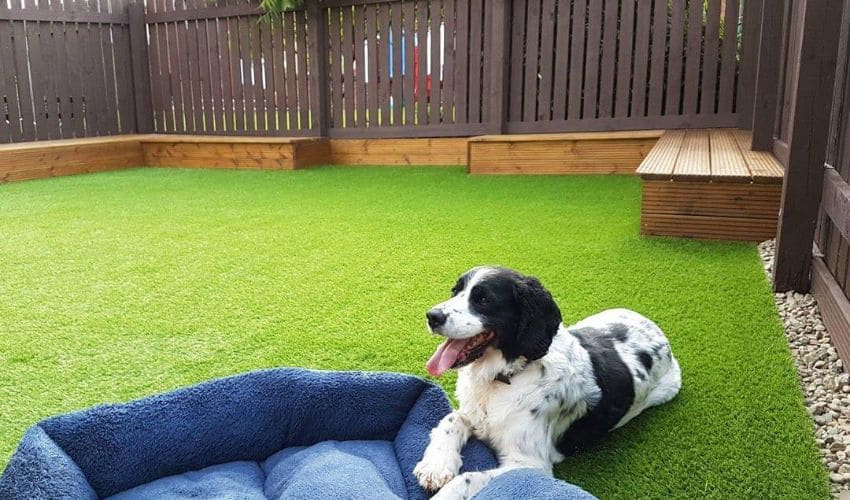
Natural grass may seem harmless, but it can expose pets to hidden dangers. Dogs often sniff, lick, or chew on grass, which increases the risk of ingesting harmful organisms.
Parasites, insects, and even contaminated soil can lead to infections or illnesses. Artificial grass removes these risks by providing a controlled surface that is free from such elements. This is especially important for puppies, older dogs, or pets with weaker immune systems. A cleaner environment directly contributes to better overall health.
3. Pets Can Play Freely Without Getting Dirty
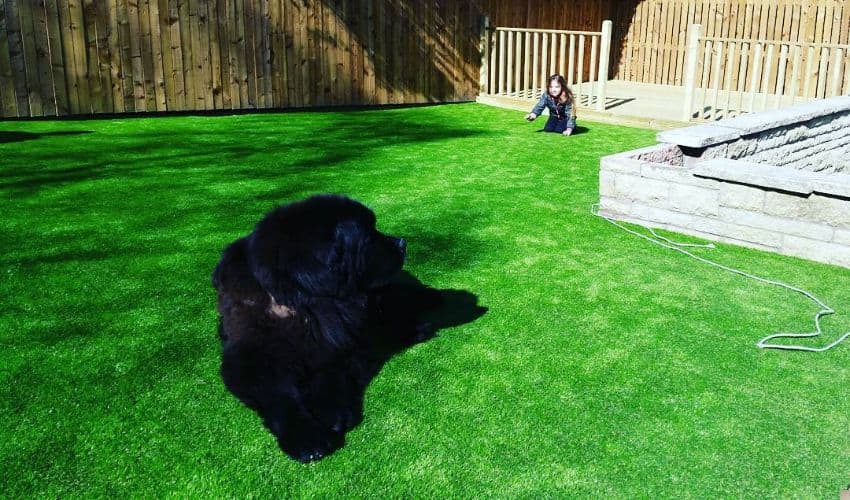
One of the most noticeable benefits of artificial grass is the cleanliness it offers. There is no mud, no loose soil, and no mess being tracked indoors. Dogs can run, roll, and play as much as they want without ending up covered in dirt. This not only keeps your home cleaner but also reduces the need for frequent bathing.
During rainy seasons, this advantage becomes even more valuable. While natural lawns turn into muddy patches, artificial grass remains usable and clean.
4. It Feels Comfortable and Looks Natural
There is a common misconception that artificial grass feels rough or unnatural. In reality, modern turf is designed to closely replicate the texture and appearance of real grass.
The fibers are soft enough for pets to walk, sit, and lie down comfortably. At the same time, they are strong enough to withstand daily wear. This balance between comfort and durability ensures that pets do not feel restricted. Most dogs accept artificial grass quickly because it closely resembles what they are already used to.
5. Choosing the Right Pile Height Makes a Difference
Pile height refers to the length of the grass fibers, and it plays a key role in usability. While longer grass may look lush and attractive, it is not always the best option for pet areas. Short to medium pile height is more practical. It makes cleaning easier, prevents waste from getting trapped, and maintains a neater appearance.
Longer fibers can hold onto debris and require more effort to maintain. For pet owners, functionality should take priority over purely aesthetic choices.
For potty training, this can be particularly helpful. Once the dog recognizes the surface as a designated area, it becomes easier to establish a routine.
Final Thoughts
Artificial grass has evolved into a practical solution for modern pet owners. It addresses many of the common problems associated with natural lawns, including maintenance, hygiene, and durability. While it may not be a perfect solution for every situation, its advantages are difficult to ignore. It creates a cleaner environment, reduces health risks, and simplifies daily routines.
However, the results depend on choosing the right type of grass and maintaining it properly. Factors like pile height, drainage, and material quality should always be considered before making a decision. If you are looking for a long-term, low-maintenance solution that keeps both your pet and your home clean artificial grass is worth serious consideration.
Frequently Asked Questions
Why is artificial grass better than natural grass for pets?
Artificial grass is easier to maintain, does not develop muddy patches, and reduces exposure to harmful chemicals and parasites. It provides a cleaner and more controlled environment.
Is artificial grass completely safe for dogs?
High-quality artificial grass is made from non-toxic materials and is safe for pets. It is important to choose products specifically designed for pet use.
How often should artificial grass be cleaned?
Cleaning frequency depends on usage. For regular use, rinsing a few times a week and deep cleaning occasionally is usually sufficient.
Does artificial grass smell over time?
Odor can develop if it is not cleaned properly. However, with good drainage and regular maintenance, unpleasant smells can be minimized or completely avoided.