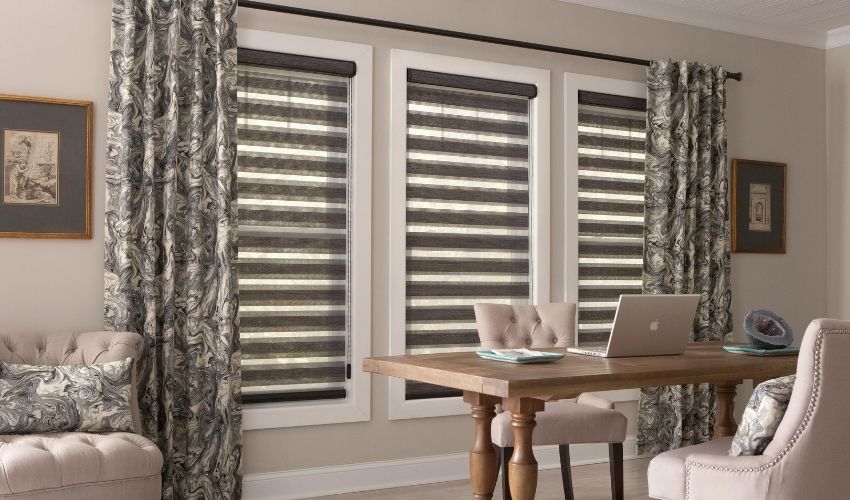
Choosing the right window treatment is no longer just about covering a window. It plays a direct role in comfort, energy efficiency, and the overall look of a space. Many homeowners still struggle to decide between shutters, curtains, and blinds because each option serves a different purpose. The confusion usually comes from focusing only on appearance instead of function. A well-informed choice depends on how much light control you need, how important insulation is, and how the treatment fits into your interior style.
Why Window Treatments Matter More Today
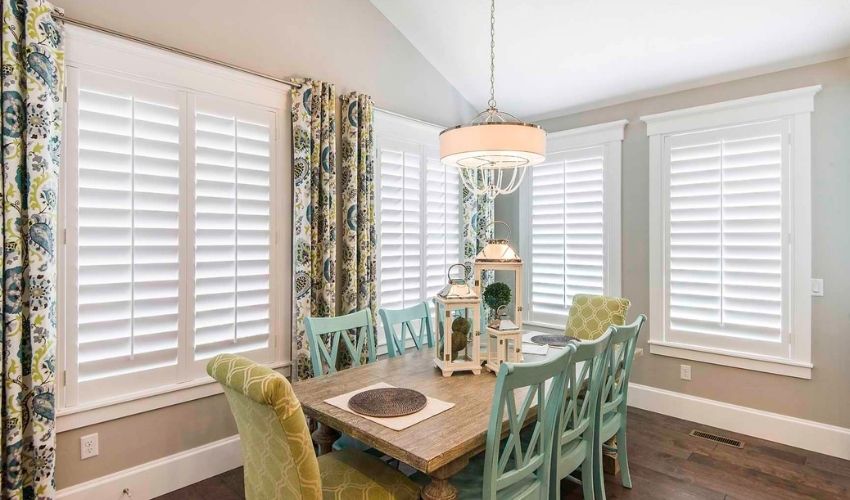
Modern homes are designed with larger windows and more exposure to sunlight. This increases the need for better light control and temperature regulation. A good window treatment helps reduce heat in summer and keep warmth in during winter. It also protects furniture, flooring, and décor from fading due to UV rays. At the same time, it enhances privacy without making the space feel closed or heavy. This shift has made functionality just as important as design.
Curtains for Windows
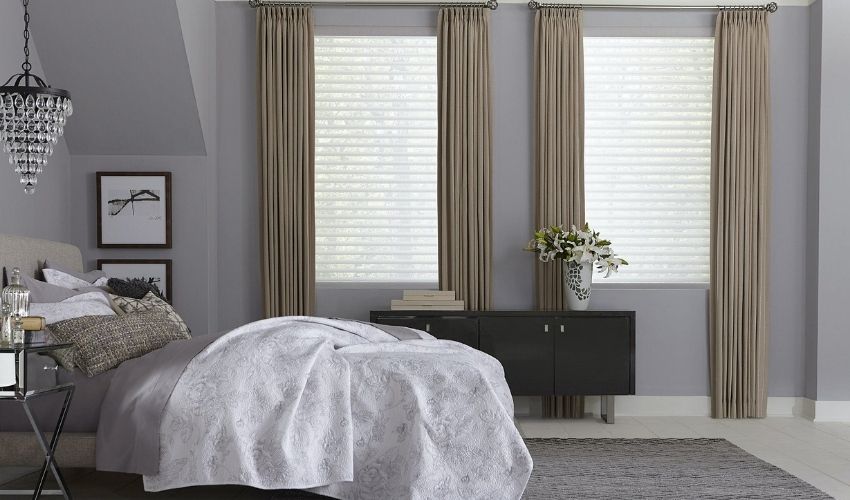
Curtains remain one of the most flexible options available. They are made from fabric and come in a wide range of colors, textures, and patterns. This makes them easy to match with almost any interior style, whether modern, classic, or minimal. Curtains are often chosen for their ability to soften a room and create a more comfortable atmosphere.
The level of light control depends entirely on the fabric. Sheer curtains allow natural light to enter while maintaining some privacy. Blackout curtains are designed to block light almost completely, making them suitable for bedrooms. Lined curtains offer a middle ground by reducing light without making the room too dark.
Curtains also contribute to insulation. Thick fabrics can help retain heat during colder months, which improves energy efficiency. However, they require more maintenance than other options because they need regular cleaning. In smaller spaces, heavy curtains can sometimes feel overwhelming if not chosen carefully.
Blinds for Windows
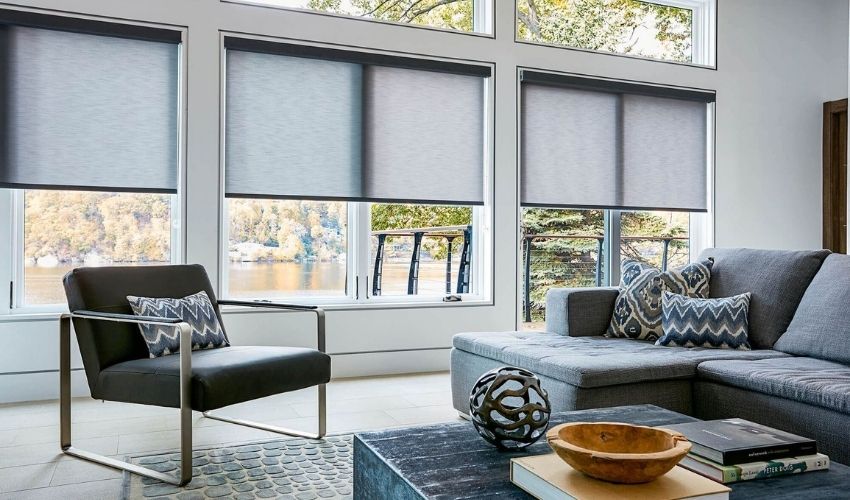
Blinds are designed with functionality in mind. They consist of slats or panels that can be tilted, raised, or lowered to control light and privacy. This adjustable design makes window blinds one of the most practical window treatments available. They are especially useful in spaces where you need precise control over how much light enters the room.
Blinds are generally easier to maintain than curtains. They can be cleaned quickly without removing them, which makes them suitable for kitchens, bathrooms, and offices. They also work well on different window sizes and even on sliding doors.
However, blinds are often more limited in terms of design. While modern options have improved in appearance, they still do not provide the same warmth and softness as curtains. They also offer less insulation, which can be a drawback in extreme weather conditions. Over time, their mechanisms may require maintenance depending on usage.
Shutters for Windows
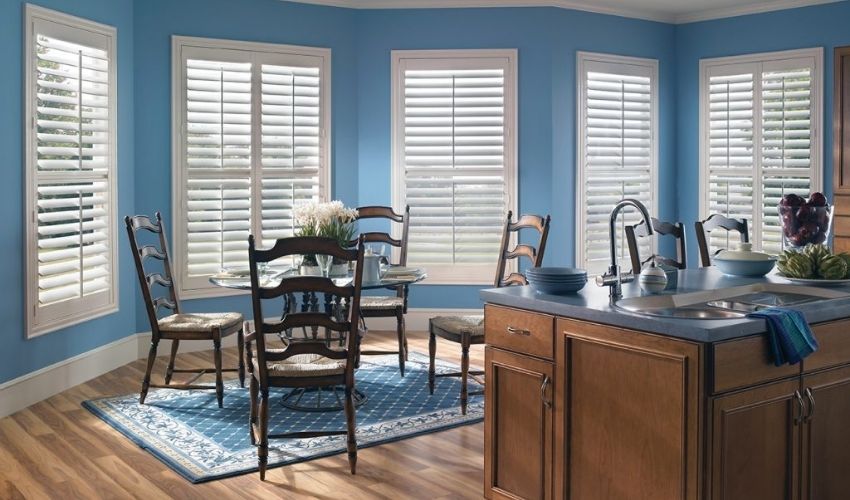
Shutters are considered a long-term investment. They are usually made from wood, faux wood, or aluminum and are installed as a permanent fixture. Unlike curtains and blinds, shutters become part of the window structure itself. This gives them a clean and polished look that works well in both traditional and Modern Interior.
One of the biggest advantages of shutters is their durability. They can last for many years without losing their functionality or appearance. They also provide excellent insulation, helping to keep indoor temperatures stable. This makes them particularly useful in regions with strong sunlight or high temperatures.
Shutters also offer strong privacy and light control. Their solid structure can block out light effectively while still allowing ventilation when adjusted. However, they come with a higher upfront cost and require professional installation. Their design options are also more limited compared to curtains.
Curtains vs Blinds vs Shutters (Comparison)
| Feature | Curtains | Blinds | Shutters |
| Cost | Low to Medium | Low to Medium | High |
| Light Control | Moderate to High | Very High | Very High |
| Privacy | High | High | Very High |
| Insulation | Good | Low | Excellent |
| Maintenance | Medium | Easy | Easy |
| Durability | Medium | Medium | Very High |
| Design Flexibility | Excellent | Limited | Moderate |
| Installation | Easy | Easy | Professional |
The Rise of Layered Window Treatments
A noticeable trend is combining different window treatments rather than relying on just one. Many homeowners now use roller blinds for functionality and pair them with curtains for visual appeal. This layered approach allows better control throughout the day. Blinds can manage light during daylight hours, while curtains add privacy and comfort at night.
This combination also improves insulation and deepens the interior design. It works particularly well in living rooms and bedrooms where both aesthetics and practicality are important.
How to Make the Right Choice?
The right choice depends on how the space is used. Check some factors below to make an informed decision.
1. Choose Curtains for Comfort and Style
Curtains are the right choice when visual appeal and comfort matter most. They soften the overall look of a room and create a warm, inviting atmosphere. With endless fabric and color options, they easily match a variety of interior styles. Curtains also slightly improve insulation, making them suitable for bedrooms and living spaces where coziness and design balance are equally important.
2. Choose Blinds for Control and Practical Use
Blinds work best in spaces where control and convenience are the priority. They allow you to adjust the light precisely without fully opening or closing the window covering. This makes them ideal for workspaces, kitchens, and bathrooms. Blinds are also easy to clean and maintain, which makes them a practical solution for areas that require frequent use and durability.
3. Choose Shutters for Long-Term Value
Shutters are suitable when you are looking for a permanent and durable solution. They offer excellent insulation and help regulate indoor temperature, especially in hot climates. Their solid structure provides better privacy and security compared to other options. Although they require a higher initial investment, shutters add long-term value and work well in homes designed for lasting performance.
4. Consider Climate and Budget
Climate and budget play a critical role in the final decision. In warmer regions, shutters or layered treatments can reduce heat more effectively and improve energy efficiency. For smaller spaces, lighter options like blinds or window curtains help maintain an open feel. Balancing cost with functionality ensures you choose a solution that performs well without exceeding your budget.
Conclusion
Window treatments have become an essential part of modern living. They influence comfort, energy use, and the overall feel of a space. Curtains, blinds, and shutters all have their advantages, but they perform best when matched carefully with the needs of the room. A practical approach that balances function and design will always lead to better results than choosing based on appearance alone.
Read More.