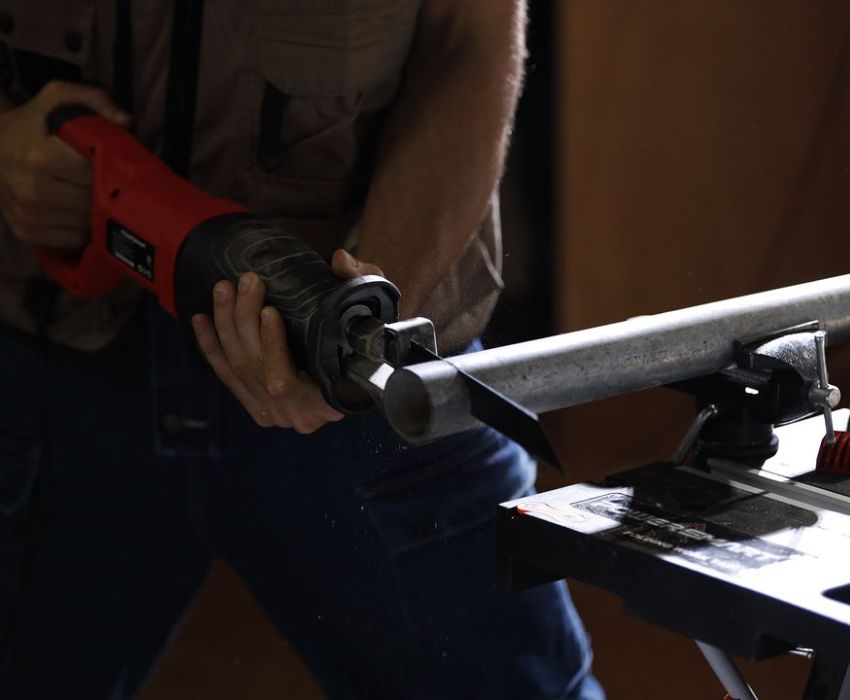
Cutting a threaded rod may look simple, but achieving a clean, precise finish requires the right tools, technique, and preparation. A poorly cut rod can damage threads, weaken structural performance, and create safety risks during installation.
Whether you are working on construction, plumbing, furniture assembly, or electrical setups, learning the correct way to cut threaded rods ensures accuracy and durability in your project.
What Is a Threaded Rod?
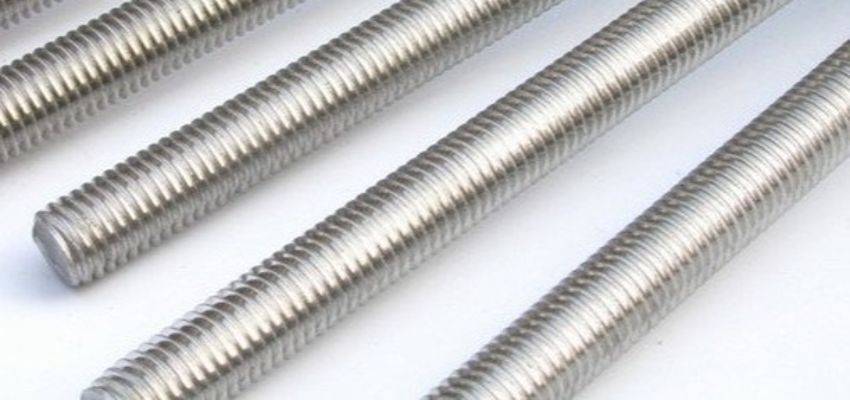
A threaded rod is a long metal rod with continuous threading along its entire length. These rods are used to fasten, support, or connect different components in construction and mechanical systems.
Because of their full-length threading, they allow flexible adjustment and secure fastening at multiple points.
Where Threaded Rods Are Commonly Used
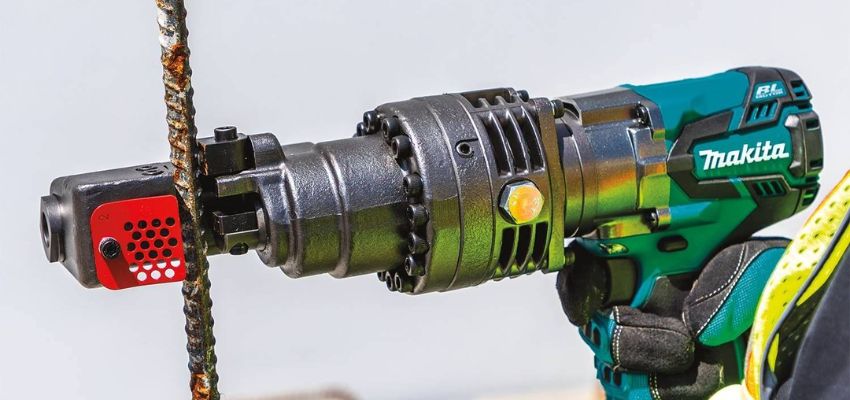
Threaded rods are widely used in both residential and industrial work.
They are commonly found in construction projects for structural support. In plumbing systems, they help in pipe suspension and alignment. In electrical installations, they are used for mounting fixtures and trays.
They are also used in furniture assembly and repair work where strong and adjustable fastening is required.
Also Read: Best Tools To Cut Vinyl Plank Flooring
Choosing the Right Tool for Cutting Threaded Rod
The tool you choose has a direct impact on the quality of the cut.
For most applications, an angle grinder is one of the most efficient tools. A hacksaw works well for manual precision cutting. A reciprocating saw is useful for faster cutting, especially on thicker rods. Bolt cutters may work for thinner rods, while portable bandsaws offer clean and controlled cuts for repeated use.
The right choice depends on rod thickness, material type, and the level of precision required.
Safety Preparation Before Cutting
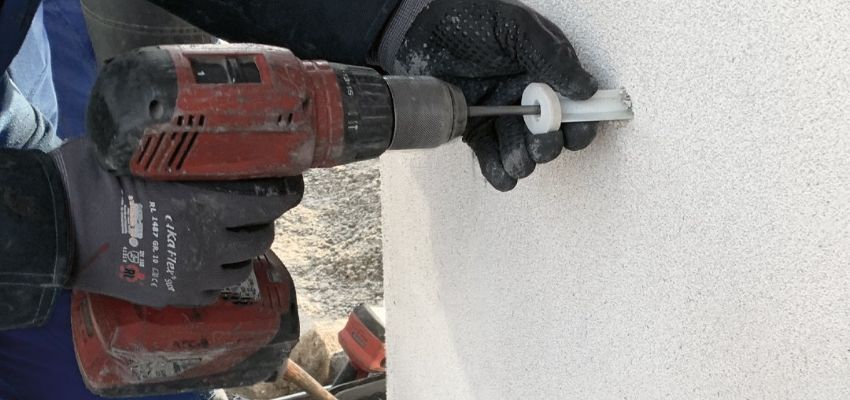
Safety should always come first.
- Threaded rods produce sharp edges and metal debris during cutting. Eye protection, gloves, and proper handling tools are essential to avoid injury.
- Before cutting, measure the required length carefully and mark it clearly with a permanent marker. This ensures accuracy and reduces material waste.
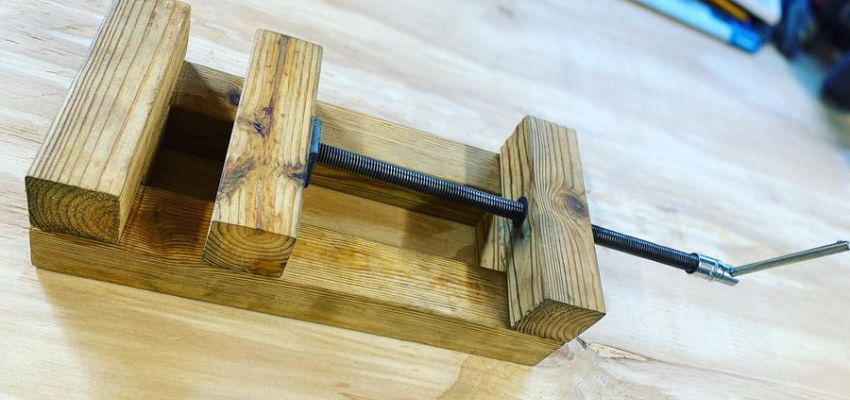
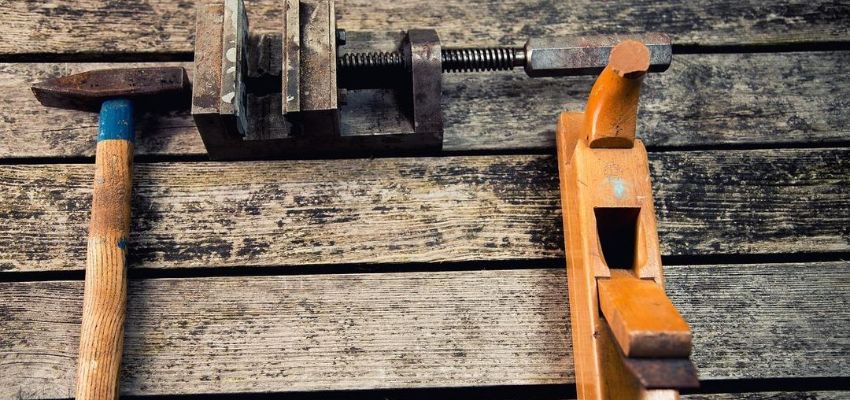
- Secure the rod tightly using a vise or clamp. A stable rod reduces movement and improves cutting precision.
Step-by-Step Methods for Cutting Threaded Rod
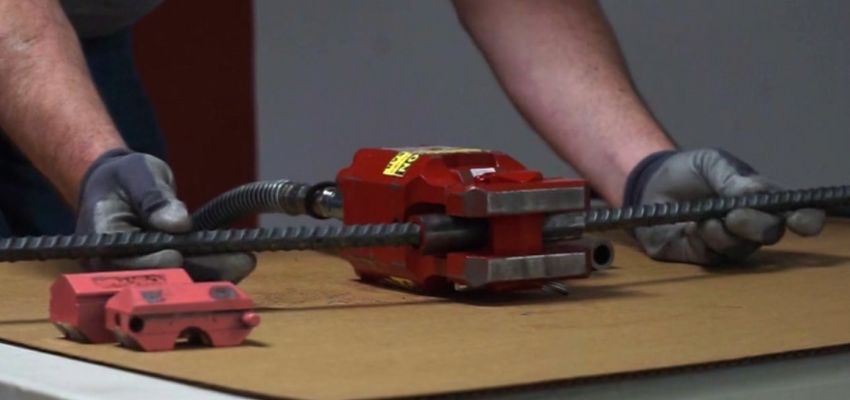
Different tools require slightly different approaches, but the goal remains the same: a clean, straight cut with minimal thread damage.
Method 1: Using a Hacksaw
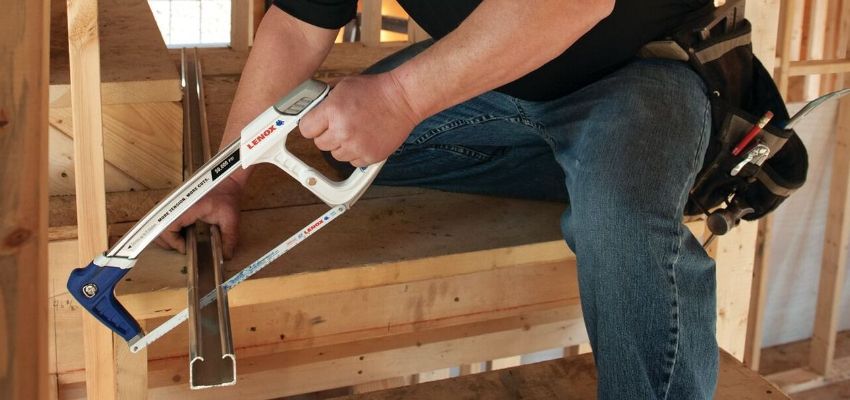
A hacksaw is a simple and reliable manual option. Secure the rod in a vise before starting. Align the blade with the marked cutting point and begin with slow, controlled strokes. Maintain steady pressure to avoid bending the blade or damaging the threads. After cutting, file the edges to remove sharp burrs and restore smoothness.
Method 2: Using an Angle Grinder
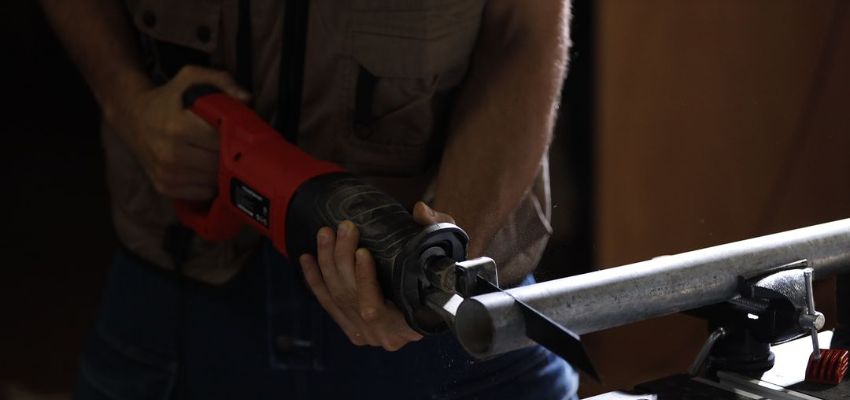
An angle grinder is one of the fastest and most effective tools for cutting threaded rods.
Clamp the rod securely and wear full protective gear. Position the cutting wheel at the marked point and apply steady pressure without forcing the tool.
Once the cut is complete, allow the metal to cool before handling. Smooth the edges using a file or grinder wheel to protect the threads.
Method 3: Using a Reciprocating Saw
A reciprocating saw is useful for quick cuts in tight spaces. Insert a metal-cutting blade and secure the rod firmly. Keep the saw aligned at a right angle to the rod to avoid uneven cuts.
Cut slowly and steadily to maintain control. After finishing, clean and smooth the cut edge for safe handling.
Method 4: Using a Portable Bandsaw
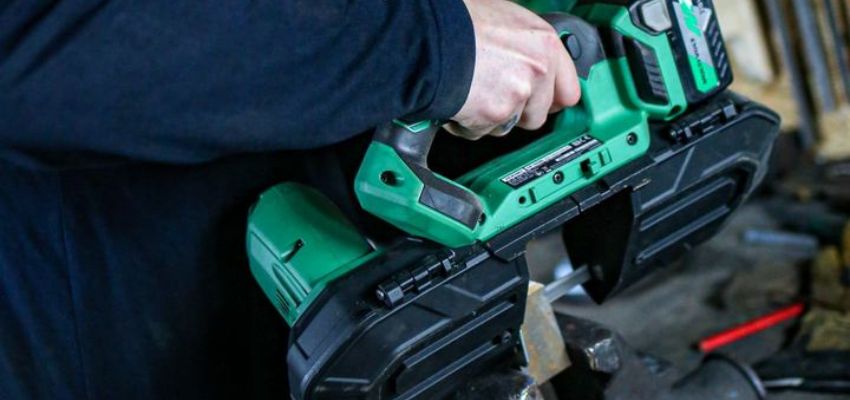
A portable bandsaw provides the most controlled and clean cuts. The rod is guided into the moving blade while the machine maintains steady pressure. This reduces vibration and ensures accuracy. This method is ideal for repetitive work or when precision is critical.
Finishing the Cut Properly
Cutting is only part of the process. Finishing is equally important.
After cutting, inspect the edges carefully. Burrs and sharp fragments should be removed using a metal file or sandpaper. This step prevents injuries and ensures proper fitting during installation.
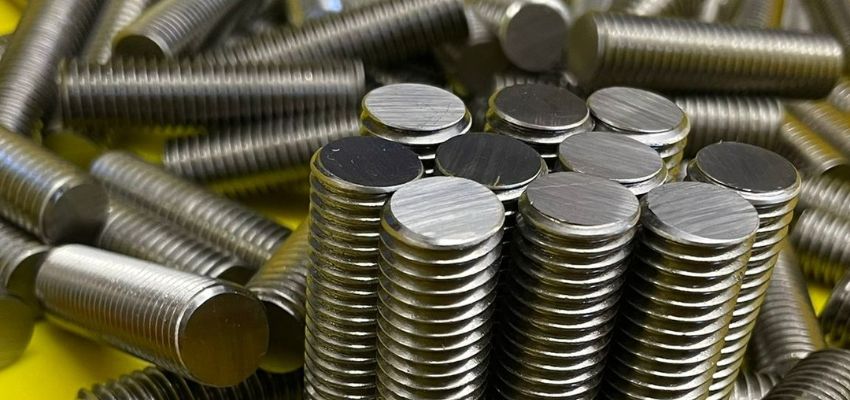
Cleaning the cut end is also important. Use a wire brush or compressed air to remove dust and metal particles. A smooth finish ensures the rod performs safely and fits correctly into threaded connections.
Alternative Cutting Methods
In some specialized cases, alternative methods may be used.
Heat-based cutting can be applied, but it requires strict safety precautions due to sparks and high temperatures. Protective gear and proper ventilation are essential.
Threaded rod cutters are another option. These tools are designed specifically for cutting and often produce clean, accurate results with minimal thread damage.
However, they are limited to specific rod sizes and require proper handling skills.
Common Mistakes to Avoid
Many issues arise from small but critical mistakes.
- Using the wrong blade type can damage threads. Cutting without securing the rod can result in uneven edges. Rushing the process often leads to poor alignment and wasted material.
- Skipping finishing steps is another common issue that affects both safety and usability.
Practical Tips for Better Cutting Results
A few simple practices can significantly improve your results.
Always double-check measurements before cutting. Use sharp, high-quality blades for cleaner cuts. Secure the rod properly to avoid movement. Mark cutting points clearly and visibly.
Avoid excessive force while cutting, as it can damage both tools and material. Allow tools to do the work instead of pushing them aggressively.
Choose the right tool based on material thickness. For stainless steel or hardened rods, stronger tools like grinders or bandsaws are more effective.
Clean the rod after cutting to remove debris. Smooth edges thoroughly to prevent injuries. Finally, always prioritise safety gear, even for small jobs.
Quick Read: 3 Different Tools To Cut Laminate Flooring?
What If the Threads Get Damaged?
If the threads are damaged during cutting, stop immediately. You can repair minor damage using a threading die. In severe cases, the affected section may need to be cut again or replaced entirely. Preventing damage is always easier than repairing it, so careful cutting is essential.
Final Thoughts
Cutting a threaded rod is not complicated, but it does require attention to detail. The right tool, proper preparation, and careful finishing make a significant difference in the final result. A clean cut ensures better performance, safer installation, and longer durability in any project. With the right approach, you can achieve professional-quality results even in a DIY setup.