
Roller blinds are one of those elements in a home that people appreciate daily but rarely maintain properly. They sit quietly in the background, controlling light, offering privacy, and shaping the overall feel of a room. Because of their minimal design, many assume they don’t require much care. That assumption is where problems begin.
Dust, moisture, and airborne particles settle on blinds far more quickly than most people realize. In kitchens, grease builds up. In bedrooms, fine dust and fabric fibres collect over time. In living spaces, pollution and outdoor particles add another layer. When this buildup is ignored, blinds don’t just look dull; they begin to degrade.
Cleaning roller blinds isn’t difficult, but doing it incorrectly can cause more harm than neglect. The goal is not aggressive cleaning. It’s controlled, consistent maintenance that preserves both the fabric and the mechanism.
The Right Way to Handle Regular Cleaning of Roller Blinds
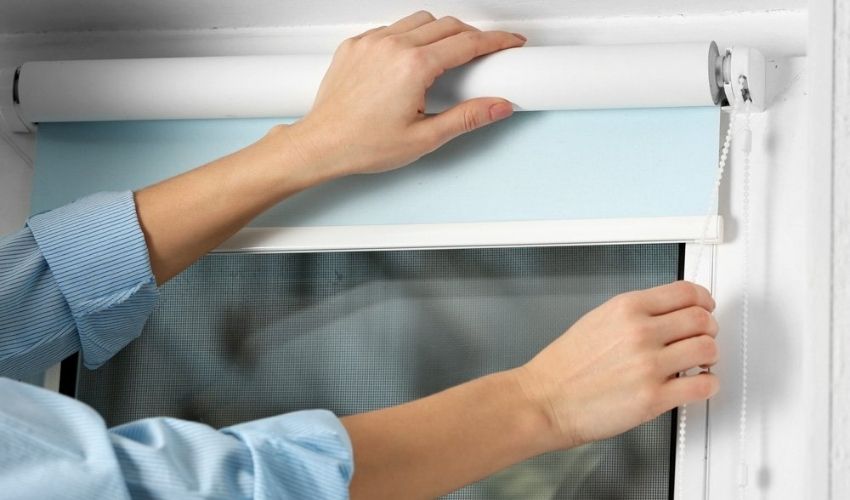
Regular cleaning is where most people cut corners, and that’s exactly why deep cleaning becomes necessary later.
Start by fully extending the blinds. Cleaning them halfway leaves uneven patches and allows dust to remain trapped in rolled sections. Once extended, the first step should always be dry cleaning; never jump straight to water.
Using a vacuum with a soft brush attachment is the most effective method. Move from top to bottom in steady strokes. This removes loose dust, which is critical because wiping dusty window blinds with a wet cloth only spreads dirt instead of removing it.
Once the surface dust is gone, you can move to light wiping. A simple solution of lukewarm water with a small amount of mild dish soap works well. The cloth you use should be damp, not wet. This distinction matters more than people think. Excess water doesn’t clean better; it just increases drying time and risk.
Wipe gently, working in vertical motions. If you encounter stains, resist the instinct to scrub aggressively. That usually damages the fabric surface. Instead, apply light pressure and repeat the motion until the stain lifts gradually.
After cleaning, leave the blinds fully extended to dry. This step is often rushed, but it directly affects the outcome. Rolling up damp blinds traps moisture, which can lead to odour or even mould over time.
Deep Cleaning Roller Blinds Without Damaging Them

Deep cleaning should not be part of your routine. If you find yourself needing it frequently, it usually means your maintenance routine is inconsistent. When blinds are heavily soiled, removing them is the only effective way to clean thoroughly. Most modern roller blinds are designed for easy removal, but care is still required. Forcing the mechanism or pulling unevenly can damage the fittings.
Once removed, prepare a bath using lukewarm water and mild detergent. The temperature of the water matters. Hot water can distort fabric and weaken adhesives used in the blind’s structure. Lay the blinds flat in the water rather than folding or bunching them. Let them soak briefly just enough to loosen dirt. Extended soaking is unnecessary and often harmful.
Cleaning should be done with a soft sponge or brush, and the motion should remain gentle. Focus more on consistency than pressure. The idea is to lift dirt, not force it out. After cleaning both sides, rinse thoroughly. Detergent residue left behind will attract more dirt later, undoing your effort.
Drying should always be done by hanging the blinds in an extended position. Avoid wringing or folding them, as this can cause creases that are difficult to remove. Only reinstall once completely dry.
A More Modern Approach: Cleaning Less, Maintaining Better

What most guides miss is that cleaning isn’t just about removing dirt; it’s about reducing how much dirt collects in the first place. Modern homes, especially in urban environments, deal with higher levels of dust and pollutants. Instead of reacting to buildup, a smarter approach is to minimize exposure. Keeping windows closed during peak dust hours, using air filtration, and avoiding unnecessary airflow can significantly reduce how often blinds need cleaning.
Another overlooked factor is placement. Blinds in kitchens and high-traffic areas require more attention than those in bedrooms. Treating all blinds with the same cleaning schedule is inefficient and often ineffective.
Over-cleaning is another issue that rarely gets discussed. Frequent wet cleaning can wear down fabric and coatings faster than natural use. A balanced routine, light dusting weekly and deeper cleaning only when needed, delivers better long-term results.
Where Most People Go Wrong (And Why It Costs Them)

The biggest mistake is assuming more effort equals better results. In reality, excessive force, strong chemicals, and over-cleaning do more damage than neglect. Using bleach or harsh cleaners is one of the fastest ways to ruin roller blinds. These chemicals strip color and weaken fibers, especially in fabric-based blinds. Similarly, scrubbing with rough brushes damages the surface texture, making blinds look worn even after cleaning.
Another common issue is impatience during drying. People often roll blinds up too soon, thinking they’re “dry enough.” This traps residual moisture inside the layers, leading to unpleasant smells and potential mold growth. Ignoring small stains is also problematic. What starts as a minor mark becomes permanent if left untreated for too long. Addressing stains early reduces the need for aggressive cleaning later.
Knowing When Cleaning Is No Longer the Solution
There’s a practical limit to what cleaning can achieve. If blinds show signs of fading, fraying, or coating damage, no cleaning method will restore them fully. At that stage, continuing to clean them becomes more about temporary improvement rather than long-term value. In many cases, replacing heavily worn blinds is more cost-effective than trying to maintain them beyond their lifespan.
This is especially true for older blinds that have already undergone multiple deep cleanings. Each cleaning cycle slightly weakens the material, even if done correctly.
Conclusion
Cleaning roller blinds isn’t about following a rigid checklist; it’s about understanding how the material behaves and adjusting your approach accordingly. A consistent, gentle cleaning routine will always outperform occasional aggressive cleaning. When you focus on prevention, handle the fabric carefully, and avoid common mistakes, roller blinds remain functional and visually clean for years.
The real shift is from reactive cleaning to controlled maintenance. Once you adopt that mindset, the process becomes simpler, more effective, and far less time-consuming.
Read more.