Blinds have moved far beyond being a simple window covering. In modern homes, they play a functional and strategic role. They control light, improve privacy, and help regulate indoor temperature. At the same time, they contribute to the overall design of a space.
The shift is driven by how people now use their homes. Spaces are more compact. Natural light is more valuable. Energy efficiency matters more than before. Because of this, blinds are no longer chosen only for appearance. They are selected based on performance, durability, and how well they adapt to daily use.
Unlike curtains, blinds offer precision. You are not just opening or closing a window covering. You are adjusting light levels, controlling glare, and shaping the atmosphere of a room. This level of control is what makes them relevant in modern interiors.
Why Blinds Matter More Today Than Before
Below, we have listed the importance of window blinds these days.
Light Control is Now about Comfort, Not Just Visibility
Natural light improves mood and reduces the need for artificial lighting. But uncontrolled light creates problems. It causes glare on screens. It fades furniture. It makes rooms uncomfortable during peak hours.
Blinds solve this by offering adjustable control. You can reduce brightness without blocking light completely. This is especially useful in living rooms and home offices where balance matters more than darkness.
Privacy Without Isolation is a Growing Need
Urban living has changed expectations. Homes are closer together. Large windows are common. People want privacy, but they do not want to feel closed off.
Modern blinds address this through layered designs. Sheer fabrics allow daylight in while blocking outside views. Dual-layer systems give flexibility throughout the day. This creates a more livable environment compared to fully opaque solutions.
Energy efficiency is no longer optional
Cooling costs are rising in warmer regions. Direct sunlight increases indoor temperature quickly. Blinds act as a barrier between the window and the room.
Thermal and reflective blinds reduce heat gain. In winter, they help retain warmth. This reduces reliance on air conditioning and heating systems. Over time, the savings become noticeable.
Design has shifted toward minimal and functional
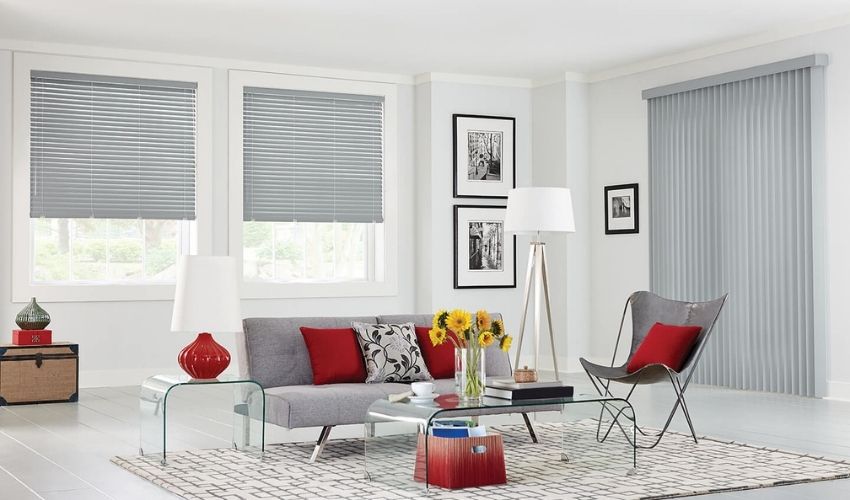
Interior design trends now favor simplicity. Heavy fabrics and complex layers are being replaced with cleaner lines. Blinds fit this approach better than traditional curtains.
They sit closer to the window. They take up less visual space. They also integrate more easily with modern materials like glass, metal, and neutral finishes
Types of Window Blinds

Below, we have listed popular types of window blinds available today.
Venetian Blinds
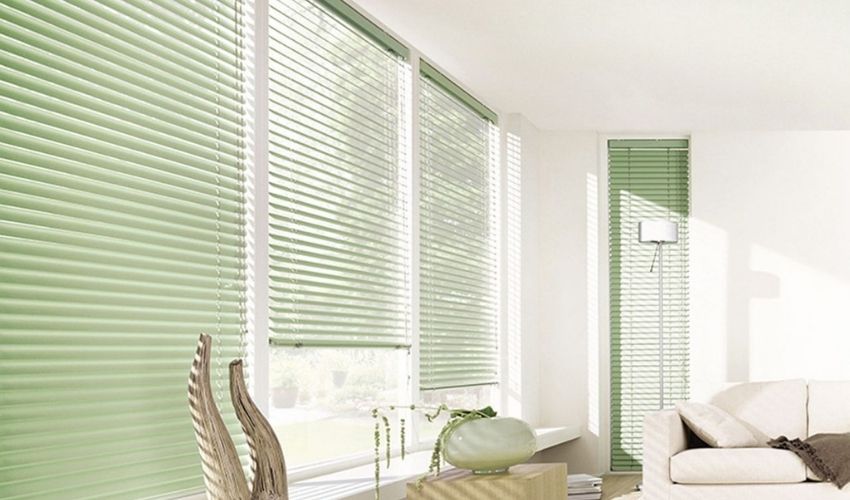
Venetian blinds are still one of the most widely used options, but their relevance today comes from flexibility rather than tradition. The horizontal slats allow you to fine-tune how much light enters the room. This makes them useful in spaces where lighting needs to change throughout the day.
They are available in multiple materials, including wood, aluminum, and faux wood. This range allows them to fit both budget and Modern Interior . However, they require regular cleaning because dust collects on each slat. This is a practical drawback that often gets overlooked.
Vertical Blinds
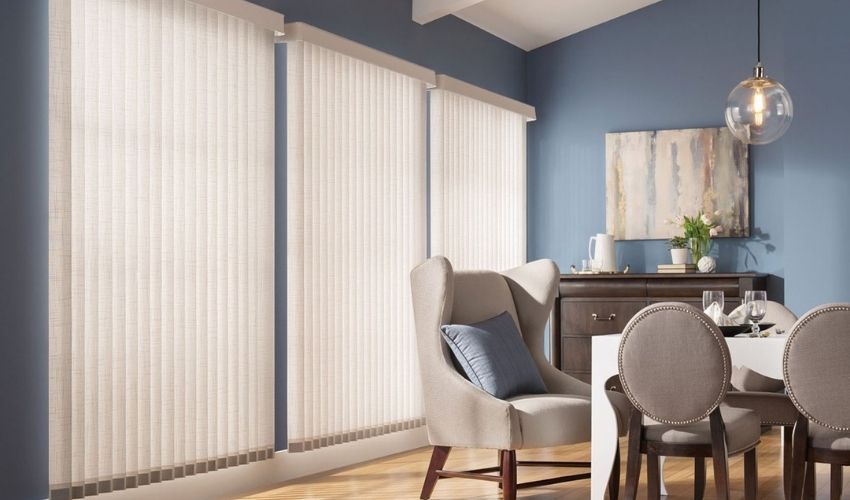
Vertical blinds are designed for larger openings. Their structure makes them more suitable for sliding doors and wide windows than standard options.
The vertical orientation also changes how light enters a room. Instead of filtering light from top to bottom, they control it from side to side. This creates a different visual effect. It can make a room feel taller, which is useful in spaces with lower ceilings. They are functional, but they are often chosen more for practicality than aesthetics.
Roller Blinds
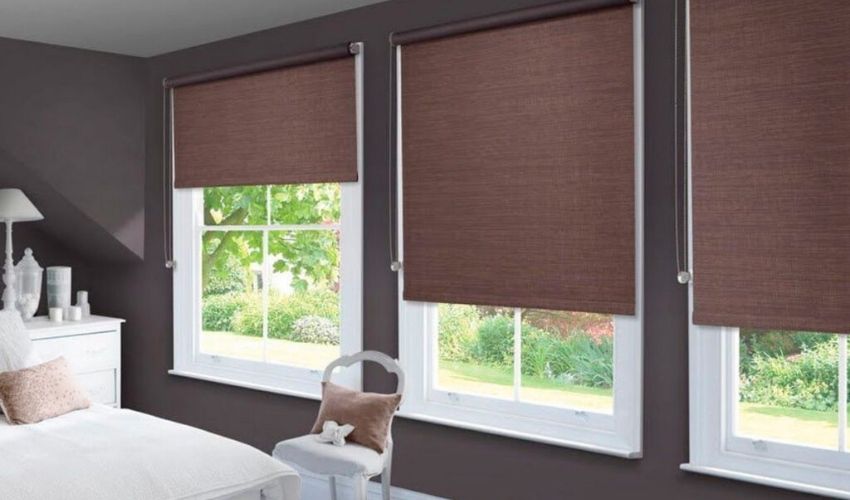
Roller blinds are popular because they remove unnecessary complexity. A single sheet of fabric rolls up neatly, leaving no visual clutter.
Their real advantage lies in fabric options. You can choose blackout for bedrooms, sunscreen for living areas, or light-filtering for balanced brightness. This adaptability makes them one of the most practical choices across different rooms.
They are also easier to maintain than slatted blinds, making them suitable for everyday use.
Roman Blinds
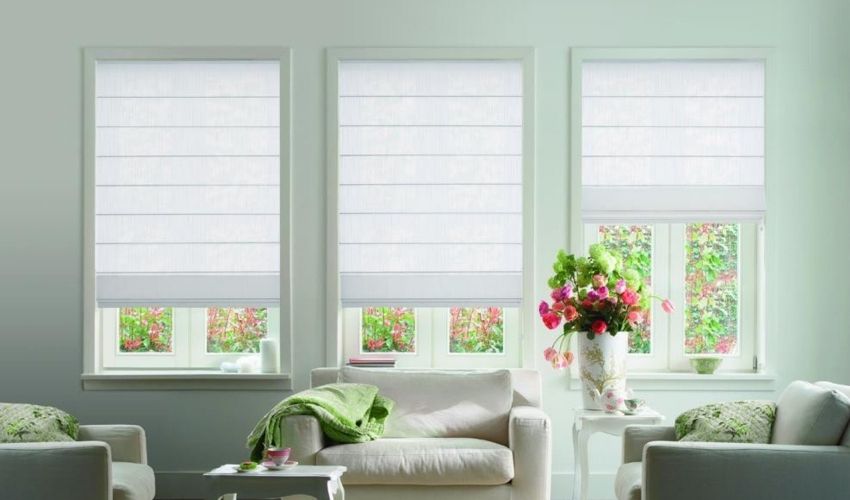
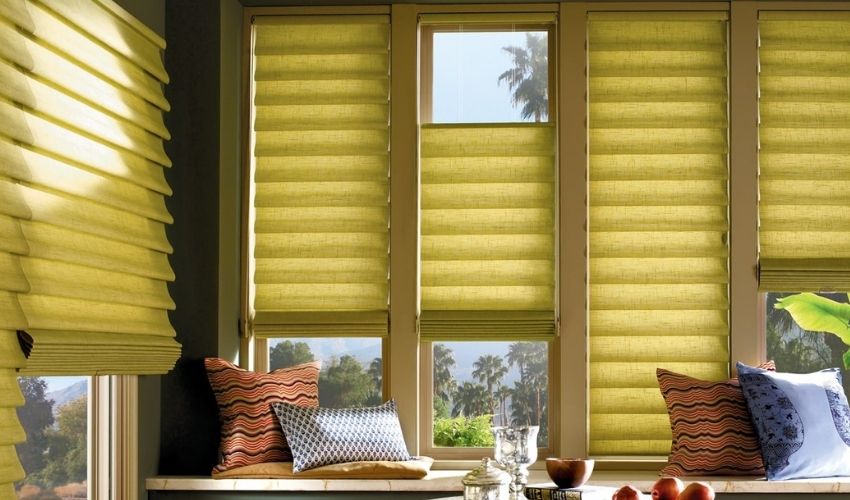
Roman blinds sit between blinds and curtains in terms of appearance. They provide the softness of fabric while maintaining a structured look.
When raised, they fold into layers, which adds texture to the window. This makes them more decorative than functional compared to other options. They are often used in bedrooms and formal living spaces where appearance matters more. However, they do not offer the same level of precise light control as slatted blinds.
Day and Night (Duo) Blinds
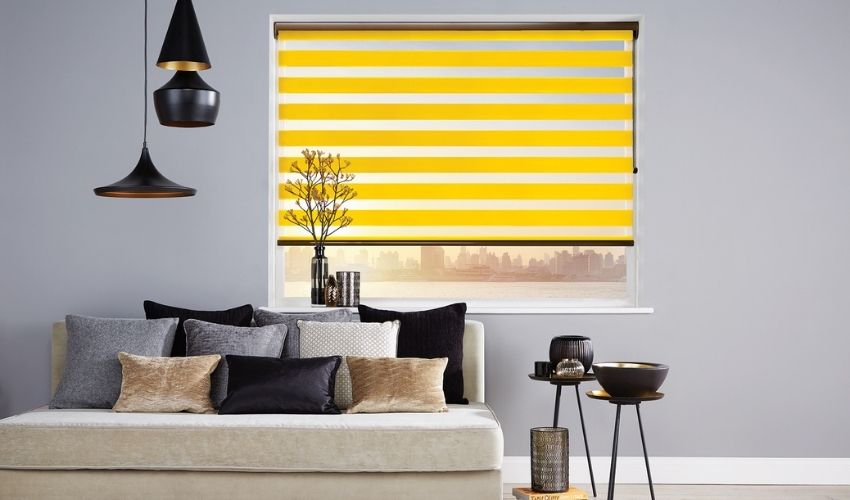
This type reflects a shift toward flexibility in modern design. Instead of choosing between light and privacy, these blinds allow both.
They use alternating sheer and opaque layers. By adjusting the alignment, you can control how much light enters without fully opening or closing the blind.
This makes them particularly useful in urban homes. They adapt well to different times of day without requiring constant adjustment.
Panel Blinds
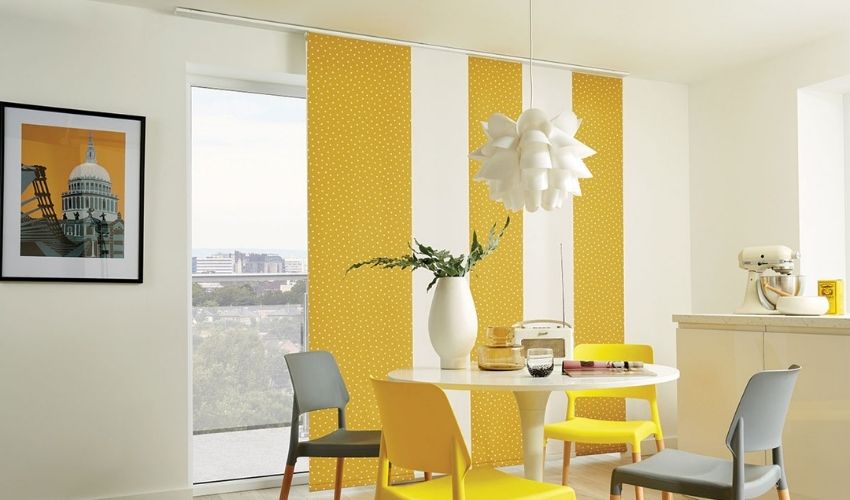
Panel blinds are often overlooked, but they solve a specific problem. Standard blinds do not scale well for very large windows. Panel blinds address this by using wide fabric sections that slide across a track.
They work well for patio doors and open-plan spaces. They can also be used as room dividers, which adds flexibility beyond window covering. Their limitation is that they require enough wall space for panels to stack when opened
Blackout Blinds
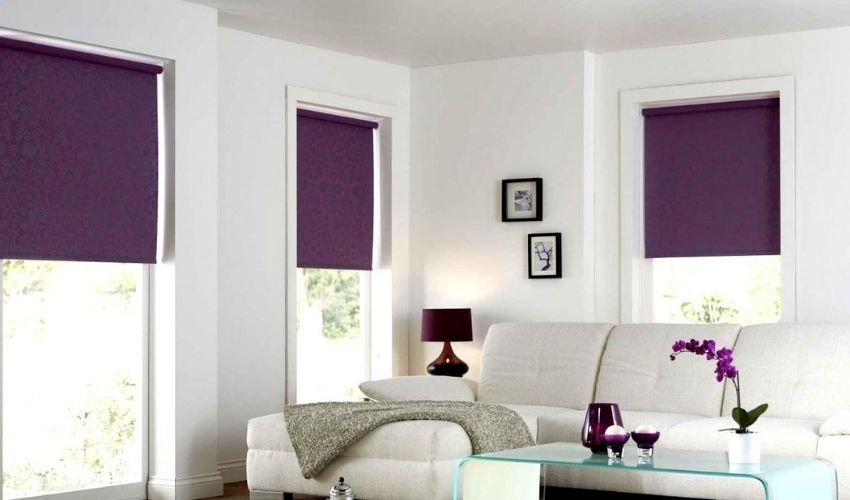
Blackout blinds are designed for function, not style. Their purpose is to block light completely. This makes them essential for bedrooms, especially where outside light is strong.
They also improve sleep quality by creating a darker environment. In addition, they provide some level of insulation and noise reduction.
However, they can make a room feel closed if used in spaces that need natural light.
Smart and Motorized Blinds
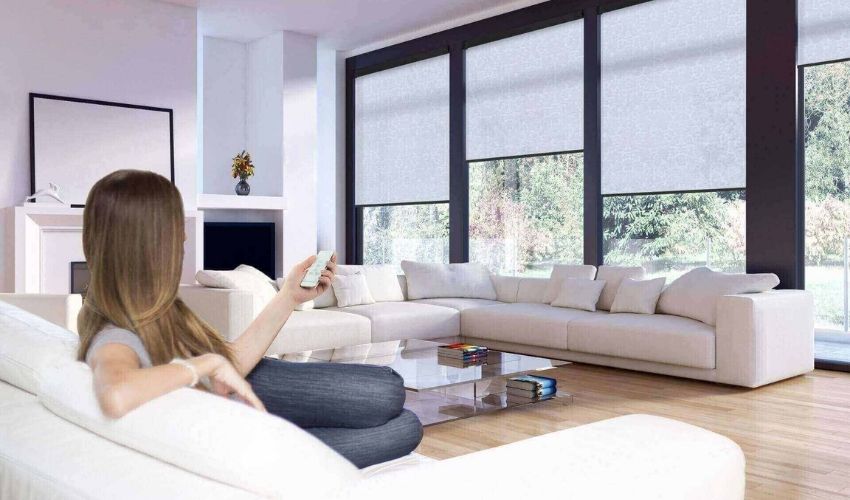
This is where the biggest shift is happening. Blinds are no longer just manual tools. They are becoming part of automated systems.
Motorized blinds remove the need for cords or manual adjustment. Smart blinds go further by connecting to apps and voice assistants. You can schedule them to open in the morning or close during peak sunlight hours.
The benefit is not just convenience. It is consistent. You get the same level of control every day without effort. The downside is cost. But prices are gradually becoming more accessible.
Materials Used in Modern Blinds
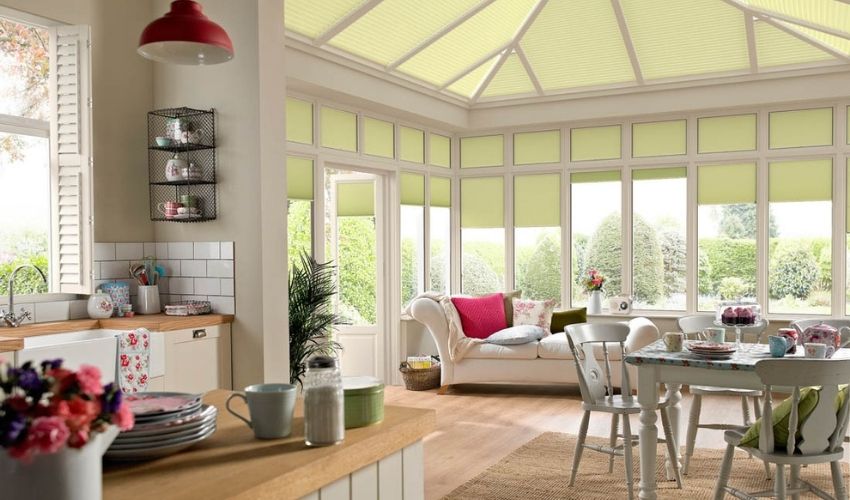
Below, we have listed the materials used to manufacture different types of window blinds.
Fabric
Fabric is the most versatile material. It offers the widest range of styles and functions. From sheer to blackout, it adapts to different needs easily.
However, fabric requires maintenance. It collects dust and may need cleaning over time. This makes it less practical in high-traffic or dusty environments.
Wood
Wood adds warmth and a natural feel to a space. It works well in traditional and high-end interiors.
But it comes with limitations. It is sensitive to moisture and can warp in humid conditions. This makes it unsuitable for kitchens and bathrooms.
Faux Wood
Faux wood addresses the weaknesses of real wood. It offers a similar appearance but with better durability.
It resists moisture and temperature changes. This makes it more practical for everyday use. It is often the better choice unless natural wood is specifically required.
Aluminum
Aluminum is functional and durable. It is resistant to rust and easy to clean. This makes it suitable for both homes and offices.
However, it lacks the warmth of other materials. It fits better in modern or industrial interiors.
Vinyl
Vinyl is cost-effective and low-maintenance. It works well in areas where durability matters more than appearance.
It is commonly used in bathrooms and utility spaces. While it is practical, it does not offer a premium look.
How to Choose the Right Blinds for Your Space?

Choosing blinds is often made unnecessarily complex. The decision becomes easier if you focus on function first.
Start with the room. A bedroom needs darkness and privacy. A living room needs balanced light. A kitchen needs moisture resistance.
Then consider window size. Large openings need solutions like vertical or panel blinds. Smaller windows allow more flexibility.
After that, think about maintenance. If you prefer low effort, avoid materials that require frequent cleaning.
Finally, consider the budget and features. Smart blinds are useful, but not always necessary. In many cases, a well-chosen manual blind performs just as well.
Conclusion
Blinds are no longer just a finishing touch. They are a functional element that affects comfort, energy use, and overall design. There is no single “best” type. Each option serves a different purpose. The right choice depends on how the space is used.
Instead of focusing only on style, it makes more sense to prioritize performance. When blinds are chosen based on real needs, they last longer and work better. That is what makes the difference between a decorative choice and a practical one.
Read more.