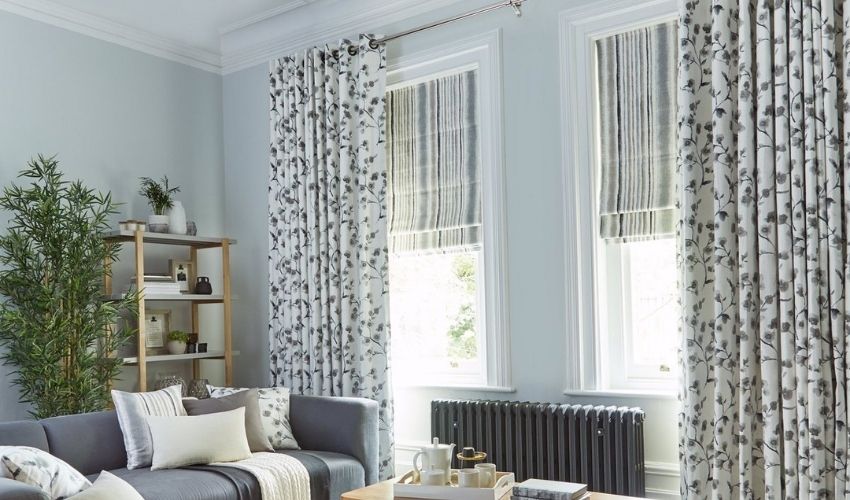
Window treatments are no longer chosen as a final decorative step. They are part of the core design strategy of a room. The way you treat your windows affects light, privacy, comfort, and the overall visual balance of the space.
Using blinds and curtains together is one of the most effective ways to achieve both function and style. This combination is not new, but the way it is used has changed. Earlier, it was mostly decorative. Now, it is more about control, layering, and flexibility.
Many people hesitate to combine blinds and curtains because they assume it will look heavy or mismatched. That usually happens when the pairing is done without a clear plan. When done correctly, the result feels structured, modern, and intentional.
Why Combining Blinds and Curtains Works
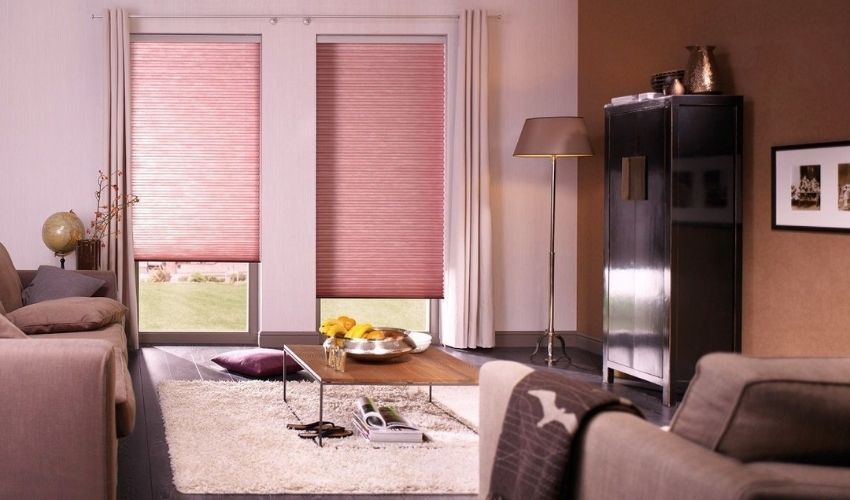
Check out the core reason for combining the blinds with window curtains:
Layering Solves Multiple Problems at Once
A single window covering rarely handles everything well. Curtains add softness and visual weight, but they do not offer precise light control. Blinds control light effectively, but they can feel rigid or minimal on their own.
When you combine both, each covers the limitation of the other. Blinds manage light and privacy. Curtains add depth and finish. This creates a balanced solution instead of a compromise.
Better Control Throughout the Day
Light changes throughout the day. Morning light is softer. Afternoon light can be harsh. At night, privacy becomes the priority.
Blinds allow small adjustments. Curtains allow full coverage. Together, they give you multiple levels of control instead of just open or closed.
Visual Structure and Depth
Windows can look flat when treated with a single layer. Adding curtains over blinds creates depth. It frames the window and makes the space feel more complete.
This is especially important in modern Interior where walls and furniture are often minimal. Window treatments can add the missing visual weight.
How to Use Curtains and Blinds Together (Practical Rules)
There are certain rules that you must follow while combining the curtains and blinds. Below, we have listed them in detail for your ease.
Choose the Blind Based on Function First
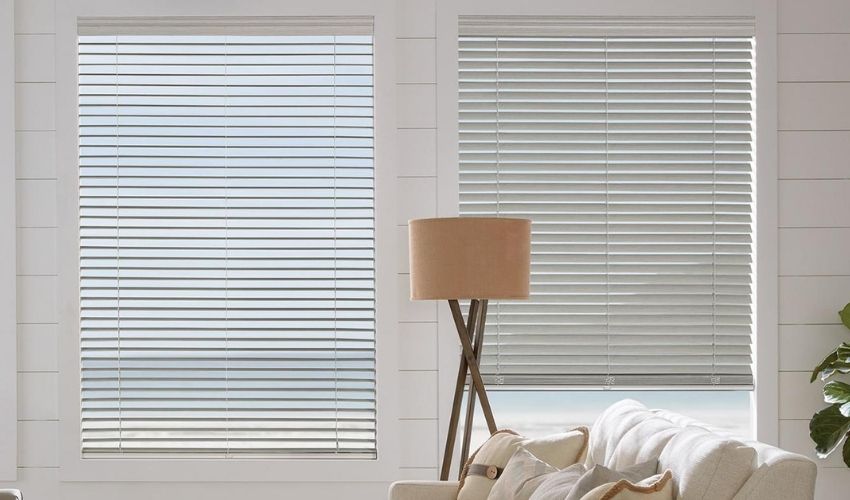
The blind is the functional layer. It sits closest to the window and handles light, heat, and privacy. This means your first decision should always be about performance, not appearance.
Roller blinds are one of the most practical options. They are simple, clean, and work with most curtain styles. They are especially useful if you want a minimal look behind the curtains.
Roman blinds offer more control because you can tilt the slats. This is useful in spaces where light changes frequently, such as living rooms or work areas. However, they add more visual detail, which needs to be balanced with simpler curtains.
If privacy and insulation are the priority, blackout or honeycomb blinds are more suitable. They create a stronger base layer, especially for bedrooms.
The key point is this. The blind should solve the problem first. The curtain should enhance it, not replace it.
Select Curtains That Complement, Not Compete
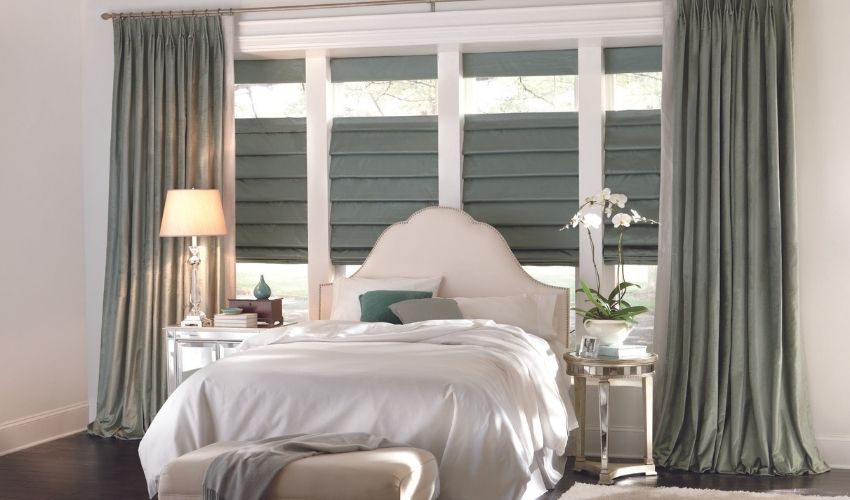
Once the blind is chosen, the curtain should be selected to support it. This is where most combinations fail. People often treat both elements as decorative features, which creates visual conflict.
If the blinds are simple, the curtains can carry more visual weight. This can include texture, folds, or slightly richer fabric. If the blinds already have strong lines or patterns, the curtains should be softer and more neutral.
Some combinations work consistently well. Sheer curtains paired with roller blinds create a clean and modern look. Heavier drapes paired with blackout blinds improve insulation and privacy in bedrooms.
The goal is not to make both elements stand out. The goal is to create balance between them.
Use Color to Create Cohesion, Not Contrast
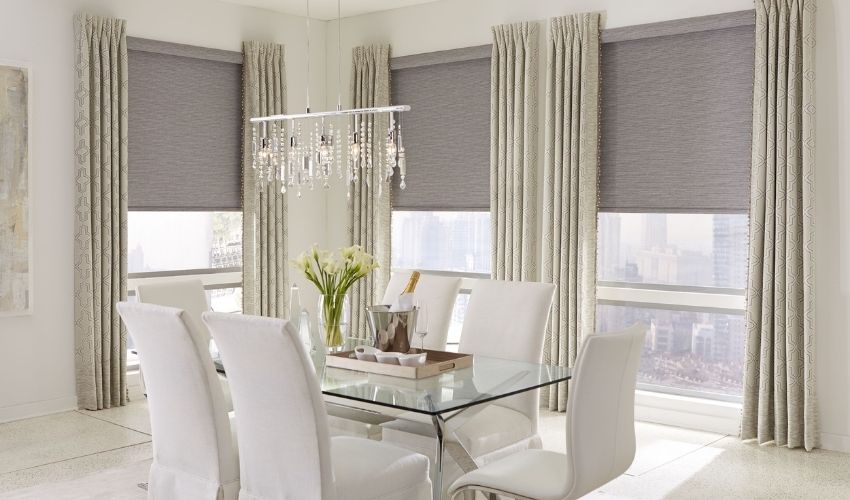
Color decisions often determine whether the combination looks intentional or random. Matching colors exactly is not necessary, but they should belong to the same palette.
Neutral tones are the safest choice. Shades like white, beige, grey, or soft earth tones create a cohesive look. They also adapt better to changing furniture and decor.
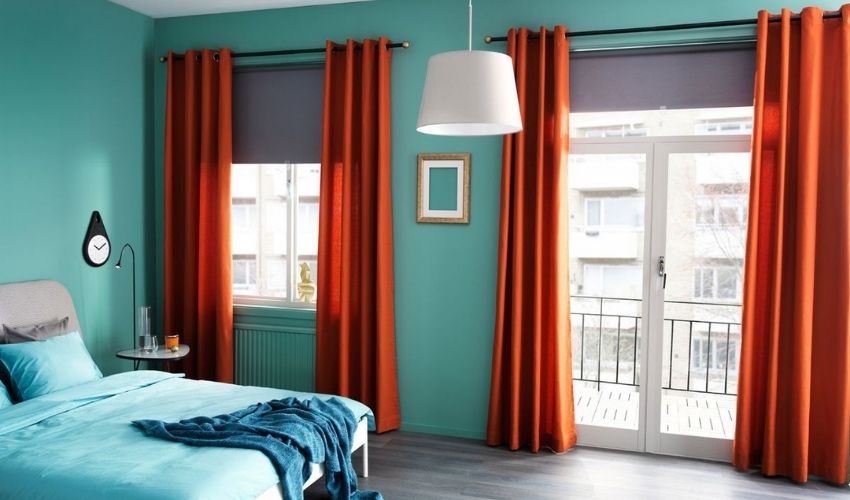
If you want contrast, it should be controlled. For example, light blinds with slightly darker curtains can add depth without overwhelming the space. Strong color clashes should be avoided because they break visual harmony.
It is also important to consider the room as a whole. The blinds and curtains should connect with the wall color, flooring, and furniture. They should not feel like separate elements.
Avoid Using the Same Combination in Every Room
A common mistake is repeating the same blinds and curtains across the entire house. This may seem efficient, but it ignores how different rooms function.
Each space has different requirements. Bedrooms need privacy and light blocking. Living rooms need flexibility and natural light. Kitchens and bathrooms require moisture-resistant materials.
Using the same combination everywhere creates a flat and repetitive look. It also reduces functionality.
A better approach is to keep a consistent style while adjusting materials and functionality. For example, you can use similar curtain colors across rooms but change the type of window blinds based on need.
This keeps the house visually connected without compromising performance.
Hang Curtains Higher and Wider Than the Window

This is one of the most effective design techniques, but it is often ignored. Curtains should not be limited to the exact size of the window.
Mounting curtains higher than the window frame creates the illusion of height. Extending them wider makes the window appear larger. This improves the overall proportion of the room.
It also ensures that the blinds remain the functional layer. When the curtains are fully opened, they should sit outside the window area without blocking light.
This approach works particularly well in smaller rooms. It makes the space feel more open without changing the structure.
Ensure Proper Layering and Installation Order
Blinds should always be installed first, inside or close to the window frame. Curtains should be mounted outside, on a rod or track.
This separation creates a clear layering effect. It also allows both elements to function properly without interfering with each other.
If curtains are installed too close to the window, they can block the operation of the blinds. This reduces usability and creates frustration over time.
Spacing and alignment are not just aesthetic decisions. They directly affect how practical the setup is.
Pairing Combinations That Actually Work
Try the most common pairing combination that really works for both home and office use.
Roller Blinds with Sheer Curtains
This is one of the most widely used combinations. Roller blinds provide a clean base. Sheer curtains soften the look and diffuse light. It works well in living rooms and modern spaces where natural light is important
Blackout Blinds with Heavy Curtains
This combination focuses on performance. It is ideal for bedrooms. The blinds block light, while the Blackout curtains add insulation and visual weight.
It also helps reduce noise and improve sleep quality.
Venetian Blinds with Light Drapes
Venetian blinds provide adjustable light control. Light drapes balance their structured appearance. This combination works well in spaces where both function and style are important.
Honeycomb Blinds with Sheer Curtains
Honeycomb blinds improve insulation. Sheer curtains maintain brightness. This pairing is useful in climates where temperature control is important.
Common Mistakes to Avoid
Check out some common mistakes that people usually make when combining blinds with curtains.
- Treating Both Layers as Decorative: Blinds and curtains should not compete for attention. One should handle the function, while the other supports the overall look.
- Ignoring Proportion: Curtains that are too short or too narrow disrupt the balance of the window. Proper sizing is essential for a clean and polished appearance.
- Overcomplicating the Design: Too many colors, textures, or patterns create visual clutter. A simpler approach usually delivers better results.
- Choosing Style Over Function: A setup that looks good but does not work well in daily use will quickly become inconvenient. Practical performance should come first.
Conclusion
Using blinds with curtains is not about adding more elements. It is about using each element correctly. Blinds should handle light, privacy, and efficiency. Curtains should add structure and finish. When both roles are clear, the combination works naturally.
Most problems come from poor planning, not from the idea itself. When you focus on function first and design second, the result feels balanced and intentional. That is what separates a well-designed window from a mismatched one.
Read More.