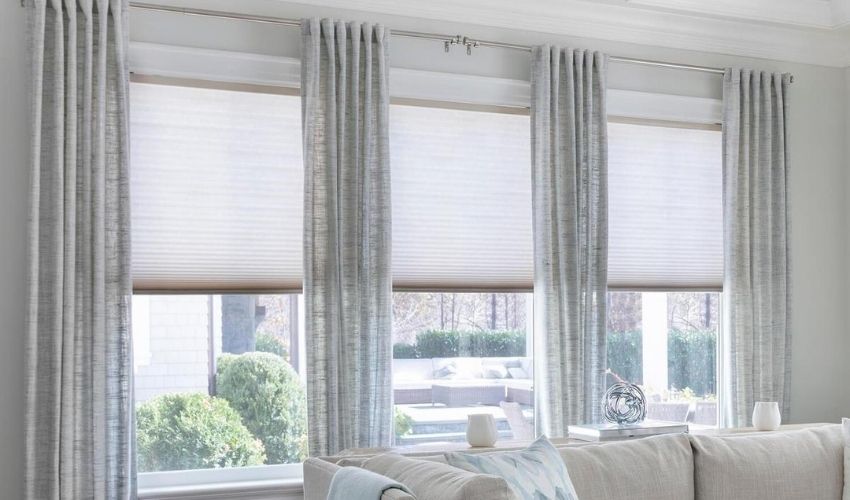
Curtains and blinds are often treated as separate window solutions, but in modern Interior , combining them has become a practical and popular approach. The idea is not just about layering for style. It is about improving how a space functions throughout the day.
Blinds offer precise control over light and visibility. Curtains provide full coverage, softness, and insulation. When these two are used together with a clear purpose, they create a balanced and flexible window treatment. However, without proper planning, the same combination can make a room feel cluttered or poorly designed.
Many homeowners assume that simply adding both will improve their space. That assumption is not always correct. The effectiveness of this setup depends on choosing the right styles, matching proportions, and installing them correctly.
Why Use Curtains and Blinds Together
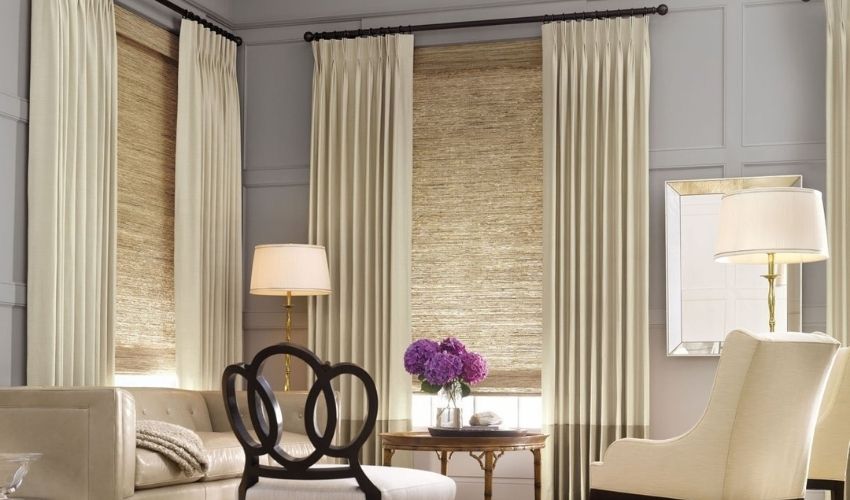
Using curtains and blinds together is mainly about control. A single layer often cannot handle different lighting and privacy needs throughout the day. Blinds allow you to adjust light levels with precision. Curtains, on the other hand, can fully block or soften light depending on the fabric.
This layered approach becomes especially useful in rooms that serve multiple purposes. For example, a living room may need natural light during the day but more privacy in the evening.Window Blinds can filter daylight without completely darkening the room, while curtains can be closed when needed.
Another advantage is privacy. Blinds alone may leave small gaps, particularly at night when indoor lights are on. Curtains cover those gaps and provide a more secure barrier. This is particularly important for street-facing windows or apartments.
There is also a noticeable effect on comfort. While curtains and blinds are not a replacement for proper insulation, they can reduce heat gain during summer and limit heat loss in winter. The results depend on the material. Thick curtains and well-designed blinds perform better than basic options.
From a design perspective, combining both adds depth to a room. Blinds create a structured and modern base, while curtains introduce softness and movement. When balanced properly, this contrast improves the overall look instead of making the space feel busy.
How to Combine Curtains and Blinds Properly
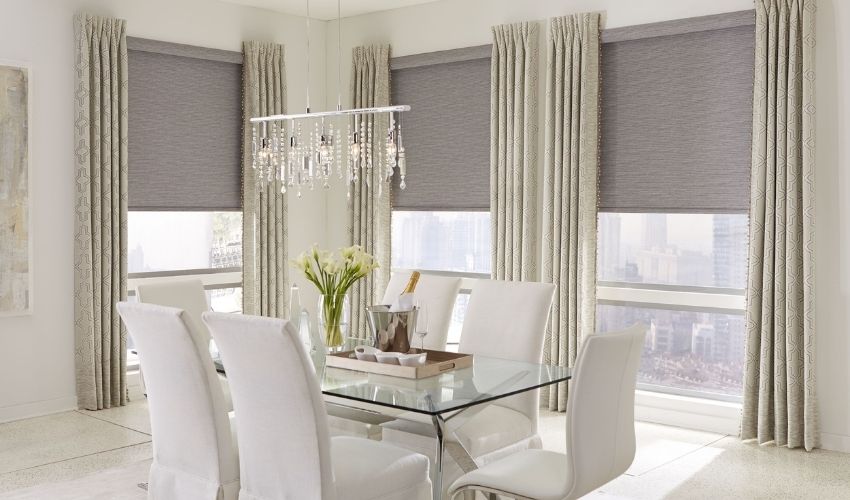
Combining curtains and blinds works best when you follow a structured approach. Instead of mixing styles randomly, each step should focus on balance, function, and ease of use. The goal is to create a setup that looks clean and works smoothly in daily use.
Step 1: Decide the Visual Priority
Start by choosing which element will stand out more in the room. Neither curtains nor blinds should compete for attention. If your curtains are bold, textured, or patterned, keep the blinds simple and neutral. On the other hand, if your blinds have a strong texture or design, choose plain curtains.
This step helps avoid visual clutter. When one element leads and the other supports, the overall look feels intentional rather than crowded. A clear visual hierarchy makes the window treatment look more polished and easier to style with the rest of the room.
Step 2: Choose a Compatible Color Palette
Color coordination is essential for a balanced look. Curtains and blinds do not need to match exactly, but they should belong to the same color family. This creates harmony without making the design feel repetitive.
Neutral shades like white, beige, grey, or soft pastels are easier to combine. If you want contrast, keep it subtle instead of using strong opposing colors. Poor color choices can make the window stand out in a negative way, even if the styles are correct. A controlled palette keeps the design clean and cohesive.
Step 3: Match Function with Room Needs
Every room has different requirements, so your combination should reflect how the space is used. In bedrooms, privacy and light blocking are more important. That is why blackout curtains paired with light-filtering blinds work well.
In living rooms, the focus is usually on natural light and comfort. Sheer curtains combined with simple blinds allow daylight to enter while maintaining privacy. Instead of choosing based only on appearance, think about how much light, privacy, and flexibility you need throughout the day.
Step 4: Keep One Element Simple
Balance is easier to achieve when one layer is visually simple. If both curtains and blinds are heavy or detailed, the window can feel overcrowded. Keeping one element minimal allows the other to stand out without creating conflict.
For example, pairing patterned curtains with plain roller blinds creates a clean contrast. Similarly, textured blinds work better with lightweight, solid-colored curtains. This approach reduces visual noise and keeps the design easy to manage.
Step 5: Maintain Proper Spacing and Placement
Spacing plays a major role in both appearance and functionality. Curtains should frame the window rather than sit directly over the blinds. This allows both elements to operate without interference.
If curtains block access to the blinds or overlap too much, the setup becomes inconvenient. Proper placement ensures smooth movement and a neat finish. A well-spaced arrangement also makes the window look larger and more balanced.
Step 6: Test Functionality Before Finalizing
Before completing the setup, make sure everything works smoothly. Open and close both the blinds and curtains to check for any obstruction. The combination should feel easy to use without requiring extra effort.
Many designs look good visually but fail in daily use. Testing functionality ensures that your setup is practical, not just decorative. A successful combination is one that looks clean and works efficiently every day.
Best Curtain and Blind Combinations
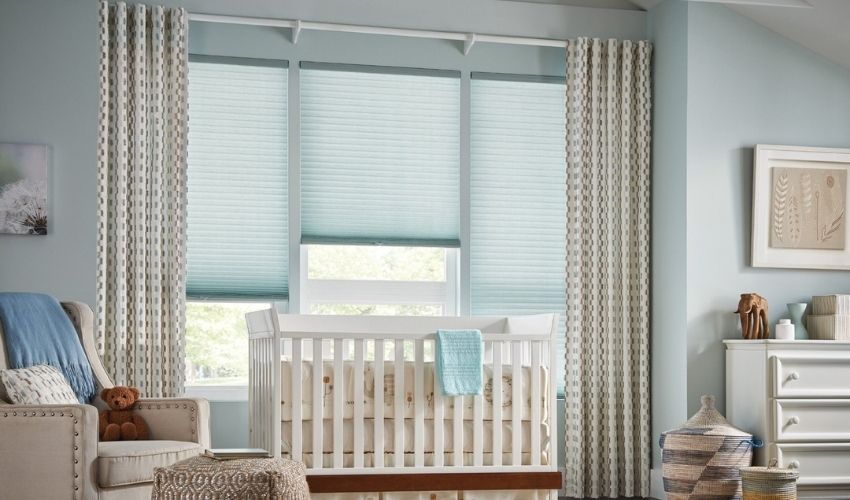
Some combinations are widely used because they are reliable in both function and appearance. These pairings work because each layer has a clear role, and neither overwhelms the other.
Sheer curtains with roller blinds are one of the most practical options for living spaces. Roller blinds provide privacy and light control, while sheer curtains soften the incoming light. This combination keeps the room bright without exposing the interior.
For bedrooms, blackout curtains paired with light-filtering blinds offer flexibility. During the day, the blinds allow soft natural light. At night, the curtains provide darkness for better sleep. It is important to note that a complete blackout depends on fabric quality and installation, not just layering.
Venetian blinds combined with neutral curtains create a more structured look. The blinds allow you to control the direction of light, while the curtains reduce harshness and add balance. This combination works well in offices and modern interiors.
Cellular blinds with lightweight curtains are often chosen for better insulation. Cellular designs trap air and improve temperature control, while curtains complete the look without adding too much bulk. This pairing is practical for both comfort and energy efficiency.
The key in all these combinations is clarity. Each layer has a specific function, and the design remains simple.
Common Mistakes to Avoid
Many problems with layered window treatments come from overdesigning. Adding too many textures, patterns, or heavy materials can make the window look crowded. Instead of improving the space, it creates visual noise.
Another common issue is ignoring proportion. Thick blinds combined with heavy curtains can overwhelm a small window. Similarly, very light curtains paired with bulky blinds can look unbalanced. The scale of both elements should match the size of the window and the room.
Poor color choices also lead to problems. Mixing unrelated colors or patterns without a clear plan results in a mismatched appearance. Even bold designs need some level of coordination.
Functionality is often overlooked. If curtains block access to blinds or if blinds are difficult to operate behind curtains, the setup becomes frustrating. A design that looks good but does not work in daily use is not effective.
Finally, incorrect installation can ruin even a well-planned combination. Placement, height, and spacing all affect the final result.
Installation Tips (Key Considerations)
Below are some tips while installing the blinds and curtains together:
- Mount the curtain rod higher than the window frame to create a taller and more balanced appearance
- Extend the curtain rod wider than the frame so the curtains can sit neatly at the sides when open
- Fit blinds close to the window frame to maintain a clean and structured look
- Ensure both blinds and curtains can move freely without blocking each other
- Avoid overcrowding by balancing heavy blinds with lighter curtain fabrics
- Take accurate measurements for width and height to prevent gaps or uneven coverage
- Align all fittings properly to avoid a tilted or unbalanced finish
- Prioritize ease of use so daily operation remains smooth and practical
Are Curtains and Blinds Always a Good Idea?
Although this combination works in many cases, it is not always necessary. In very small rooms, adding both curtains and blinds can make the space feel tighter. A single, well-chosen window treatment may be more effective in such situations.
Minimalist interiors often benefit from simplicity. Adding extra layers in these spaces can disrupt the clean design. Similarly, if your window already has a strong architectural feature, heavy layering may hide it rather than enhance it.
Budget is another factor. Installing both curtains and blinds costs more than using one solution. If the added functionality is not needed, the extra expense may not be justified.
The decision should be based on need, not trend. If layering improves comfort, privacy, and usability, it is worth considering. If it complicates the space, it is better to keep things simple.
Conclusion
Curtains and blinds can go together, but only when the combination is planned with purpose. This is not about adding more elements for decoration. It is about improving how a window functions in real use.
Blinds should handle precise light control, while curtains provide coverage, softness, and additional privacy. When both elements are balanced in style, proportion, and placement, the result is practical and visually clean.
Overcomplicating the design leads to poor results. A simple, well-thought-out combination will always perform better than a layered setup that ignores function. By focusing on usability and balance, you can create a window treatment that works efficiently and enhances your space without unnecessary complexity.
Read more.