
Choosing the right window treatment for your living room is no longer just about covering a window. It directly shapes how your space looks, feels, and functions throughout the day.
Curtains and blinds remain the two most common options, but deciding between them is not always simple. Each serves a different purpose, and the better choice depends on how your living room is actually used rather than just what looks appealing.
Instead of a surface-level comparison, it is more useful to understand how both options perform in real situations, such as light control, privacy, maintenance, and overall design impact.
Understanding the Role of Window Treatments in Modern Living Rooms

Living rooms today are multi-functional. They are used for relaxing, entertaining guests, working, and even watching TV. Because of this, window treatments are expected to do more than just decorate.
They need to manage natural light, provide privacy, support insulation, and complement the interior without overwhelming it. Curtains and blinds approach these needs differently.
Curtains soften a space and make it feel more comfortable and inviting. Blinds introduce structure, control, and a cleaner finish. The right choice depends on what your living room is missing
Design and Visual Impact
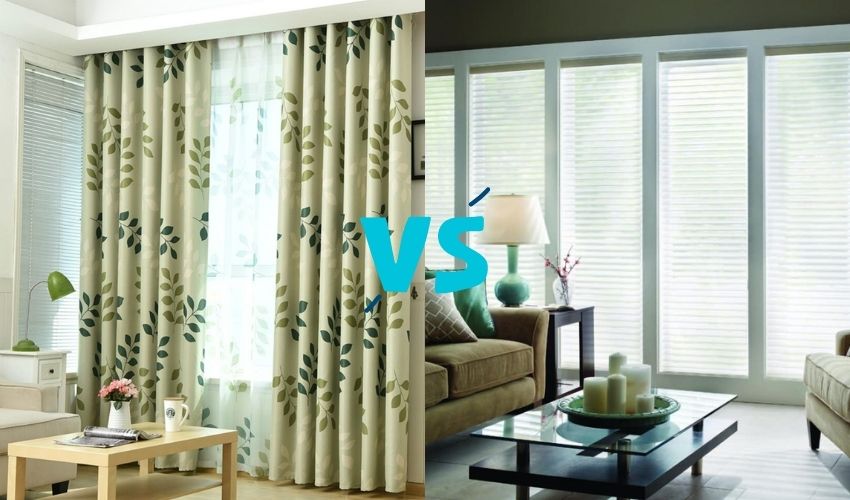
Curtains offer more flexibility in design. They are available in a wide range of fabrics, colors, and textures, making it easier to match them with furniture and wall tones. In modern interiors, layered curtains such as sheer paired with blackout are widely used to balance light and privacy.
Blinds follow a more minimal and structured approach. They work well in contemporary spaces where simplicity and clean lines are preferred. Materials like wood, aluminum, and fabric-based roller blinds are now common in modern homes.
One important difference is visual dominance. Window Curtains can easily become the focal point of a room, while blinds usually stay in the background. This can be an advantage or a limitation depending on your design goals.
Size, Fit, and Customization
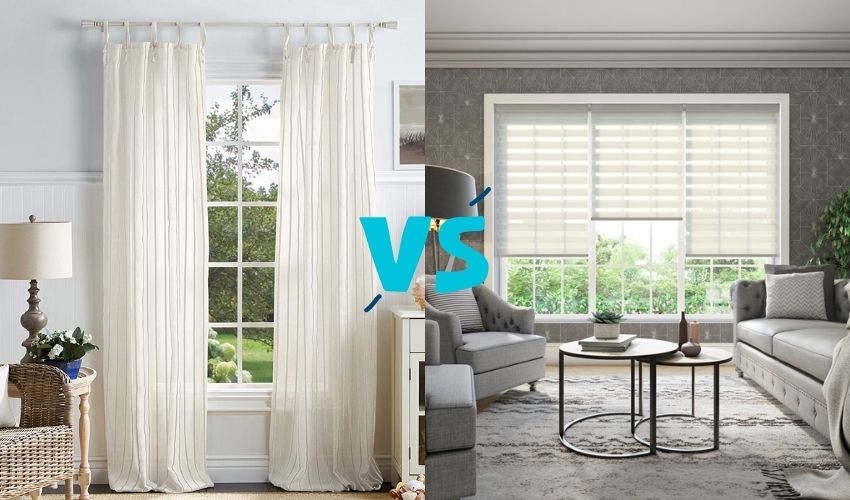
Curtains are more forgiving when it comes to sizing. Standard lengths are available, and custom options allow you to create a more tailored look. Floor-to-ceiling curtains are especially popular today because they make ceilings appear higher and spaces feel larger.
Blinds require more precision. They are typically fitted inside or just above the window frame, so accurate measurements are essential. This precision gives them a cleaner and more structured appearance.
Customization exists in both options, but the focus differs. Curtains are customized for style and fabric, while blinds are often customized for functionality, such as light filtering or motorized control.
Light Control and Privacy
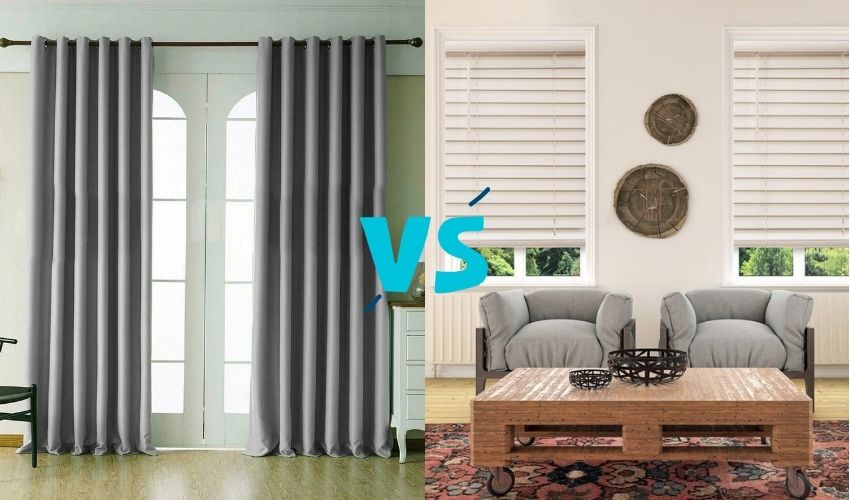
Light control is one of the biggest differences between the two. Blinds allow precise control. You can tilt the slats, partially open them, or fully close them depending on how much light you want. This makes them ideal for spaces where glare control is important, such as TV areas.
Curtains create a softer lighting effect. Sheer curtains allow daylight to filter in while maintaining privacy, and heavier fabrics can block light effectively. However, they do not offer fine control unless layered. Modern solutions have improved this limitation. Dual-layer blinds and curtain layering systems now allow better flexibility without compromising design.
Installation and Everyday Use

Curtains are relatively easy to install and replace. Once the rod is fixed, changing the fabric is simple. This makes them suitable for people who like updating their interiors over time.
Blinds require a more precise installation process. The brackets and mechanism need proper alignment to function smoothly. While the setup may take more effort, blinds are generally stable and efficient once installed.
In daily use, blinds are quicker to operate, especially with motorized systems, which are becoming more common in modern homes.
Maintenance and Cleaning

Maintenance is often overlooked during the selection process. Curtains usually require occasional washing or dry cleaning depending on the fabric. While this takes effort, it is not needed frequently.
Blinds tend to collect dust more quickly, especially those with multiple slats. Cleaning them can be time-consuming because each section needs attention. However, newer designs like roller or panel blinds are easier to maintain.
The better option depends on whether you prefer less frequent deep cleaning or more frequent light cleaning.
Insulation and Energy Efficiency

Curtains are generally better at insulating a room. Thick or lined curtains help keep heat out during summer and retain warmth during winter. This can reduce reliance on air conditioning and heating.
Blinds provide some insulation, but their structure allows small gaps where air can pass through. That said, modern blackout and thermal blinds have improved significantly and can perform well when properly fitted.
If energy efficiency is a priority, curtains still have an advantage, though the difference is not as large as it once was.
Cost and Long-Term Value
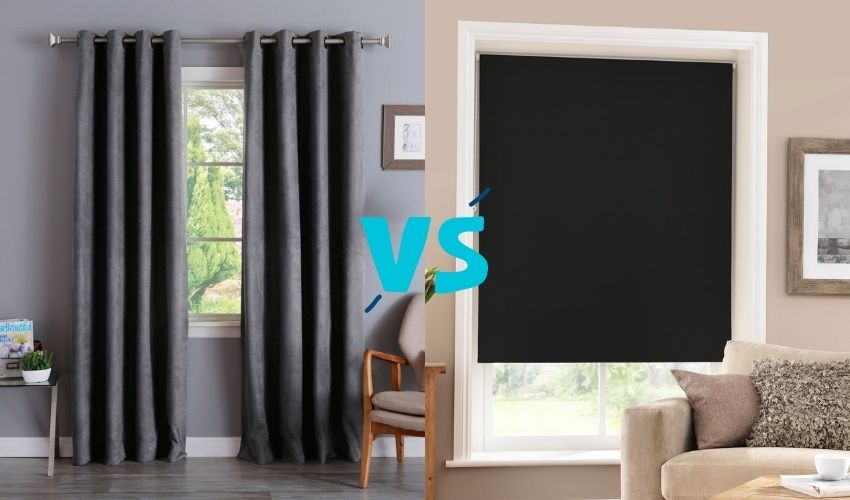
The cost of both curtains and blinds varies depending on material, size, and customization. Curtains are often more affordable initially and easier to replace, making them suitable for quick updates or seasonal changes.
Blinds can be more expensive upfront, especially when choosing high-quality or motorized options. However, they tend to last longer and require less frequent replacement. It is more practical to think in terms of long-term value rather than just initial cost.
How to Choose Based on Your Living Room Setup?
This is where most comparisons fall short. The better choice is not about the product—it is about your space.
If your living room receives strong direct sunlight, blinds offer better control and reduce glare. If the room feels plain or lacks warmth, curtains can add softness and depth.
For smaller living rooms, blinds help maintain a clean and uncluttered look. For larger spaces, curtains can fill vertical space and make the room feel more complete.
If privacy is a concern, especially in street-facing homes, layering becomes important. Sheer curtains, combined with blackout curtains or blinds, provide flexibility throughout the day. Ignoring these practical conditions often leads to poor decisions, even if the product itself is high quality.
The Modern Approach: Combining Curtains and Blinds
A growing trend in modern interiors is to use both curtains and blinds together. This approach separates function and design. Blinds handle light control and privacy, while curtains add softness and enhance the overall look.
The key is balance. If curtains are heavy or patterned, blinds should remain simple. If blinds have a strong presence, curtains should be minimal. When done correctly, this combination creates a layered, functional, and visually balanced living space.
Here is another question arises: Do Curtains and Blinds Go Together?
Vertical Blinds: The Best Window Treatment
Final Thoughts
There is no single answer to whether blinds or curtains are better for a living room. The better choice depends on what your space needs more of: softness, structure, flexibility or precision. Curtains are ideal when comfort and design are the priority. Blinds are better when control and simplicity matter more. If your living room requires both, combining them is often the most practical and effective solution.
Read more.